Skip to content
In the textile industry, the term "rot" can refer to two distinct concepts: dry rot, a form of fabric deterioration, and ROT fabric, a term related to fabric processing and storage. Understanding these definitions is crucial for both consumers and professionals in the textile field.
In textiles, "rot" can refer to "dry rot1," a deterioration of fabric due to fungal growth and moisture exposure, or "ROT fabric2," indicating fabric that is unfinished or unprocessed after weaving.
Let’s explore these concepts in detail to comprehend their implications in the textile industry.
What Is Dry Rot in Fabrics?
Dry rot is a condition that affects the integrity of fabrics, leading to weakening and eventual disintegration. But what exactly causes dry rot?
Dry rot in fabrics occurs when textiles are exposed to moisture over extended periods, promoting fungal growth that deteriorates the material’s fibers. This process results in brittleness, discoloration, and a musty odor.
Causes of Dry Rot
Several factors contribute to the development of dry rot in fabrics:
-
Moisture Exposure: Prolonged contact with moisture without adequate drying facilitates fungal growth. This often occurs in humid environments or when fabrics are stored damp.
-
Poor Storage Conditions: Storing textiles in areas with high humidity, poor ventilation, or in plastic bags that trap moisture can lead to dry rot.
-
Organic Fibers: Fabrics made from natural fibers like cotton, linen, or silk are more susceptible to dry rot due to their cellulose content, which fungi feed on.
Identifying Dry Rot
Recognizing the signs of dry rot early can prevent further damage:
-
Discoloration: Affected areas may appear faded or have irregular stains.
-
Brittleness: The fabric becomes fragile and can tear easily with minimal force.
-
Musty Odor: A distinctive moldy smell often accompanies dry rot.
-
Powdery Residue: Presence of a fine, powdery substance on the fabric’s surface.

Preventing Dry Rot
To safeguard fabrics from dry rot:
-
Ensure Proper Storage: Store textiles in cool, dry, and well-ventilated areas. Avoid using plastic coverings that can trap moisture.
-
Regular Cleaning: Clean fabrics before storage to remove dirt and organic matter that can promote fungal growth.
-
Control Humidity: Use dehumidifiers or silica gel packets in storage areas to maintain low humidity levels.
What Is ROT Fabric?
The term "ROT fabric" pertains to a specific stage in fabric processing. But what does it signify?
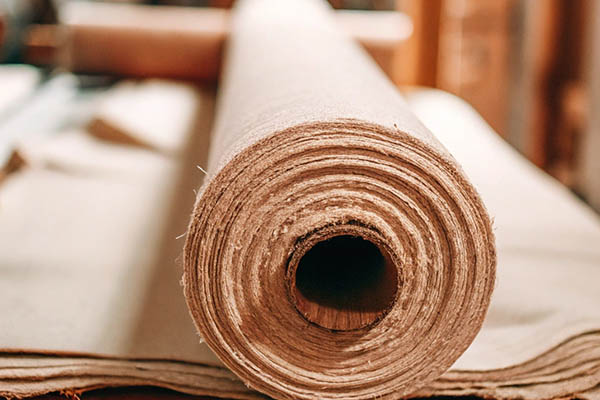
"ROT fabric" refers to fabric that remains in its raw, unfinished state after weaving, without undergoing any bleaching, dyeing, or finishing processes.
Characteristics of ROT Fabric
ROT fabric possesses distinct attributes:
-
Natural Appearance: It retains the natural color and texture of the raw fibers used.
-
Lack of Treatments: The fabric hasn’t been subjected to chemical treatments or enhancements.
-
Versatility: It serves as a blank canvas for various finishing processes, allowing customization based on specific requirements.
Applications of ROT Fabric
ROT fabric is utilized in several contexts:
-
Textile Manufacturing: Acts as the base material for further processing into finished textiles with desired properties.
-
Industrial Uses: Employed in applications where untreated fabric is suitable, such as certain filtration materials or interlinings.
-
Artistic Projects: Preferred by artists and designers who wish to apply their own treatments or designs to the raw fabric.

How Does Dry Rot Differ from ROT Fabric?
It’s essential to distinguish between "dry rot" and "ROT fabric," as they pertain to different aspects of textiles.
-
Dry Rot: Refers to the deterioration and weakening of fabric due to fungal activity and moisture, leading to damage and reduced usability.
-
ROT Fabric: Denotes fabric in its unprocessed, natural state post-weaving, intended for further finishing processes or specific applications.
Understanding this distinction helps in addressing fabric care and processing appropriately.
How to Prevent Dry Rot in Fabrics
Preventing dry rot is crucial for maintaining the longevity and quality of textiles. Implementing proper storage and handling practices can significantly reduce the risk.
Proper Storage Techniques
-
Climate Control: Store fabrics in environments with controlled temperature and humidity to inhibit fungal growth.
-
Ventilation: Ensure storage areas are well-ventilated to prevent moisture accumulation.
-
Avoid Plastic Covers: Use breathable materials like cotton sheets to cover stored fabrics, allowing air circulation.
Regular Maintenance
-
Cleaning: Regularly clean fabrics to remove dirt, oils, and other substances that can attract moisture and support fungal growth.
-
Inspection: Periodically inspect stored textiles for signs of moisture or mold and address issues promptly.
Use of Desiccants
-
Silica Gel Packs: Place silica gel packets in storage areas to absorb excess moisture.
-
Activated Charcoal: Utilize activated charcoal to control humidity and odors in storage spaces.
Conclusion
In the textile industry, "rot" can refer to detrimental fabric deterioration known as dry rot or indicate fabric in its raw, unfinished state termed ROT fabric. Recognizing the differences between these terms is vital for proper fabric care, storage, and processing. Implementing preventive measures against dry rot ensures the longevity of textiles, while understanding the nature of ROT fabric allows for appropriate finishing and application in various industries.