Skip to content
Have you ever wondered what Americans call hoodies with zippers? If you’re shopping for one or talking with an American supplier, using the right term can make communication easier. So, what is the most common name for these hoodies in the U.S.?
In the United States, zip-up hoodies1 are commonly called "zip-up hoodies" or "zippered hoodies." They may also be referred to as "hooded sweatshirt2s" or simply "hoodies" when the zipper detail is implied by context.
But hoodie terminology varies based on style, material, and even regional differences. Let’s dive into the terms Americans use and what makes zip-up hoodies so popular.
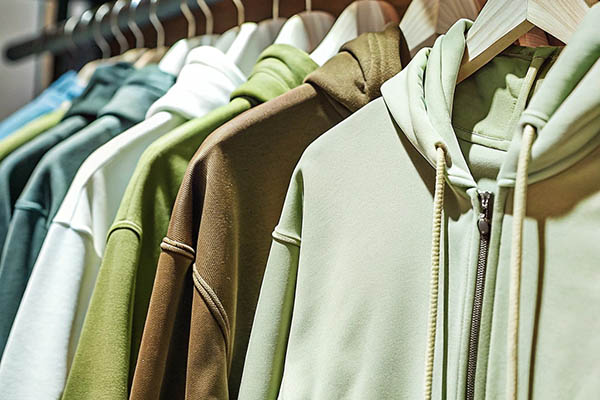
What is a zip-up hoodie?
The simplest definition of a zip-up hoodie is a hoodie with a front zipper.
A zip-up hoodie is a hooded sweatshirt with a zipper running from the bottom hem to the neckline. It combines warmth with convenience, allowing for easy wear and adjustable ventilation.
Key characteristics of a zip-up hoodie
- Full-length zipper: Runs down the center front.
- Adjustable hood: Drawstrings for a customizable fit.
- Pockets: Often has split kangaroo or side-seam pockets.
- Material variety: Made from cotton, polyester, fleece, or blends.
Common American terms for zip-up hoodies
| Term | Description |
|---|---|
| Zip-Up Hoodie | The most common term for hoodies with a zipper. |
| Zippered Hoodie | Used interchangeably with "zip-up hoodie." |
| Hooded Sweatshirt | General term, regardless of zipper presence. |
| Hoodie Jacket | Less common; usually implies a heavier zip-up hoodie. |
Fun fact: In the U.S., "hoodie" is the go-to term unless specifying "zip-up" to differentiate from pullovers.
How do zip-up hoodies differ from pullovers?
Pullovers and zip-ups share many design elements but differ in functionality.
Zip-up hoodies feature a zipper closure, while pullovers must be worn by pulling over the head. Americans often specify "zip-up" when they need a front zipper.

Functional differences between zip-ups and pullovers
| Feature | Zip-Up Hoodie | Pullover Hoodie |
|---|---|---|
| Closure | Front zipper | No zipper, pull-on style |
| Ventilation | Adjustable with zipper | Fixed, must remove for cooling |
| Layering | Easy layering | Less versatile for layering |
| Pockets | Split or side-seam pockets | Kangaroo-style front pocket |
| Style | Sporty and versatile | Casual and cozy |
Why Americans might prefer zip-up hoodies
- Weather flexibility: Unzipping allows airflow when temperatures fluctuate.
- Layering convenience: Zip-ups work well with T-shirts and collared shirts.
- Hair and makeup protection: No need to pull the hoodie over your head.
Tip: In casual American conversations, simply saying "hoodie" works for both styles unless the zipper feature is critical to the context.
What types of zip-up hoodies do Americans wear?
Not all zip-up hoodies are the same. The zipper design, fit, and material lead to various subcategories.
In the U.S., zip-up hoodies are available as full-zip, half-zip, and quarter-zip variations. Each style serves different practical and fashion purposes.
1. Full-zip hoodies
- Definition: Zippers run from the bottom hem to the neckline.
- Popularity: Most common zip-up hoodie type in the U.S.
- Best for: Casual wear, outdoor layering, and athletic settings.
Example: A full-zip fleece hoodie is perfect for cool mornings and can be unzipped as temperatures rise.
2. Half-zip hoodies
- Definition: Zippers extend halfway down the front.
- Popularity: Less common than full-zip but popular in activewear.
- Best for: Running, hiking, and athleisure outfits.
Example: Runners appreciate half-zip hoodies for easy ventilation during workouts.
3. Quarter-zip hoodies
- Definition: Short zippers stopping around the upper chest.
- Popularity: Gaining traction in fashion-forward streetwear.
- Best for: Smart-casual and streetwear looks.
Example: Quarter-zip hoodies are a go-to for layering in transitional weather.
Hoodie type comparison
| Hoodie Type | Zipper Length | Primary Use | Popularity in the U.S. |
|---|---|---|---|
| Full-Zip | Full length | Everyday and athletic | Very High |
| Half-Zip | Halfway down | Sports and running | Moderate |
| Quarter-Zip | Chest level | Casual and layering | Growing |
Insight: Full-zip hoodies dominate U.S. markets due to their versatility and ease of wear.

Why are zip-up hoodies popular in the U.S.?
Hoodies are a staple in American fashion, and zip-up versions are particularly favored.
Zip-up hoodies are popular in the U.S. for their comfort, versatility, and ability to adapt to changing weather.
1. Climate adaptability
The U.S. has diverse climates, from hot, humid summers in Florida to snowy winters in Minnesota. Zip-up hoodies offer an adjustable layer suitable for varying conditions.
Example: A cotton zip-up hoodie works for chilly California mornings and warm afternoons.
2. Streetwear influence
The rise of streetwear brands like Supreme, Champion, and Nike has cemented zip-up hoodies as everyday essentials.
- Streetwear appeal: Oversized fits and bold logos are common.
- Athleisure trend: Zip-up hoodies transitioned from gyms to casual wear.
Fun fact: American college students often wear zip-up hoodies with university logos, making them an iconic campus look.
3. Layering convenience
Americans frequently layer clothing for both style and function. Zip-up hoodies simplify layering with:
- T-shirts: Casual, everyday outfits.
- Button-downs: Smart-casual looks.
- Jackets: Base layers for colder weather.
Pro tip: Zip-up hoodies with metal zippers and heavyweight fabric are preferred for winter layering.
How do materials affect zip-up hoodie popularity?
Material choice influences a hoodie’s weight, warmth, and durability.
In the U.S., zip-up hoodies are typically made from cotton, polyester, or fleece blends. Heavier fabrics are popular in colder states, while lightweight options suit warmer regions.
Material breakdown
| Material | Softness | Warmth | Durability | Breathability | Common Use |
|---|---|---|---|---|---|
| 100% Cotton | High | Moderate | Medium | High | Casual, breathable wear |
| Cotton-Poly Blend | High | High | High | Moderate | Everyday, streetwear |
| Fleece (Poly/Cotton) | High | Very High | Moderate | Low | Cold weather |
| Performance Polyester | Medium | Moderate | Very High | Low | Sportswear |
Popular choices:
- Cotton-poly blends (70/30 or 80/20): Balance softness, warmth, and durability.
- Fleece-lined hoodies: Favored for winter wear.
Example: In New York, heavyweight cotton fleece zip-up hoodies are a winter staple.
What are some slang terms Americans use for hoodies?
While "zip-up hoodie" is the most common name, slang terms vary across regions and age groups.
Americans sometimes use casual or niche slang when referring to hoodies, influenced by culture, geography, and style trends.
Regional and cultural slang for hoodies
| Slang Term | Region/Group | Meaning/Notes |
|---|---|---|
| Hoodie | Nationwide | Universal term for any hooded sweatshirt. |
| Zip-up | West Coast | Shortened form of "zip-up hoodie." |
| Track jacket | Sports circles | Sometimes refers to zip-up hoodies with thinner fabric. |
| Sweats | Midwest | Generic term that can include hoodies and sweatshirts. |
Example: In California, someone might say, "Grab a zip-up for the beach," referring to a lightweight zip-up hoodie.
How do Americans choose between zip-up and pullover hoodies?
The choice between zip-up and pullover hoodies often comes down to lifestyle and fashion preferences.
Americans choose zip-up hoodies when they want flexibility and layering, while pullovers are preferred for simplicity and warmth.
Factors influencing hoodie selection
-
Climate:
- Colder states (e.g., Minnesota) favor heavyweight zip-up hoodies.
- Warmer states (e.g., Florida) lean toward lightweight pullovers.
-
Activity level:
- Active individuals often pick zip-up hoodies for better ventilation.
-
Fashion trends:
- Streetwear brands frequently use zip-ups for layering options.
Example: A college student in Chicago might own both types—zip-ups for transitional seasons and pullovers for snowy winters.