Skip to content
The United States relies heavily on imported clothing to meet consumer demand, with several countries playing pivotal roles in supplying apparel. Understanding which nation leads in clothing exports to the U.S. provides insight into global trade dynamics and the textile industry’s landscape.
China is the largest exporter of clothing to the United States, supplying a significant portion of the apparel consumed by American consumers.
This article explores the leading countries that manufacture clothing for the U.S., the factors influencing these trade relationships, and the implications for the American market.
What Country Exports the Most Clothing to the US?
The U.S. imports apparel from various countries, with China, Vietnam, and Bangladesh being the top suppliers.
China remains the largest exporter of clothing to the U.S., followed by Vietnam and Bangladesh.
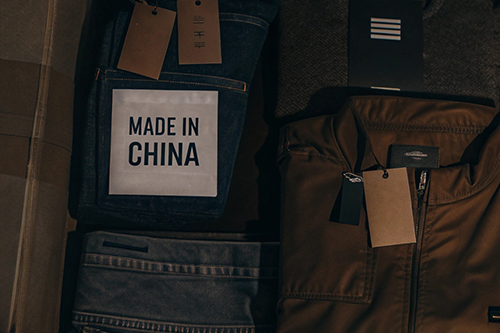
China’s Dominance in U.S. Apparel Imports
-
Market Share: In 2022, China was the top partner country from which the United States imported textiles and clothing1.
-
Product Range: China supplies a wide array of apparel, from basic garments to high-end fashion items, leveraging its extensive manufacturing infrastructure.
-
Cost Advantages: China’s ability to produce clothing at competitive prices has solidified its position as a leading supplier to the U.S.
Vietnam’s Growing Role
-
Market Share: Vietnam was the second-largest U.S. supplier of textiles and apparel in 20212, making up 11.1 percent of all U.S. imports.
-
Quality and Efficiency: Vietnamese manufacturers are recognized for producing quality apparel with efficient turnaround times, attracting U.S. retailers.
-
Trade Relations: Vietnam’s trade policies and participation in free trade agreements have enhanced its export capabilities to the U.S.
Bangladesh’s Contribution
-
Market Share: Bangladesh is among the top countries from which the United States imports textiles and clothing3.
-
Specialization: Bangladesh specializes in mass-producing garments like t-shirts and denim, catering to budget-conscious U.S. consumers.
-
Labor Costs: Lower labor costs in Bangladesh contribute to its competitiveness in the global apparel market.
| Country | Market Share | Key Factors |
|---|---|---|
| China | Largest supplier | Extensive manufacturing capacity, cost advantages |
| Vietnam | Second-largest supplier | Quality production, favorable trade relations |
| Bangladesh | Significant supplier | Specialization in mass production, low labor costs |
Factors Influencing U.S. Apparel Imports
Several factors determine the U.S.’s reliance on specific countries for clothing imports:

Trade Policies and Tariffs
-
Tariff Impacts: U.S. tariffs on Chinese goods have led some retailers to diversify sourcing to countries like Vietnam and Bangladesh4.
-
Trade Agreements: Agreements such as the U.S.-Mexico-Canada Agreement (USMCA) influence sourcing decisions by offering tariff benefits.
Production Costs
-
Labor Expenses: Countries with lower labor costs, like Bangladesh, can offer more competitive pricing for mass-produced apparel.
-
Manufacturing Efficiency: Nations with advanced manufacturing technologies and infrastructure, such as China, can produce a wide range of apparel efficiently.
Supply Chain Considerations
-
Lead Times: Proximity and shipping capabilities affect how quickly products can reach U.S. markets, influencing sourcing choices.
-
Supply Chain Resilience: Diversifying sourcing helps U.S. companies mitigate risks associated with over-reliance on a single country.
Implications for the U.S. Market
Understanding the primary sources of clothing imports has several implications:

Consumer Pricing
- Cost Fluctuations: Tariffs and trade policies can lead to price changes for consumers, as seen with proposed tariffs on Chinese imports potentially increasing clothing prices5.
Retailer Strategies
-
Sourcing Diversification: To avoid potential tariffs and supply chain disruptions, retailers are exploring alternative sourcing countries.
-
Sustainability Concerns: There’s a growing emphasis on sourcing from countries with sustainable manufacturing practices.
Economic Relations
-
Trade Balance: The U.S.’s reliance on imported apparel affects trade balances and economic relations with exporting countries.
-
Policy Development: Understanding import dynamics aids in formulating trade policies that balance economic and political interests.
Conclusion
China stands as the predominant exporter of clothing to the United States, with Vietnam and Bangladesh also playing significant roles. Factors such as production costs, trade policies, and supply chain logistics shape these import relationships. For U.S. consumers and retailers, these dynamics influence pricing, product availability, and sourcing strategies, underscoring the interconnected nature of global apparel manufacturing and trade.