Skip to content
Gymshark’s rise from a garage-based startup to a global fitness powerhouse is a case study in modern apparel manufacturing strategy. The brand’s distinctive style, fast product launches1, and influencer-driven marketing are supported by a carefully engineered global supply chain2. For gym apparel manufacturers, understanding Gymshark’s sourcing approach, criteria for partnership, and ongoing management of quality and transparency3 offers practical lessons for success in today’s athletic apparel industry.
Gymshark doesn’t own its factories—instead, it relies on trusted, specialist partners in Asia and Europe. Each manufacturer is selected for its technical skill4, capacity, and alignment with Gymshark’s standards for performance, quality, and sustainability. This distributed model gives the brand agility, flexibility, and scalability as it grows.
Whether you’re a startup building your first collection or an established label seeking growth, Gymshark’s strategy reveals how to leverage the global manufacturing ecosystem to create best-selling fitness products.
Who Are the Key Gym Apparel Manufacturers Behind Gymshark’s Products?
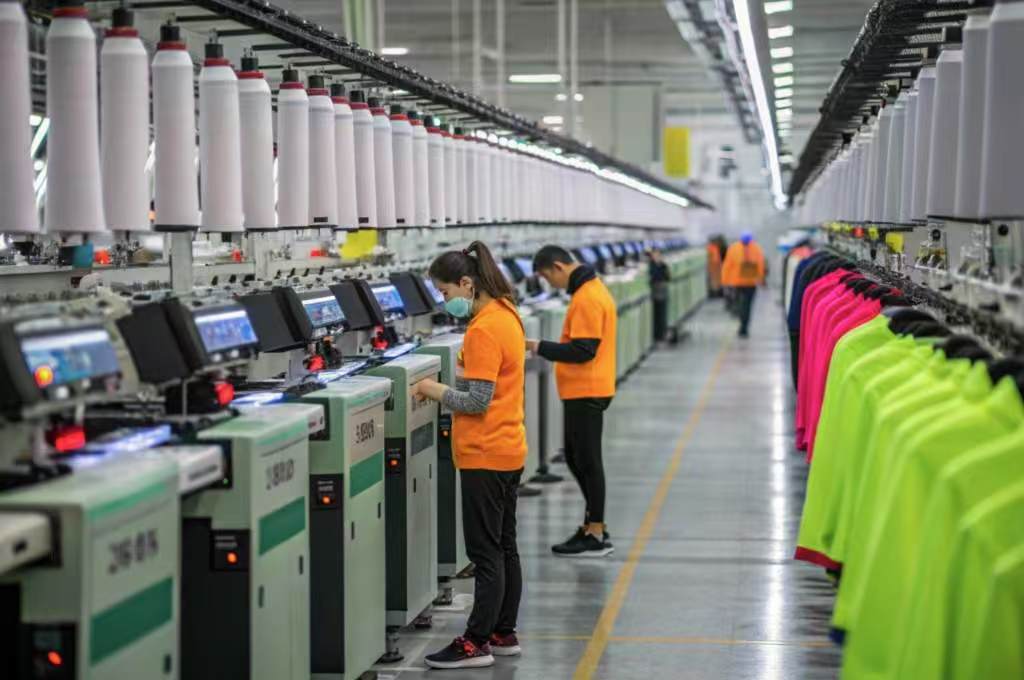
Automated Textile Factory
Unlike some heritage sportswear giants, Gymshark’s business model is built on outsourcing. It forms close, strategic relationships with a network of third-party factories5, most of whom are leaders in gym apparel, sportswear, and seamless technology.
How Does Gymshark Select Its Manufacturing Partners?
Selection is rigorous and multi-stage:
Gymshark’s team vets potential partners for their track record in activewear, ability to innovate, and willingness to support the brand’s high-velocity, trend-driven release cycles.
Factors include:
- Proven experience with technical, stretch, or seamless fabrics
- Quality management systems and scalable operations
- Strong social and environmental compliance records
Gymshark also values factories willing to co-develop new fabric blends, experiment with dyeing, and implement rapid sampling.
What Role Do Overseas Gym Apparel Manufacturers Play in Gymshark’s Supply Chain?
Overseas partners give Gymshark competitive advantages such as:
- Speed: Asian and Turkish factories excel at fast prototyping and large-volume production.
- Technical innovation: Many are at the cutting edge of seamless knitting, digital printing, and advanced moisture-wicking technology.
- Cost management: Manufacturing abroad offers price advantages without sacrificing quality—critical for the brand’s value-driven ethos.
- Risk diversification: Multiple production sites spread risk and allow for agility during disruptions, such as global logistics bottlenecks.
This reliance on top-tier international factories means Gymshark can launch new lines rapidly and keep up with constantly shifting fitness and fashion trends.
Where Are Gymshark’s Gym Apparel Manufacturers Located?
Gymshark’s sourcing strategy involves multiple regions, but Asia and Europe remain the primary locations for its production.
Which Countries Dominate Gymshark’s Production Network?
| Country | Role in Gymshark’s Supply Chain | Strengths |
|---|---|---|
| China | Largest producer of Gymshark apparel | Tech innovation, scale, price |
| Turkey | Key for seamless and knitwear | Speed to EU, skilled workforce |
| Bangladesh | Volume basics, leggings, and sports bras | Cost efficiency, large capacity |
| Portugal | Premium and sustainable lines | High quality, eco-certifications |
Chinahandles much of the complex, technical production due to its leadership in seamless technology and factory infrastructure. Turkeyand Bangladesh provide both cost-effective basics and high-quality knitwear, while Portugal is tapped for premium, eco-certified lines and smaller production runs for the EU.
Why Does Gymshark Work with Manufacturers in China, Turkey, and Bangladesh?
- China: Advanced, highly automated textile mills deliver superior seamless, compression, and technical fabrics. The region’s supply chain is deeply integrated, allowing for rapid product launches and material innovation.
- Turkey: Proximity to Europe means faster turnaround and easier oversight for EU launches. Turkish factories excel at flexibility—critical for Gymshark’s quick product drops.
- Bangladesh: Offers unmatched cost-efficiency and can handle huge volumes without compromising compliance or quality, making it ideal for mass-market basics.
- Portugal: Focuses on luxury, sustainable, or experimental lines, offering both high-quality craftsmanship and easy EU access.
This geographical diversity allows Gymshark to optimize for speed, cost, sustainability, and local consumer preferences.
What Are the Criteria Gymshark Uses When Choosing a Gym Apparel Manufacturer?

The bar for becoming a Gymshark supplier is high. The company insists on more than just technical ability or price competitiveness.
How Does Gymshark Ensure Quality, Performance, and Sustainability?
- Detailed tech packs: Every order comes with precise materials, construction, and fit requirements.
- Multiple quality checks: Raw materials, work-in-progress, and finished goods are all inspected—often using third-party labs.
- Eco-standards: Suppliers are pushed to use recycled materials, water-saving dye processes, and renewable energy where possible.
- Social compliance: Gymshark insists on safe, fair working conditions and audits regularly.
What Certifications and Standards Are Required for Gymshark’s Manufacturers?
Gymshark only works with partners who demonstrate global best practices:
| Certification/Standard | What It Ensures |
|---|---|
| ISO 9001 | Quality management |
| OEKO-TEX Standard 100 | Safe, non-toxic textiles |
| WRAP | Ethical and lawful manufacturing |
| GRS (Global Recycled Standard) | Recycled materials and supply chain traceability |
| BSCI/SMETA | Social compliance and ethical sourcing |
Gymshark also encourages factories to pursue additional certifications in sustainability and fair trade as these standards become more important to its customers.
How Does Gymshark Maintain Control and Transparency Over Its Manufacturing Process?
Without owning factories, Gymshark invests in proactive management and frequent communication with its partners.
What Steps Does Gymshark Take for Quality Assurance and Ethical Sourcing?
- Audits: Routine and surprise visits to verify working conditions and process compliance.
- Sampling: Early and frequent sampling ensures design and fit consistency before full production.
- Batch inspection: Every shipment is checked against Gymshark’s detailed standards.
- Supplier development: Training and support are provided to help factories meet rising standards and adopt new technologies.
Gymshark’s in-house sourcing team and third-party inspectors ensure every product reflects the brand’s promises of quality and ethics.

How Does Gymshark Communicate Its Manufacturing Practices to Consumers?
Transparency is part of Gymshark’s appeal, especially to younger, value-conscious shoppers.
- Supply chain statements: Gymshark publishes its modern slavery statement, environmental commitments, and supplier code of conduct on its website.
- Sustainability reporting: Progress on recycled materials and factory audits is shared in annual updates and product launches.
- Open dialogue: The company addresses questions from customers and NGOs about sourcing and labor, reinforcing its reputation for ethical leadership.
This openness helps Gymshark maintain consumer trust and strengthen brand loyalty.
What Can Other Fitness Brands Learn from Gymshark’s Manufacturing Strategy?
Gymshark’s story shows that brands don’t need to own factories to control quality or drive innovation. Instead, success comes from:
- Building close, long-term partnerships with top-tier manufacturers
- Constantly reviewing and upgrading supply chain standards
- Embracing transparency and sustainability as competitive differentiators
How Can Startups Find and Work with the Right Gym Apparel Manufacturer?
- Research deeply: Attend industry expos, use B2B sourcing platforms, and check references carefully.
- Start small: Test with sample orders to ensure fit and quality before scaling.
- Communicate clearly: Provide detailed specs and feedback to build mutual trust and understanding.
- Visit often: On-site visits and third-party audits safeguard both quality and ethics.
What Best Practices from Gymshark’s Approach Can Be Applied to New Brands?
- Document everything: Use tech packs, signed agreements, and audit reports for clarity and accountability.
- Insist on standards: Require certifications for both quality and social responsibility.
- Be transparent: Share your sourcing philosophy with your customers—build a story, not just a product.
- Stay agile: Choose manufacturers who can flex with your growth and adapt to market changes.
Ultimately, Gymshark’s success comes from blending speed, transparency, and strong supplier partnerships with constant innovation and consumer engagement.
Conclusion
Gymshark’s networked approach to manufacturing—balancing cost, quality, speed, and ethics—is a template for the modern fitness apparel industry. By working with innovative and responsible gym apparel manufacturers across Asia and Europe, Gymshark delivers high-performance, trend-setting products while maintaining consumer trust and brand agility.
For fitness brands of any size, building a resilient supply chain means choosing partners who are not only technically excellent but also share your values on quality, sustainability, and transparency.
-
Learning about product launch strategies can enhance your brand’s market presence. ↩
-
Understanding global supply chains can help brands optimize their production and distribution strategies. ↩
-
Understanding the importance of transparency can build consumer trust and loyalty. ↩
-
Gaining insights into necessary technical skills can improve your selection process for manufacturers. ↩
-
Understanding the advantages of third-party factories can help brands scale effectively. ↩