Skip to content
When it comes to clothing production, few places on earth can rival the scale, speed, and sophistication of China’s manufacturing cities. For decades, China has been the engine behind the global fashion industry—supplying everyone from startup brands to luxury houses and fast-fashion giants.
Guangzhou is often recognized as the heart of China’s apparel industry, but cities like Shenzhen, Shanghai, Hangzhou, Ningbo, and Xiamen are also vital players in the world’s clothing supply chain. Each city offers unique strengths, from fast fashion and e-commerce to luxury tailoring and textile innovation.
But within China’s vast territory, certain cities have become world-famous manufacturing hubs. This article is your ultimate guide to the major apparel manufacturing1 cities in China: what makes them unique, how they serve global brands, and how international buyers can navigate and partner with the best manufacturers in the country.
Why Is Guangzhou Famous for Apparel Manufacturers in China?

Fashion planning meeting
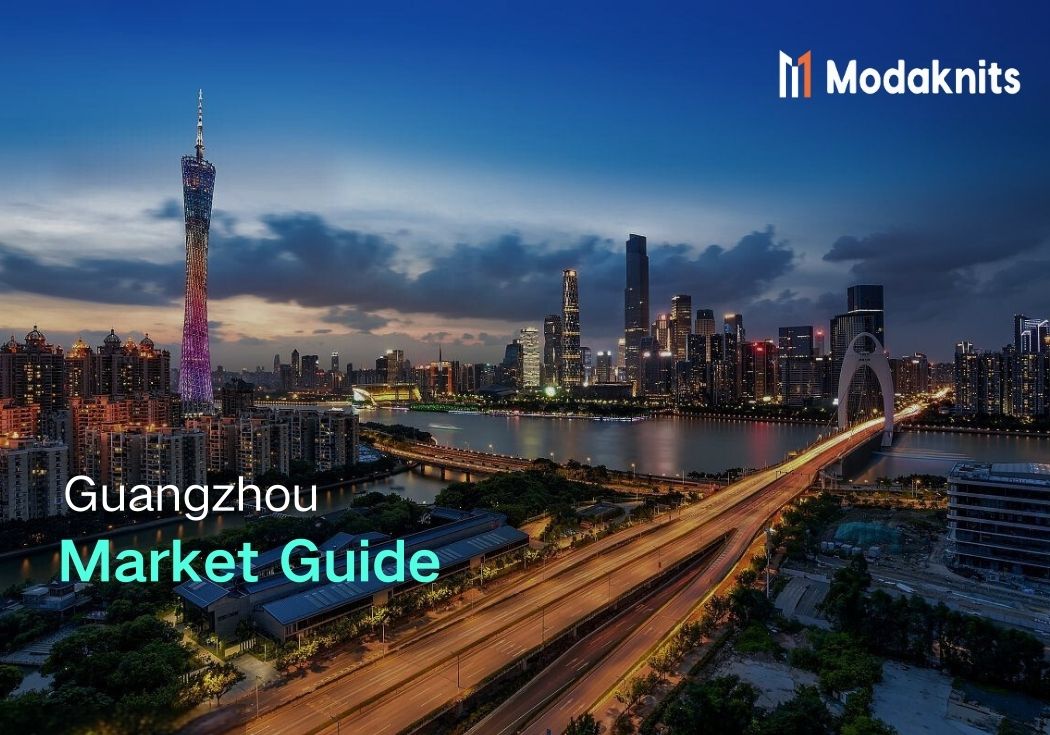
Guangzhou, the bustling capital of Guangdong Province in southern China, is widely regarded as the “garment capital” of China—and arguably, of the world. Its prominence is built on decades of infrastructure investment, a unique cluster effect, and an unparalleled supply chain ecosystem.
Guangzhou’s global reputation comes from its ability to deliver quality, volume, and speed at every price point—from mass-market basics to boutique fashion and high-end custom orders.
What Makes Guangzhou a Hub for Apparel Manufacturing?
1. Apparel Industry Clusters
Guangzhou is home to huge clusters of apparel factories, fabric mills, accessories suppliers, printing shops, embroidery specialists, and logistics providers. Key industrial zones like Zhongda Fabric Market2, Xintang Jeans Town, and Shisanhang Garment Wholesale Market are world-famous sourcing hubs.
2. Category Diversity
You can find almost any apparel product made in Guangzhou:
- T-shirts, hoodies, and basics
- Fashion dresses and suits
- Activewear and sportswear
- Denim (especially in Xintang)
- Children’s, lingerie, and swimwear
- Workwear, uniforms, and promotional clothing
3. Unmatched Sourcing Ecosystem
Guangzhou’s Zhongda Fabric Market is Asia’s largest textile marketplace, offering every fabric and trim imaginable, from luxury silk to technical synthetics. This allows for rapid prototyping, instant material changes, and trend-driven sampling—crucial for fast fashion and e-commerce.
4. Skilled Labor and Management
Decades of experience have built a deep pool of pattern makers, merchandisers, factory managers, and skilled workers who understand global standards and expectations.
5. Trade Fair Capital
The Canton Fair (China Import and Export Fair) is the country’s oldest and largest trade show. Every season, thousands of garment factories showcase their latest capabilities to buyers from around the world.
6. OEM & ODM Leadership
Many factories offer both OEM (Original Equipment Manufacturer—your design, their production) and ODM (Original Design Manufacturer—their design, your brand) services, with full support for custom branding, labeling, and packaging.
How Do Apparel Manufacturers in Guangzhou Serve Global Brands?

- Rapid Sampling: Most Guangzhou factories can produce sales samples or fit samples in as little as 3–7 days, enabling brands to move fast on new trends.
- Flexible Order Quantities: While mega-factories handle huge bulk orders, many workshops also support small MOQs (Minimum Order Quantities)—ideal for startups or limited editions.
- Full-Service Supply Chain: Factories handle everything from fabric sourcing and pattern development to printing, embroidery, washing, and packing—reducing the need for multiple vendors.
- International Experience: Most major suppliers have export licenses, experienced English-speaking sales teams, and in-house staff familiar with global compliance requirements.
- Private Label & Brand Development: Many factories have in-house designers and pattern makers who help new brands refine their product lines and even develop collections from scratch.
Case Study: A US Streetwear Brand in Guangzhou
When a US-based streetwear startup needed rapid turnaround on 500 custom hoodies and 3000 printed T-shirts, they chose a Guangzhou-based OEM. The factory not only delivered samples in five days but also offered flexible colorways and add-on packaging. The brand credits Guangzhou’s speed and “one-stop” sourcing for their successful market launch.
Which Other Chinese Cities Are Important for Apparel Manufacturing?
While Guangzhou dominates, several other Chinese cities are essential players in the country’s garment industry—each with their unique history, specialization, and market focus.
How Does Shenzhen Compare to Guangzhou for Apparel Manufacturing?
Shenzhen—once a fishing village, now China’s innovation hub—is famous for its combination of technology and fashion.
- Tech & Fashion Integration: Home to many fashion-tech startups, smartwear developers, and digital manufacturing labs.
- Boutique Manufacturing: Shenzhen has a large number of small, design-driven ateliers catering to premium, high-margin e-commerce brands and luxury lines.
- Proximity to Hong Kong: Easy access to global finance, trade, and international trend forecasts.
- E-commerce Fulfillment: Many Shenzhen factories support “drop-shipping,” quick batch production, and online-only brands with rapid turnaround.
Comparison:
- Guangzhou: Volume, fabric access, category diversity, all price points.
- Shenzhen: Innovation, boutique/tech, premium focus, e-commerce agility.
What Role Does Shanghai Play in the Apparel Manufacturers China Market?

Shanghai is the country’s business, finance, and design capital.
- Premium Manufacturing: Many Shanghai factories specialize in high-end apparel, luxury collaborations, and technical outerwear.
- Global Sourcing Offices: International brands often set up their China buying offices in Shanghai, tapping into the local talent pool.
- Fashion Design & Branding: The city is a hub for creative agencies, design studios, and sample-making workshops.
- Logistics: The Port of Shanghai is the busiest in the world, supporting efficient exports.
Other Important Cities:
- Hangzhou: Home to Alibaba, a hotspot for e-commerce fashion, silk manufacturing, and women’s wear.
- Ningbo & Wenzhou: Known for men’s suits, uniforms, outerwear, and professional wear.
- Quanzhou & Xiamen: Sportswear, sneakers, swimwear, and seamless knit specialists.
What Are the Key Advantages of Sourcing from Chinese Apparel Manufacturing Cities?
How Do Chinese Cities Support Apparel Manufacturers with Infrastructure?
- Integrated Industry Parks: Large industrial zones in Guangzhou, Shenzhen, and Ningbo combine factories, material suppliers, logistics, and R&D labs.
- Fabric & Trim Markets: Centralized access to thousands of fabric mills, dyeing houses, button and zipper factories.
- Advanced Utilities: Reliable electricity, water, and internet infrastructure ensure smooth production.
- Training & Education: Local fashion schools and technical colleges continuously supply skilled workers.
- Government Support: Many cities offer export incentives, innovation grants, and tax breaks to upgrade facilities.
What Are the Logistics Benefits of Manufacturing in Major Chinese Cities?
- Global Container Ports: Guangzhou (Nansha), Shenzhen (Yantian), and Shanghai rank among the world’s top 5 busiest ports, with daily sailings to every continent.
- Express Air Freight: Easy access to major airports supports quick delivery for urgent orders and samples.
- Domestic Transport: High-speed rail, expressways, and integrated logistics zones make moving goods across China fast and reliable.
- Consolidation Hubs: Ability to combine shipments from multiple factories in one region or use “consolidators” to streamline global logistics.
Case Study: Fast Fashion Logistics from Guangzhou
A European fast fashion retailer uses three Guangzhou-based factories to produce weekly “drops.” By consolidating finished goods in a local warehouse and using Nansha Port for direct shipping, the brand achieves two-week lead times from sample to retail shelf—far faster than competitors sourcing outside China.

Chinese fashion retail
How Do Apparel Manufacturers in China Maintain Quality and Innovation?
What Standards and Certifications Do Chinese Apparel Manufacturers Follow?
- International Quality: ISO 9001 (Quality Management), ISO 14001 (Environmental Management), OEKO-TEX® Standard 100 (Chemical Safety).
- Social Compliance: WRAP, BSCI, and Sedex certifications for labor, safety, and ethical standards.
- Retailer-Specific: Factories often meet additional standards for Walmart, Target, Inditex, and H&M.
- Lab Testing Partnerships: Work with SGS, Intertek, and Bureau Veritas for fabric and finished product testing.
How Are Chinese Manufacturers Adopting New Technologies in Apparel Production?
- Automation: Computerized fabric cutting, robotic sewing lines, and automated warehousing.
- Digital Sampling: 3D virtual samples and digital patterning speed up design cycles and reduce waste.
- AI Quality Control: Real-time video inspection, big data analytics for defect prediction and process improvement.
- Sustainable Practices: Waterless dyeing, laser distressing for denim, solar-powered plants, and closed-loop recycling for fabric waste.
- Blockchain & RFID: Track-and-trace systems for inventory management and supply chain transparency.
Case Study: Tech Innovation in Shenzhen
A Shenzhen-based athleisure factory uses 3D-knitting machines and AI-driven fit testing to create seamless garments with zero human error. Orders are tracked in real time via cloud dashboards, and clients receive instant production updates.
How Can International Brands Connect with the Right Apparel Manufacturers in China?
What Is the Best Way to Find Reliable Apparel Manufacturers in Guangzhou or Other Cities?
- Attend Trade Shows: Visit the Canton Fair (Guangzhou), Intertextile (Shanghai), CHIC, and local expos to meet factory owners face to face.
- B2B Marketplaces: Platforms like Alibaba and Made-in-China list thousands of factories—but always vet in person or via video before placing large orders.
- Sourcing Agents: Work with trusted local agents or consultancies who know the market, can perform on-site audits, and negotiate on your behalf.
- Industry Referrals: Ask other brands or partners for personal recommendations—reputation and relationships matter.
- Factory Visits: A physical visit is the best way to check capacity, compliance, and management style.
- Third-Party Audits: Hire SGS, Intertek, or Bureau Veritas to inspect facilities and review compliance.
How Can Brands Negotiate Terms and Ensure Quality with Chinese Manufacturers?
- Clear Contracts: All agreements should outline pricing, lead times, payment terms, IP protection, and penalties for defects or delays.
- Detailed Tech Packs: Share technical drawings, fabric codes, color standards, packaging specs, and clear QC requirements.
- Pre-Production Samples: Always review and approve samples before bulk production.
- Inspection Checkpoints: Set in-line and final inspection requirements, ideally with third-party verification.
- Open Communication: Use WeChat, WhatsApp, email, and regular video calls to stay connected with factory management.
- Relationship Building: Long-term partnerships yield better results than one-off orders—visit often and show mutual respect.
Negotiation Tip:
Most successful brands in China treat their factory as a business partner, not just a vendor. This fosters trust, loyalty, and higher production priority—especially when supply is tight.
Apparel Manufacturing City Comparison in China
| City | Key Strengths | Product Focus | Best For |
|---|---|---|---|
| Guangzhou | Scale, fabric access, category diversity | Fast fashion, basics, denim, custom | Global brands, startups |
| Shenzhen | Tech, innovation, e-commerce agility | Boutique, techwear, athleisure | DTC, premium, design-led |
| Shanghai | Design, premium/luxury, global offices | High-end, outerwear, knitwear | HQs, EU/Japan exports |
| Hangzhou | E-commerce, silk, women’s fashion | Dresses, loungewear, influencer | Tmall, Alibaba, domestic |
| Ningbo/Wenzhou | Menswear, suits, uniforms, outerwear | Blazers, coats, school/office wear | Europe, formal markets |
| Quanzhou/Xiamen | Sportswear, footwear, knitwear | Sneakers, jerseys, seamless wear | Sports, functional wear |
Conclusion
Guangzhou is the undisputed champion of apparel manufacturing in China, but cities like Shenzhen, Shanghai, and others each offer unique advantages for different brands and categories. Whether you need ultra-fast fashion, boutique-quality technical wear, or premium designer collaborations, China’s garment cities have the talent, infrastructure, and innovation to deliver.
For international brands, the key is not just finding a manufacturer—but choosing the right city, doing your due diligence, investing in strong relationships, and leveraging the latest technologies to create products that stand out globally.
If you’re ready to build a world-class apparel supply chain in China, remember: Success starts with the right partner, the right city, and a culture of transparency and continuous improvement.