Skip to content
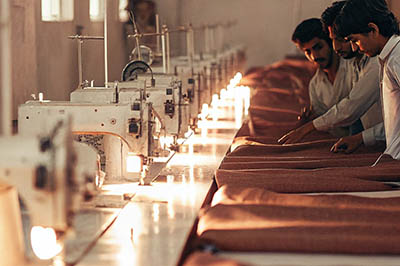
In Pakistan, the clothing industry has flourished, blending traditional craftsmanship with modern techniques. This growth has positioned the country as a significant player in global apparel manufacturing.
Pakistan’s top clothing companies have earned international recognition for quality and innovation, contributing substantially to the economy.
Exploring these leading companies offers insight into Pakistan’s textile sector1 and its global impact.
Which Companies Lead Pakistan’s Clothing Industry?
Pakistan’s clothing industry is home to several prominent companies that have set benchmarks in quality and innovation.
Here are the top 10 clothing companies in Pakistan:
-
Nishat Mills Limited: Established in 1951, Nishat Mills is one of the largest vertically integrated textile companies in Pakistan, offering a wide range of products from spinning to stitching.
-
Gul Ahmed Textile Mills: Founded in 1953, Gul Ahmed is renowned for its high-quality fabrics and a strong retail presence under the brand "Ideas by Gul Ahmed."
-
Khaadi: Launched in 1998, Khaadi specializes in hand-woven fabrics and has expanded internationally, blending traditional techniques with contemporary designs.
-
Sapphire Textile Mills: Known for its premium quality fabrics and a popular retail brand, Sapphire has made significant strides in both local and international markets.
-
ChenOne: A subsidiary of Chenab Group, ChenOne offers a diverse range of products, including apparel and home textiles, catering to various market segments.
-
Alkaram Textile Mills: Established in 1986, Alkaram provides innovative textile solutions and has a strong retail presence with its brand "Alkaram Studio."
-
Interloop Limited: Starting in 1992, Interloop has grown into one of the world’s largest hosiery manufacturers, supplying major global brands.
-
Artistic Milliners: A leading denim manufacturer, Artistic Milliners is known for its commitment to sustainability2 and innovation in denim production.
-
Sana Safinaz: Founded in 1989, Sana Safinaz is a high-end fashion retailer offering a wide range of clothing and accessories.
-
Bareeze: Known for its exquisite embroidered fabrics, Bareeze has been a household name in Pakistan for decades.
These companies have played pivotal roles in elevating Pakistan’s status in the global textile and apparel industry.

How Have These Companies Impacted Pakistan’s Economy?
The contributions of these top clothing companies extend beyond fashion; they have significantly impacted Pakistan’s economy.
Collectively, these companies have:
-
Employment Generation: Created thousands of jobs, supporting livelihoods and reducing unemployment.
-
Export Earnings: Boosted foreign exchange earnings through substantial exports to global markets.
-
Technological Advancement: Introduced modern technologies, enhancing productivity and competitiveness.
-
Brand Pakistan: Strengthened the country’s image as a quality textile and apparel producer.
For instance, Nishat Mills and Gul Ahmed have extensive export networks, reaching markets in Europe, North America, and beyond. Their success stories inspire other local businesses to aim for international standards.
What Challenges Do These Companies Face?
Despite their success, these leading clothing companies encounter several challenges.
Key challenges include:
-
Energy Crisis: Frequent power shortages increase production costs and disrupt operations.
-
Global Competition: Competing with countries like China and Bangladesh that offer lower production costs.
-
Compliance Standards: Meeting international labor and environmental standards requires continuous investment.
-
Currency Fluctuations: Volatility in exchange rates can affect profit margins, especially for export-oriented businesses.
Addressing these challenges necessitates strategic planning, government support, and continuous innovation.

How Are These Companies Embracing Sustainability?
Sustainability has become a focal point for many of Pakistan’s top clothing companies3.
Notable initiatives include:
-
Artistic Milliners: Invested in renewable energy and water conservation, aiming for eco-friendly denim production.
-
Interloop Limited: Implemented sustainable practices in manufacturing processes, focusing on reducing carbon footprints.
-
Gul Ahmed: Launched eco-friendly product lines and adopted green manufacturing technologies.
These efforts align with global trends towards sustainability and enhance the companies’ reputations among environmentally conscious consumers.
Conclusion
Pakistan’s top clothing companies have not only showcased the country’s rich textile heritage but have also adapted to modern demands, achieving excellence in quality and sustainability. Their contributions continue to bolster the economy and position Pakistan as a key player in the global apparel industry.
-
Learn about the significant contributions of Pakistan’s textile sector to the economy and its role in global markets. ↩
-
Explore how Pakistani clothing companies are adopting sustainable practices to enhance their reputation and meet global standards. ↩
-
Discover the top clothing companies in Pakistan that are setting benchmarks in quality and innovation, contributing to the economy. ↩