Skip to content
Compression shorts are known for providing muscle support, improving circulation, and enhancing performance. But what are the negatives of compression shorts?
The negatives of compression shorts include discomfort from tightness, restricted movement1 if too tight, skin irritation, potential digestive issues, and higher costs.
While they offer many benefits, understanding the downsides helps you make an informed decision. Let’s explore the potential disadvantages of wearing compression shorts and how to avoid them.
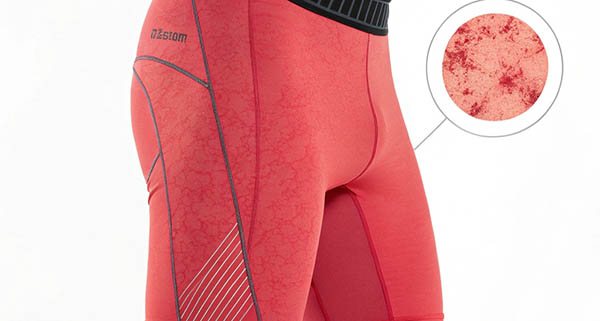
Can compression shorts cause discomfort?
Yes, compression shorts can cause discomfort if they are too tight or not fitted properly.
Compression shorts are designed to be snug, but overly tight shorts can feel restrictive, causing discomfort, pressure, and even pain.
This can lead to irritation, restricted movement, and distractions during workouts.
Why Compression Shorts Can Be Uncomfortable
- Tight Fit and Pressure: Excessive compression can create pressure on muscles and nerves, causing discomfort or pain.
- Restricted Movement: If too tight, they can limit flexibility and range of motion.
- Chafing and Irritation: Tight seams or fabric friction can cause chafing and irritation.
- Heat Buildup: Tight, synthetic fabrics can trap heat and moisture, leading to discomfort.
- Feeling of Restriction: Some people find the snug fit uncomfortable and restrictive.
To avoid discomfort, choose the right size and compression level. Compression shorts should be snug but not overly tight or restrictive.
Can compression shorts restrict movement?
Yes, compression shorts can restrict movement if they are too tight or improperly fitted.
While compression shorts are designed to provide support and enhance mobility, excessively tight shorts can restrict movement and flexibility.
This can limit performance and cause discomfort during dynamic activities.
How Compression Shorts Restrict Movement
- Excessive Tightness: Overly tight shorts restrict muscle movement and joint flexibility.
- Limited Stretch and Flexibility: Poor-quality compression fabric may not stretch adequately, restricting motion.
- Improper Fit: Shorts that are too small or improperly sized can hinder movement and cause discomfort.
- Restricted Blood Flow: Excessive compression may restrict blood flow, leading to muscle fatigue and cramps.
To avoid restricted movement, choose high-quality compression shorts with 4-way stretch fabric and the right level of compression. Ensure they provide support without restricting flexibility.

Can compression shorts cause skin irritation?
Yes, compression shorts can cause skin irritation2, chafing, and rashes, especially if worn for long periods or during intense activities.
Tight, synthetic fabrics can trap sweat and heat, causing friction against the skin. This can lead to chafing, irritation, and even allergic reactions in sensitive skin.
Choosing the right fabric and fit helps prevent skin issues.
Why Compression Shorts Cause Skin Irritation
- Tight Fit and Friction: Constant friction against the skin can cause chafing and irritation.
- Synthetic Fabrics: Polyester and nylon can trap heat and moisture, causing irritation or rashes.
- Allergic Reactions: Some people are sensitive to synthetic fibers or dyes used in compression shorts.
- Sweat and Moisture Buildup: Accumulated sweat can cause irritation, itching, and discomfort.
- Poor Ventilation: Tight, non-breathable fabrics trap heat and moisture, leading to skin issues.
To prevent skin irritation, choose moisture-wicking, breathable fabrics like nylon-spandex blends. Opt for seamless designs or flatlock seams to minimize friction and chafing.
Can compression shorts cause digestive issues?
Yes, wearing overly tight compression shorts can cause digestive issues3, including abdominal discomfort and acid reflux.
Tight compression around the waist and abdomen can put pressure on the stomach, interfering with digestion and causing discomfort.
This can lead to bloating, indigestion, and acid reflux, especially after meals.
How Compression Shorts Affect Digestion
- Abdominal Pressure: Tight compression around the waist can put pressure on the stomach and intestines.
- Restricted Digestion: Pressure on the digestive tract can slow down digestion, causing bloating and discomfort.
- Acid Reflux and Heartburn: Compression on the stomach can push stomach acid upward, leading to acid reflux or heartburn.
- Disrupted Bowel Movements: Prolonged pressure can affect bowel movements and cause constipation.
To avoid digestive issues, choose compression shorts with a comfortable waistband that doesn’t press tightly on the abdomen. Avoid wearing them immediately after meals or for extended periods.

Do compression shorts cause circulation problems?
Compression shorts are designed to improve circulation, but excessively tight shorts can have the opposite effect.
Overly tight compression shorts can restrict blood flow, causing numbness, tingling, or muscle cramps.
This is more likely if the shorts are too small or have excessively high compression levels.
Why Overly Tight Shorts Affect Circulation
- Restricted Blood Flow: Excessive compression restricts blood flow to the muscles and lower body.
- Numbness and Tingling: Poor circulation can cause numbness, tingling, or a “pins and needles” sensation.
- Muscle Cramps and Fatigue: Reduced blood flow leads to muscle cramps, fatigue, and decreased performance.
- Varicose Veins and Swelling: Long-term restricted circulation can contribute to varicose veins and swelling.
To avoid circulation problems, choose the right compression level for your activity. Compression shorts should provide gentle pressure without restricting blood flow or causing discomfort.
Can compression shorts be uncomfortable in hot weather?
Yes, compression shorts can feel uncomfortable in hot and humid weather due to their tight fit and synthetic fabrics.
Polyester and nylon blends can trap heat and moisture, leading to discomfort, overheating, and irritation.
This is especially true during high-intensity workouts or outdoor activities in hot climates.
Why Compression Shorts Feel Uncomfortable in Heat
- Heat Retention: Synthetic fabrics trap body heat, causing discomfort and overheating.
- Moisture Buildup: Tight, non-breathable fabrics can trap sweat, leading to irritation.
- Chafing and Friction: Moisture buildup increases friction, causing chafing and discomfort.
- Reduced Ventilation: Tight fit and synthetic fabrics reduce airflow and ventilation.
To stay comfortable in hot weather, choose moisture-wicking, breathable fabrics like nylon-spandex blends with mesh panels for ventilation. Avoid thick, heavy fabrics that trap heat.
Are compression shorts expensive?
Yes, compression shorts are generally more expensive than regular athletic shorts due to high-quality materials and advanced technology.
They are made from technical fabrics like spandex and nylon blends with moisture-wicking, anti-odor, and graduated compression technology.
The complex manufacturing process and brand reputation also contribute to the higher cost.
Why Compression Shorts are Expensive
- High-Performance Materials: Spandex and nylon blends are expensive due to their stretch, durability, and moisture-wicking properties.
- Advanced Fabric Technology: Includes anti-odor, moisture-wicking, and UV protection features.
- Complex Manufacturing Process: Requires precise construction for graduated compression and flatlock seams.
- Brand Reputation and Marketing: Premium brands charge more for quality, design, and brand value.
- Research and Development Costs: Advanced technology and design require extensive research and testing.
While expensive, high-quality compression shorts provide durability, performance, and comfort. Budget-friendly options are available, but they may lack advanced features and durability.
Conclusion
Compression shorts offer many benefits, but they also have some negatives, including discomfort, restricted movement, skin irritation, digestive issues, circulation problems, heat retention, and higher costs.
To minimize the negatives, choose the right size, compression level, and moisture-wicking, breathable fabrics. Look for flatlock seams, comfortable waistbands, and ventilation features.
Compression shorts are a valuable investment for performance and recovery, but they’re not suitable for everyone or every situation. Choosing the right pair ensures comfort, support, and maximum performance.
-
Exploring how compression shorts can limit movement will help you select the best fit for your activities and enhance your performance. ↩
-
Understanding the causes of skin irritation can help you choose the right compression shorts and avoid discomfort during workouts. ↩
-
Learning about the potential digestive issues caused by compression shorts can guide you in making informed choices for comfort and health. ↩