When I first got into clothing production, I was surprised by how much more it cost than just sourcing fabric and labor. The true price of apparel includes many hidden costs that can easily add up.
Hidden costs in clothing production1 are often overlooked, but they play a crucial role in determining the final cost of each garment. From material sourcing to shipping delays, understanding these factors helps you make informed decisions and manage your budget effectively.
The initial price you pay for manufacturing can be deceiving. Let’s explore the various hidden costs that can significantly impact your clothing production budget.
How Do Materials and Fabric Costs Impact Your Clothing Production Budget?
At first, I focused mainly on the basic costs of materials, but I quickly learned how fabric quality, sourcing, and sustainability initiatives could dramatically affect my production budget.
Material and fabric costs are some of the most significant hidden expenses in clothing production. The type of fabric, quality, and sourcing location all contribute to these costs.
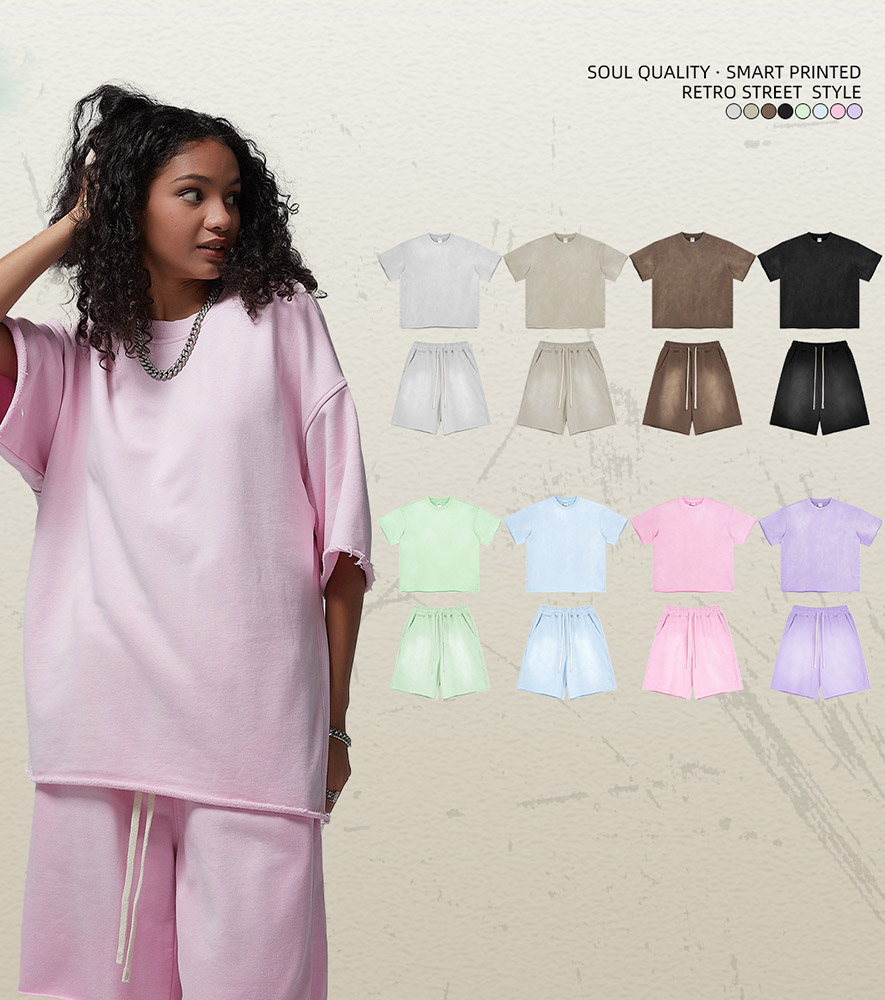
 Fabric and color selection
What Is the Real Cost of Sourcing High-Quality Fabrics?
Sourcing high-quality fabrics can significantly drive up costs due to the premium prices of raw materials, production processes, and suppliers’ markup.
High-quality fabrics2 such as silk, wool, or premium cotton require more meticulous sourcing and manufacturing, which means higher costs for production. These costs can be passed down to the buyer or spread over the final product price.
How Do Sustainable and Eco-Friendly Fabrics Affect Your Bottom Line?
Sustainable fabrics like organic cotton, hemp, or recycled polyester often come with a higher price tag. While they help your brand stand out in terms of ethics, they can increase your production costs due to sourcing challenges and environmentally-conscious production methods.
| Fabric Type | Cost Impact | Environmental Impact |
|---|---|---|
| Premium Fabrics | High | High resource use, often non-sustainable |
| Sustainable Fabrics | Moderate to High | Lower impact, but requires careful sourcing |
| Standard Fabrics | Low | Can have a higher environmental footprint |
What Role Do Labor Costs Play in Clothing Production Expenses?
Labor costs can be tricky — while low wages may reduce initial expenses, poor labor conditions can lead to long-term costs and ethical concerns.
Labor costs play a significant role in determining the overall production price. In countries with low wages, production may seem cheap, but workers’ conditions and the legal framework around labor can affect final costs.
How Do Wages and Working Conditions Influence the Overall Production Cost?
When labor wages are low, manufacturers may offer cheap prices initially. However, poor working conditions, low wages, and high turnover rates can lead to inefficiencies and product defects, adding hidden costs to production.
Countries with higher labor standards may initially have higher costs but ensure better productivity and fewer issues in the long term, which saves money in quality control and returns.

Are Labor Costs in Overseas Manufacturing Always Cheaper?
While countries like China, Bangladesh, and India are often perceived as cheap labor hubs, wages have been increasing in these regions. Additionally, some smaller nations with emerging economies may offer even cheaper labor but with less experience or infrastructure.
| Country | Labor Cost | Notes |
|---|---|---|
| China | Moderate | Increasing labor costs, highly efficient |
| Bangladesh | Very Low | Risk of inefficiencies and delays |
| India | Low to Moderate | Diverse workforce with varying labor standards |
How Do Shipping and Logistics Add to the Cost of Clothing Production?
Shipping and logistics are one of the most significant hidden costs. Initially, I didn’t factor in delays, tariffs, and freight charges, and that was a mistake.
Shipping and logistics costs can quickly inflate production expenses. Shipping fees, customs duties, and delays are often not considered upfront, but they can add a significant percentage to the total cost of production.
What Are the Hidden Costs of International Shipping for Apparel?
Shipping charges vary based on the volume of production, distance, and speed of delivery. Overseas shipping from countries like China or Bangladesh often seems cheaper, but the hidden fees such as customs duties or taxes can quickly add up.
Shipping delays and extra tariffs can result in unexpected costs, especially when goods need to be expedited to meet deadlines or fulfill seasonal demands.
How Can Shipping Delays and Tariffs Increase Your Expenses?
Shipping delays and tariffs can lead to higher inventory holding costs and missed sales opportunities. Delays can also affect the timing of seasonal product launches, which could ultimately hurt your sales.
| Cost Factor | Impact on Cost | Example |
|---|---|---|
| Shipping Charges | Increases total costs | Higher costs for bulk or expedited shipping |
| Tariffs | Significant impact | Additional duties added to import costs |
| Delays | Higher inventory and holding costs | Increased storage costs due to delays in arrival |
What Are the Additional Costs of Sampling and Prototyping Clothing?
I soon realized that sampling and prototyping weren’t just extra steps, but major cost drivers. Every sample added a layer to the true cost of production.
Sampling and prototyping are vital steps in apparel production, but they can come with high hidden costs. The process of developing a sample and testing it before mass production can add up.
How Do Sample Fees Vary Across Different Manufacturers?
Sample fees can range greatly depending on the manufacturer, the complexity of the design, and the number of revisions required. Some manufacturers charge for samples upfront, while others may include it in the final bulk order cost.
The more complex the design, the higher the sample fee, especially if the sample requires unique materials or advanced techniques.
What Are the Risks of Overlooking Sample Development Costs?
Skipping or overlooking sample development may seem like a way to save money upfront, but it can lead to serious problems later on. Without proper sample development, you risk poor-quality products, sizing errors, or defects that can lead to costly returns and damaged brand reputation.
| Factor | Impact on Cost | Example |
|---|---|---|
| Sample Fees | Adds upfront costs | Varies by complexity, number of samples |
| Prototyping Costs | Increases overall production cost | Complex designs or materials can raise fees |
How Do Quality Control and Compliance Factors Affect Clothing Production Costs?
Quality control was something I didn’t realize could add up so quickly. But it’s essential for maintaining a brand’s reputation and avoiding costly mistakes.

Quality control (QC) and compliance with industry standards can add considerable hidden costs to clothing production, but they are necessary to maintain the integrity of your brand.
What Are the Costs of Ensuring Quality and Compliance with Industry Standards?
Ensuring that products meet international standards, such as ISO certifications or environmental compliance, adds both time and costs to the production process. These costs include testing, inspection, and certification fees.
Neglecting proper QC can result in defective products, returns, or even legal issues, all of which could be more costly in the long run.
How Can Failing to Meet Standards Lead to Unexpected Costs?
Failing to meet quality standards can result in costly returns, fines, and damage to your reputation. In some cases, it may also require re-manufacturing products or replacing defective ones, which can hurt your bottom line.
| QC Factor | Hidden Cost | Example |
|---|---|---|
| Testing & Inspections | Adds costs upfront | Costs for lab tests or compliance audits |
| Non-compliance | Significant unexpected costs | Recalls, returns, and fines for substandard products |
How Do Marketing and Distribution Costs Impact Clothing Production?
When I first calculated the cost of production, I didn’t factor in the costs of getting the clothes into customers’ hands. But marketing and distribution can become major expenses.
Marketing and distribution costs can be hidden expenses that significantly increase the overall cost of production. The costs of advertising, branding, and packaging can sometimes exceed the production costs themselves.
What Are the Hidden Costs of Branding and Packaging Your Clothes?
Branding and packaging are crucial for creating a strong brand identity, but they can also be costly. High-quality packaging materials, custom designs, and labels can quickly add to the overall cost of the garment.
Packaging costs can escalate quickly, especially if you want eco-friendly or custom-designed packaging.
How Do Distribution and Retail Fees Add to Your Clothing Production Expenses?
Distribution costs, including warehousing, retail margins, and shipping to stores, are often not considered when calculating production costs. These fees can add up depending on where you sell your products and how they are delivered.
| Cost Factor | Impact on Cost | Example |
|---|---|---|
| Packaging | Increases total cost | Custom packaging for branding |
| Distribution | Significant impact | Shipping to retailers or warehouses |
Conclusion
The true cost of clothing production is often hidden in various factors, from fabric selection to shipping and marketing. Understanding these costs early on can help you make informed decisions that balance quality and budget, ensuring the success of your brand.