Skip to content
Hemp clothing has gained popularity as a sustainable alternative to traditional fabrics. It’s durable, eco-friendly, and breathable. But is it perfect? Not quite.
The main disadvantages of hemp clothing include its rough texture1, susceptibility to wrinkles, limited color variety2, higher cost3, and potential shrinkage. These factors affect comfort, maintenance, and affordability.
Despite its sustainability, hemp has drawbacks that might make it less appealing for some consumers. Let’s explore these disadvantages in detail.
Why Does Hemp Clothing Feel Rougher Than Other Fabrics?
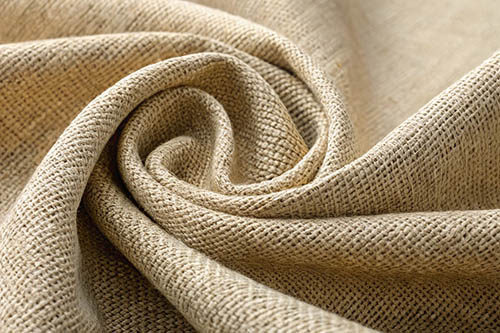
Hemp fibers are naturally coarse, which impacts the fabric’s feel.
Hemp clothing often has a rougher texture than cotton or synthetic fabrics, especially when new. While it softens over time, some people find it uncomfortable at first.
The roughness of hemp fabric is due to its strong, thick fibers. Let’s explore why this happens:
1. Natural Fiber Structure
Hemp fibers have a stiff and coarse texture, which makes the fabric feel less smooth than cotton.
2. Limited Chemical Softening
Many fabrics undergo chemical treatments to enhance softness. Since hemp is marketed as eco-friendly, fewer chemical treatments are used, leaving the fabric in its natural state.
3. Softens with Wear
Repeated washing and wearing gradually soften hemp clothing. However, for those seeking instant comfort, this may be a drawback.
Why Does Hemp Clothing Wrinkle Easily?
Hemp lacks elasticity, making it prone to wrinkles.
Hemp clothing wrinkles more than cotton or synthetic fabrics because the fibers have little natural stretch. Proper ironing or steaming is often required to maintain a smooth appearance.
Wrinkling is a major concern for people who prefer low-maintenance fabrics. Here’s why hemp wrinkles so much:
1. Rigid Fiber Composition
Hemp fibers are firm and lack elasticity. Unlike synthetic fabrics that spring back into shape, hemp fibers crease easily.
2. Absorbs Moisture
Hemp readily absorbs moisture from the air, which can cause additional creasing. Humid environments often worsen wrinkles.
3. Requires Frequent Ironing
Hemp clothing needs regular ironing or steaming to maintain a polished look. For those who dislike high-maintenance fabrics, this is a downside.

Why Does Hemp Clothing Have Limited Color Options?
Hemp fabric resists dye absorption, affecting color variety.
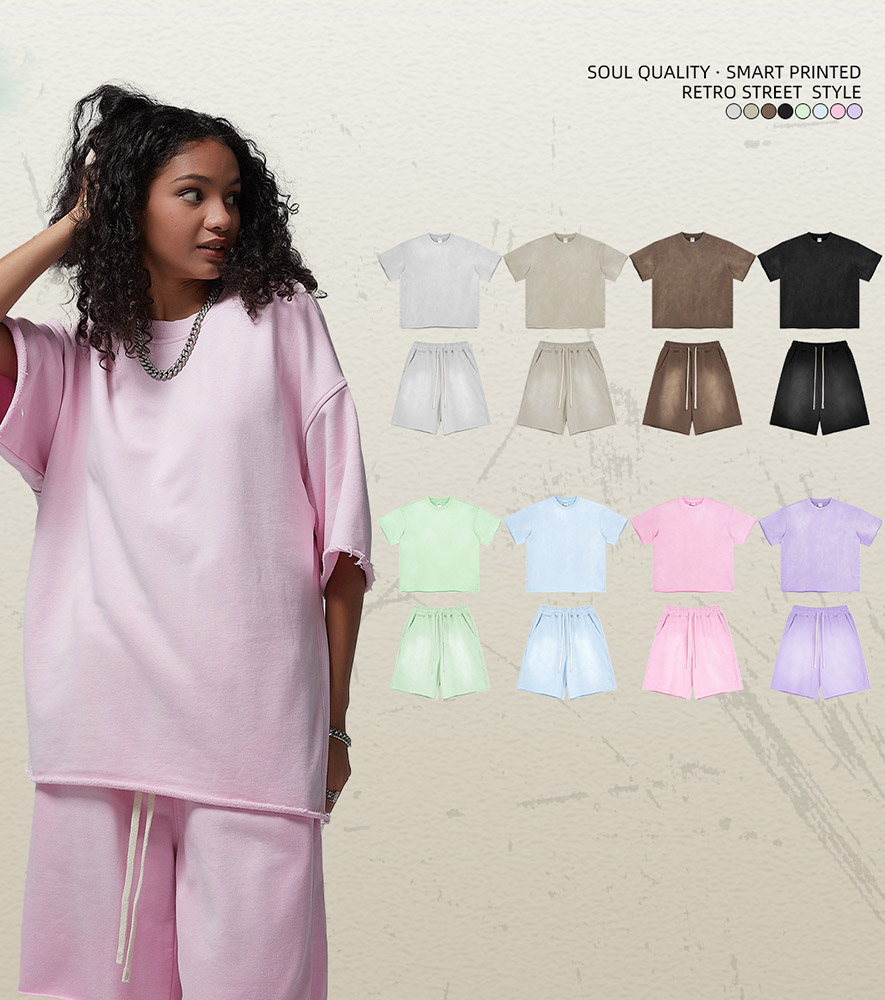
Hemp clothing is available in fewer colors compared to cotton or synthetics because hemp fibers struggle to retain vibrant dyes, resulting in muted tones.
Color variety is an important factor for many consumers. Hemp’s dye limitations stem from:
1. Low Dye Retention
Hemp fibers do not absorb synthetic dyes as effectively as cotton, leading to softer, more muted shades.
2. Preference for Natural Dyes
Many hemp clothing brands use eco-friendly, plant-based dyes, which offer fewer color options than chemical dyes.
3. Faster Color Fading
Even when dyed, hemp fabric tends to fade faster than polyester or treated cotton. Sun exposure speeds up this process.
| Fabric Type | Color Absorption | Fade Resistance |
|---|---|---|
| Hemp | Low | Moderate |
| Cotton | High | Moderate |
| Polyester | High | High |
Why Is Hemp Clothing More Expensive?
Sustainability comes at a price, and hemp clothing is no exception.
Hemp clothing costs more than cotton or polyester due to limited production, labor-intensive processing, and sustainable farming practices.
Hemp’s high price results from several key factors:
1. Limited Global Production
Hemp cultivation is still relatively small-scale compared to cotton. This limited supply keeps prices high.
2. Labor-Intensive Processing
Turning hemp plants into soft, wearable fabric involves multiple steps, including retting, decorticating, and weaving, all of which require time and labor.
3. Eco-Friendly Certification Costs
Many hemp brands prioritize organic and fair trade certifications, which add to production costs.
| Cost Factor | Hemp Clothing | Cotton Clothing | Synthetic Clothing |
|---|---|---|---|
| Production Cost | High | Medium | Low |
| Labor Intensity | High | Medium | Low |
| Sustainability | High | Low | Very Low |
Does Hemp Clothing Shrink?
Like most natural fabrics, hemp is prone to shrinkage.
Hemp clothing can shrink, especially when exposed to hot water or high heat drying. Proper care can help minimize size reduction.
Hemp shrinkage happens for the following reasons:
1. Fiber Contraction in Heat
Hot water and high-heat drying cause hemp fibers to contract, leading to shrinkage.
2. Initial Wash Shrinkage
Most hemp garments shrink the most after the first wash, typically around 5-10%. Pre-shrunk hemp fabrics experience less reduction in size.
3. Prevention Tips
To prevent shrinkage, wash hemp clothing in cold water and air dry instead of using a dryer.
Is Hemp Clothing Less Stretchy Than Other Fabrics?
Hemp lacks natural elasticity, which affects fit and movement.
Hemp clothing is less stretchy than cotton or synthetic fabrics, making it feel more rigid and structured. Blended fabrics offer more flexibility.
Why does hemp have low elasticity?
1. Rigid Fiber Structure
Hemp fibers are naturally stiff, unlike cotton, which has a softer, more flexible structure.
2. No Synthetic Stretch Materials
Unlike polyester or spandex, hemp does not have built-in elasticity. It retains its shape well but lacks flexibility.
3. Stretch Improves Over Time
Hemp fabric softens and loosens slightly with wear, but it will never be as stretchy as elastic-based fabrics.
| Fabric Type | Stretchability | Fit Adaptability |
|---|---|---|
| Hemp | Low | Moderate |
| Cotton | Medium | High |
| Spandex | Very High | Very High |
Can Hemp Clothing Develop Mold and Mildew?
Hemp absorbs moisture, making mold a potential issue.
Hemp clothing can develop mold or mildew if stored damp or in humid conditions. Proper drying and ventilation prevent this problem.
To prevent mold growth:
1. Always Dry Completely
Never store hemp clothing while damp. Air dry thoroughly before folding or hanging.
2. Store in a Dry, Ventilated Area
Avoid plastic storage bags that trap moisture. Use breathable fabric bags instead.
3. Use Natural Deodorizers
Baking soda or activated charcoal can help absorb excess moisture in storage spaces.
Conclusion
Hemp clothing offers sustainability and durability, but it comes with drawbacks. Rough texture, wrinkling, high cost, shrinkage, limited color options, and mold risks may make it less appealing for some consumers. However, with proper care and processing advancements, hemp remains a promising eco-friendly fabric for conscious shoppers.
-
Understanding the reasons behind hemp’s rough texture can help you decide if it’s the right fabric for you. ↩
-
Explore the factors affecting hemp’s color variety to make informed choices about your wardrobe. ↩
-
Learn about the reasons behind the higher cost of hemp clothing to understand its value and sustainability. ↩