You’ve got a design in mind and a brand to build—but how do you bring that T-shirt to life? With so many printing methods out there, choosing the right one feels overwhelming.
The main methods of custom T-shirt printing are screen printing1, digital printing2, heat transfer, sublimation3, DTG (Direct-to-Garment), and embroidery—each suited for different fabric types, order volumes, and design details.
When I started sourcing for my first custom T-shirt line, I made the mistake of picking the wrong method—it cost me money and time. Let me help you avoid that.
Screen Printing vs. Digital Printing: Which Is Better for Custom T-Shirts?
These are the two giants in the printing world. Each has its strengths—but one may suit your project better than the other.
Screen printing is ideal for bulk orders and bold designs, while digital printing excels at detailed, colorful graphics on small runs.
 Screen Printing
How does screen printing work and when is it most effective?
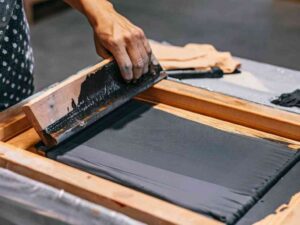
Screen printing pushes ink through stencils (screens) onto fabric, making it perfect for bold logos or high-volume orders where cost-per-unit drops significantly.
It uses separate screens for each color, which makes it labor-intensive upfront—but very efficient for 100+ piece runs. It’s best for cotton fabrics and flat surfaces.
✅ Pros & Cons of Screen Printing
| Pros | Cons |
|---|---|
| Cost-effective for bulk | Not suitable for small runs |
| Durable and vibrant colors | Limited detail for complex art |
| Works well on cotton | Long setup time |
Is digital printing better for detailed or colorful T-shirt designs?
Yes—digital printing (DTG or DTF) is better for multicolor, photo-like graphics because it prints directly onto the fabric with no screen setup required.
Digital printing works best on light-colored garments and short runs. It’s excellent for prototypes or small brand launches.

Heat Transfer and Sublimation Printing: Are They Worth It?
These two are often confused—but they serve very different use cases.
Heat transfer printing is versatile and simple for small custom orders; sublimation is excellent for all-over prints on synthetic fabrics.
What’s the difference between heat transfer and sublimation printing?
Heat transfer prints a design onto transfer paper and then presses it onto fabric using heat; sublimation uses heat to turn dye into gas, bonding it directly to polyester fibers.
Heat transfer is best for cotton or blends and suits smaller logos. Sublimation, on the other hand, embeds the design into the fabric, making it feel seamless and permanent.
🔍 Comparison Table
| Method | Best for | Pros | Cons |
|---|---|---|---|
| Heat Transfer | Cotton, blended fabrics | Easy setup, low MOQ | May peel/crack over time |
| Sublimation | 100% polyester | Vivid, long-lasting prints | Only works on light poly |
Which method is best for polyester or synthetic fabrics?
Sublimation is the best option for synthetic fabrics like polyester because it bonds the dye into the fiber itself, ensuring bright, long-lasting results.
Other methods may fade or peel when used on polyester, but sublimation holds up—even after dozens of washes.
DTG (Direct-to-Garment) Printing Explained
DTG is gaining popularity fast—and for good reason.
DTG printing uses inkjet technology to print full-color designs directly onto cotton T-shirts, ideal for short runs and intricate designs.
How does DTG printing compare to traditional methods?
DTG offers higher detail and zero setup time compared to screen printing, but it’s slower and more expensive per unit in large volumes.
Perfect for customized, on-demand printing businesses or small fashion labels testing new designs.

🧪 Use Cases for DTG
- Custom online stores (e.g., Etsy)
- Artist merchandise
- Influencer drops with limited quantities
Is DTG suitable for bulk custom T-shirt production?
Not really—DTG is slower than screen printing and becomes cost-inefficient above 50–100 pieces. For large orders, screen printing or DTF is better.
However, DTG is unmatched in design precision, especially on 100% cotton shirts.
Embroidery vs. Printing: Which Option Lasts Longer?
Sometimes, your logo needs more than just ink—it needs texture.
Embroidery is more durable and gives a premium feel, while printing offers flexibility in color and design complexity.
Should you choose embroidery for custom T-shirts?
Yes—if your design is a logo, monogram, or simple shape and you want a high-end, textured look.
Embroidery works well on thicker fabrics and polos but may not suit lightweight tees.
How do embroidery and printing differ in terms of texture and durability?
Embroidery raises the design off the fabric and lasts longer through washes; printing lies flat and may fade over time depending on the method used.
🧵 Texture & Durability Comparison
| Feature | Embroidery | Printing |
|---|---|---|
| Texture | 3D, raised | Flat |
| Durability | High (outlasts fabric) | Varies by method |
| Best For | Logos, text | Artwork, illustrations |
Conclusion
Each printing method comes with its own strengths. Whether you’re printing one shirt or one thousand, the best choice comes down to design, fabric, budget, and timing.
-
Explore the benefits of screen printing, especially for bulk orders, to make informed decisions for your T-shirt business. ↩
-
Learn about digital printing techniques and their advantages for detailed designs, perfect for small runs and prototypes. ↩
-
Discover the unique benefits of sublimation printing for vibrant, long-lasting designs on synthetic fabrics. ↩