Skip to content
Are you confused about how to define the perfect T-shirt style for your brand? Many brands underestimate how critical precise tailoring1 and structural elements are to style perception and fit, resulting in poor customer satisfaction and lower sales. How exactly do slim-fit, loose, oversized, and straight-cut styles differ structurally?
T-shirt styles—slim, loose, oversized, and straight—are defined by structural elements such as shoulder width, chest circumference, length, sleeve length, and hem shape. Each style uniquely fits specific body types and wearing scenarios, directly impacting comfort, visual proportion, and fashion positioning.
At Modaknits, mastering these subtle differences has significantly enhanced our customers’ satisfaction. Here’s my comprehensive guide to these essential T-shirt styles2.
How is the T-shirt style defined? Why does tailoring determine the style and the effect on the body?
T-shirt style is directly defined by tailoring, determining visual effects, wearing comfort, and how effectively a garment flatters the body.
T-shirt style results from precise tailoring choices including shoulder width, chest circumference, sleeve length, hemline, and overall proportion. These details directly impact how garments fit, flatter, and appeal to different body types and fashion preferences.
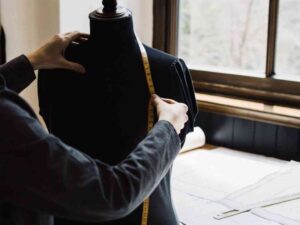
What structural elements does the "style" of a T-shirt include? How do shoulder width, chest circumference, length, and cuffs affect the overall look?
| Structural Element | Impact on Overall Look |
|---|---|
| Shoulder Width | Defines silhouette and structure |
| Chest Circumference | Determines fit and comfort |
| T-shirt Length | Influences visual proportion |
| Sleeve Length & Cuffs | Affect casual vs. formal style, and body proportion |
Clear control over these elements precisely defines the T-shirt’s style identity and fit.
Different body shapes are suitable for different tailoring? How to modify body shape shortcomings through the style?
| Body Shape | Recommended Style | Reason |
|---|---|---|
| Slim | Slim-fit | Enhances natural curves |
| Stocky | Straight or loose | Balances proportions |
| Tall | Oversized, straight | Creates balanced proportions |
| Petite | Slim or slightly loose | Avoid overwhelming body shape |
Carefully choosing styles helps customers accentuate strengths and hide weaknesses, directly enhancing satisfaction.
Slim-fit T-shirts: Design principles and suitable wearing scenarios for fitting curves
Slim-fit T-shirts closely follow body contours, emphasizing natural curves. Precise tailoring is crucial to comfort and visual appeal.
Slim-fit T-shirts feature narrower shoulders, fitted chest and waist, and slightly shorter sleeves. Elastic fabrics (cotton-spandex blends) are ideal. This style suits active lifestyles, athletic builds, and scenarios needing polished casual appearances.
What are the key points of tailoring slim-fit T-shirts? Which fabrics are more suitable for slim-fit styles?
| Key Tailoring Points | Fabric Recommendations |
|---|---|
| Narrow shoulders | Cotton-Spandex blend |
| Fitted chest & waist | Modal blends |
| Shorter sleeves | High-elasticity fabrics |
These tailored points and fabric choices ensure comfort and a flattering fit.
What kind of users will like slim-fit styles? Suitable for sports, daily life, or commuting?
- Ideal Users: Athletic, fit individuals, younger consumers, style-conscious groups.
- Suitable Scenarios: Gym wear, daily casual outings, workplace casual wear.
The difference between loose and straight T-shirts: Don’t confuse these two basic styles!
Many brands confuse "loose" and "straight" styles. Clear differences in structural tailoring separate these distinct styles significantly.
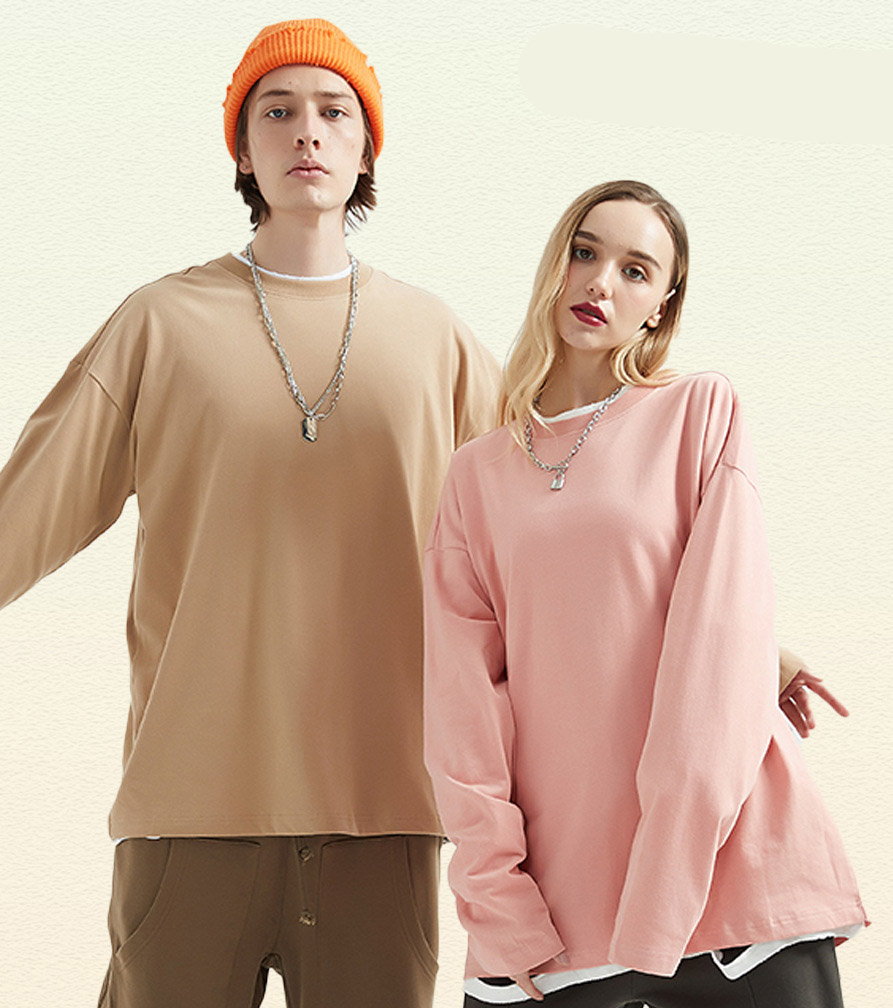
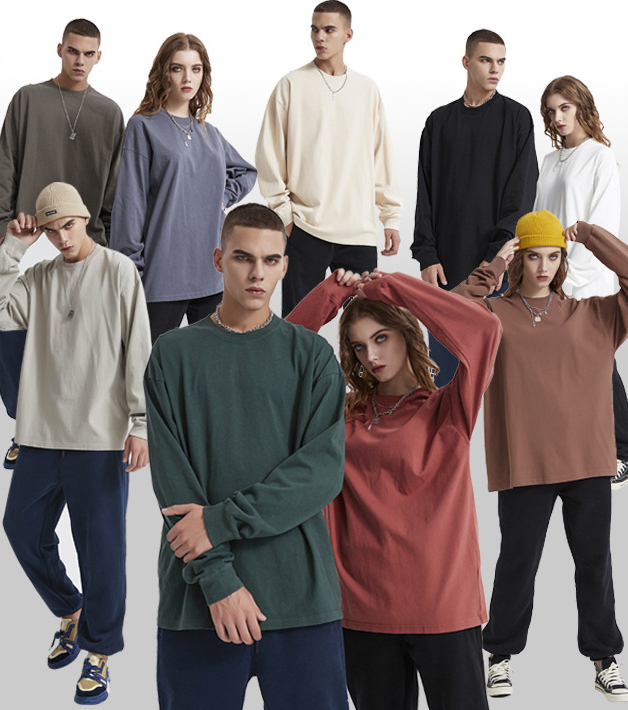
Loose T-shirts have wider chest measurements, dropped shoulders, and roomy sleeves for casual comfort. Straight-cut T-shirts maintain balanced proportions throughout, suitable for everyday versatile styling and various body types.

What are the structural characteristics of loose T-shirts? How to design the shoulder line and hem?
| Structural Feature | Loose T-shirt Design |
|---|---|
| Shoulder Line | Slightly dropped shoulder |
| Chest Width | Wider than standard measurement |
| Hemline | Slightly relaxed, straight cut |
These details clearly communicate comfort and casualness.
What body shape is suitable for straight T-shirts? Why is it the core of "all-match style"?
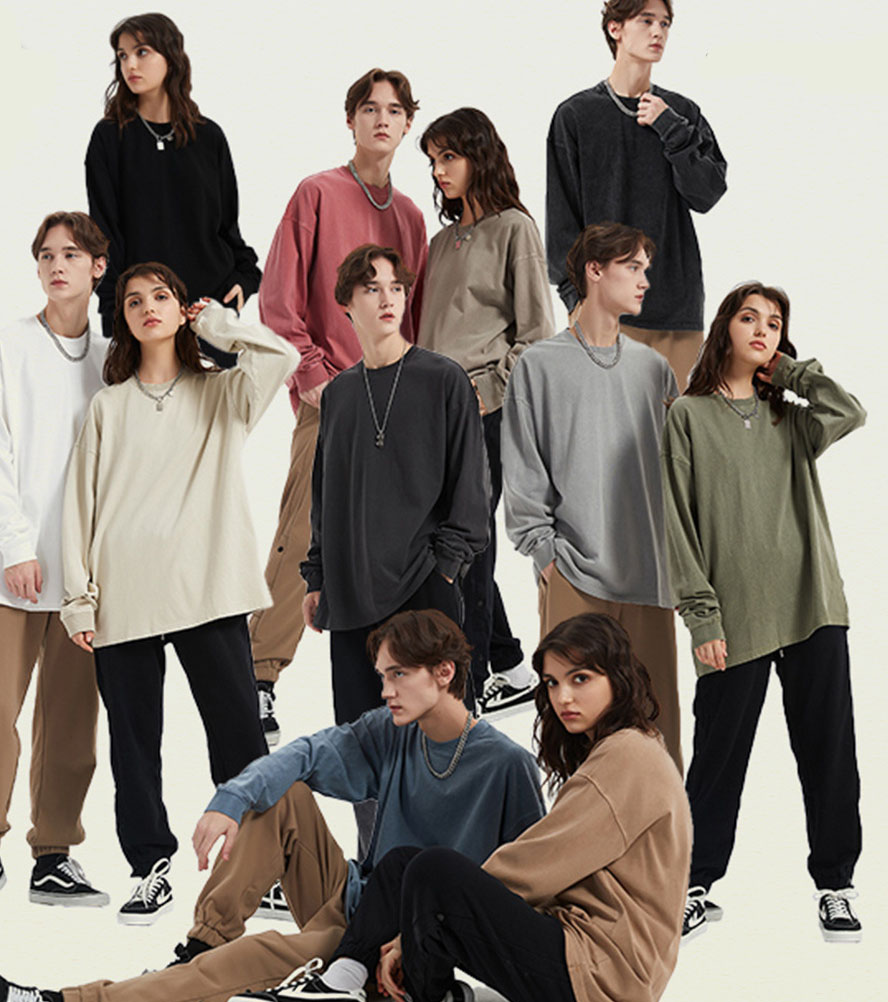
- Ideal Body Shapes: All shapes—especially balanced or stockier builds.
- Reason for Versatility: Neutral fit neither emphasizes nor hides the body, suitable for layering, various styling scenarios, and wide consumer acceptance.
Oversize T-shirts: It’s not as simple as “one size larger”, there is a fine tailoring logic behind it
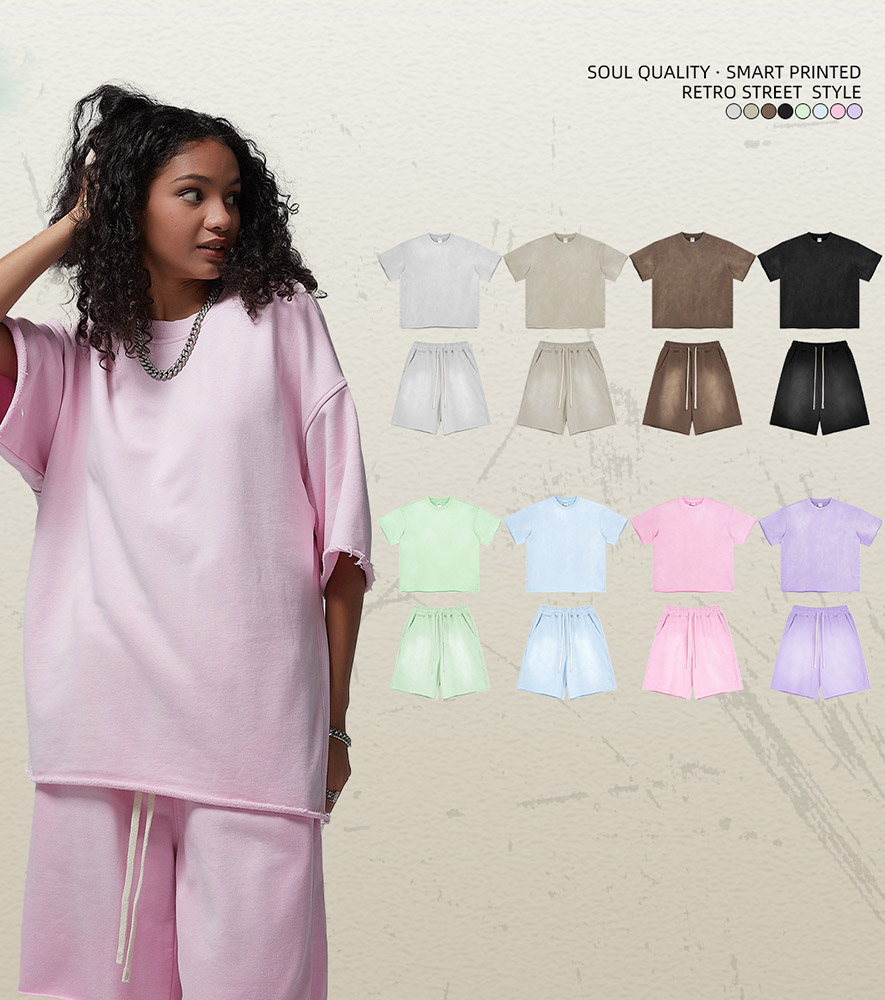
Oversized styles require careful tailoring beyond simply scaling up size. Clear attention to dropped shoulders, proportions, and overall length ensures stylish results.
Oversized styles feature intentionally exaggerated dropped shoulders, extended sleeves, and lengthened proportions. Precise adjustments prevent sloppy appearances, maintaining a fashionable, balanced silhouette popular among fashion-forward consumers.
Is there a particular way to control the proportion of oversize? How to design sleeve length, length of clothes, and dropped shoulders to look advanced?
| Element | Recommended Design |
|---|---|
| Dropped Shoulders | Moderate drop (4-8cm below shoulder line) |
| Sleeve Length | Mid to long sleeves (near elbow) |
| Overall Length | Slightly extended (mid-hip) |
These measured choices create fashionable proportions without overwhelming the body.
Why are street style/fashion brands keen on oversize? How is its market acceptance?
- Street Brands Preference: Strong visual identity, trend-driven aesthetics.
- Market Acceptance: High among younger demographics, Gen Z, urban and streetwear fashion enthusiasts.
How should brands make decisions when developing patterns? Fabrics, target groups, and style positioning are all indispensable
Accurate pattern development aligns fabrics, consumer profiles, and brand positioning clearly and cohesively.
Pattern development must clearly reflect target group preferences (age, style), fabric characteristics (drape, weight), and brand identity (streetwear, minimalism, luxury). Cohesive alignment ensures market acceptance and product consistency.

How to set the main pattern based on user portraits? What are the differences in preferences between Generation Z and 30+ users?
| User Group | Preferred Style | Key Preferences |
|---|---|---|
| Generation Z | Oversized, Loose | Trend-driven, comfort-focused |
| 30+ Users | Slim-fit, Straight | Balance between fit and comfort |
Clearly targeting these preferences aligns products with market demand.
Does the same pattern need to be fine-tuned according to the fabric? The impact of heavy feeling vs light drape on the pattern
Absolutely. Patterns require slight adjustments based on fabric characteristics:
- Heavier Fabrics: Slightly relaxed patterns, avoiding excessive tightness.
- Light, Draping Fabrics: More structured patterns, maintaining shape clearly.
Adjusting patterns ensures consistent, intended style and fit across different fabric types.
Conclusion
Clearly understanding and differentiating T-shirt styles—slim, loose, oversized, and straight—is vital for product success. Precise control of structural elements ensures appropriate fit, style appeal, and customer satisfaction. Tailoring choices must clearly align with body types, target audience preferences, and fabric characteristics, creating cohesive, highly marketable T-shirt products.