Skip to content
Fabric plays a crucial role in industries ranging from fashion to home textiles. But what do we call the companies that produce these materials?
Fabric manufacturers are commonly referred to as textile mills, fabric mills, or textile manufacturers. These companies process raw fibers into usable fabrics for clothing, upholstery, and industrial applications.
Let’s explore the different types of fabric manufacturers, their roles, and how the textile industry functions globally.
What Are the Different Types of Fabric Manufacturers?
Not all fabric manufacturers operate in the same way. So, what are the different types?
Fabric manufacturers fall into categories such as textile mills1, knitting mills, weaving mills, dyeing and finishing plants, and specialty fabric producers. Each plays a unique role in the textile industry.
Textile Mills
Textile mills are large-scale facilities where raw fibers (such as cotton, wool, polyester, or silk) are processed into fabric. These mills handle various stages of fabric production, from spinning fibers into yarn to weaving or knitting the final material.
Weaving Mills
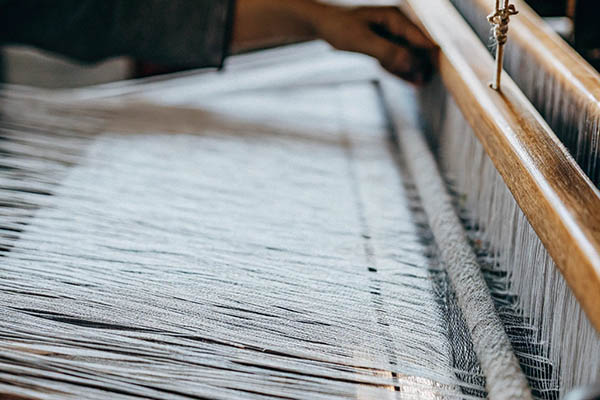
Weaving mills specialize in producing woven fabrics using looms. These manufacturers create textiles with structured patterns, such as denim, linen, and twill.
Knitting Mills
Knitting mills focus on producing knitted fabrics, which are softer and stretchier than woven materials. These fabrics are commonly used in activewear, T-shirts, and undergarments.
Dyeing and Finishing Plants
Once fabric is woven or knitted, it often goes through dyeing and finishing processes to add color, texture, and durability. These facilities ensure that the fabric meets the desired specifications before reaching manufacturers.
Specialty Fabric Manufacturers
Some companies specialize in technical textiles, including fire-resistant fabrics, waterproof materials, and medical-grade textiles. These manufacturers cater to niche markets, such as aerospace, healthcare, and sportswear.
How Do Fabric Manufacturers Produce Textile Materials?
Fabric production involves multiple steps. But what are the main processes?
The fabric manufacturing process includes fiber selection, spinning, weaving or knitting, dyeing, and finishing. Each step is essential for producing high-quality textiles.

Step 1: Fiber Selection
Manufacturers choose fibers based on the fabric’s intended use. Common fibers include:
- Natural fibers – Cotton, wool, silk, linen
- Synthetic fibers – Polyester, nylon, spandex
- Blended fibers – Cotton-polyester, wool-nylon
Step 2: Spinning
Raw fibers are spun into yarn through mechanical processes. This step determines the fabric’s strength, softness, and durability.
Step 3: Weaving or Knitting
- Weaving – Yarns are interlaced to create structured fabrics.
- Knitting – Yarns are looped together for elasticity and softness.
Step 4: Dyeing and Printing
Fabric is dyed in various colors or printed with designs using digital, screen, or block printing methods.
Step 5: Finishing
The final stage includes treatments like water resistance, anti-wrinkle coatings, and texture enhancements to improve performance and appearance.
Who Are the Largest Fabric Manufacturers in the World?
The textile industry is global, with key players in different regions. But which companies dominate?
Some of the largest fabric manufacturers2 include Luthai Textile (China), Reliance Industries (India), Toray Industries (Japan), and Milliken & Company (USA). These companies lead in innovation and production capacity.
Major Textile Producers by Country
| Country | Leading Fabric Manufacturers |
|---|---|
| China | Luthai Textile, Shandong Ruyi, Texhong Textile |
| India | Reliance Industries, Arvind Limited, Welspun India |
| USA | Milliken & Company, Parkdale Mills, Glen Raven |
| Japan | Toray Industries, Teijin Limited, Asahi Kasei |
| Italy | Albini Group, Loro Piana, Vitale Barberis Canonico |
These companies supply textiles for various industries, including fashion, automotive, and home décor.

How Do Fabric Manufacturers Impact the Fashion Industry?
The fashion industry depends on fabric manufacturers for material innovation and sustainability. But how do they influence trends?
Fabric manufacturers shape the fashion industry by developing new textiles, improving sustainability, and setting quality standards. Their innovations determine the look, feel, and function of modern clothing.
Textile Innovations
- Smart fabrics – Textiles with built-in technology, such as temperature regulation.
- Eco-friendly materials – Recycled polyester, organic cotton, and biodegradable fabrics.
- Performance textiles – Moisture-wicking and antibacterial fabrics used in sportswear.
Sustainability in Fabric Manufacturing
Many textile mills are adopting eco-friendly production methods, including:
- Waterless dyeing technology – Reduces chemical waste.
- Recycled fibers – Uses plastic waste to create sustainable fabrics.
- Ethical sourcing – Ensures fair wages and environmental responsibility.
What Are the Challenges Facing Fabric Manufacturers?
The textile industry faces obstacles that impact production and sustainability. But what are the biggest challenges?
Fabric manufacturers deal with rising raw material costs, supply chain disruptions, environmental concerns, and changing consumer demands.
Rising Raw Material Costs
Fluctuations in cotton, wool, and synthetic fiber prices affect manufacturing costs and profit margins.
Supply Chain Disruptions
Global events, such as pandemics and geopolitical tensions, cause delays in textile shipments and raw material availability.
Environmental Regulations
Governments are enforcing stricter regulations on water pollution, chemical waste, and carbon emissions, pushing manufacturers to adopt greener technologies.
Fast Fashion vs. Sustainability
While fast fashion brands demand cheap textiles, sustainable fashion movements push for ethical production, creating a conflict for fabric manufacturers.
How to Choose the Right Fabric Manufacturer for Your Business?
For clothing brands and designers, selecting the right fabric supplier is crucial. But what should you look for?
When choosing a fabric manufacturer, consider factors such as quality, sustainability, production capacity, and pricing.
Key Factors to Consider
| Factor | Why It’s Important |
|---|---|
| Quality Standards | Ensures fabrics meet durability and performance expectations. |
| Sustainability | Supports eco-friendly production and ethical sourcing. |
| Production Capacity | Matches your brand’s volume requirements. |
| Pricing | Balances affordability with material quality. |
| Lead Time | Affects delivery speed and inventory planning. |
Many brands work with textile mills that align with their values and product needs, ensuring a successful partnership.
Conclusion
Fabric manufacturers, also known as textile mills, play a critical role in clothing, home textiles, and industrial applications. From large-scale weaving mills to specialty textile producers, these companies shape the global fabric industry. As sustainability and innovation continue to evolve, fabric manufacturers are at the forefront of developing eco-friendly and high-performance textiles for the future.