Skip to content
Vintage never goes out of style. Custom vintage t-shirts1 bring the timeless look of the past into today’s streetwear, letting brands and individuals create shirts that feel aged, authentic, and personal.
Custom vintage t-shirts are garments designed with retro aesthetics—think faded prints, worn-in fabrics, and nostalgic designs. “Custom” means these shirts are tailored to your brand or idea, blending old-school visuals with modern craftsmanship.
But why do these shirts strike such a deep chord with today’s consumers, especially Gen Z and Millennials? Let’s uncover the emotional and cultural forces behind the vintage t-shirt boom.
Why Are Custom Vintage T-Shirts So Popular Among Younger Consumers?
From TikTok to fashion week, vintage t-shirts are everywhere. Their appeal runs deeper than looks—it taps into emotion, culture, and identity.
Custom vintage t-shirts resonate with Gen Z and Millennials because they mix nostalgia with self-expression. They connect past decades’ aesthetics with today’s personal style and cultural trends.
Why Gen Z & Millennials Love Vintage Tees
| Reason | Description |
|---|---|
| Nostalgia2 | They crave pieces that remind them of childhood or cultural icons. |
| Sustainability3 | Vintage styles feel more ethical and less wasteful. |
| Individualism | Custom designs allow personal and brand storytelling. |
| Cultural Revival | Y2K, 90s grunge, and 80s graphics are trending on social media. |
Gen Z grew up in a digital-first world, so retro fashion offers a tactile link to the analog past. It’s not just about style—it’s a statement. Vintage t-shirts evoke authenticity in an era of fast fashion. Millennials, who remember these eras, connect through shared cultural references.
Customization takes this further—brands can reference pop culture, remix retro graphics, or simulate 90s MTV vibes to instantly attract attention. Platforms like Instagram and Depop amplify these aesthetics, creating viral cycles of retro fashion every few months.
How Do Custom Vintage T-Shirts Add Value to a Brand?
A well-made vintage tee doesn’t just sell—it tells a story. Let’s look at how these designs build emotional and commercial value.
Custom vintage t-shirts add value by creating emotional resonance, enhancing brand identity with nostalgic aesthetics, and differentiating products in saturated markets.
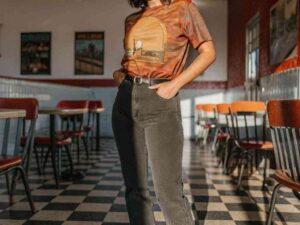 Retro Diner Style
How Vintage Details Build Brand Identity
| Feature | Branding Impact |
|---|---|
| Distressed Fabric | Communicates authenticity and a “lived-in” story |
| Retro Typography | Evokes specific eras and emotional responses |
| Faded Graphics | Adds uniqueness and memory triggers for consumers |
Think of Nike’s vintage-inspired collections or Harley-Davidson’s band-style merch tees. These brands use retro techniques to feel iconic. The “cracked ink” print and washed-out palette aren’t defects—they’re assets. They convey a history, even if the t-shirt is brand new.
Customers feel like they’re buying something meaningful, not just another SKU. Smaller brands can benefit even more—by designing vintage collections around micro-nostalgia (like 90s anime, old-school sports teams, or defunct soda brands), they create instant emotional hooks that boost word-of-mouth marketing and customer loyalty.
Which Fabrics and Techniques Work Best for Custom Vintage T-Shirts?
The right materials and techniques make or break a vintage t-shirt. Let’s break down what works and why.
Combed cotton, garment-dyed fabric, enzyme washing, and pigment dyes are key to achieving the soft feel and authentic vintage look in custom t-shirts.
Best Fabrics & Treatments for a Vintage Effect
| Fabric Type | Vintage Benefit |
|---|---|
| Combed Cotton | Soft, durable, perfect for worn-in feel |
| Ring-Spun Cotton | Adds texture and holds distressing well |
| Garment-Dyed Cotton | Creates subtle, uneven vintage color tones |
| Technique | Effect |
|---|---|
| Enzyme Washing | Breaks down fibers for a soft, aged texture |
| Pigment Dye | Fades over time for a retro look |
| Screen Printing | Ideal for distressed, cracked ink aesthetics |
| DTG (Direct to Garment) | Good for complex photo-style vintage prints |
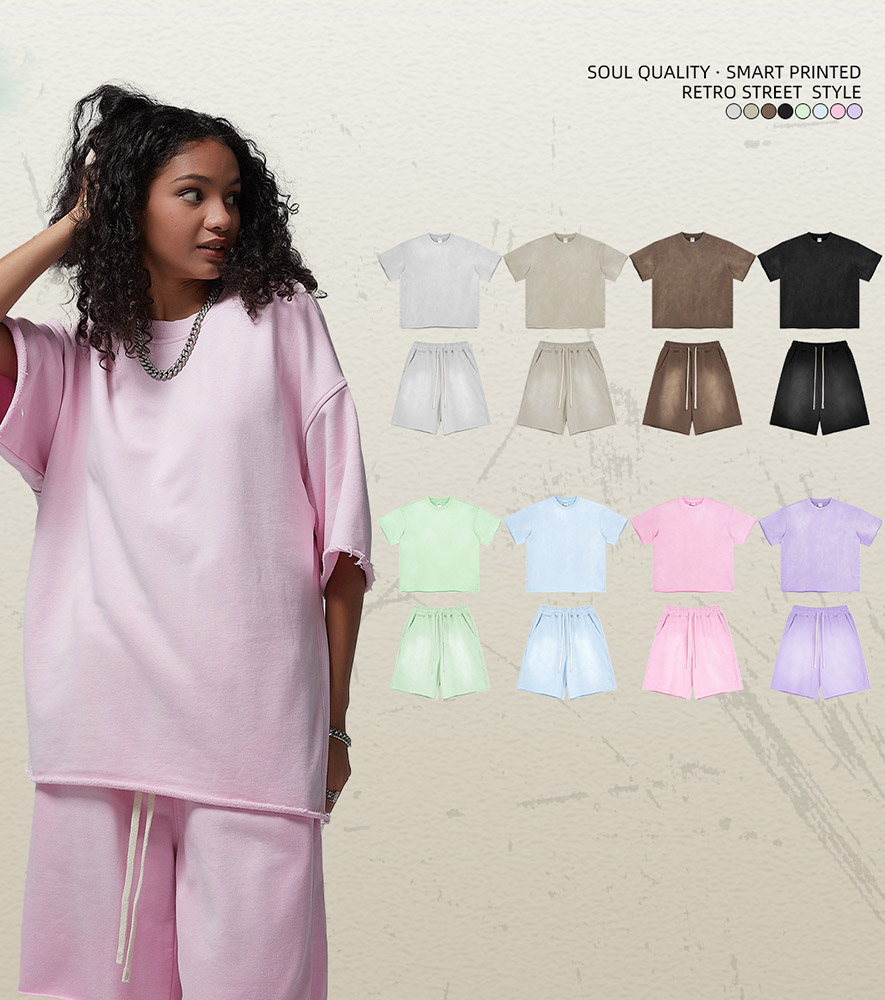
True vintage shirts often have a lived-in feel that’s hard to fake. That’s where garment-dyeing and enzyme washing come in—they soften the shirt and fade the color for a natural patina.
Pigment dye adds a washed-out hue that mimics age. For printing, screen printing with water-based inks offers that faded, crackled look seen in old band shirts. DTG is great if you want retro-style album covers or complex visuals. The goal is to look old, but feel premium.
How to Design a Custom Vintage T-Shirt That Sells?
Great design makes the difference between a tee that sells out—and one that sits on the shelf. Let’s explore how to hit the mark with your vintage concept.
Successful vintage t-shirt designs often draw inspiration from the 70s, 80s, and 90s. They use bold fonts, retro graphics, muted colors, and intentional distressing to feel nostalgic but relevant.

Design Elements That Scream "Vintage"
| Design Element | Why It Works |
|---|---|
| Retro Fonts | Typefaces like Cooper Black or Serif Gothic instantly feel old-school |
| Muted Colors | Faded red, mustard, navy, and washed black give a “worn-in” vibe |
| Distressed Effects | Cracks, fades, and irregular ink = realness |
Avoid overdoing it. A good vintage shirt feels effortless, not forced. Don’t rely only on Photoshop filters—study old concert tees, sports merch, and local diner uniforms for real inspiration.
The best-selling vintage designs often blend retro and modern: a 90s layout with a 2020s message. Use references but add your twist. Think: a Nirvana-style layout promoting your eco-brand, or an 80s BMX graphic promoting a tech startup.
Is It Possible to Order High-Quality Custom Vintage T-Shirts with Low MOQ?
Many small brands fear that vintage-style quality needs high minimums. That’s not always true. Let’s talk low MOQ options.
Yes, many manufacturers offer high-quality vintage t-shirts with low MOQs. This flexibility helps small brands launch collections or test styles without high upfront costs.
Benefits of Low MOQ Vintage T-Shirts
| Benefit | Impact for Brands |
|---|---|
| Faster Launches | You can test the market with smaller batches |
| Lower Risk | Avoid overstock and wasted inventory |
| More Variants | Try multiple styles/colors without big investment |
At Modaknits, we work with brands on runs as low as 50–100 units. With garment-dye and pre-distressed blanks, even a small batch can look and feel premium.
This makes it ideal for limited-edition merch, artist drops, and capsule collections. Many startups now prefer releasing “micro-collections” every month rather than big seasonal drops. A reliable manufacturer who offers flexible MOQ lets you build, test, and grow quickly.
What Should You Look for in a Custom Vintage T-Shirt Manufacturer?
Not every factory can pull off vintage. The details matter. Here’s what to look for when choosing a production partner.
Look for a manufacturer with expertise in vintage techniques—like fabric distressing, pigment dyeing, and cracked printing. Design support and reliable sampling are also crucial.
Manufacturer Checklist
| Factor | Why It Matters |
|---|---|
| Fabric Sourcing | Ensures quality and softness |
| Aging Techniques | Creates authentic vintage finishes |
| Print Experience | Crucial for getting the retro effect right |
| Sampling Speed | Fast prototyping speeds up time-to-market |
A good manufacturer should offer support during design development. For example, at Modaknits, we provide fabric suggestions, design mockups, and pre-production samples within 5–7 days.
Make sure your factory can show you examples of vintage effects they’ve done before. Ask for wash test results, too—because a vintage look isn’t worth it if the shirt falls apart after two wears. Certifications for dyes and inks are also important, especially if you’re selling to US/EU markets.
Are Custom Vintage T-Shirts Good for Merch, Events, and Retail Collections?
Custom vintage t-shirts aren’t just trendy—they’re versatile. Let’s explore where they fit best and how to use them.
Yes, vintage t-shirts work great for merch, events, influencer campaigns, and retail drops. Their emotional appeal and timeless style make them a perfect fit for many formats.

Use Cases for Custom Vintage T-Shirts
| Use Case | Why It Works |
|---|---|
| Band & Festival Merch | Vintage tees are iconic in music culture |
| Influencer Drops | Limited-edition feel boosts exclusivity |
| Corporate Campaigns | Adds personality and warmth to brand apparel |
| Retail Collections | Boutique brands use vintage as a value signal |
Whether you’re launching a band tee or a fashion label, the vintage format adds authenticity. Even corporate brands use vintage-style shirts to soften their image and feel more “human.” Think of Red Bull’s retro crew merch or Adidas’ Originals line.
The key is alignment: your design needs to feel consistent with your story. If you’re creating a one-off event tee, use nostalgic references. If you’re building a long-term line, invest in building a visual system based on vintage inspiration.
Conclusion
Custom vintage t-shirts blend the emotion of nostalgia with the power of modern branding. They’re more than clothes—they’re a canvas for storytelling. With the right materials, techniques, and manufacturer, any brand can use them to build identity, spark emotion, and stand out in a crowded market.