Feeling unsure about adding vests to your fashion lineup? Many brands overlook the versatility of men’s vests, believing they’re too niche or outdated. However, men’s vests are experiencing a powerful resurgence, becoming highly fashionable and versatile items suitable for diverse styles, from casual and sporty to formal and professional.
Vests come in various styles including puffer, denim, suit, utility, sweater, and fleece vests, among others. Each type uniquely addresses fashion and functionality needs, making vests an ideal addition to modern fashion collections, especially as their popularity peaks again in 2025.
Are Vests Back in Style in 2025?
Wondering if investing in men’s vests is worthwhile? Recognizing their current fashion relevance clarifies their market potential.
In 2025, vests are undoubtedly back in style, experiencing significant resurgence driven by fashion influencers, celebrities, and major brands. Styles ranging from minimalist sweater vests to utilitarian and puffer designs have gained popularity, reflecting contemporary fashion tastes, functionality needs, and the rising trend of layering.
Key reasons vests are trending again include:
- Layering Appeal: Versatile for all seasons, ideal for styling versatility.
- Influencer Endorsement: Popular among fashion-forward celebrities and social media influencers.
- Functional Designs: Utility-inspired pockets, zippers, and tech-friendly designs meet practical daily needs.
Crew Neck Vest
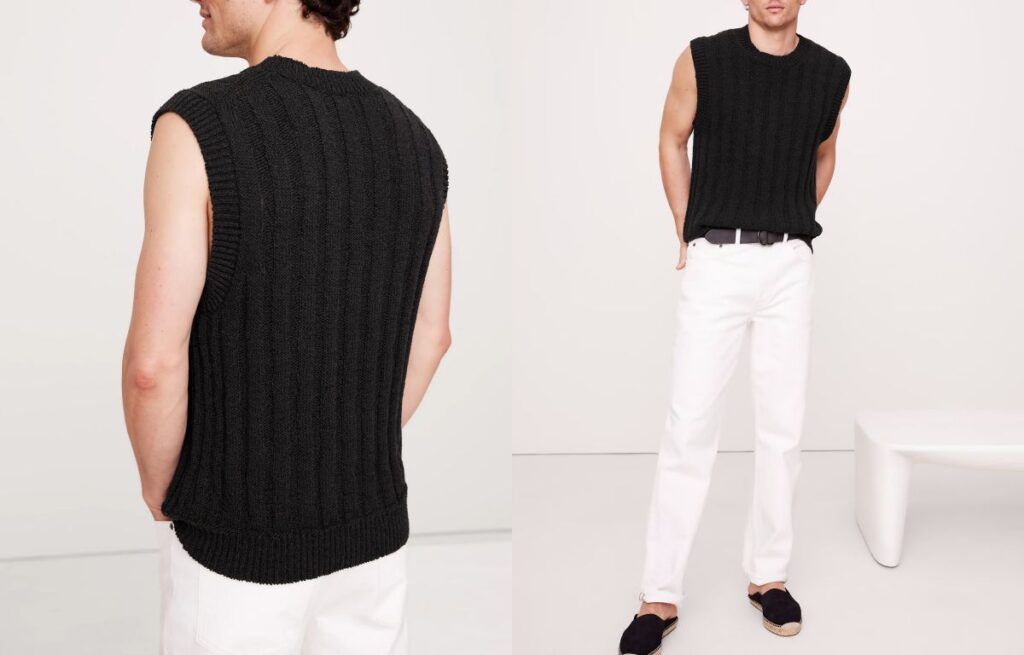
Are you uncertain about which vest style best complements your collection? Crew neck vests offer the perfect balance of casual comfort and smart style, ideal for various occasions and easy layering.
A crew neck vest is a sleeveless garment characterized by its simple, round neckline. It provides versatile layering potential, pairing easily with shirts, sweaters, or jackets, making it ideal for casual, semi-formal, and professional settings. Its timeless simplicity and functionality enhance its popularity among modern consumers.
Key Benefits of Crew Neck Vests:
- Versatile Layering: Easy pairing with various shirts or jackets.
- Timeless Design: Minimalistic appeal, suitable across trends.
- Comfort and Fit: Relaxed yet structured, flattering for various body types.
Ideal Markets for Crew Neck Vests:
| Market Segment | Recommended Styling |
|---|---|
| Smart Casual | Layered over dress shirts or long sleeves |
| Casual & Streetwear | Paired with plain or graphic tees |
| Office Attire | Over tailored shirts, under blazers |
V-neck Vest
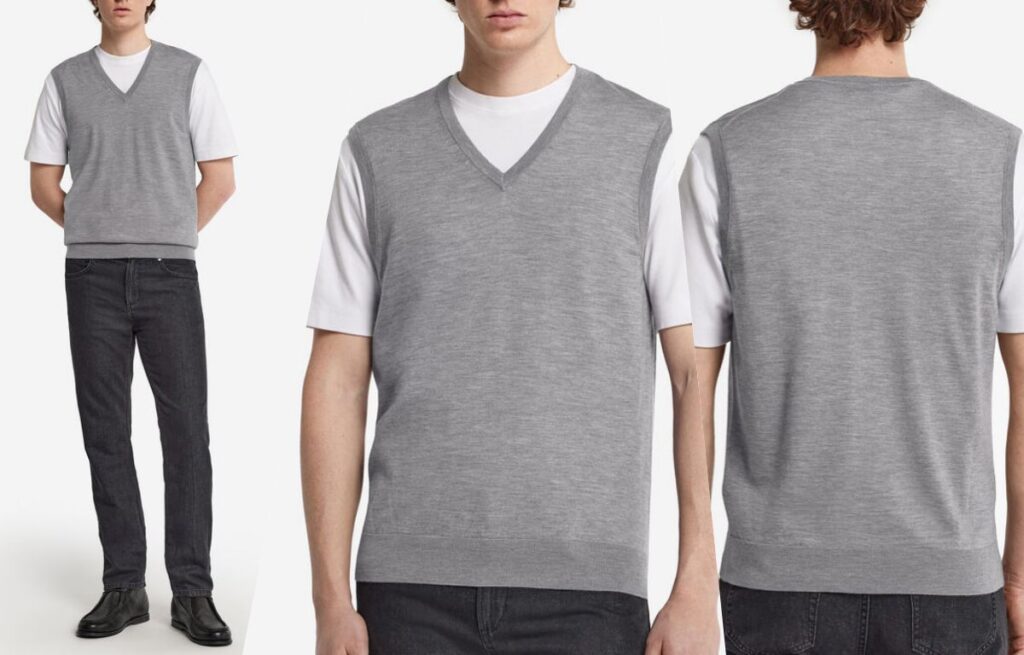
A V-neck vest is characterized by its distinct V-shaped neckline, providing a flattering and sophisticated look. It’s ideally suited for layering over shirts and ties in professional settings or casual shirts for smart-casual looks. Its timeless appeal ensures relevance and popularity across various fashion markets and demographics.
Why V-neck Vests Remain Popular:
- Timeless Elegance: Classic silhouette ideal for various styling options.
- Versatile Layering: Easily paired with dress shirts, polos, or casual tops.
- Professional to Casual: Seamlessly transitions between office attire and everyday casual wear.
Ideal Styling Opportunities:
| Occasion | Recommended Pairings |
|---|---|
| Professional Wear | V-neck vest + dress shirt + tie |
| Smart Casual | V-neck vest + casual shirt + chinos |
| Relaxed Weekend | V-neck vest + basic tee + jeans |
Dive Deeper into Trending Vests for 2025
- Utility & Tactical: Popular with younger, fashion-forward consumers.
- Sweater & Knit: Influenced by vintage trends and modern minimalism.
- Quilted & Puffer: Essential for seasonal layering and versatile styling.
How Can Brands Customize V-neck Vests for Maximum Impact?
Customization options include logo embroidery, unique color palettes, personalized trims, and diverse fabric selections. Additional details like contrast stitching, custom buttons, and tags elevate your brand’s presence, enhancing perceived quality and uniqueness.
Dive Deeper into Effective Customization Strategies
| Customization Options | Impact on Brand Image | Ideal Implementation |
|---|---|---|
| Logo Embroidery | Professional, long-lasting branding | Corporate, high-end casual |
| Unique Color Palettes | Distinctive visual appeal | Seasonal or limited-edition lines |
| Personalized Trims | Premium, distinctive details | Exclusive or luxury collections |
| Contrast Stitching | Visually appealing, modern detail | Youth-focused, casual lines |
Racerback Tank
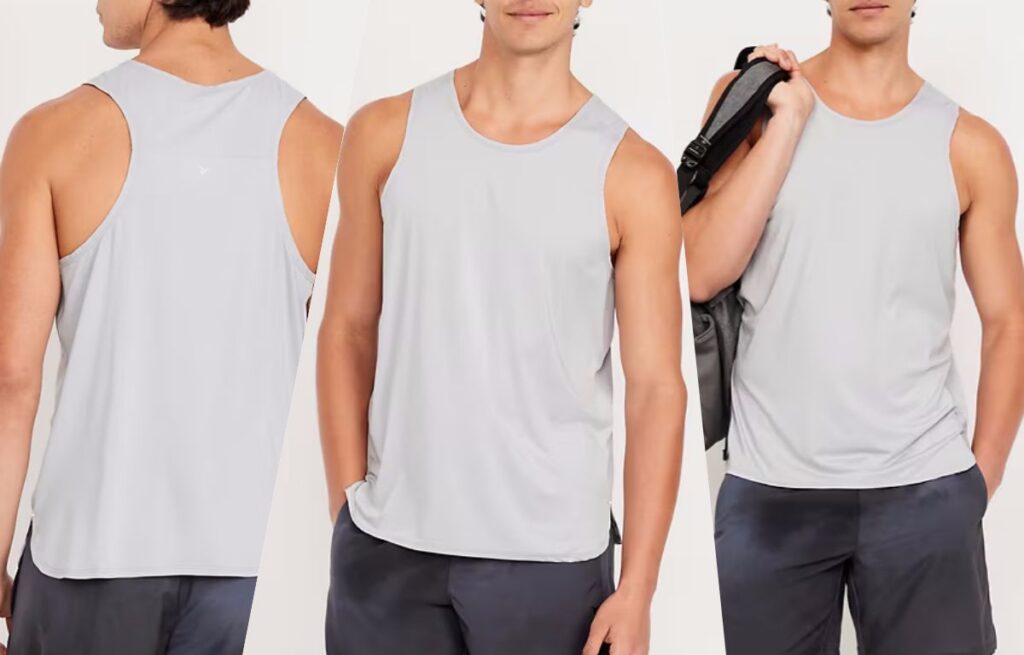
The racerback tank is a sleeveless vest style with shoulder straps that meet between the shoulder blades, creating a Y or T-shape on the back. It allows greater arm mobility and airflow, making it ideal for fitness and streetwear brands.
A racerback tank gives a sporty, streamlined look while allowing maximum shoulder movement, making it a must-have for activewear-focused brands.
Why does the racerback design matter?
The unique cut of a racerback tank isn’t just for aesthetics. It solves real-world problems in movement and comfort. Whether your customer is lifting weights or running errands, the cut keeps the straps from slipping off and prevents fabric from bunching under the arms.
Key Features of a Racerback Tank:
| Feature | Benefit |
|---|---|
| Y/T-shaped back | Full range of arm movement |
| Breathable sides | Better ventilation during workouts |
| Snug fit | Minimizes friction during movement |
| Athletic cut | Highlights muscle tone and form |
This style also complements streetwear collections when paired with oversized joggers or layered with hoodies. If your brand targets gym-goers or Gen Z urban wearers, this is a foundational piece.
What makes the V-neck vest a classic essential?
The V-neck vest is a sleeveless knit or cotton top featuring a V-shaped neckline. It’s a staple in both business casual and casual fashion, worn alone or layered over shirts.
V-neck vests offer timeless layering potential with a touch of sophistication, working for both preppy and modern street-inspired looks.
The versatility of this cut allows it to move from a golf course to a city sidewalk with ease. In recent years, it’s even made a comeback among fashion-forward Gen Z creators. When you choose the right fabric—cotton, wool-blend, or lightweight knits—it transforms into a year-round item.
Muscle Tank
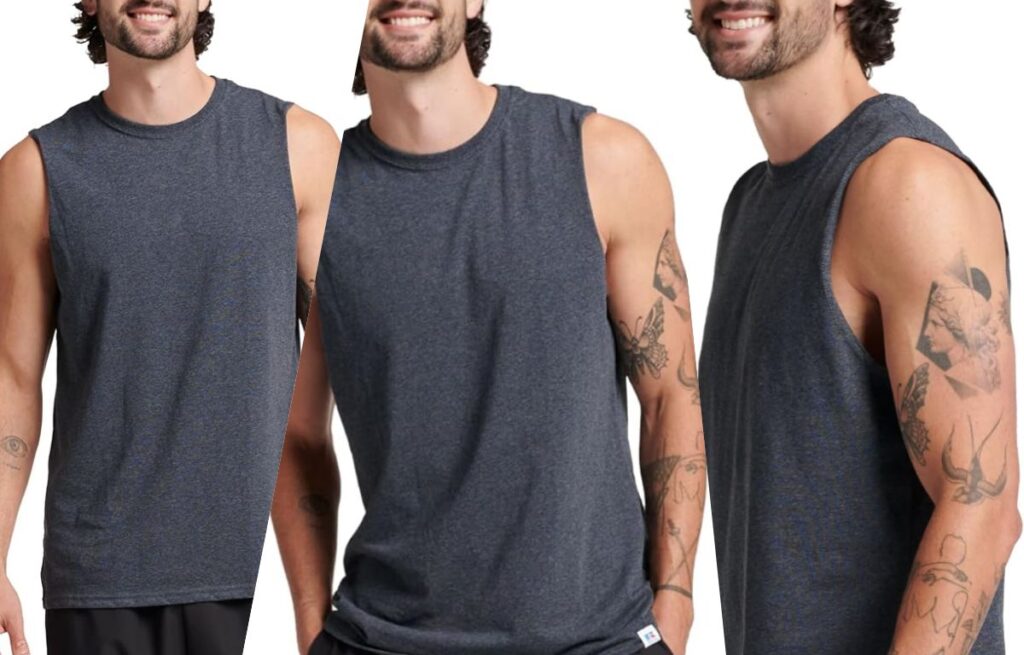
A muscle tank is a sleeveless vest featuring deep-cut armholes and a loose fit around the upper torso. It’s usually made of cotton or cotton-blend fabric and designed to show off the shoulders, chest, and arms.
Muscle tanks combine breathability and freedom of movement with a bold, athletic silhouette—perfect for activewear, streetwear, or summer collections.
Why should brands consider the muscle tank?
The muscle tank has evolved from gym staple to streetwear icon. Its wide armholes reduce friction and increase ventilation, making it ideal for workouts. But its loose fit and edgy look also appeal to younger markets who value comfort and effortless style.
Key Characteristics of a Muscle Tank:
| Feature | Benefit |
|---|---|
| Deep armholes | Improved airflow, unrestricted arm movement |
| Relaxed shoulder fit | Enhances shoulder width appearance |
| Cotton/spandex blend | Soft, stretchable comfort |
| Bold silhouette | Suitable for casual, gym, or urban wear |
You can offer it in heavyweight cotton for durability or modal blends for a softer hand feel. Add washed finishes or graphic prints to differentiate. For summer drops, this piece gives your brand a competitive edge.
What makes the V-neck vest a timeless wardrobe staple?
The V-neck vest features a pointed neckline and is typically constructed from knit or jersey fabric. It’s a classic layering piece used in preppy, professional, and minimalist styles.
V-neck vests blend tradition and trend—suitable for layering over shirts, polos, or even worn solo with wide-leg trousers.
This style works across seasons. In spring and autumn, layer it over button-ups. In summer, wear it alone in lightweight yarns. You can design it cropped for a Gen Z market or slightly oversized for a laid-back luxury vibe.
Sports Jersey
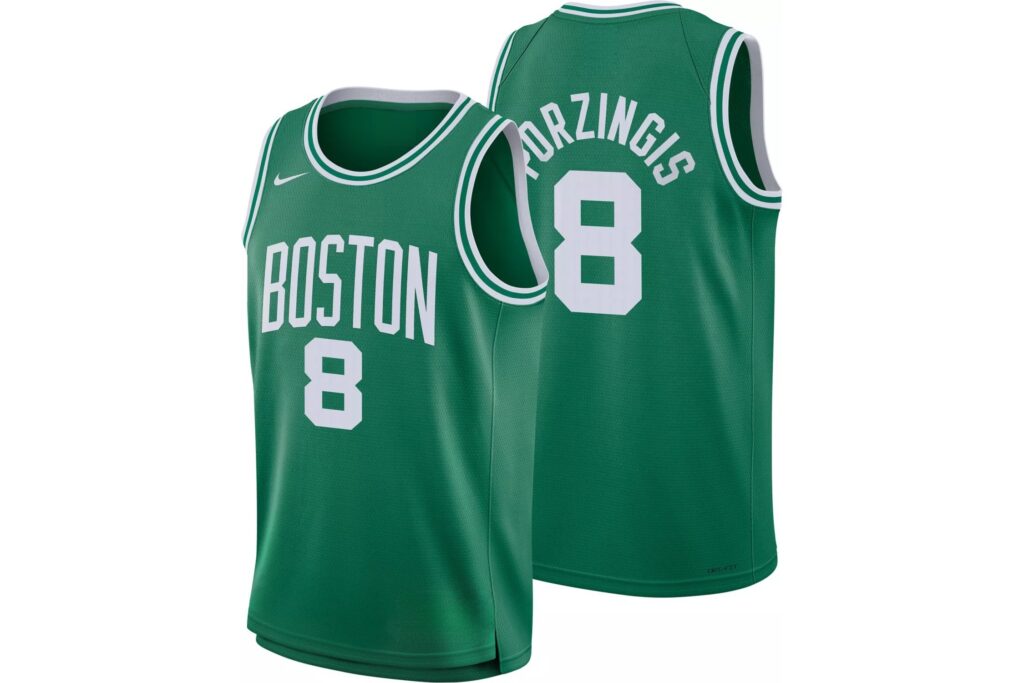
A sports jersey is a sleeveless or short-sleeved vest made with breathable, often mesh-based fabrics, designed for athletic performance and visual impact. It typically includes bold numbers, logos, or team colors.
Sports jerseys are lightweight, breathable, and culturally influential—ideal for brands at the intersection of performance and streetwear.
Why is the sports jersey more than just gym wear?
Sports jerseys are no longer limited to the basketball court or football field. They’ve become icons of street fashion and nostalgic 90s revival trends. Whether oversized or slim-fit, these vests allow brands to play with identity, fan culture, and bold design language.
Common Elements of Sports Jerseys:
| Element | Function/Benefit |
|---|---|
| Mesh or jersey fabric | Keeps body cool during physical activity |
| Oversized fit | Adds comfort and aligns with current trends |
| Number + Name prints | Enhances personalization and brand identity |
| Bold color blocking | Grabs attention and adds a retro or urban feel |
For fashion brands, jerseys open up creative directions—use vintage palettes, pop culture graphics, or even blank canvases for personalization. For sports-focused collections, they deliver performance, team vibes, and comfort.
What about the muscle tank—how does it compare?
The muscle tank is a sleeveless vest with deep-cut armholes, designed to highlight upper-body definition and allow full range of motion. It’s often made from cotton or performance blends.
Muscle tanks are clean, bold, and versatile—perfect for gym-to-street transitions or laid-back summer drops.
While sports jerseys offer visual punch, muscle tanks deliver minimalism with attitude. They’re easier to layer, print on, and tailor to different fits.
Hooded Vest

A hooded vest is a sleeveless outerwear garment that features an attached hood. It typically includes zip or snap closures and is often made from fleece, quilted fabric, or lightweight synthetics for layering.
The hooded vest offers casual comfort and weather adaptability, making it a staple in urban fashion, athleisure, and transitional outerwear collections.
Why should brands include hooded vests in their lineup?
The hooded vest hits a sweet spot between streetwear style and outdoor utility. It gives customers extra warmth without full-sleeve restriction, and the hood adds both style and function. It’s ideal for layering over long sleeves or hoodies, giving your collection depth and mix-and-match flexibility.
Key Selling Points of Hooded Vests:
| Feature | Benefit |
|---|---|
| Attached hood | Adds weather protection and street-style edge |
| Sleeveless design | Maintains mobility and layering versatility |
| Zipper/snap front | Adjustable for comfort and temperature control |
| Multi-fabric options | Adaptable for seasonal drops and brand aesthetics |
You can offer this piece in different directions: quilted for fall, cotton-fleece for urban casual, or water-resistant nylon for outdoor performance. Want to stand out? Try contrasting lining, bold zipper pulls, or branded drawstrings.
Down Vest

A down vest should fit snug—but not tight—around the torso to trap body heat efficiently, while still allowing room for layering a base or mid-layer underneath. It should feel close to the body without restricting movement.
The ideal down vest fit is close enough to insulate but loose enough to layer—balance is key for both comfort and performance.
Why does the fit of a down vest matter?
Down insulation works by trapping warm air. If a vest is too loose, cold air seeps in and heat escapes. If it’s too tight, it compresses the down fill, making it less effective. A well-fitted vest acts like a thermal barrier that adjusts to both activity and rest.
Fit Guidelines for Down Vests:
| Fit Element | Ideal Condition |
|---|---|
| Chest and waist | Slightly fitted but not tight |
| Armholes | Not too large—prevent heat loss |
| Hem length | Should cover waistband to trap core warmth |
| Layering room | Enough space for a hoodie or thermal shirt |
Whether your brand focuses on streetwear or outdoor wear, a properly designed down vest can be both functional and fashionable. Slim fits appeal to minimal aesthetics, while boxier cuts work for urban layering trends.
Knitted Vest

A knitted vest is a sleeveless top made from yarns like cotton, wool, or acrylic. It typically features ribbed edges and comes in patterns like cable-knit, argyle, or solid textures. It’s worn as a layering piece or a standalone item.
Knitted vests bring softness, shape, and heritage styling into modern wardrobes, making them a must-have for brands targeting elevated basics or vintage-inspired aesthetics.
Why should fashion brands take knitted vests seriously?
Knitted vests are having a huge revival. Gen Z loves them for their nostalgic vibe. Minimalist dressers use them for layering. And smart-casual brands rework them into tailored looks. The real appeal? They offer both texture and structure without bulk.
Design Elements That Make Knitted Vests Sell:
| Detail | Why It Matters |
|---|---|
| Ribbed hems and neck | Keep the silhouette clean and fitted |
| Soft yarns (cotton/wool) | Boost comfort and trans-seasonal wearability |
| Pattern options | Argyle, stripes, or solids for various markets |
| Cropped or oversized fit | Adds streetwear or editorial appeal |
You can position knitted vests in so many ways:
- Preppy: Over an oxford shirt with loafers
- Street: Oversized with cargos and sneakers
- Minimal: Monotone styling with relaxed trousers
Offer them in different gauges, yarn blends, or even with embroidery and brand tags for extra storytelling.
Suit Vest

A suit vest, also known as a waistcoat, is a tailored, sleeveless garment worn over a dress shirt and usually under a blazer. It often includes buttons down the front and adjustable tabs in the back. It’s a core component of a three-piece suit.
The suit vest adds structure, formality, and depth to menswear looks—making it an ideal piece for brands offering tailored, smart-casual, or heritage styles.
Why should brands still invest in the suit vest?
The suit vest is more versatile than ever. Once reserved strictly for formalwear, it’s now styled solo with relaxed trousers, worn open with T-shirts, or layered under outerwear for a street-tailored fusion. This adaptability makes it a strong item for creative, elevated, or dressy collections.
Elements That Define a Great Suit Vest:
| Feature | Purpose |
|---|---|
| Structured tailoring | Offers clean lines and polished silhouette |
| Button-up front | Creates a smart, center-focused look |
| Back strap or adjuster | Allows custom fit at the waist |
| Premium fabrics (wool, twill, linen) | Adds class and texture |
You can go classic with charcoal wool and welt pockets, or modern with cropped fits, contrast back panels, or minimalist piping. The key is fabric choice and fit—this vest tells the customer, “This brand pays attention.”
Utility Vest

A utility vest is a sleeveless outerwear garment equipped with multiple pockets, zippers, clips, or webbing, designed to offer both storage and style. Originally made for military, fishing, or outdoor use, it’s now a staple in streetwear and techwear fashion.
Utility vests deliver both function and fashion—ideal for brands targeting urban, performance, or minimalist streetwear audiences.
Why is the utility vest so popular right now?
The utility vest offers a clear message: form follows function. Every pocket, zipper, and buckle has a purpose. But when designed right, that purpose becomes part of the visual story. This vest is popular among photographers, skaters, urban explorers, and creators who live in motion but want to look intentional.
Key Features of a Utility Vest:
| Feature | Why It Matters |
|---|---|
| Multiple pockets | Practical storage for tools, gear, or everyday items |
| Durable fabrics (nylon, ripstop, canvas) | Built to withstand wear and tear |
| Tactical aesthetics | Fits into techwear, workwear, and streetwear |
| Adjustable straps or zippers | Ensures a custom and functional fit |
Your brand can customize this piece with modular panels, reflective strips, or even waterproof coatings. And if your audience values mobility, hands-free living, or outdoor readiness, the utility vest becomes more than just clothing—it’s gear.
Denim Vest

Are denim vests still in style?
Yes—denim vests are back in style, especially in streetwear, vintage, and festival fashion. They’re often worn oversized, distressed, or layered with hoodies and graphic tees, appealing to both retro lovers and Gen Z trendsetters.
Denim vests bring rebellious energy and textural contrast to a wardrobe, making them ideal for brands targeting youth culture, urban wear, or Y2K nostalgia.
Why are denim vests trending again?
Denim vests channel the raw, individualistic style of the ’80s, ’90s, and early 2000s—eras that are currently fueling modern fashion cycles. Paired with cargos, wide-leg jeans, or even leather pants, they help customers build looks that feel layered, intentional, and cool.
Key Styling Traits of a Modern Denim Vest:
| Element | Trend Direction |
|---|---|
| Distressed finishes | Adds vintage and rebellious appeal |
| Oversized or boxy fits | Matches streetwear and layering aesthetics |
| Raw hems or patches | Personalization and DIY vibes |
| Washed indigo or black | Staple tones that match multiple subcultures |
Want to make your denim vest stand out? Use contrast stitching, statement hardware (zippers, snaps), or detachable hood inserts. You can even offer custom wash treatments like acid wash or oil-finish to create limited-edition feels.
Fleece Vest
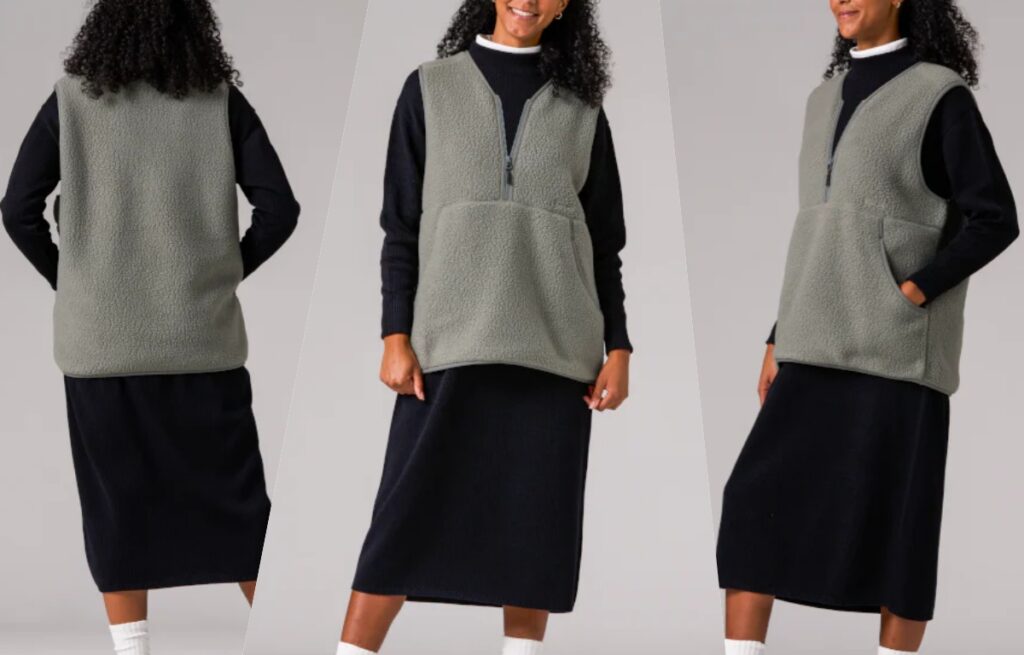
It depends on your customer’s lifestyle. Fleece vests are softer, more breathable, and ideal for light layering. Puffer vests offer stronger insulation, making them better for outdoor or cold-weather use. Each serves a unique function.
Fleece vests are great for transitional seasons and casual comfort, while puffer vests provide heavy-duty warmth and outdoor utility—both can be bestsellers if aligned with your target customer.
How do you choose between a fleece vest and a puffer vest?
When to Choose a Fleece Vest:
- For layering in spring/fall
- For normcore, college, or casual aesthetics
- For indoor/outdoor transitions (office, coffee shops, errands)
When to Choose a Puffer Vest:
- For colder climates or winter drops
- For outdoor, hiking, or utility-style collections
- For customers seeking weatherproof function over form
Feature Comparison:
| Feature | Fleece Vest | Puffer Vest |
|---|---|---|
| Insulation Level | Light to moderate | Moderate to high |
| Bulkiness | Lightweight and flexible | Puffier and more structured |
| Breathability | High | Lower, but retains heat well |
| Aesthetic Appeal | Clean, soft, normcore-friendly | Sporty, utilitarian, streetwear-ready |
You can even offer both in your collection. Use neutral tones for fleece to appeal to minimalists, and bold color blocking for puffers to attract Gen Z or outdoor-oriented buyers.
Reflective Vest
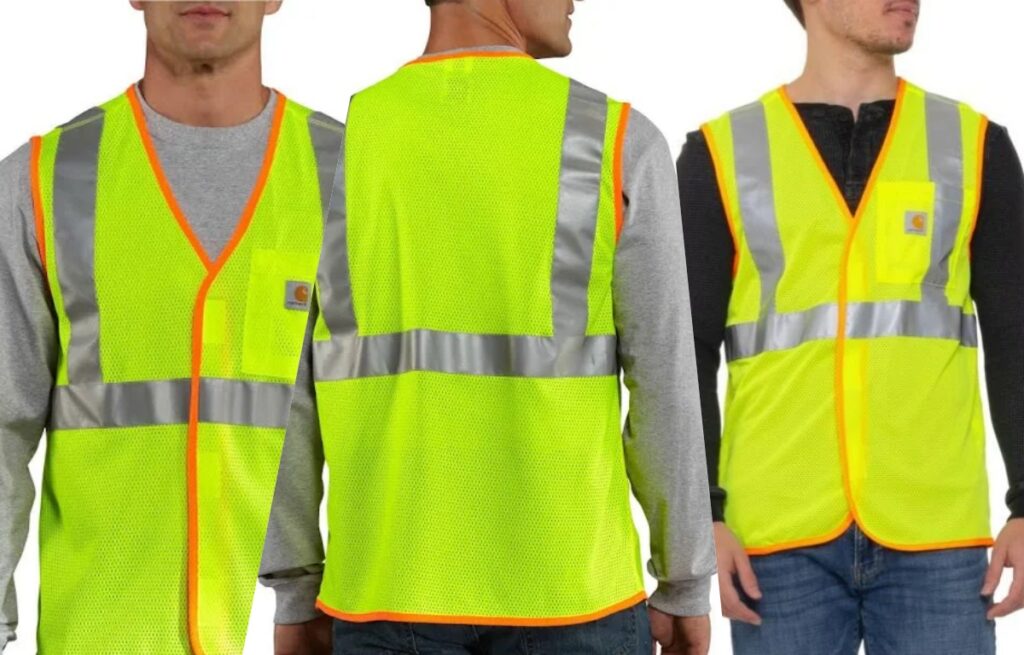
A reflective vest is designed to increase visibility in low-light environments. It typically features high-visibility colors like neon yellow or orange, combined with reflective tape or panels. It’s widely used in workwear, road safety, construction, and performance gear.
Reflective vests keep the wearer visible during nighttime or low-light conditions—making them essential for safety, outdoor, and commuter-focused collections.
Why should fashion brands care about reflective vests?
Today’s consumers aren’t just buying clothes—they’re buying utility and intention. Reflective vests have broken out of traditional workwear and entered streetwear, cycling, and techwear spaces. Paired with functional silhouettes, they become more than safe—they become cool.
Key Features of a Reflective Vest:
| Feature | Function |
|---|---|
| Reflective tape or panels | Enhances visibility during night or bad weather |
| Lightweight construction | Keeps wearer mobile and comfortable |
| High-vis base colors | Draws attention in both practical and style terms |
| Zippers/pockets | Adds utility for active or work-related tasks |
If you’re building a techwear capsule, commuter gear, or performance line, reflective vests can add safety without sacrificing aesthetics. Use minimalist designs or tonal reflectives for a fashion-forward take, or go bold with oversized silhouettes and industrial details.
Undershirt Tank Top
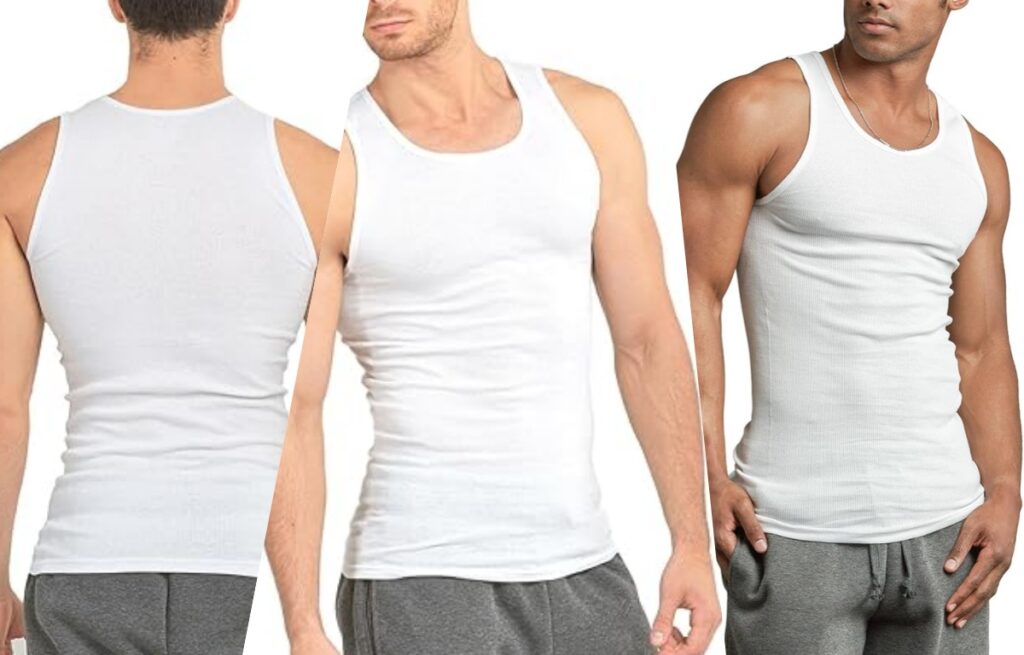
An undershirt is designed to be worn beneath outer garments for sweat absorption and layering. It’s usually form-fitting, lightweight, and neutral in color. A tank top, on the other hand, is meant to be seen—worn on its own as part of an outfit, often with bolder cuts and fabrics.
Undershirts focus on utility and comfort under clothing, while tank tops are standalone pieces meant for style, sport, or casual wear.
Why should brands differentiate between these two?
These garments may look similar at a glance, but misunderstanding their purpose could confuse your customer or hurt your product positioning. If you’re selling an undershirt, customers expect a soft, invisible layer. If it’s a tank top, they want something with more character—cut, color, and shape all matter.
Feature Comparison:
| Feature | Undershirt | Tank Top |
|---|---|---|
| Purpose | Absorbs sweat, layers under shirts | Standalone casual or athletic wear |
| Fabric Weight | Thin, ultra-light cotton or modal | Midweight or ribbed cotton, performance blends |
| Fit | Snug to the body | Can be slim, regular, or loose |
| Visibility | Meant to stay hidden | Meant to be seen |
| Design Detail | Minimal, no graphics | May include prints, wide armholes, or textures |
From a product development point of view, you can position undershirts in basics or essentials lines, while tank tops live in casualwear, streetwear, or performance categories.
Should Men’s Vests Be Tight or Loose?
Not sure about vest fit? Understanding proper fit is crucial to meet your customers’ expectations.
Men’s vests should neither be overly tight nor too loose. Ideally, they should offer enough room for comfortable layering underneath, without appearing baggy or constrictive. A properly fitted vest complements the wearer’s physique, providing structure, comfort, and versatile layering options across various styles and occasions.
Fit Recommendations by Vest Type:
| Vest Style | Ideal Fit Recommendation |
|---|---|
| Suit Vest | Tailored, close fit, streamlined silhouette |
| Puffer Vest | Slightly looser for comfortable layering |
| Utility/Tactical | Relaxed fit allowing movement |
| Sweater/Knit Vest | Comfortable, not too tight, casual layering |
Essential Fit Checklist:
- Armholes: Should allow comfortable movement without sagging.
- Chest: Comfortable, not constrictive—allows layering flexibility.
- Length: Typically hits waist-level or slightly below for balanced proportions.
How Do You Choose the Right Vest for Your Brand?
Struggling to decide which vest styles suit your brand? Clear selection criteria help align products with your brand identity.
Choosing the right vests involves considering your brand’s market segment, target demographics, style identity, and seasonal relevance. Casual and streetwear brands benefit from denim and utility vests, formal or business-casual brands should opt for suit and quilted vests, and activewear brands perform best with fleece or puffer styles.
Brand-Specific Recommendations:
| Market Segment | Recommended Vest Types | Key Features |
|---|---|---|
| Streetwear | Denim, utility, tactical, reflective | Edgy, functional details |
| Smart-Casual | Quilted, suit, sweater | Structured tailoring, premium textures |
| Athleisure | Puffer, fleece, hooded | Lightweight warmth, sporty style |
| Luxury Casual | Leather, sherpa, knitted | Premium materials, distinctive details |
Seasonal Considerations:
- Spring/Summer: Lightweight fabrics like cotton or knit.
- Fall/Winter: Thermal, insulating fabrics like fleece, sherpa, or quilted styles.
Conclusion
Men’s vests represent an increasingly popular, versatile apparel segment, perfect for modern brands seeking to diversify their product lines. With strategic selection based on contemporary trends, ideal fits, and customization options, your brand can successfully leverage this resurging trend, enhancing customer engagement, seasonal adaptability, and overall market performance.