Skip to content
Finding the right polo shirt can be overwhelming due to countless styles, fits, and materials available. Wrong choices lead to discomfort, poor aesthetics, and unsatisfactory wear experiences. Yet, understanding these differences helps you easily select the perfect polo shirt tailored to your specific needs and style.
The ultimate guide to polo shirts explores various types, helping you pick based on fit, fabric, and function. Classic, athletic, or fashionable polos differ primarily in fabric (cotton, polyester, blends) and style (classic fit, slim fit, performance). Choose based on comfort, usage, and aesthetics for the ideal shirt.
I’ll share my insights based on years in apparel manufacturing, guiding you step-by-step to make informed decisions about polo shirts. Let’s dive deeper!
What is the Best Polo to Buy?
When shopping for the perfect polo, you might feel confused due to numerous options from luxury to casual. Picking the best polo depends on quality, fit, and versatility, balancing style and functionality.
The best polo shirt to buy is a high-quality cotton blend polo, combining breathability, durability, and comfort. Opt for well-known brands or manufacturers that emphasize fabric quality, excellent craftsmanship, and versatility, ensuring your polo remains stylish, comfortable, and wearable in diverse settings.
Factors to Consider When Choosing the Best Polo
Choosing the best polo shirt involves evaluating several essential factors:
Brand Reputation and Quality
Well-established brands like Lacoste, Ralph Lauren, and Brooks Brothers are reliable choices known for consistent quality. These polos hold shape, color, and stitching longer due to superior craftsmanship.
| Brand | Key Advantage | Typical Price Range |
|---|---|---|
| Lacoste | Classic design, durable fabric | $80-$120 |
| Ralph Lauren | Versatile and stylish | $90-$150 |
| Brooks Brothers | Superior fabric and fit | $70-$130 |
Intended Use
Consider where and how frequently you’ll wear the polo. For office settings, choose a classic fit polo with a subtle logo. For athletic or casual outings, pick breathable performance polos.
Fit and Comfort
Comfort is key. Slim-fit polos suit a modern aesthetic, while classic-fit polos offer more ease and relaxed comfort. Always try before buying, ensuring proper sleeve length and comfortable collar fit.
Classic Piqué Polo

What is the Difference Between Classic and Pique Polos?
Many buyers and designers ask about classic versus pique polos. This is not just a fabric question. It’s about how each style fits into your wardrobe or product line and how they perform in daily wear.
The main difference lies in the fabric construction: classic polos use a smoother, often jersey-knit material, while pique polos feature a textured, waffle-like knit. Pique polos feel thicker, offer more structure, and usually look sportier. Classic polos are softer, lighter, and more casual.
Breaking Down Classic vs. Pique Polo Shirts
Fabric Construction
Classic Polo:
- Made with jersey knit or fine cotton blends.
- The surface feels flat and smooth.
- Fabric is lightweight and stretches more.
Pique Polo:
- Made with a unique “pique” knit, which creates a honeycomb or waffle texture.
- Feels heavier, structured, and slightly stiff.
- This knit allows more airflow, making it breathable.
Appearance and Feel
Classic polos look relaxed and slightly dressier. Their surface is even, and colors appear a bit deeper due to the tight weave. These polos drape closely to the body, feeling almost like a soft t-shirt.
Pique polos look more traditional, with visible texture and a sporty vibe. They’re the original “tennis shirt,” making them a favorite for brands wanting heritage appeal. The fabric holds its shape well, standing up to frequent washing and everyday wear.
| Feature | Classic Polo | Pique Polo |
|---|---|---|
| Fabric Surface | Smooth, flat | Textured, waffle-like |
| Weight | Lightweight | Medium to heavy |
| Breathability | Moderate | High |
| Stretch | Good | Less |
| Durability | Medium | High |
| Common Use | Casual, smart-casual | Sports, uniforms, business-casual |
Performance and Practicality
Pique polos excel for uniforms, sports, and active lifestyles. The open weave lets heat escape, making them perfect for hot weather or movement-heavy days. They keep their shape longer, which is key for professional settings.
Classic polos work well for leisure and smart-casual looks. Their soft feel makes them great for layering under sweaters or jackets. Brands often choose these when aiming for a modern, minimal look.
Style and Brand Positioning
If your brand focuses on heritage, tradition, or sportswear, pique polos are a safe bet. They communicate reliability and timelessness. If you want to target younger consumers or more urban styles, classic polos feel current and versatile.
Summary Table
| Comparison Area | Classic Polo | Pique Polo |
|---|---|---|
| Knit Type | Jersey | Pique |
| Surface Texture | Smooth | Textured |
| Style | Casual/Modern | Sporty/Traditional |
| Typical Use | Fashion/Lifestyle | Sport/Uniform |
| Brand Message | Minimal/Urban | Heritage/Active |
Jersey Polo

What Does Jersey Polo Mean?
You might see “jersey polo” listed in product descriptions, but what does it really mean? Understanding this term will help you match the right polo to your target audience or personal style.
A jersey polo refers to a polo shirt constructed from jersey knit fabric, which is lightweight, soft, and offers a smooth finish. This makes jersey polos more flexible and comfortable than traditional pique polos, appealing to those who want a relaxed, t-shirt-like feel in their polos.
Understanding Jersey Polo Shirts
What is Jersey Knit Fabric?
Jersey knit is a type of textile structure. Unlike woven fabrics, jersey is knitted, which gives it natural stretch and softness. The fabric is usually made from cotton, but blends with polyester or viscose are also common. This knit is popular for t-shirts and underwear because of its comfort.
How is a Jersey Polo Made?
- Fabric Construction: Jersey polos use a single-knit technique, resulting in a fabric that’s smooth on one side and slightly textured on the back.
- Weight: These polos are typically lighter than pique polos, making them comfortable in warmer weather.
- Stretch: The knit allows more stretch, so the shirt moves with your body.
Key Features of Jersey Polo Shirts
| Feature | Description |
|---|---|
| Surface | Flat, smooth, no texture |
| Comfort | High – feels like a premium t-shirt |
| Breathability | Good – air passes easily through the fabric |
| Weight | Light – suitable for layering or hot weather |
| Maintenance | Easy – less prone to wrinkling than woven fabrics |
| Common Use | Casual, smart-casual, office-casual |
When Should You Choose a Jersey Polo?
Jersey polos are best for people who want a polo that feels as easy to wear as a t-shirt. They work great for smart-casual looks, travel, or leisure. The minimal texture also makes them a solid base for printed logos or graphics.
Jersey vs. Pique: A Quick Comparison
| Feature | Jersey Polo | Pique Polo |
|---|---|---|
| Fabric | Single-knit jersey | Pique-knit (waffle-texture) |
| Feel | Soft, stretchy, smooth | Textured, structured |
| Weight | Lighter | Heavier |
| Best For | Everyday, layering, casual | Sports, uniforms, classic |
Brand and Design Perspective
From a manufacturing standpoint, jersey polos offer flexibility in design. They’re easier to cut and sew for slim or modern fits. Brands aiming for a younger, trend-driven audience often prefer jersey polos for their soft drape and relaxed look. For example, many fashion-forward labels use jersey polos as a modern alternative to traditional office wear.
Long Sleeve Polo

What Makes Long Sleeve Polos Different from Short Sleeve Polos?
At first glance, long and short sleeve polos seem nearly identical—except for the sleeves. But the differences go far beyond just extra fabric.
Long sleeve polos provide greater warmth, versatility, and coverage than short sleeve versions. They work in cooler weather, layer well under jackets, and can appear more refined in business-casual settings.
Unique Advantages and Key Uses for Long Sleeve Polos
Fabric and Structure
Long sleeve polos are usually made from the same materials as short sleeve styles: cotton, pique knit, or blends. But manufacturers often use slightly heavier fabrics for added warmth and structure.
Style and Versatility
Long sleeve polos offer more styling options. You can:
- Wear them solo for a smart yet relaxed look
- Layer under sweaters or blazers for a preppy or office-ready outfit
- Pair with jeans, chinos, or even tailored trousers
This makes them a go-to for fall, winter, and early spring. Many business-casual dress codes accept long sleeve polos as a step up from standard tees or sweaters.
Performance and Comfort
Long sleeves protect your arms from sun exposure in warmer climates and keep you warm in cooler settings. With performance fabrics, long sleeve polos wick moisture and provide UV protection, ideal for outdoor sports or travel.
| Feature | Long Sleeve Polo | Short Sleeve Polo |
|---|---|---|
| Seasonality | All seasons (especially fall/winter) | Primarily spring/summer |
| Layering | Excellent under outerwear | Limited layering |
| Dress Code | Smart-casual, business-casual, uniform | Casual, smart-casual |
| Arm Protection | Full-length coverage | Exposed arms |
Branding and Market Opportunities
For brands, long sleeve polos can refresh a product line or fill a gap in a fall/winter collection. They allow for creative collar designs, contrast cuffs, or even logo placement on sleeves. Many sports and lifestyle brands use them for golf, sailing, or equestrian lines.
Considerations for Purchasing or Sourcing
- Fit: Look for tailored sleeves and body for a modern, streamlined look. Avoid overly baggy arms.
- Fabric: Choose breathable knits for comfort, or technical blends for performance.
- Details: Cuffs, plackets, and collar construction matter—good finishing separates premium polos from basic ones.
Business Polo

What Defines a Business Polo Compared to Regular Polos?
Not every polo works in a professional environment. The wrong choice can undercut your team’s image or fail to meet dress code standards. Let’s clarify what sets business polos apart.
Business polos use finer fabrics, cleaner construction, and tailored fits. Details like reinforced collars, minimal branding, and subtle buttons make them suitable for office or client-facing roles. They’re made to look crisp all day, even after hours of wear.
The Key Elements of a Business Polo
Fabric Selection
The fabric makes the first impression. Business polos typically use:
- High-quality cotton, mercerized cotton, or cotton blends for softness and breathability
- Performance blends (polyester, modal, Tencel) for moisture-wicking and all-day freshness
- Fabrics that resist pilling, wrinkling, and fading
| Fabric Type | Pros | Cons |
|---|---|---|
| Mercerized Cotton | Smooth, lustrous, holds color well | Higher cost |
| Polyester Blends | Durable, easy-care, resists wrinkles | Can feel less natural |
| Pima or Supima Cotton | Very soft, premium feel, long-lasting | Price can be premium |
Fit and Silhouette
Business polos are tailored—never boxy. They follow the lines of the body, with sleeves that end at mid-bicep and a hem long enough to tuck in.
Details That Matter
- Collar: Should hold its shape all day, often reinforced or with removable stays.
- Buttons: Real shell or matte-finished plastic, no flashy logos.
- Branding: Subtle or absent, keeping the look clean and versatile.
- Colors: Neutrals (white, navy, black, grey), sometimes with discreet patterns like micro-stripes or herringbone.
Workplace Appropriateness
Business polos are accepted in many “business casual” and even “business professional” workplaces, especially in tech, creative, and consulting sectors. They’re less formal than dress shirts but much smarter than basic tees.
| Attribute | Business Polo Shirt | Regular Polo Shirt |
|---|---|---|
| Fabric | Premium, performance, or mercerized | Basic cotton, pique or jersey |
| Collar | Structured, reinforced | Standard, softer |
| Branding | Minimal or hidden | Often visible |
| Intended Use | Office, meetings, client visits | Casual, leisure, sports |
| Fit | Tailored | Relaxed or slim |
When and How Should You Wear Business Polos?
Wearing business polos right can boost confidence and comfort at work. The wrong styling can look sloppy, but the right choices add polish to any office outfit.
Wear business polos for office days, meetings, business travel, and casual Fridays. Pair them with tailored chinos, wool trousers, or under blazers. Always choose neutral colors and keep accessories simple for the most professional look.
Practical Styling and Implementation Tips
Office Settings
Business polos work in smart-casual, business-casual, and even some relaxed corporate settings. They’re perfect for:
- Open-plan offices
- Trade shows and presentations
- Remote work video calls
Styling for Professionalism
- With Blazers: A well-fitted polo under a structured blazer instantly elevates the look.
- With Trousers or Chinos: Stick to dark or neutral shades for a professional image.
- Layering: In cooler months, wear under merino sweaters or cardigans.
Common Mistakes to Avoid
- Untucked polos in formal settings—always tuck in for a clean look.
- Bright, sporty logos or flashy buttons—keep it understated.
- Oversized fits—choose your true size for the best effect.
Brand and Uniform Applications
Many companies now issue business polos as part of their uniforms, especially for hospitality, tech, and consulting teams. You can customize with discreet embroidery or tone-on-tone logos to reinforce brand identity without sacrificing professionalism.
| Application | Example Industry | Key Feature Needed |
|---|---|---|
| Office Uniform | Consulting, Tech | Neutral color, subtle branding |
| Event/Trade Show | Marketing, Events | Wrinkle-resistant, sharp fit |
| Client Meetings | Real Estate, Finance | High-quality fabric, structured collar |
Sports Polo

What Defines a Sports Polo Shirt Compared to Regular Polos?
Many people see polos as simple collared shirts, but sports polos are engineered for athletic demands. The differences show up in fabric, construction, and overall feel.
Sports polos use high-performance synthetic or blended fabrics, engineered cuts, and added features like mesh panels or anti-odor finishes. They focus on breathability, mobility, and sweat management, standing apart from casual or business polos in every way.
Key Elements and Technologies of Sports Polo Shirts
Technical Fabrics
Sports polos use advanced synthetic fibers, like polyester, nylon, or elastane blends. The main goals are:
- Moisture-Wicking: Pulls sweat off your skin for fast evaporation.
- Breathability: Open or mesh structures let heat and moisture escape.
- Quick Drying: Dries much faster than cotton, reducing chafing.
- Stretch: Elastane or spandex ensures the shirt moves with your body.
| Fabric Type | Main Advantage | Typical Sports |
|---|---|---|
| Polyester/Elastane | Lightweight, fast-dry | Tennis, Golf |
| Nylon/Spandex | Stretch, durability | Training, Gym |
| Poly-Cotton Blends | Comfort, improved feel | Multi-sport |
Construction and Fit
Sports polos are tailored for active movement:
- Raglan Sleeves: Fewer seams, greater mobility in the shoulders.
- Athletic Fit: Slightly tapered to avoid fabric flapping during activity.
- Flatlock Stitching: Reduces chafing, increases comfort in high-motion areas.
Added Performance Features
- UV Protection: Built-in UPF ratings for outdoor sports.
- Anti-Odor Treatments: Prevents the buildup of sweat odors, using silver ions or other safe additives.
- Mesh Panels: Placed at heat zones (sides, back) for extra airflow.
- Reflective Details: Boost safety during early morning or evening workouts.
| Feature | Why It Matters |
|---|---|
| Moisture Management | Stays dry and comfortable |
| Odor Control | Freshness after long hours |
| Sun Protection | Prevents UV damage during sports |
| Mobility Enhancements | Full range of motion |
Branding and Customization
Sports polos are popular for teams, clubs, and corporate wellness programs. They’re easy to customize with prints, embroidery, or heat-transfer logos. Modern brands use color-blocking, contrast trims, and sublimation printing for standout looks.
Who Needs a Sports Polo?
- Athletes: Golfers, tennis players, and even runners.
- Fitness Professionals: Trainers, coaches, and gym staff.
- Active Lifestyle Consumers: Anyone who wants a shirt that transitions from gym to street.
Sports Polo vs. Classic Polo: Quick Comparison
| Category | Sports Polo | Classic Polo |
|---|---|---|
| Fabric | Technical (poly, blends) | Cotton, pique, jersey |
| Main Use | Sports, fitness, outdoor | Casual, smart-casual, office |
| Breathability | Very high | Medium |
| Drying Speed | Fast | Slow |
| Odor Resistance | Enhanced | Standard |
| Fit | Athletic/slim | Slim or relaxed |
Golf Polo

Why Are Golf Polos So Expensive?
Many golfers wonder why a simple shirt can cost more than other athletic or business polos. The answer is layered in fabric, technology, design, and branding.
Golf polos are expensive due to high-performance materials, advanced production techniques, brand exclusivity, and strict quality standards. These shirts must withstand intense sun, movement, and frequent washing, while maintaining sharp looks and comfort.
What Drives the Cost of Golf Polos?
Premium Technical Fabrics
Golf polos use engineered fabrics designed for sports performance:
- Moisture-Wicking: Pulls sweat away from skin, keeping you dry during long rounds.
- Breathable: Mesh zones and micro-perforations enhance airflow, preventing overheating.
- Stretch: Spandex or elastane blends give unrestricted movement for your swing.
| Fabric Feature | Why It Matters on the Course |
|---|---|
| Moisture-wicking | Stays dry and cool under pressure |
| Stretch/Recovery | No restriction on dynamic swings |
| UV Protection | Shields skin from harmful rays |
| Colorfastness | Resists fading from sun and washing |
Advanced Manufacturing and Design
- Laser-cut or bonded seams: Reduce friction and bulk.
- Antimicrobial/anti-odor treatments: Keep the shirt fresh after hours of play.
- Tailored fit: Golf polos use more panels and refined cuts for a sharp, athletic silhouette.
Brand Value and Prestige
Golf apparel brands like Nike, Adidas, Peter Millar, or Ralph Lauren invest in innovation, design, and endorsements. You pay for research, technology, and the status that comes with wearing these logos.
Strict Quality Control
Golf polos are designed to last for years, withstanding sweat, sun, and movement. Strict QC checks help guarantee consistent comfort and professional appearance.
What is the Best Material for Golf Polos?
If you’re shopping for peak comfort and performance on the course, material matters most. Cheap fabrics won’t hold up in heat, movement, or multiple washes.
The best material for golf polos is a high-quality polyester or poly-elastane blend. These fabrics deliver moisture-wicking, breathability, stretch, UV protection, and lasting shape—giving golfers comfort and a professional look through every round.
Golf Polo Material Science and Recommendations
Polyester and Polyester Blends
- Pure Polyester: Most common for golf polos. Lightweight, durable, moisture-wicking, and quick-drying. It keeps shape after repeated washing.
- Polyester-Elastane Blend: Adds stretch for a comfortable fit and free movement—especially important for swings.
- Technical Mesh: Zones in the underarm or back for breathability.
| Material Type | Key Benefits | Drawbacks |
|---|---|---|
| 100% Polyester | Breathable, dries fast, durable | Can feel less “natural” |
| Poly-Elastane Blend | Stretchy, perfect for movement | Slightly higher price |
| Performance Cotton Blend | Softer touch, improved comfort | Slightly less moisture-wicking |
Other Performance Features
- UPF Rating: Protects against harmful sun rays (UPF 30+ is standard).
- Anti-Odor Finish: Prevents bacteria growth for all-day freshness.
- Colorfastness: Prevents fading after exposure to sun and sweat.
When to Choose Each Fabric
- Hot/Humid Conditions: 100% polyester or mesh blends
- Cooler Weather: Slightly heavier blends or technical knits
- All-Day Tournaments: Poly-elastane blends for all-around performance
| Use Case | Recommended Fabric |
|---|---|
| Summer/Hot Climates | Mesh polyester |
| Movement/Range of Motion | Poly-elastane blend |
| Brand Image/Luxury | Branded performance blends |
Tennis Polo

What Defines a Tennis Polo Shirt?
Many people think tennis polos are just standard polos with a famous backstory, but the differences run much deeper. Let’s look at what really sets tennis polos apart.
Tennis polos use lightweight, moisture-wicking fabrics and ergonomic cuts to help players stay cool, dry, and unrestricted. They often have mesh panels, split hems, and reinforced collars to stand up to intense play.
The Design, Performance, and Heritage of Tennis Polos
Fabric Technology
Tennis is a fast, high-movement sport often played in hot conditions. The fabric is the foundation for comfort and performance:
- Moisture-Wicking Polyester or Blends: These pull sweat off the skin and allow quick evaporation, keeping players dry.
- Mesh Panels: Often under the arms or on the back for extra airflow.
- Stretch Fibers (Elastane/Spandex): These ensure the polo moves naturally with every serve, volley, or sprint.
| Fabric Feature | Benefit on the Court |
|---|---|
| Lightweight Polyester | Reduces overheating |
| Elastane/Spandex Blends | Enhances movement and fit |
| Breathable Mesh | Keeps body cool during long matches |
Fit and Construction
A tennis polo should never restrict motion. Look for:
- Athletic or Regular Fit: Allows full arm movement.
- Side Vents/Split Hems: Increases range of motion and comfort.
- Longer Back Hem: Prevents the shirt from untucking during play.
- Flatlock Seams: Reduces skin irritation from repetitive motion.
Key Performance Features
- Anti-Odor Technology: Silver ion treatments or antimicrobial finishes prevent the buildup of odor, even after hours of play.
- UV Protection: Many tennis polos include UPF ratings to protect skin from strong outdoor sun.
- Quick Drying: Essential for both training and matches, ensuring players stay comfortable and focused.
Iconic Style and Heritage
The tennis polo was famously introduced by René Lacoste in the 1920s as a replacement for restrictive dress shirts. Today, top brands like Lacoste, Nike, and Adidas blend heritage looks—like ribbed collars and plackets—with cutting-edge fabric tech.
Tennis Polo vs. Other Performance Polos
| Feature | Tennis Polo | Golf Polo | Classic Polo |
|---|---|---|---|
| Main Focus | Movement, cooling | All-day wear, sun | Style, comfort |
| Fit | Athletic, vented | Slim/athletic | Classic/slim |
| Fabric | Lightweight, stretch | Technical, durable | Cotton or blends |
| Key Details | Mesh, vents, UV | UPF, odor control | Texture, structure |
When Should You Wear a Tennis Polo?
- Playing Tennis: Essential for serious players and casual matches alike.
- Training: Great for any racquet sport or gym session requiring upper-body mobility.
- Casual Wear: Tennis polos are style icons—pair with shorts or chinos for a preppy, athletic look.
Fashion Polo

What Makes a Polo Shirt “Fashion” Versus Classic or Sports Styles?
Fashion polos aren’t just about adding color or a logo—they involve thoughtful design decisions at every step. From fit to fabric, every detail is tailored for current tastes and brand storytelling.
Fashion polos use premium or unusual materials, trend-led cuts, bold prints, unique textures, and eye-catching details. These design choices set them apart from traditional polos, which focus more on utility or sport.
The Design Language and Market Strategy of Fashion Polos
Fabric Innovations
Fashion polos break from tradition with:
- Mercerized or Pima Cotton: For a soft, lustrous finish.
- Knit Blends: Linen, modal, bamboo, or Tencel for texture and drape.
- Tech Fabrics: Lightweight, performance-inspired blends with an upscale look.
- Special Treatments: Garment-dye, enzyme wash, or distressed finishes for unique visual appeal.
Modern Fits and Silhouettes
Unlike classic polos, fashion polos often use updated or experimental cuts:
- Slim Fit: Popular with younger consumers, follows body lines.
- Boxy or Relaxed: Nods to streetwear and 90s trends.
- Cropped or Elongated Lengths: Adds a statement-making edge.
- Dropped Shoulders or Extended Plackets: For runway-inspired looks.
Creative Details
Designers use fashion polos as a canvas for creativity:
- Color-Blocking or Bold Prints: Florals, stripes, or even graphic art.
- Contrast Collars/Cuffs: Adds visual interest.
- Decorative Taping or Embroidery: Logos, brand motifs, or even patchwork.
- Metal Hardware or Zipper Plackets: Moves beyond traditional button-up fronts.
| Fashion Polo Features | Description or Example |
|---|---|
| Unique Fabrics | Linen blend, garment-wash, Tencel |
| Statement Details | Zipper placket, logo patch, appliqué |
| Modern Fits | Slim, oversized, cropped, longline |
| Color & Print Innovations | Pastels, neons, allover graphics |
| High-End Finishes | Mercerized cotton, pearl buttons |
Brand Strategy and Consumer Appeal
- Designer Collaborations: Limited drops or partnerships with artists.
- Sustainable Focus: Organic or recycled materials for eco-conscious brands.
- Fashion-Forward Marketing: Styled in unexpected ways—layered, tucked, or accessorized for editorial impact.
When and How to Wear Fashion Polos
Fashion polos transition easily from day to night, street to office. Pair with tailored trousers for a sharp look, or layer under a jacket for modern business casual. For casual settings, style with jeans or even shorts—statement sneakers or loafers finish the look.
Fashion Polo vs. Classic Polo vs. Sports Polo
| Feature | Fashion Polo | Classic Polo | Sports Polo |
|---|---|---|---|
| Key Focus | Trend, style, details | Timeless, versatile | Performance, function |
| Fabric | Innovative, premium | Cotton, pique, jersey | Poly blends, mesh |
| Fit | Modern/experimental | Slim/classic | Athletic/slim |
| Branding | Bold or minimal | Discreet/traditional | Functional/visible |
| Use | Fashion, events, street | Office, casual | Sport, team, outdoor |
Zip Polo

What Defines a Zip Polo Compared to Traditional Polo Shirts?
At first glance, the only visible difference is the closure. But there’s much more behind the design, performance, and fashion appeal of zip polos.
Zip polos are defined by their zipper front, which replaces the classic button placket. This design choice offers a sleeker appearance, more customizable fit, and a distinct urban edge, making zip polos especially popular with modern and younger consumers.
The Features, Benefits, and Styling Potential of Zip Polos
Design Innovation
- Zipper Placket: Usually a short or quarter-zip, made from metal or plastic for different effects. Some feature exposed zips for contrast, while others use hidden zippers for a minimalist look.
- Collar Styles: Zip polos often feature more structured collars that maintain shape, adding to the shirt’s refined look.
- Fabrics: Designers use everything from mercerized cotton, jersey, and pique to performance poly-blends. Some brands add ribbed hems or cuffs for a retro-inspired finish.
Functional Advantages
- Easy Ventilation: Zip closure allows instant adjustment for breathability—more than buttons can provide.
- Comfort and Fit: Quick to take on or off, zip polos offer a smooth neckline with no button pressure points.
- Secure Closure: No risk of gaping or lost buttons, ensuring a consistently sharp appearance.
Fashion and Versatility
Zip polos are favorites for both casual and semi-formal settings. They pair well with jeans, chinos, or tailored trousers. Streetwear brands use bold zippers and contrast piping, while luxury labels offer minimalist, tone-on-tone versions.
| Zip Polo Feature | Description or Benefit |
|---|---|
| Zipper Type | Quarter, half, or full zip |
| Fabric Choices | Cotton blends, technical knits, performance |
| Styling Options | Worn zipped up for clean lines, or open for a relaxed look |
| Trend Appeal | Popular in modern menswear, retro and sports influences |
Market and Brand Impact
- Demographic Appeal: Zip polos attract younger, fashion-conscious buyers who want something different from the traditional button-up.
- Brand Differentiation: For clothing brands, offering zip polos can signal innovation and style awareness.
- Customization: Zipper color, pull shapes, or logo placements give extra design flexibility.
Zip Polo vs. Button Polo: What’s the Real Difference?
| Feature | Zip Polo | Classic Polo |
|---|---|---|
| Closure | Zipper (metal/plastic) | Buttons (plastic/shell) |
| Style | Sporty, urban, modern | Classic, traditional |
| Fit/Comfort | Adjustable neckline | Standard, less adjustable |
| Popular Use | Fashion, leisure, events | Office, golf, classic wear |
Collarless Polo
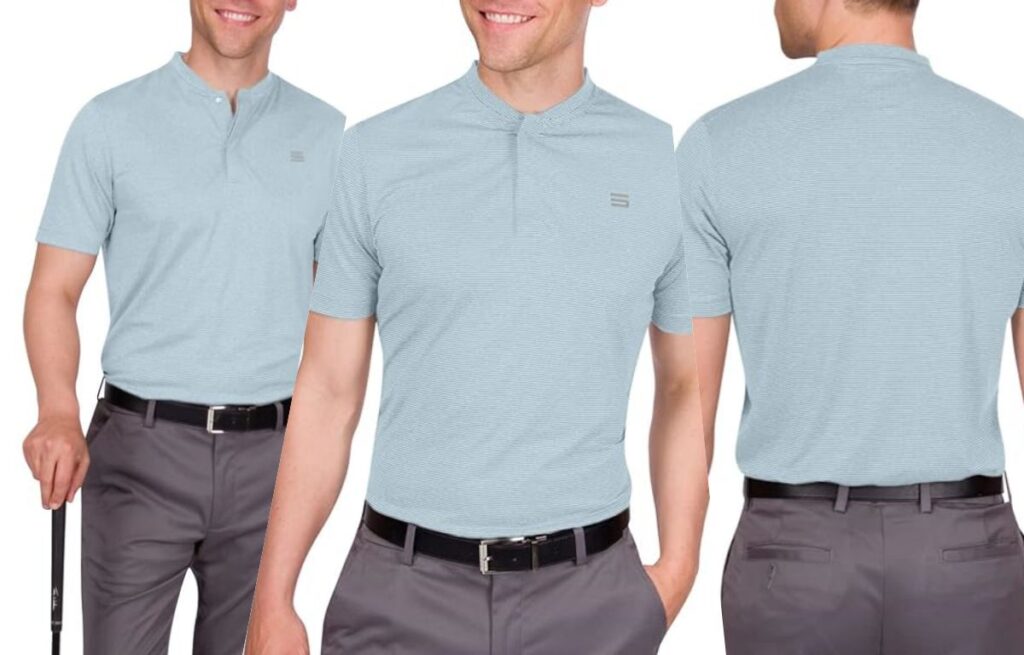
What Sets Collarless Polos Apart from Traditional Polos?
It’s easy to assume collarless polos are just t-shirts with buttons, but their design, material choices, and styling options run much deeper.
Collarless polos remove the classic collar and often use a tailored band, crew, or even a minimalist “Johnny collar” neckline. This simple change delivers a modern, streamlined look while maintaining the refined DNA of a polo shirt.
The Design, Benefits, and Styling of Collarless Polos
Construction and Design
- Neckline Options: Most collarless polos use a narrow banded neck, crew neck, or Johnny collar (a small open V without a traditional collar). These options give the shirt a cleaner, understated appearance.
- Placket Choices: Some collarless polos keep the classic polo button placket; others opt for no buttons at all for an even more minimal look.
- Fabric Selection: Like standard polos, collarless polos use cotton jersey, pique knit, modal, or technical blends for different textures and drape.
Fashion Advantages
- Contemporary Aesthetic: The absence of a collar gives a casual, modern vibe that pairs easily with tailored pants, joggers, or shorts.
- Less Formality: Collarless polos move naturally between smart-casual and leisure, making them ideal for work-from-home, creative offices, or relaxed weekends.
- Comfort: With less bulk around the neck, these polos are lighter and cooler—especially in warm weather.
Styling Versatility
- Layering: Collarless polos layer well under jackets, bomber coats, or cardigans without collar “bunching.”
- Branding: Clean neckline provides extra space for logo embroidery, chest prints, or other unique details.
- Seasonality: Suitable for spring, summer, or layered looks in fall—just switch up fabric weight and color.
| Feature | Collarless Polo | Traditional Polo |
|---|---|---|
| Collar Type | None or banded | Stand-up, ribbed |
| Look/Feel | Minimal, relaxed | Classic, preppy |
| Main Use | Modern casual, street | Business, sports, classic casual |
| Comfort Level | High | High |
| Layering | Excellent | Good |
Who Should Consider Collarless Polos?
- Brands: Looking to modernize collections, appeal to younger or trend-driven customers, or offer something different from standard polo assortments.
- Consumers: Wanting comfort, updated style, and shirts that bridge t-shirt ease and polo polish.
Collarless Polo in the Fashion Market
Designer brands and high-street labels now offer collarless polos for their clean lines and versatility. They’re a favorite for capsule wardrobes, travel collections, and minimalist brands. More brands now use organic cotton or recycled fibers to target eco-conscious consumers as well.
Mandarin Collar Polo
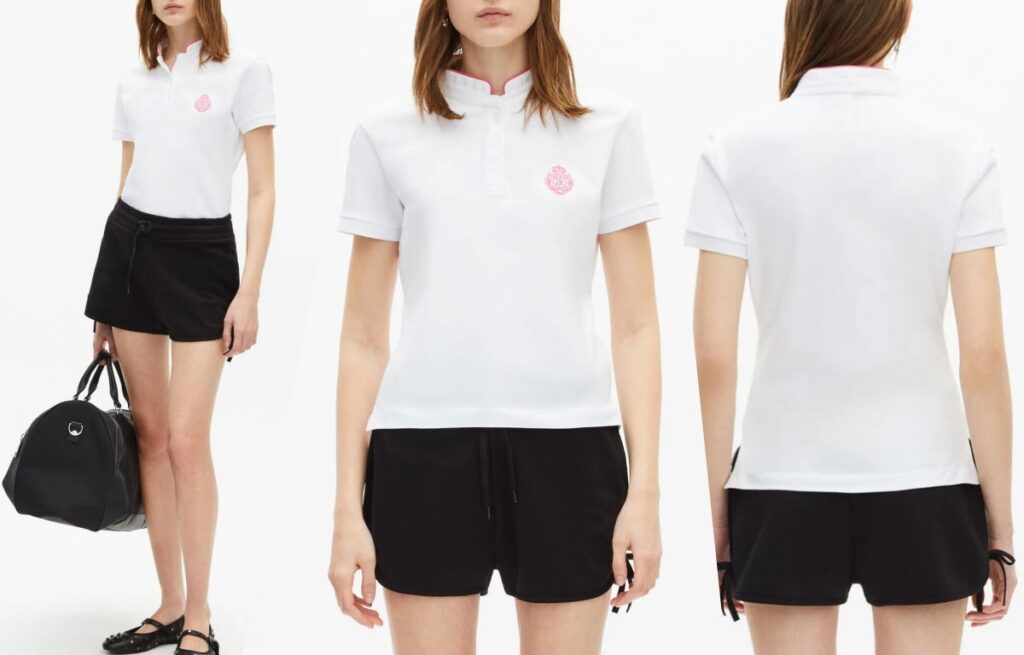
What Sets Mandarin Collar Polos Apart from Other Polo Shirt Styles?
Mandarin collar polos may look simple, but their origins, comfort, and styling options give them a distinct identity—different from both traditional and collarless polos.
Mandarin collar polos feature a low, band-style collar (about 2-4cm tall) that stands upright around the neck. This creates a sharp, minimal profile while keeping the classic button placket and polo structure. The result is a shirt that feels both elegant and relaxed.
The History, Design, and Modern Appeal of Mandarin Collar Polos
Design Elements
- Mandarin/Band Collar: A narrow, stand-up band that circles the neck without folding over. It draws inspiration from traditional Chinese garments, adding a refined, international touch.
- Button Placket: Most mandarin collar polos retain the classic polo placket (2-3 buttons), though some designs use hidden snaps or no buttons for a sleeker look.
- Fabric Choices: Available in pique knit, jersey, or high-end blends like modal and Tencel for varied texture and drape.
- Tailoring: Many mandarin collar polos are slim-cut or slightly tapered for a modern fit.
Cultural and Fashion Significance
- East Meets West: The mandarin collar references traditional Chinese attire, but has long been embraced in global menswear. It’s now associated with both heritage and forward-thinking design.
- Minimalist Aesthetic: The absence of flaps or points makes the neckline clean and less fussy, fitting today’s taste for pared-back, architectural shapes.
- Unisex Appeal: Mandarin collars are common in both men’s and women’s shirts, offering gender-neutral elegance.
Practical Benefits
- Comfort: Less bulk at the neck means mandarin collar polos feel lighter and less restrictive, especially in hot climates.
- Versatility: These polos move easily between casual, smart-casual, and even semi-formal settings.
- Easy Layering: The clean collar works well under jackets and knitwear, avoiding the “bunching” of traditional collars.
| Feature | Mandarin Collar Polo | Traditional Polo | Collarless Polo |
|---|---|---|---|
| Collar Type | Band/stand-up | Ribbed/turn-down | Band/crew/Johnny |
| Style | Minimal, modern, refined | Classic, sporty, preppy | Relaxed, casual |
| Main Influence | Asian, global | British, American | Street, minimalist |
| Best For | Smart-casual, creative work | Golf, business-casual | Leisure, modern casual |
| Layering Ease | Excellent | Good | Excellent |
Styling and Brand Opportunities
- For Brands: Mandarin collar polos are perfect for premium or fashion-forward collections. They differentiate your polo offering and appeal to consumers looking for subtle uniqueness.
- For Consumers: Pair with tailored pants or modern joggers for a smart, cosmopolitan look. Great for creative professionals, business-casual dressers, or anyone wanting a break from the standard collar.
- Customization: Embroidery, minimalist logos, or contrast plackets look especially sharp on the clean neckline.
Oversize Polo

What Sets Oversize Polos Apart from Classic Polo Shirts?
It’s easy to think “oversize” just means buying a polo two sizes up. But true oversize polos are purpose-built, with technical differences in construction, design, and fabric.
Oversize polos are engineered with wider shoulders, longer sleeves, and a straight, un-tapered body. This design delivers intentional volume and drape, offering a different attitude and movement than traditional slim or regular-fit polos.
The Design, Functionality, and Fashion of Oversize Polos
Construction and Silhouette
- Dropped Shoulders: Shoulder seams sit lower on the arm, giving a relaxed, casual effect.
- Extended Sleeves: Sleeves are longer and wider, sometimes reaching the elbow or even forearm.
- Boxy Body: The torso is cut straight from the chest to the hem, avoiding any taper or shaping at the waist.
- Longer Length: Some oversize polos add extra length in the body or side slits for styling flexibility.
Fabric Choices
Oversize polos work best with medium-weight, structured fabrics that hold their shape:
- Heavy Jersey Cotton: Adds a clean, architectural drape.
- Pique Knit: Classic texture, but in a modern, large silhouette.
- Tech Blends: Polyester or Tencel blends for a crisp, cool feel.
Fashion Benefits
- Trend-Driven: Oversize polos tap into streetwear, skate, and 90s revival trends—making them a favorite for younger consumers and bold brands.
- Comfort: Extra room makes them breathable, perfect for layering or for warmer weather.
- Unisex Appeal: Many brands offer oversize polos as gender-neutral, suitable for anyone.
Styling Tips
- Balance Proportion: Pair with slim or tapered bottoms (skinny jeans, leggings, tailored trousers) to avoid a shapeless look.
- Layer Up: Wear over a turtleneck or long-sleeve tee for a street-inspired effect.
- Statement Accessories: Add bold sneakers, chunky jewelry, or caps for a runway-ready vibe.
- Tuck or Untuck: Some wearers like a partial tuck at the front for a relaxed yet intentional style.
| Feature | Oversize Polo | Classic Polo |
|---|---|---|
| Fit | Loose, boxy, dropped shoulder | Slim, regular, or fitted |
| Sleeve Style | Extended, sometimes elbow | Mid-bicep, fitted |
| Fashion Influence | Streetwear, skate, high fashion | Preppy, sporty, smart-casual |
| Comfort Level | Maximum | Moderate |
| Gender Flexibility | High (often unisex) | Traditional men’s/women’s cuts |
Oversize Polo for Brands and Designers
For brands, oversize polos can refresh a collection and reach style-conscious, younger customers. Offering limited-edition graphics, logo embroidery, or bold colors will help the design stand out. Sizing consistency and quality finishing are critical to avoid appearing careless or cheap.
Women’s Polo

How Are Women’s Polo Shirts Designed Differently Than Men’s?
Most people notice color and print differences, but the technical construction and shaping details are what really matter for women’s polos.
Women’s polos are cut with contoured side seams, shorter sleeve lengths, and narrower shoulders. The result is a more feminine fit that follows body lines without sacrificing comfort or range of motion. Other key differences include button direction, placket depth, and more varied collar styles.
Fit, Features, and Styling of Women’s Polos
Tailoring and Fit
- Waist Shaping: Most women’s polos are slightly tapered at the waist for a flattering silhouette.
- Shorter Sleeves: Sleeves end higher on the arm, creating a more balanced proportion for smaller frames.
- Bust Darts or Stretch Panels: Some designs include darts or flexible fabric zones to allow for movement and a clean fit.
- Length: Women’s polos are often shorter overall, preventing bunching at the hips.
Fabric Innovations
- Soft Cotton Blends: Prioritize comfort, breathability, and gentle drape.
- Performance Fabrics: Moisture-wicking polyester or nylon blends for sports, golf, and outdoor wear.
- Sustainable Options: Many brands now use organic cotton, bamboo, or recycled fibers.
Style and Fashion Details
- Collar Variations: Includes classic ribbed, mandarin, Johnny, or even contrast and printed collars.
- Color and Print: Wider palette—pastels, brights, florals, stripes, and even all-over prints.
- Placket Design: Some women’s polos use deeper or hidden plackets for a touch of femininity.
| Feature | Women’s Polo | Men’s Polo |
|---|---|---|
| Fit | Tapered, contoured | Straight, boxy, relaxed |
| Sleeve Style | Shorter, more fitted | Standard, longer |
| Length | Slightly cropped | Hip-length or longer |
| Bust/Dart Design | Yes (on some styles) | No |
| Fabric Options | Broader, softer, lighter | Heavier, classic |
Versatility and Use Cases
- Sports and Activewear: Designed for movement—tennis, golf, equestrian, or fitness classes.
- Office and Uniform: Slimmer fits with subtle details make them ideal for work, hospitality, or events.
- Casual and Fashion: Pair with skirts, tailored pants, or jeans for everyday style. Layer under sweaters or jackets for seasonal versatility.
Brand and Consumer Appeal
For brands, investing in women’s polos allows targeting a growing market segment. Custom colors, logo placement, and technical fabric upgrades help you stand out. For consumers, women’s polos offer practical elegance and true comfort for any lifestyle.
Wool Polo

What Makes Wool Polo Shirts Different from Cotton or Synthetic Polos?
Most people expect polos to be lightweight, cool, and sporty. Wool changes the game with unique benefits—and specific care requirements.
Wool polos are crafted from fine merino, cashmere, or wool blends, providing natural breathability, moisture-wicking, and odor resistance. Unlike cotton or polyester polos, wool versions insulate against cold, regulate heat, and offer a more luxurious, dressy appearance.
Fabric Science, Performance, and Fashion Value of Wool Polos
Material Innovation
- Merino Wool: The most common choice for wool polos. Soft, lightweight, non-itchy, and suitable for direct skin contact.
- Cashmere/Wool Blends: Used in luxury polos for added softness and warmth.
- Wool-Silk Blends: Offer sheen, softness, and a lightweight hand feel for elevated fashion.
| Fabric Type | Key Features | Best For |
|---|---|---|
| 100% Merino Wool | Breathable, natural stretch, non-itchy | Layering, all seasons |
| Merino-Cashmere Blend | Extra soft, insulating, luxury feel | Fall/winter, smart casual |
| Wool-Silk Blend | Smooth, elegant drape, temperature control | Premium, office, occasion wear |
Performance Benefits
- Temperature Regulation: Wool fibers trap air, keeping you warm in cool weather and cool in the heat.
- Moisture Management: Naturally wicks sweat away, drying quickly without feeling damp.
- Odor Resistance: Wool is naturally antimicrobial, so polos stay fresh longer between washes.
- Drape and Structure: Wool polos hold their shape and resist wrinkling, making them perfect for travel or long days.
Style and Versatility
- Smart Casual Staple: Wool polos look dressier than cotton, working well under blazers, cardigans, or as stand-alone pieces with trousers.
- Textured Appeal: Available in fine jersey knit for sleek looks, or heavier knits for a sweater-like polo.
- Seasonless Wear: Thin merino polos transition easily between seasons; heavier blends suit autumn and winter.
Care and Durability
- Care Instructions: Most wool polos need gentle washing (hand wash or machine wool cycle), and flat drying to maintain shape.
- Durability: High-quality merino is naturally durable, but pilling can occur with heavy friction. Use a sweater comb or follow care labels for best results.
| Attribute | Wool Polo | Cotton Polo | Synthetic Polo |
|---|---|---|---|
| Warmth | High (esp. blends) | Medium/Low | Low/Medium |
| Breathability | Excellent | Good | Good (depends on knit) |
| Moisture Wicking | Excellent | Good | Excellent |
| Odor Control | Excellent | Average | Average |
| Look/Finish | Refined, luxurious | Casual, sporty | Performance-driven |
| Care | Gentle, special | Easy, machine wash | Easy, machine wash |
Who Should Try a Wool Polo?
- Professionals: Great for office or business casual settings, especially when you want a step above standard polos.
- Travelers: Perfect for layering, easy to dress up or down, and resists wrinkles on the go.
- Style Enthusiasts: For anyone wanting a premium alternative to everyday polos—offering more sophistication and versatility.
Uniform Polo

How Are Uniform Polo Shirts Designed Differently from Fashion or Sports Polos?
Many people think all polos are the same, but true uniform polos are engineered for high-use, multi-wash environments where appearance and function must last.
Uniform polos prioritize durability, color retention, and a universally flattering fit. They skip flashy details for neat, minimal design—often using reinforced stitching, double-layer collars, and fade-resistant fabrics to survive daily wear and frequent industrial laundering.
The Fabric, Fit, and Features That Define Uniform Polos
Fabric Science
- Polyester or Poly-Cotton Blends: The gold standard for uniform polos. Polyester is strong, resists fading and pilling, and dries quickly. Poly-cotton blends offer more softness but retain durability and shape.
- Colorfast Technology: Essential for teams or schools—ensures branding or uniform colors stay true after repeated washes.
- Easy-Care Finishes: Many uniform polos are treated to resist wrinkles, stains, and shrinking, reducing time and costs for wearers.
| Fabric Type | Pros | Cons |
|---|---|---|
| 100% Polyester | Most durable, fast-drying | Less breathable |
| Poly-Cotton Blend | Soft, more breathable | Slightly less durable |
| 100% Cotton | Very soft, comfortable | Fades and shrinks over time |
Fit and Sizing
Uniform polos must work for diverse body types:
- Classic Fit: Roomy enough for movement, but not sloppy.
- Extended Sizing: Available in a wide range of sizes for all team members.
- Unisex Patterns: Many brands use a universal cut to simplify ordering and inventory.
Features for Daily Use
- Reinforced Collars and Plackets: Hold shape after many washes.
- Double-Needle Stitching: Prevents seams from splitting.
- Side Vents or Split Hems: Add flexibility and comfort.
- Minimal Branding: Customizable space for embroidery, patches, or logos.
Why Are Uniform Polos Popular for Groups?
Uniform polos help companies and schools:
- Project a Professional Image: Consistent dress makes a team look organized and trustworthy.
- Increase Employee Comfort: Breathable, soft polos are easier to wear than dress shirts for long shifts.
- Simplify Maintenance: Easy to wash, dry, and care for—reducing hassle for employees, students, or parents.
- Cost Efficiency: Bulk orders and durable construction keep long-term costs low.
| Feature | Uniform Polo | Fashion Polo | Sports Polo |
|---|---|---|---|
| Main Purpose | Work/school uniform | Personal style/fashion | Athletic performance |
| Fabric | Poly/cotton blend, poly | Cotton, blends, luxe | Performance synthetics |
| Durability | Maximum | Moderate | High (for sport) |
| Branding | Customizable, subtle | Statement or minimal | Team, athletic |
| Fit | Classic, unisex, varied | Slim, classic, trendy | Athletic, fitted |
For Brands and Organizations
Uniform polos are an extension of brand identity. Custom color matching, embroidery, or special trims can boost professionalism and team pride. Leading suppliers offer design support, sampling, and quality control to guarantee every shirt fits and performs as promised.
What is the Best Material for Polo Shirts?
Choosing the correct material significantly impacts your polo shirt’s comfort, longevity, and overall feel. Materials range from pure cotton to performance blends, each offering unique benefits.
The best material for polo shirts is typically a cotton-polyester blend. This fabric balances comfort, breathability, moisture-wicking, and durability, maintaining shape and color even after multiple washes, making it suitable for casual and athletic use alike.
Analyzing Different Polo Shirt Fabrics
To understand better, let’s look at each common polo shirt fabric:
Pure Cotton
- Pros: Breathable, soft, comfortable for casual wear
- Cons: Prone to shrinking and wrinkling after washing
Polyester Blends
- Pros: Wrinkle-resistant, durable, retains shape
- Cons: Less breathable, less soft compared to cotton
Cotton-Polyester Blends (Recommended)
- Pros: Combines benefits—softness, breathability, and wrinkle-resistance
- Cons: May not feel as luxurious as premium pure cotton polos
| Material Type | Ideal Use | Maintenance Ease | Comfort Level |
|---|---|---|---|
| 100% Cotton | Casual, office | Medium | High |
| Polyester Blend | Sports, activewear | Easy | Medium |
| Cotton-Poly Blend | Versatile, everyday use | Easy | High |
When selecting material, consider your specific use-case—whether casual, athletic, or professional—to maximize comfort and performance.
How Do I Choose a Good Polo Shirt?
Choosing the right polo shirt requires attention to details like fit, color, stitching, and brand reliability. A good polo shirt should enhance your appearance, provide comfort, and withstand regular usage.
To choose a good polo shirt, focus on fit (slim or classic), fabric quality (softness, breathability, and durability), stitching details (tight seams and consistent finishing), and brand reliability. Ensure the polo complements your lifestyle, whether casual, professional, or athletic.
Step-by-Step Guide to Selecting Your Perfect Polo
To ensure you choose a great polo shirt every time, follow these critical steps:
Step 1: Evaluate Fit and Style
- Slim Fit: Offers a tailored look, ideal for lean or athletic body types.
- Classic Fit: Provides comfort with looser sleeves and body fit, suitable for casual settings or fuller body types.
Step 2: Check Fabric Quality
- Inspect fabric softness, elasticity, and breathability.
- Confirm the blend (cotton, polyester, blends), ensuring alignment with your use-case.
Step 3: Examine Stitching and Finishing
- Look closely at seams and collar stitching. Quality polos have tightly-stitched seams, no loose threads, and reinforced buttons.
| Quality Indicator | What to Check |
|---|---|
| Stitching | Tight seams, consistent finishing |
| Fabric | Softness, elasticity, color retention |
| Buttons and Collar | Durable buttons, structured collar |
Step 4: Brand Reliability
- Trust established brands or reputable manufacturers. Their polos are consistently reliable in quality and fit.
Following these steps, you’ll confidently pick a good polo shirt, enhancing your style, comfort, and long-term satisfaction.
Conclusion
Choosing the perfect polo shirt is easy once you understand fit, material, and intended use. Opt for cotton-poly blends for versatility, prioritize reputable brands for consistent quality, and evaluate details like stitching and fit carefully. Armed with these insights, you’ll consistently select polos that meet your fashion and functional requirements.