You’ve probably seen a lot of half-zip hoodies lately—but do you know how to tell them apart?
There are 18 distinct types of half-zip hoodies, each with its own fabric, fit, and fashion function. Knowing these can help you make better buying decisions or design collections with purpose.
Back when I was sourcing my first hoodie line, I used to lump them all into one category. But understanding the differences changed how I negotiated with factories, and even how I talked to clients.
Basic Solid Half-Zip Hoodie
Why is the Basic Solid Half-Zip Hoodie still the foundation of every high-performing collection?
Not every bestseller needs to be flashy. Sometimes, simple works best—over and over again.
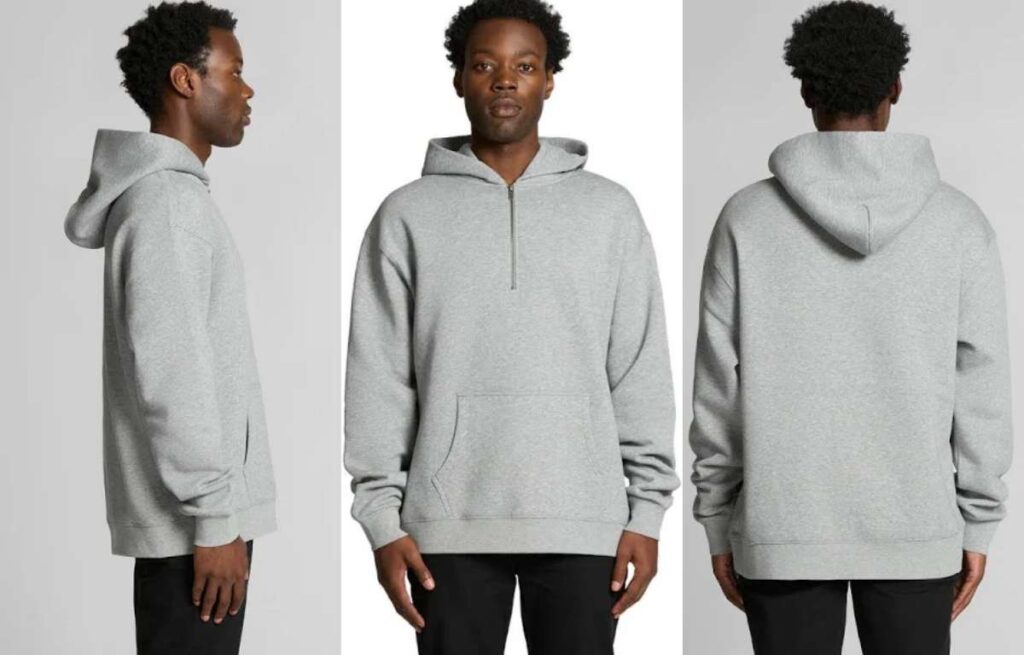
The Basic Solid Half-Zip Hoodie is a clean, single-color design with no graphics or added features. It focuses on fit, fabric quality, and versatility—making it one of the most widely produced and worn hoodie types in the world.
One of my long-term buyers once told me, “We always start with solids. If that works, we’ll try the rest.” That stuck with me—because the basic solid half-zip is often the entry point to trust and reorders.
What defines a basic solid half-zip hoodie?
This style is built around the essentials—no gimmicks, just dependable design:
| Element | Description |
|---|---|
| Color | Single-tone throughout, often neutral or core palette |
| Fabric | Cotton-poly blend or pure cotton, 260–320gsm |
| Features | Minimalist design—no graphics, patches, or heavy trims |
| Fit | Regular or relaxed cut, suited for mass-market appeal |
| Zipper | Simple nylon coil or metal half-zip, tone-on-tone color |
These hoodies are typically offered in black, grey, navy, white, olive, or beige—and serve as canvas for logos, styling, or seasonal layering.
Where does the basic solid half-zip perform best?
1. Private Label and Custom Branding
Ideal for brands that want to add logos, embroidery, or screen prints on a blank base.
2. Mass-Market Wholesale
Buyers from department stores, gym chains, and online retailers often start with these as low-risk, high-volume products.
3. Workwear and Uniform Programs
Their simplicity and uniformity make them great for outfitting teams or staff with co-branded apparel.
4. Core Replenishment Lines
Seasonless and trend-resistant—these hoodies become “always available” SKUs that drive steady revenue.
Dive deeper: why simplicity = profitability in this case?
1. Lower MOQ and Setup Cost
No need for complex trims, custom washes, or graphics. Factories can run these faster, with fewer variables.
2. Faster Lead Times
Because the design is standardized, there’s less back-and-forth in sampling. Many suppliers even stock blank bodies.
3. Easier to Scale
You can start small and scale up across regions, markets, or product lines with minimal redesign.
4. Customization Ready
With no design elements getting in the way, buyers can:
- Print their own logos
- Embroider patches or sleeve labels
- Use as giveaways, promo merch, or influencer send-outs
This makes them an ideal white-label base.
Cropped Half-Zip Hoodie
What makes a Cropped Half-Zip Hoodie so trendy right now?
Cropped styles have taken over streetwear. But what exactly sets a cropped half-zip apart?
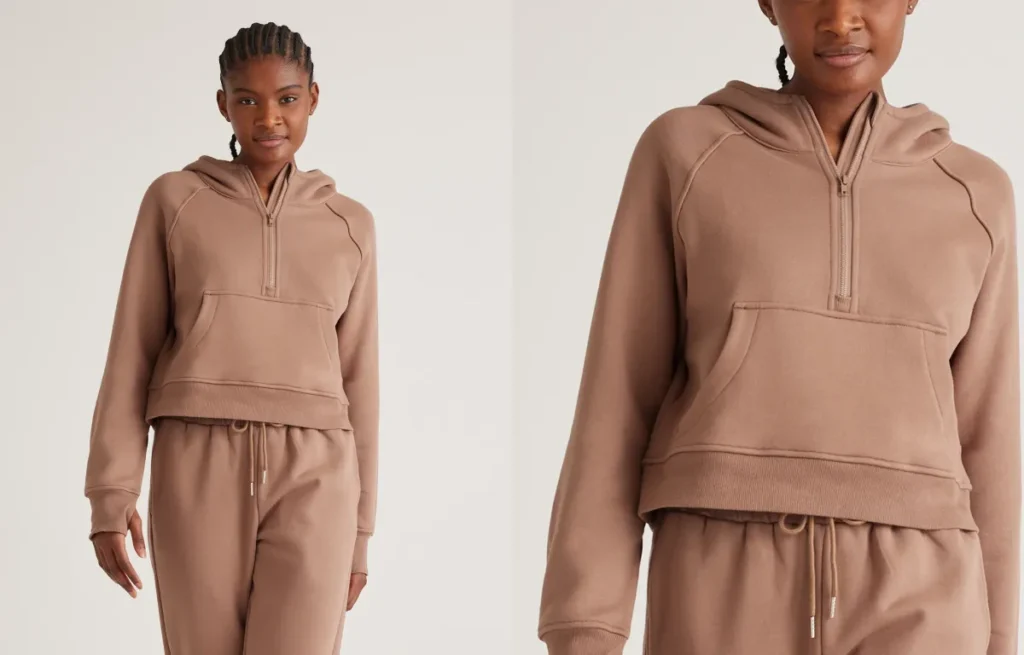
A Cropped Half-Zip Hoodie is shorter in length, ending above the waist, often combining performance materials with fashion-forward silhouettes. It’s widely loved for layering and styling flexibility.
When I started offering cropped half-zips, I noticed more interest from boutique buyers. They needed something trendy, but not too niche. That’s when I realized the full potential of this style.
What defines the cropped cut?
The key feature of a cropped half-zip hoodie is its length. Most traditional hoodies hit at the hips, while cropped ones stop around the midriff or just above the waistband. This design naturally draws attention to the waist, which makes it ideal for pairing with:
- High-waisted leggings
- Oversized outerwear
- Sports bras and tanks
It’s a common choice in athleisure, especially among Gen Z consumers who favor modern silhouettes.
Why is it popular in activewear?
Because the design offers both breathability and movement, it’s perfect for post-workout wear or casual outings. The zipper allows adjustable airflow, and the cropped cut keeps things lightweight.
| Feature | Benefit |
|---|---|
| Half-Zip Front | Easy on/off and adjustable ventilation |
| Cropped Length | Enhances style and reduces bulk |
| Stretch Fabric | Offers flexibility and comfort during light activity |
| Branded Logo Placement | Usually centered or chest-level for visibility |
Who is buying cropped half-zip hoodies?
Buyers looking to target urban and fitness markets. For example, I worked with a distributor in Toronto who bundled them with matching biker shorts. It sold out in 3 weeks.
These styles are especially popular in markets like:
- North America (festival season, fall layering)
- UK (streetwear fashion)
- Australia (active beachwear combo sets)
And if your buyer prefers smaller MOQ runs for testing? Cropped styles are ideal due to their trend-driven nature and high sell-through potential.
Oversized Half-Zip Hoodie
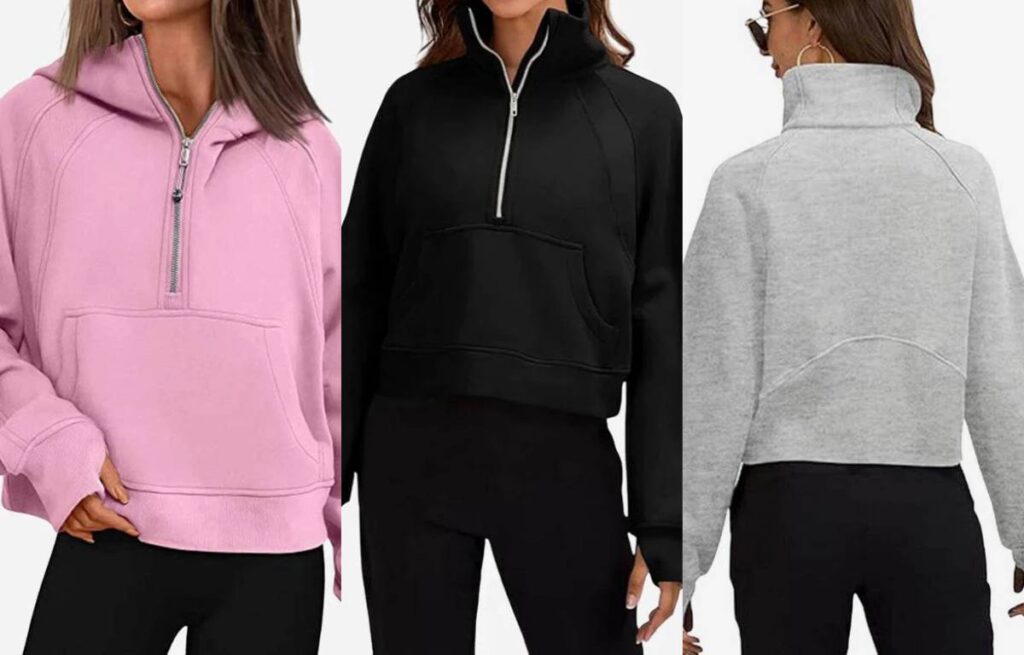
Why is the Oversized Half-Zip Hoodie dominating both fashion and function?
Oversized silhouettes are everywhere right now. But what makes the half-zip version different?
An Oversized Half-Zip Hoodie is designed with extended dimensions for a relaxed, roomy fit, offering extra comfort, layering potential, and a strong streetwear aesthetic that appeals across age groups.
I remember showing one oversized sample to a European buyer who initially thought it was “too baggy.” Two weeks later, she reordered 3x the quantity—it ended up as her best-selling winter drop.
What exactly makes it oversized?
The oversized half-zip hoodie isn’t just a larger version of the classic hoodie. It is thoughtfully cut to create a draped, relaxed look without making the wearer look shapeless. Key pattern changes include:
- Wider body width (shoulder to hem)
- Dropped shoulders
- Extra sleeve length
- Extended torso length, often covering the hips
- Wider ribbed hem and cuffs for structure
These hoodies are designed to hang loosely without clinging. It’s all about the balance—loose, but still engineered.
Why are oversized styles in such high demand?
Because comfort has become a status symbol. Post-2020, consumers prioritize feeling good in what they wear. That shift shows up in the data too—searches for “oversized hoodies” have grown globally, especially in markets like:
- North America
- UK
- Germany
- Australia
In B2B scenarios, this style is often bundled with joggers, creating a high-margin, low-risk product set.
What makes the half-zip detail so important in this version?
While a pullover oversized hoodie can feel bulky, adding a zipper changes the experience:
| Detail | Function |
|---|---|
| Half-zip Front | Breaks up the volume visually, making it more flattering |
| Easy Ventilation | Prevents overheating—great for transitional seasons |
| High Collar Zipped Up | Adds structure and a premium look |
| Partially Zipped Down | Shows layers, creates casual streetwear vibe |
Many oversized half-zips also feature kangaroo pockets, brushed fleece lining, and thicker drawcords—small but impactful design features that elevate the piece.
How can buyers and brands use this style strategically?
Here are a few specific use cases where this hoodie performs well:
1. Gender-Neutral Collections
Oversized fits naturally work across gender lines. Unisex styling reduces SKU counts while expanding market appeal.
2. Custom Embroidery or Appliqué
Because of the larger surface area, oversized hoodies are great for statement branding—think bold logo placements or textured appliqués.
3. Layering Seasons
In colder regions like Canada or Northern Europe, oversized half-zips layer easily over thermals or base layers, extending their selling season.
4. Social Media Appeal
They photograph well. Influencers and brands alike love the “slouchy + luxe” look. This makes them ideal for marketing through Instagram, TikTok, and lookbooks.
Pro Tips When Sourcing Oversized Half-Zips
| Consideration | What to Ask Your Factory |
|---|---|
| Fabric Weight | 350gsm and up recommended for structure |
| Shrinkage Rate | Pre-shrunk or enzyme washed to avoid sizing issues |
| Fit Sample | Always request a fit sample; oversized patterns vary a lot |
| MOQ | Some factories require higher MOQ for oversized styles due to fabric usage |
From my own experience, offering oversized options helped me unlock deals with both streetwear startups and mainstream activewear brands. It’s versatile, trend-aligned, and highly rebrandable.
Slim Fit Half-Zip Hoodie
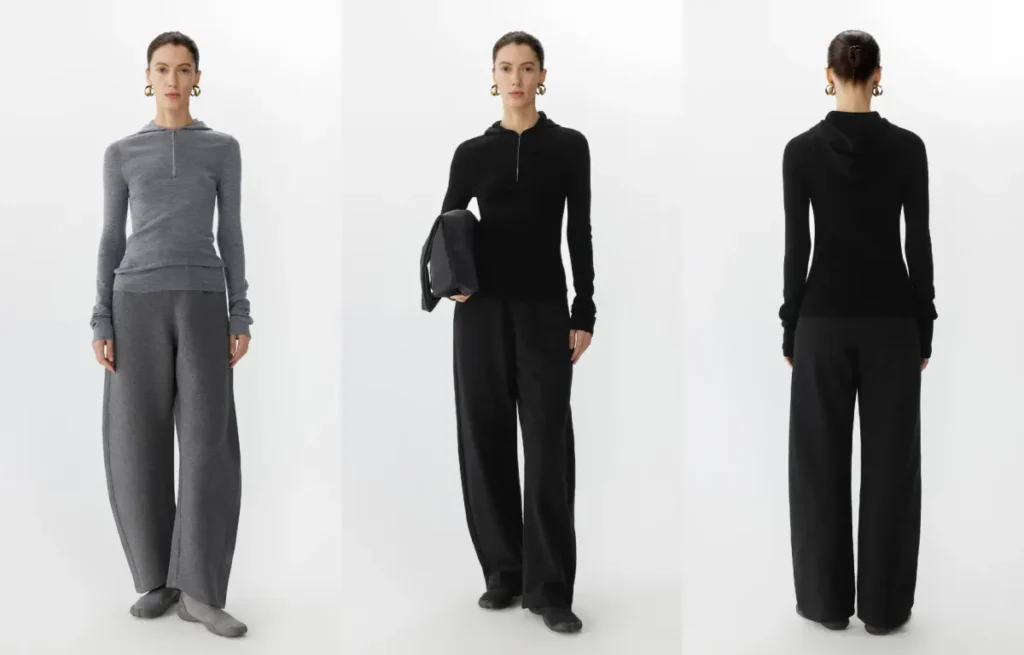
Why does the Slim Fit Half-Zip Hoodie stay popular across markets?
Not every customer wants baggy. Some want form-fitting, sleek, and functional. That’s where the slim fit comes in.
The Slim Fit Half-Zip Hoodie is cut closer to the body, ideal for layering or athletic wear. It blends a tailored appearance with technical comfort, making it a favorite in both performance and casual categories.
I once met a yoga apparel buyer who told me, “Baggy makes sense on the street, but our clients want gear that moves with them, not against them.” That’s when I doubled down on slim fits—and the reorder rate spoke for itself.
What makes a hoodie ‘slim fit’?
A slim fit hoodie is designed to contour to the body without feeling restrictive. Compared to regular or oversized fits, the cut is narrower at the:
- Chest
- Waist
- Sleeves
- Shoulders
This creates a sleek silhouette that follows the body’s shape. Here’s a basic visual breakdown:
| Area | Slim Fit | Regular Fit |
|---|---|---|
| Torso | Tapered at waist | Straight cut |
| Sleeves | Snug, minimal excess | Loose, more room |
| Shoulder Seam | Aligned with natural shoulder | Slightly dropped or relaxed |
Why is this fit especially suited for half-zip styles?
The half-zip opening allows easier on/off without needing a full front zip, which helps maintain a clean, minimal front panel. This gives the slim fit hoodie:
- A sleek visual appeal
- Less bulk when layered under jackets
- A modern, sporty edge for activewear brands
These hoodies often feature lightweight fabrics with 4-way stretch to maintain comfort despite the close fit.
Where does it perform best in the market?
Slim fit half-zips excel in these niches:
1. Fitness and Yoga Studios
They’re ideal for pre- and post-workout layering. The slim silhouette complements performance wear like leggings or compression tops.
2. Urban Athleisure Brands
Many modern brands cater to active lifestyles—gym to brunch. The slim fit hoodie bridges both worlds.
3. E-commerce Brands
Because of the sharp silhouette, these hoodies photograph very well, which boosts conversion rates for online buyers.
4. Seasonal Capsule Collections
Their tighter fit makes them easier to layer during colder months, especially under vests or trench coats.
Technical Considerations When Sourcing Slim Fit Half-Zip Hoodies
| Element | Detail |
|---|---|
| Fabric Composition | Blends like cotton-spandex or recycled polyester-spandex offer stretch and shape retention |
| GSM Range | 240–320gsm depending on season; lighter for summer, mid-weight for all-year |
| Stitching | Flatlock or cover-stitching to reduce chafing, especially for activewear |
| Fit Testing | Critical—ask factory for tech packs and body measurement charts tailored to gender/market |
| Branding Zones | Usually subtle—think tonal embroidery, heat-transfer logos at the chest or sleeve |
How can you position slim fit hoodies for your buyers?
If your client base includes yoga studios, boutique gyms, or wellness brands, this is an ideal style to pitch. Many of them want gear that looks premium but performs under pressure. The slim fit half-zip delivers on both.
Here’s how I often bundle them:
- With matching slim joggers or yoga leggings
- In monochrome capsule packs (Black, Charcoal, Olive)
- As part of a “movement-ready” series for activewear buyers
Also worth noting: clients with retail stores love how clean these look on mannequins or folded on shelves. They don’t slump or lose shape easily.
Colorblock Half-Zip Hoodie
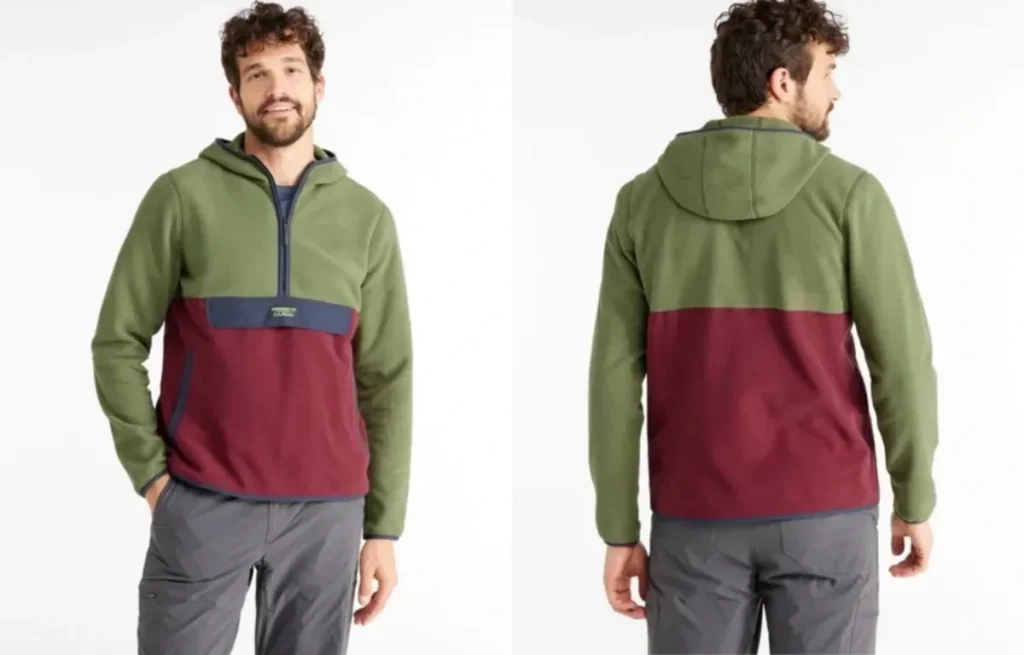
What makes the Colorblock Half-Zip Hoodie stand out from the rest?
Colorblock styles pop on shelves and screens. But why are they more than just a bold design choice?
A Colorblock Half-Zip Hoodie combines multiple contrasting fabric panels in one garment, enhancing visual impact and brand identity. This style merges fashion, functionality, and high consumer engagement—especially in trend-sensitive markets.
The first time I tested a colorblock half-zip in a limited run, it outsold my basics by 3x. It wasn’t just the look—it was the scroll-stopping power on social media that drove those clicks.
What defines a colorblock hoodie?
Colorblocking means the hoodie is made using at least two, often three or more distinct fabric colors or textures. These are carefully stitched together at strategic seams to:
- Break up solid areas
- Highlight body structure or brand elements
- Draw attention to specific zones (chest, sleeves, pocket area)
Here’s a typical construction breakdown:
| Panel | Common Placement |
|---|---|
| Main body | Neutral base (black, grey) |
| Sleeve top half | Bright contrast color |
| Zipper trim or piping | Neon or pastel accent |
| Hood lining | Print or off-tone color |
Colorblock pieces can be loud or subtle. It depends on color theory and design balance.
Why are colorblock half-zips such strong sellers?
They’re designed for visual attention. In retail, that’s gold.
1. Shelf and Rack Impact
In physical stores, colorblock garments stand out next to solid pieces. They catch the eye quickly, helping to increase try-on rates.
2. Social Media Engagement
These hoodies are ideal for influencer marketing. When styled well, they perform better in photos and videos because of their dynamic look.
3. Branding Real Estate
Each color panel becomes a zone for subtle branding—think tonal embroidery on one sleeve, a patch on the chest, or a logo zip pull.
Are colorblock hoodies purely about aesthetics?
Not at all. When planned properly, colorblocking has functional advantages:
- Body Mapping: Using darker panels on the sides or underarms can create a slimming effect.
- Zoning Functionality: Different fabrics can be used for different panels. For example: fleece front for warmth, mesh side for breathability.
- Limited Inventory Risk: You can use leftover fabrics from multiple colorways to create mixed-panel colorblock options. This reduces deadstock.
I’ve had multiple buyers—especially from Australia and Canada—request low-MOQ colorblock runs just to test styles. Most of them reorder after the first drop, because customers respond fast to bold visuals.
Mixed Fabric Half-Zip Hoodie
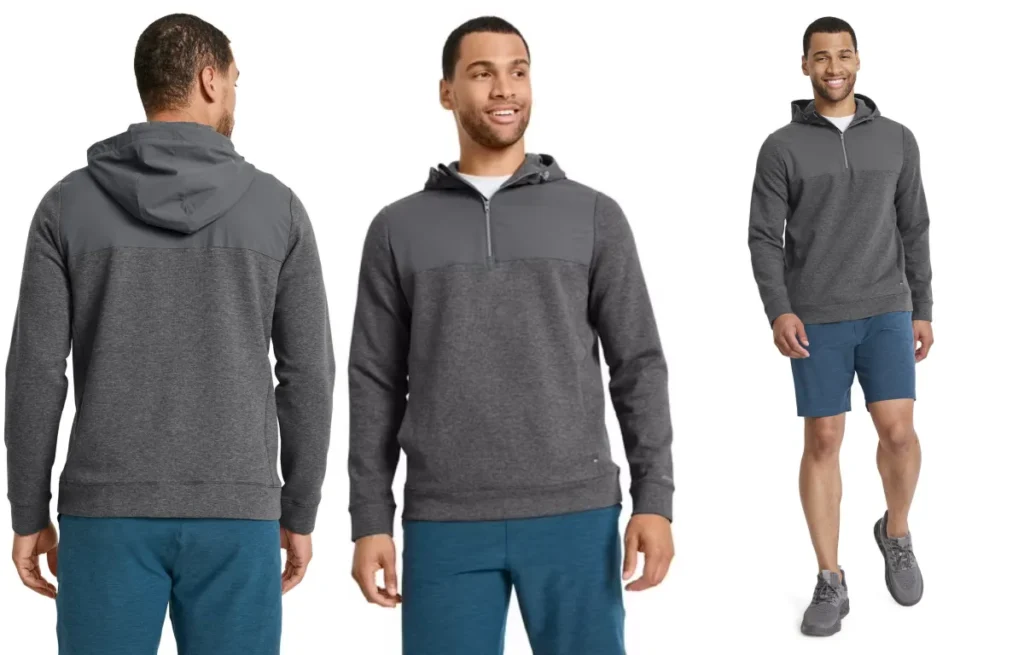
Why are Mixed Fabric Half-Zip Hoodies gaining popularity in activewear?
Mixed fabric designs are everywhere, but are they just for style—or do they serve a purpose?
A Mixed Fabric Half-Zip Hoodie uses two or more types of fabric in strategic areas to optimize comfort, durability, and visual contrast. This design approach enhances performance and adds a premium, technical look.
One of my US buyers once said, “It’s like a hoodie with built-in tech.” That stuck with me. Since then, I’ve treated mixed fabric styles not just as fashion pieces, but as performance gear with storytelling potential.
What exactly defines a mixed fabric hoodie?
Unlike standard hoodies made from a single material like cotton fleece, a mixed fabric hoodie strategically combines different fabrics—each chosen for a specific reason. Common fabric pairings include:
- Cotton + Nylon Ripstop: Cotton for comfort, nylon for structure
- Fleece + Mesh: Fleece for warmth, mesh for ventilation
- French Terry + Woven Panels: Terry for flexibility, woven for wind resistance
Typical areas for fabric mixing:
| Zone | Fabric Function |
|---|---|
| Main Body | Soft or stretchy fabric (cotton/poly blends) |
| Shoulders/Elbows | Reinforced woven or ripstop for abrasion resistance |
| Side Panels | Breathable mesh or spandex for ventilation and movement |
| Hood or Zipper Lining | Contrasting texture or thermal fleece for warmth |
This functional layout enhances user experience, especially in performance-focused designs.
What makes mixed fabric half-zips so practical?
It’s all about engineering the garment, not just sewing it. Here’s how mixed fabric construction directly benefits wearers:
1. Enhanced Durability
Adding ripstop or woven overlays to high-friction areas (like elbows or chest) prevents wear and tear, especially for outdoor or athletic use.
2. Improved Thermoregulation
By placing breathable fabric under arms or on the back panel, wearers stay cooler during activity. Meanwhile, fleece in the core area maintains warmth.
3. Optimized Fit & Movement
Stretch fabrics in the side panels or sleeves allow more movement—ideal for warm-ups, hikes, or active commuting.
4. Distinctive Visual Identity
From a branding angle, the mixed texture and finish elevate the look. This justifies a higher price point in both wholesale and DTC channels.
Fleece-Lined Half-Zip Hoodie
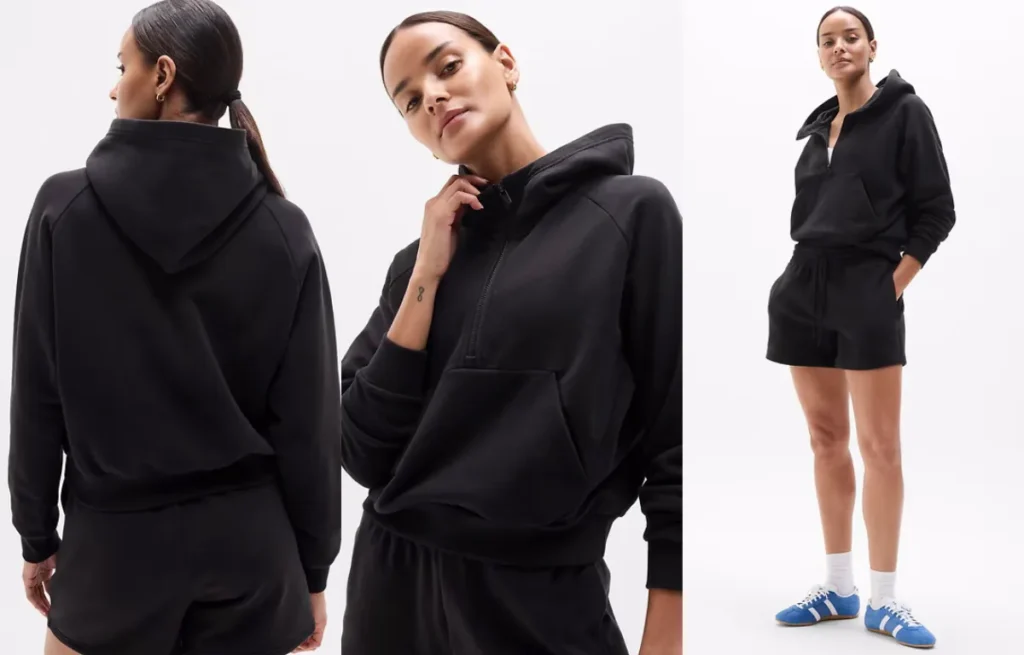
What makes a Fleece-Lined Half-Zip Hoodie ideal for colder climates?
Not all half-zips are made for warmth. But fleece-lined versions are built with one goal—insulation.
A Fleece-Lined Half-Zip Hoodie uses a soft, brushed inner lining—usually made from polyester fleece—to provide extra warmth and comfort, making it a strong choice for cold-weather or winter activewear collections.
The first time I shipped fleece-lined hoodies to a Canadian client, they called it their “best winter performer.” Since then, I always include this option when pitching to colder regions—it’s reliable, functional, and seasonal.
What defines a fleece-lined hoodie?
The difference lies in the interior finish. Instead of a smooth or loop-back knit like French terry, fleece-lined hoodies have a brushed backing that traps body heat. Here’s how it breaks down:
| Layer | Material | Function |
|---|---|---|
| Outer Shell | Cotton or cotton-poly | Durability and structure |
| Inner Layer | Brushed polyester fleece | Warmth and softness |
| Optional Mid-layer | Bonded thermal or spandex | Added stretch or insulation |
Fleece-lined half-zips often feature a slightly bulkier hand feel, but offer much better thermal performance. Some include high-neck zippers or extended collars to prevent cold air from entering.
Where does fleece lining work best?
These hoodies are ideal for:
- Fall/Winter streetwear collections
- Post-workout warmups in colder gyms or outdoor environments
- Outdoor sports, such as hiking, running, or skiing base layers
- Casual loungewear for brands focusing on comfort-first designs
Because of their thicker structure, fleece-lined half-zips often pair well with joggers, quilted vests, or puffer jackets.
Performance vs. Comfort: Striking the right balance
The key challenge when designing or sourcing fleece-lined hoodies is maintaining warmth without sacrificing movement. Here’s how to strike the right balance:
1. Choose the Right Fleece Weight
Most fleece comes in a GSM range of 220–350. For winter-specific styles, aim for:
| Use Case | Ideal GSM |
|---|---|
| Light layering | 240–270 |
| Outdoor activewear | 280–310 |
| Casual streetwear | 300–350 |
2. Use Partial Lining in Strategic Zones
Some brands only line the body and keep the sleeves unlined to reduce bulk. This is common in hybrid styles meant for movement.
3. Add Mechanical Stretch or Spandex Blends
Incorporating 5–10% spandex into the outer layer or backing helps maintain flexibility, which is essential for active consumers.
4. Keep the Zipper Function Practical
The half-zip should be smooth and durable, with a zip garage at the neck to prevent skin irritation.
Mesh Panel Half-Zip Hoodie

What makes the Mesh Panel Half-Zip Hoodie a smart choice for breathability?
Some hoodies keep you warm. Others keep you cool. Mesh panel half-zips aim for the second goal.
The Mesh Panel Half-Zip Hoodie adds lightweight, breathable mesh fabric in key sweat zones—like underarms, back panels, or sides—making it ideal for high-performance sports, fitness, and warm weather layering.
I started testing mesh panel half-zips after one of my Australian clients said, “Your fleece is great, but our climate begs for airflow.” Within one season, the mesh version outsold our regular cotton hoodies—especially in their gymwear category.
What defines the mesh panel design?
The term “mesh panel” refers to inserting a secondary fabric with open-hole structure into targeted parts of the hoodie. The goal is ventilation—to keep sweat-prone areas cooler during physical movement.
Typical mesh panel placements include:
| Panel Zone | Purpose |
|---|---|
| Underarm gussets | Prevent heat buildup and odor |
| Side body panels | Add breathability without affecting front view |
| Upper back yoke | Promote airflow during training |
| Inner hood lining | Reduce weight and increase comfort |
The mesh itself can vary by density and feel. Most brands choose between:
- Micro mesh (small holes, subtle appearance, softer hand feel)
- Athletic mesh (larger holes, bold sporty look, more airflow)
- Power mesh (stretchy, supportive—sometimes used in women’s activewear)
Why are mesh panel hoodies ideal for activewear?
Because the human body overheats at predictable zones—underarms, back, chest center. Strategically placing mesh panels at these points improves:
- Temperature regulation
- Moisture evaporation
- Overall comfort during workouts
These hoodies are especially valuable in:
- HIIT and gym training
- Outdoor running or hiking
- Team sports warmups
- Hot or humid climate markets (like Southeast Asia or Southern US)
They also layer better than fleece or thick cotton hoodies due to their lighter weight.
Sleeveless Half-Zip Hoodie
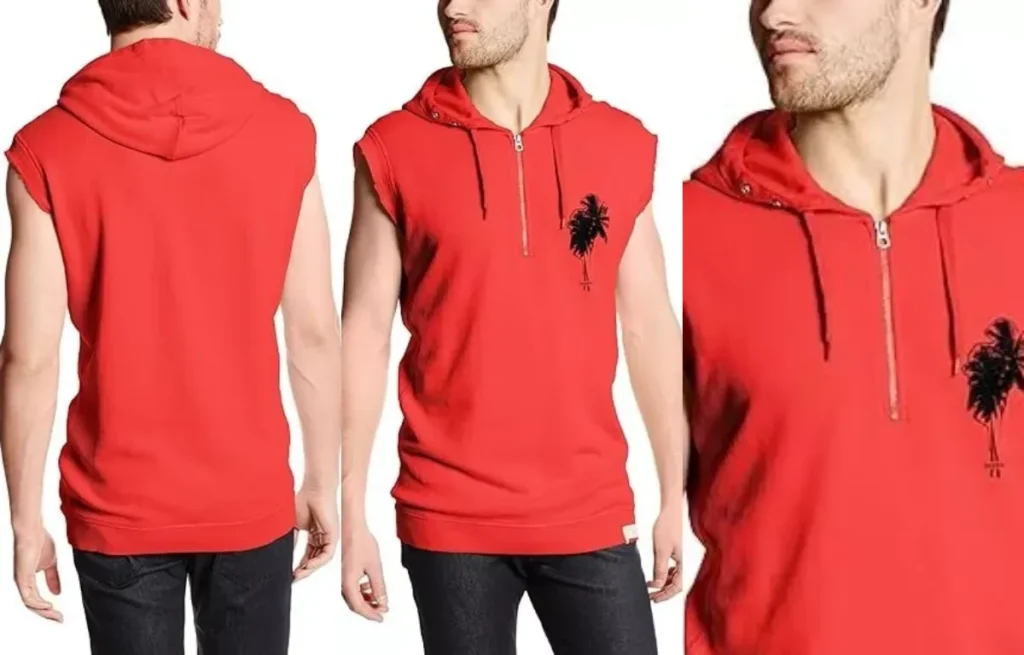
How does the Sleeveless Half-Zip Hoodie serve both form and function?
Not all hoodies are about warmth. Some are built for movement, breathability, and showing strength—literally.
The Sleeveless Half-Zip Hoodie removes the sleeves to provide greater mobility, ventilation, and a more athletic silhouette. It’s commonly used in training, bodybuilding, and casual streetwear crossover markets.
The first time I added sleeveless half-zips to my lineup, I was skeptical. But one of my Canadian gymwear clients sold out the black version within 10 days. Now it’s a fixed item in their core collection—season after season.
What makes a hoodie “sleeveless” and still functional?
A sleeveless half-zip isn’t just a tank top with a hood—it still carries the structure and identity of a hoodie, just minus the sleeves.
| Feature | Description |
|---|---|
| Armholes | Extended and reinforced, often with binding or ribbing |
| Shoulder Seam | Dropped or athletic-cut to complement muscular builds |
| Hood | Full-size, sometimes lined, for aesthetic and streetwear appeal |
| Zip | Typically 1/4 or 1/2-length for ventilation and layering control |
| Hem | Straight or rounded, sometimes with side slits for movement |
The absence of sleeves gives the garment a lightweight feel, while still retaining the coverage and style of a hoodie.
Why is this style so popular in fitness and training markets?
Because it’s designed for activity and aesthetic. In activewear, performance and visual appeal both matter—especially in gyms or outdoor training.
Key functional benefits:
- Full range of motion for arms and shoulders
- Maximum ventilation in high-sweat zones
- Layering flexibility—wear it over tanks, tees, or bare skin
- Keeps the torso warm while arms stay free
Fitness influencers and bodybuilders often favor this style because it highlights the upper body while still giving coverage at the core.
Kangaroo Pocket Half-Zip Hoodie
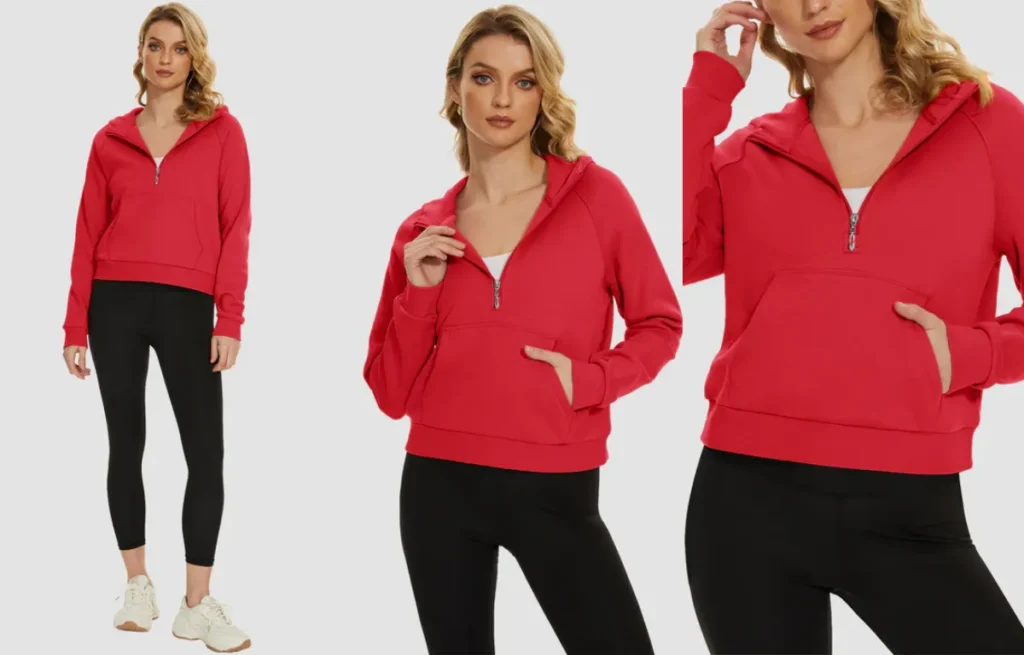
Why is the Kangaroo Pocket Half-Zip Hoodie a timeless essential?
Pockets may seem like a basic detail—but when it comes to function and lifestyle appeal, they matter more than you think.
A Kangaroo Pocket Half-Zip Hoodie features a front pouch-style pocket that spans the midsection, offering utility, warmth, and classic style. It’s a staple in streetwear, sportswear, and casual activewear collections.
The first time I pitched this style to a streetwear buyer in the US, they said: “If it doesn’t have a kangaroo pocket, it’s not a real hoodie.” That comment stayed with me—and now, this feature is one of my best-selling design standards.
What defines a kangaroo pocket?
The term “kangaroo pocket” refers to a single large pocket on the front of the hoodie, accessible from both sides. It’s usually sewn onto the front body panel and has these key design traits:
| Feature | Description |
|---|---|
| Access | Two open sides for hands to enter and meet in the middle |
| Shape | Horizontal rectangle or slightly curved at bottom |
| Construction | Topstitched to main body panel; sometimes with bartack reinforcement at corners |
| Function | Acts as both handwarmer and small-item storage |
Sometimes, the pocket is integrated into the body panel (cut and sewn). Other times, it’s applied on top. This design has evolved from military and workwear roots into a lifestyle essential.
Why is the kangaroo pocket more than just a visual element?
Because it serves three functions at once—which makes it a favorite for both consumers and designers:
1. Utility
It’s the most accessible pocket style for quickly storing essentials—keys, earbuds, phones, or ID cards.
2. Warmth
Handwarming is a real selling point, especially in colder seasons or outdoor use cases.
3. Visual Balance
The pocket breaks up the front body panel, adding depth and layering to the silhouette. It gives structure and styling options for logos, trims, or contrast panels.
That’s why kangaroo pockets are nearly standard in casualwear and streetwear collections.
Performance Half-Zip Hoodie

What makes a Performance Half-Zip Hoodie different from standard styles?
Not all hoodies are created equal—some are built to push limits, not just keep warm.
A Performance Half-Zip Hoodie is designed for training and athletic use. It uses technical fabrics, ergonomic construction, and sweat-management features to support movement, ventilation, and comfort during high-intensity activity.
I first developed a performance half-zip for a sportswear client in Germany. Their feedback was clear: “Our customers train hard—we need gear that does too.” That single hoodie became their fastest-selling Q4 item. That’s when I realized how important purpose-built design is in performance apparel.
What defines a hoodie as “performance”?
To qualify as a true performance hoodie, the design must go beyond looks. Every material, seam, and panel placement must support functionality. Core characteristics include:
| Feature | Purpose |
|---|---|
| Moisture-Wicking Fabric | Keeps sweat off the skin during intense sessions |
| 4-Way Stretch | Allows full range of motion, especially at shoulders and arms |
| Lightweight Feel | Reduces bulk for easier movement and layering |
| Mesh Panels or Laser Vents | Adds ventilation in heat zones (e.g., underarms, upper back) |
| Thumbholes or Drop Hem | Supports layering and dynamic movement |
Most performance half-zips are made from polyester-spandex blends, often treated with anti-odor or quick-dry finishes. Some include reflective elements for nighttime training.
When and where does this style perform best?
This style is built for action—whether indoors or outdoors, solo or team-based. Use cases include:
- High-intensity interval training (HIIT)
- CrossFit, weightlifting, or circuit training
- Running, especially during transitional seasons
- Outdoor sports warmups and cool-downs
- Team uniforms for warm-weather athletics
A good performance hoodie gives coverage and comfort without causing overheating or movement restriction.
How do you design performance without overcomplicating production?
The key is to focus on functional zones—not every part of the hoodie needs to do everything. Here’s how I approach it in sourcing:
1. Zoning Fabric Placement
- Main Body: Lightweight moisture-wicking polyester
- Side Panels: Mesh or perforated zones for airflow
- Sleeves: Brushed stretch fabric for warmth and comfort
- Hood: Fitted, unlined, and compact—no floppy excess
2. Strategic Seaming and Fit
Performance hoodies often use flatlock seams to avoid chafing. They also follow the body’s movement lines—especially around the shoulders, arms, and back.
3. Zipper and Collar Functionality
The half-zip serves both function and fashion here:
- Zip up fully for warmth before/after workouts
- Open mid-session for airflow
- Look for zip garages or chin guards to avoid skin irritation
High-Neck Half-Zip Hoodie
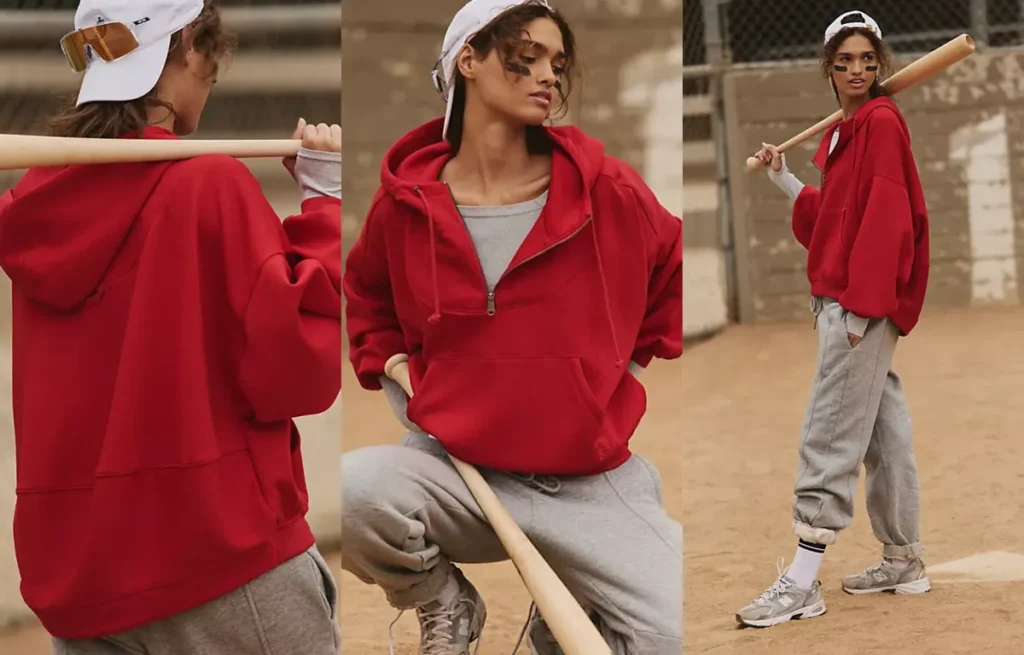
Why is the High-Neck Half-Zip Hoodie gaining popularity in both fashion and function?
Some hoodies stop at the collar. Others go further—literally. That’s where the high-neck design stands out.
A High-Neck Half-Zip Hoodie features an extended collar that rises above the base of the neck, offering extra warmth, wind protection, and a clean silhouette. It’s popular in both outdoor functional gear and elevated urban fashion.
I noticed this style getting more attention after a few of my European buyers started asking for “turtleneck but sporty.” That’s when I introduced the high-neck cut—and it turned out to be a perfect cross between performance and polish.
What makes the high-neck design different?
The high-neck isn’t just a longer collar. It’s carefully engineered to serve both practical and aesthetic purposes.
| Feature | Function |
|---|---|
| Extended Collar (8–12cm) | Shields neck from wind and cold |
| Half-Zip Construction | Allows adjustable ventilation |
| Structured Stand-Up Fit | Holds shape for clean profile |
| Optional Inner Lining | Adds warmth or contrast detail |
| Zipper Garage or Guard | Prevents chafing at the throat |
This style is especially strong for cooler climates where neck coverage matters, but a full hood or scarf might be too much.
Which markets or use cases does this style serve best?
1. Cold Weather Performance Wear
Athletes and outdoor workers need protection from wind and temperature drops. The high-neck design acts as a built-in gaiter without requiring accessories.
2. Minimalist Streetwear
Urban brands love the high-neck look for its sleek, layered silhouette. When zipped up, it gives a tailored appearance; when unzipped, it adds dimension around the neckline.
3. Transitional Travel Apparel
For buyers targeting commuters, travelers, or business-casual wearers, the high neck offers functionality with subtle design. It’s easy to layer under coats or over base layers.
4. Techwear and Tactical
Tech-focused brands use high necks to create futuristic looks—especially when combined with waterproof zippers, matte fabrics, or utility pocket placements.
Compression Half-Zip Hoodie
What sets the Compression Half-Zip Hoodie apart from regular athletic styles?
Some hoodies just cover you. Compression hoodies support you.
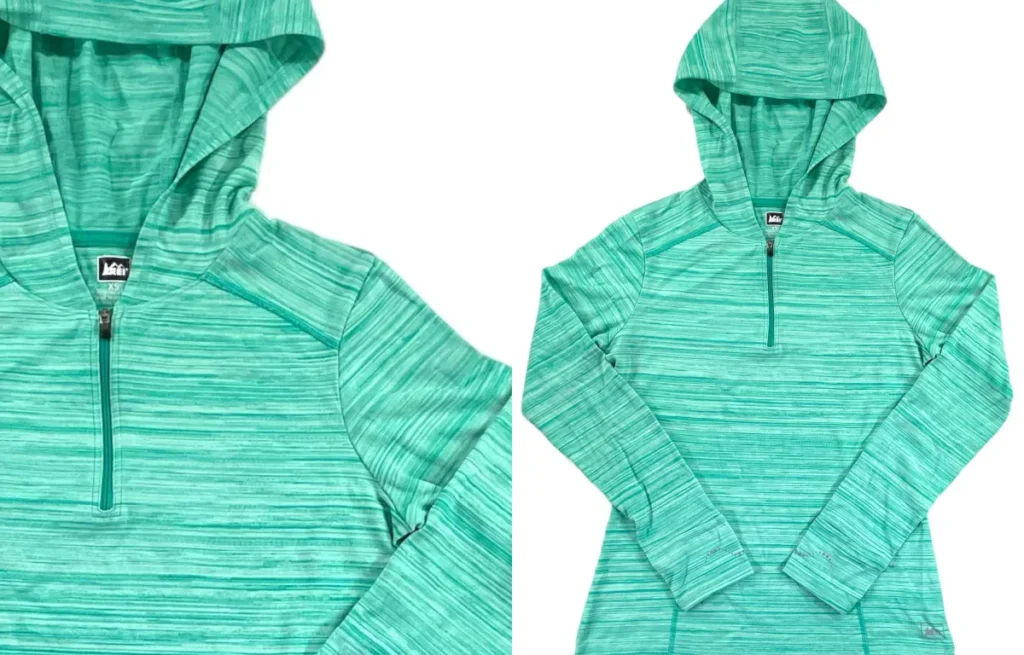
The Compression Half-Zip Hoodie is made from stretch performance fabrics that apply gentle pressure to key muscle groups, improving blood flow, supporting posture, and reducing muscle fatigue during or after training.
When a Canadian buyer requested “something tighter and smarter than a sweatshirt,” I delivered a compression half-zip prototype. His clients—mostly gym-goers—called it “a hoodie that feels like gear.” That line alone told me we had a winner.
What makes a compression hoodie different?
Compression gear uses technical stretch fabrics—usually nylon or polyester blended with a high percentage of spandex (15–25%)—to provide a second-skin fit. The pressure isn’t just aesthetic; it’s engineered to support performance and recovery.
| Feature | Purpose |
|---|---|
| Muscle Support | Reduces micro-vibrations during activity, lowering fatigue |
| Circulation Boost | Promotes better blood flow during and after workouts |
| Body Sculpting | Provides a leaner, contoured fit that enhances physique |
| Sweat Control | Moisture-wicking and quick-dry fabrics help regulate body temp |
Compression half-zip hoodies typically feature set-in sleeves, flatlock seams, and panelled construction to contour the body precisely.
Where does this style fit in performance and recovery routines?
1. Training Sessions
Worn as a base layer or mid-layer, this hoodie is ideal for gym workouts, functional training, and even outdoor sports in cooler weather.
2. Recovery Periods
Compression helps reduce muscle soreness after exercise. Many wear it post-workout to aid recovery while staying warm.
3. Travel or Long-Duration Wear
For athletes who travel, compression hoodies can reduce swelling on long flights or commutes.
4. Cold Weather Layering
With a snug fit and high-stretch material, it works perfectly under jackets or windbreakers—keeping warmth in without the bulk.
Longline Half-Zip Hoodie
Why is the Longline Half-Zip Hoodie a top choice for style-forward collections?
Length isn’t just about size—it’s a design statement. That’s exactly where longline half-zip hoodies come in.
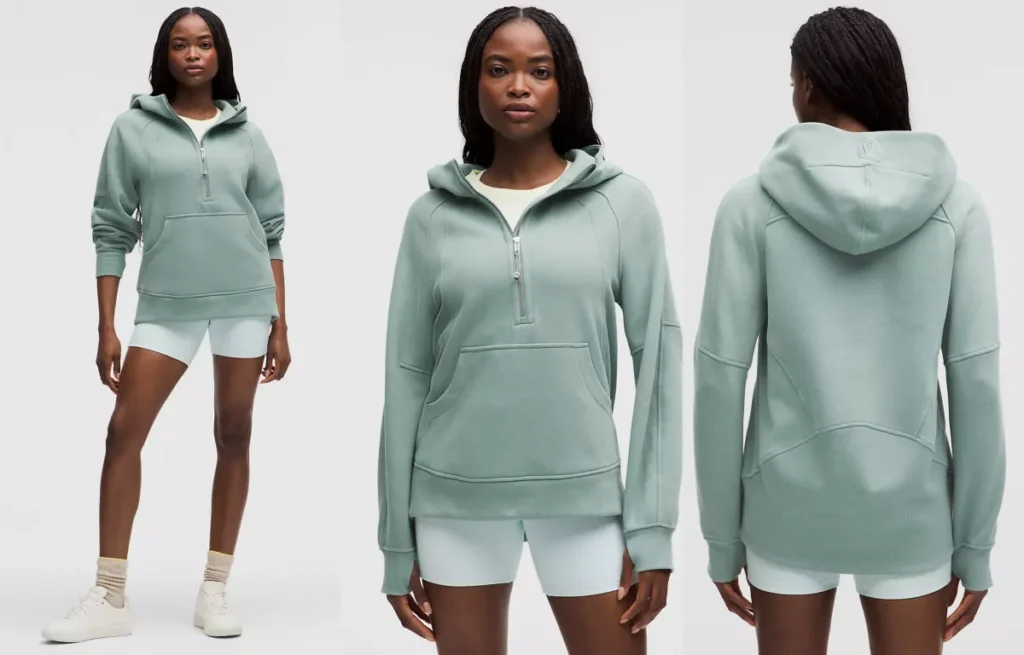
A Longline Half-Zip Hoodie features an extended torso length—often dropping below the hips—offering a modern, layered silhouette that merges streetwear aesthetics with functional comfort.
A buyer from the UK once told me, “If it doesn’t layer right, we don’t want it.” That made me rethink how hoodies work with today’s styling trends. Longline designs turned out to be the missing piece for fashion-driven collections.
What defines a hoodie as “longline”?
Longline isn’t just about being “bigger.” It’s about intentional lengthening of the hoodie’s body—often by 5 to 15 cm—while keeping the shoulders and sleeves proportionate.
| Feature | Description |
|---|---|
| Torso Length | Extends below hips, sometimes mid-thigh |
| Hem Style | Often curved, scooped, or split-hem |
| Side Details | Zippers, vents, or dropped-back hems for movement |
| Fit | Slim to regular fit to balance the longer shape |
The extended silhouette creates a layered look that works well over joggers, tech pants, or even shorts—especially in cooler months or transitional weather.
How is the longline cut used in real markets?
1. Urban Streetwear
Longline hoodies add dimension to any outfit. They’re often styled under oversized bombers, vests, or lightweight jackets.
2. Athleisure and Gymwear
Great for post-workout wear. Provides more coverage and can be layered over tanks or compression tops.
3. Men’s Fashion-Forward Collections
This style is especially popular among millennial and Gen Z men who are style-conscious but still want comfort.
4. Layer-Heavy Cold-Weather Lines
In colder markets like Canada or Germany, longline hoodies pair well with thermal bottoms, adding warmth and modesty.
Dive deeper: how to design a Longline Half-Zip Hoodie correctly?
Making a hoodie longer seems simple, but the execution matters. Poorly cut longlines can look saggy or misshapen. Here’s how to do it right:
1. Balance the Proportions
Lengthening the body without adjusting shoulder seams or sleeve taper creates imbalance. Update the whole pattern—not just the hemline.
2. Hem Design Options
| Hem Style | Visual Impact | Function |
|---|---|---|
| Straight Hem | Clean, basic look | Simple construction |
| Scooped Hem | Fashion-forward | Elongates silhouette |
| Drop-Back Hem | Covers hips | Good for layering or activewear |
| Side-Split Hem | Freedom of movement | Better drape when walking/sitting |
3. Fabric Weight Matters
Use mid-weight knits (280–320gsm) to avoid excessive drape. Lightweight jerseys may cling awkwardly, while heavyweight fleece might stack at the bottom.
4. Structural Add-Ons
Zippered side vents or ribbed hem panels help maintain shape and give extra styling value.
5. Zipper Placement
The half-zip length needs to scale with the hoodie body. Too short and it looks awkward. Too long and it may buckle.
6. Hood Proportions
With a longer torso, a deeper hood balances out the overall look—especially when worn unzipped.
Utility Half-Zip Hoodie

What makes the Utility Half-Zip Hoodie a go-to for function-focused collections?
Some hoodies are made for comfort. Utility hoodies are made to do things.
The Utility Half-Zip Hoodie adds functional features like cargo pockets, D-rings, zip compartments, and reinforced panels—merging tactical design with street-ready aesthetics. It serves both performance and everyday utility.
One of my buyers from a tactical-inspired streetwear label once said, “If the hoodie doesn’t carry gear, it’s just fashion.” That inspired me to prototype a half-zip hoodie with a cargo chest pocket and side zips. It sold out in two weeks.
What defines a “utility” hoodie?
Utility hoodies blend the comfort of casualwear with the ruggedness of workwear or tactical gear. They focus on storage, adjustability, and durability.
| Utility Feature | Function |
|---|---|
| Cargo Pockets | Carry essentials (phones, wallets, cards) |
| D-Rings or Loops | Attach keys or gear |
| Reinforced Panels | Add structure and abrasion resistance |
| Zippered Side Vents | Improve mobility or adjust fit |
| Storm Flaps or Covered Zips | Enhance weather protection |
| Hook-and-Loop Closures | Adjustable details on cuffs or collar |
These aren’t just “add-ons”—they serve real user needs, especially in urban, commuter, outdoor, or tactical markets.
Where does the utility half-zip hoodie perform best?
1. Urban Commuter Wear
Great for buyers targeting customers who walk, bike, or take public transport. Utility details offer easy access to items without carrying bags.
2. Tactical-Inspired Fashion
Particularly popular with Gen Z and younger Millennials, who look for pieces that blend military aesthetics with modern fits.
3. Outdoor or Workwear Crossovers
This hoodie can replace heavier jackets in spring/fall collections. Reinforced elbows and ripstop panels add durability for light-duty environments.
4. Travelwear and Techwear
Zippered pockets, hidden compartments, and quick-access storage make it a favorite for travelers or “modular wardrobe” buyers.
Dive deeper: what to consider when designing a Utility Half-Zip Hoodie?
1. Pocket Placement and Functionality
Multiple pockets should be placed logically and comfortably:
| Pocket Type | Placement | Use Case |
|---|---|---|
| Kangaroo + Zipper | Front center | Secure daily items |
| Chest Cargo | Left or center | Tactical aesthetic, easy access |
| Sleeve Pocket | Upper arm | Small tools, cards |
| Back Pouch | Lower back | Bike commuters, runners |
Avoid bulky placement that affects movement. Reinforce pocket seams and add bar tacks at stress points.
2. Fabric Selection
Choose fabrics that combine structure + comfort:
- Cotton-nylon blends: Slightly rigid, durable feel
- Polyester ripstop: Lightweight, abrasion-resistant
- Double-knit or spacer fabrics: Add body and shape
Utility styles should resist pilling, tearing, and overstretching.
3. Finishing Details
Small elements that matter:
- Paracord zipper pulls
- Contrast stitching or bartacks
- Matte snap buttons or toggles
- Velcro name patches for customization
4. Hood and Collar Function
The hood may include:
- Adjustable toggles
- Reinforced brim or visor edge
- Stiffened collar for upright structure
These details enhance wind resistance and visual balance.
5. Hem and Fit Adjustability
- Bungee cord hem: Tighten for wind protection
- Side zip slits: Widen opening when needed
- Drop-back hem: Covers more of the back when seated or active
Adjustable Drawstring Half-Zip Hoodie
Why is the Adjustable Drawstring Half-Zip Hoodie a flexible staple in active and lifestyle wear?
Sometimes it’s not just about how a hoodie looks—but how you can control the way it fits.
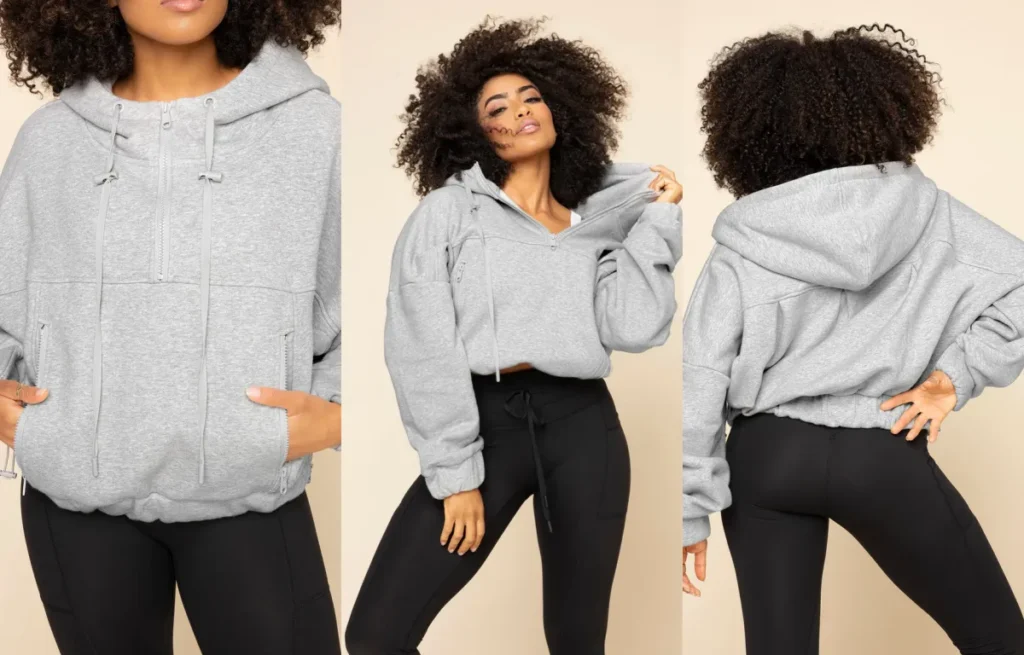
The Adjustable Drawstring Half-Zip Hoodie features integrated drawcords at the hood, waist, hem, or cuffs, allowing the wearer to modify silhouette, coverage, and ventilation. It’s a versatile solution for comfort, style, and functionality.
I still remember a buyer at an outdoor-focused concept store saying, “If it doesn’t adjust, it doesn’t adapt.” That sparked my first sample with both waist and hood drawcords—now, it’s part of our year-round lineup across multiple client categories.
What makes drawstrings such a valuable functional detail?
Drawstrings might seem simple, but they give the hoodie real adaptability. They allow users to adjust fit and shape in real time—a crucial advantage in transitional weather, performance activities, and layering situations.
| Drawstring Zone | Purpose |
|---|---|
| Hood | Tighten for wind protection or loosen for casual drape |
| Hem | Cinch for a bloused effect or to seal out cold air |
| Waist | Control silhouette (e.g., crop effect, fitted look) |
| Cuffs (less common) | Control sleeve placement during activity |
These features also allow more body types to wear the hoodie comfortably—especially helpful for oversized or gender-neutral designs.
In which markets does this style perform best?
1. Outdoor and Adventure Apparel
Ideal for hiking, travel, or unpredictable climates—adjustable hems and hoods help maintain body temperature and comfort on the move.
2. Streetwear and Athleisure
Drawstrings at the hem or waist help create a more tailored or cropped look. This has become especially popular in women’s fashion and unisex layering.
3. Performance Activewear
When working out outdoors or layering over base garments, being able to cinch a hoodie in place (especially during stretching or dynamic movement) is a big plus.
4. Youth and Gen Z Markets
Younger buyers love customization—being able to style one hoodie multiple ways is a value-add, both in function and appearance.
Dive deeper: how to develop or source this style with precision?
It’s not just about adding a drawstring—it’s about doing it cleanly and functionally. A poor-quality drawcord system leads to bunching, fraying, or user frustration.
1. Cord Types and Materials
| Cord Material | Visual Style | Best For |
|---|---|---|
| Flat Cotton Drawcord | Classic, casual | Streetwear, casual activewear |
| Round Braided Cord | Clean and sturdy | All-purpose designs |
| Bungee Cord with Toggle | Technical, sporty | Outdoor and utility lines |
| Elastic Drawcord | Lightweight, flexible | Women’s and fitted hoodies |
Add silicone tips or metal aglets for durability and upscale finish.
2. Channel or Eyelet Design
Two common systems for incorporating drawstrings:
- Internal channel: Cord runs inside the hem or waistband for a clean outer finish
- Exposed eyelets: Often reinforced with metal rings for a utility look
Confirm the stitching around eyelets is reinforced—otherwise, it may tear under stress.
3. Placement Accuracy
Especially for waist or hem adjustments, placement affects not only functionality but also how the fabric drapes:
- A higher drawstring (closer to the ribs) gives a cropped look
- A lower drawstring near the hem is better for wind protection or streetwear layering
4. Locking and Adjustment Hardware
Use toggle locks or barrel stoppers when users need secure, one-handed adjustability—especially in outdoor or cold-weather use cases.
5. Zipper Coordination
Make sure the zipper length and drawstring placement don’t clash visually or physically. The garment should remain balanced when fully zipped or half open.
Taped Zipper Half-Zip Hoodie
Why is the Taped Zipper Half-Zip Hoodie a modern upgrade to classic designs?
Sometimes it’s the small design tweaks that create the biggest performance and visual impact.
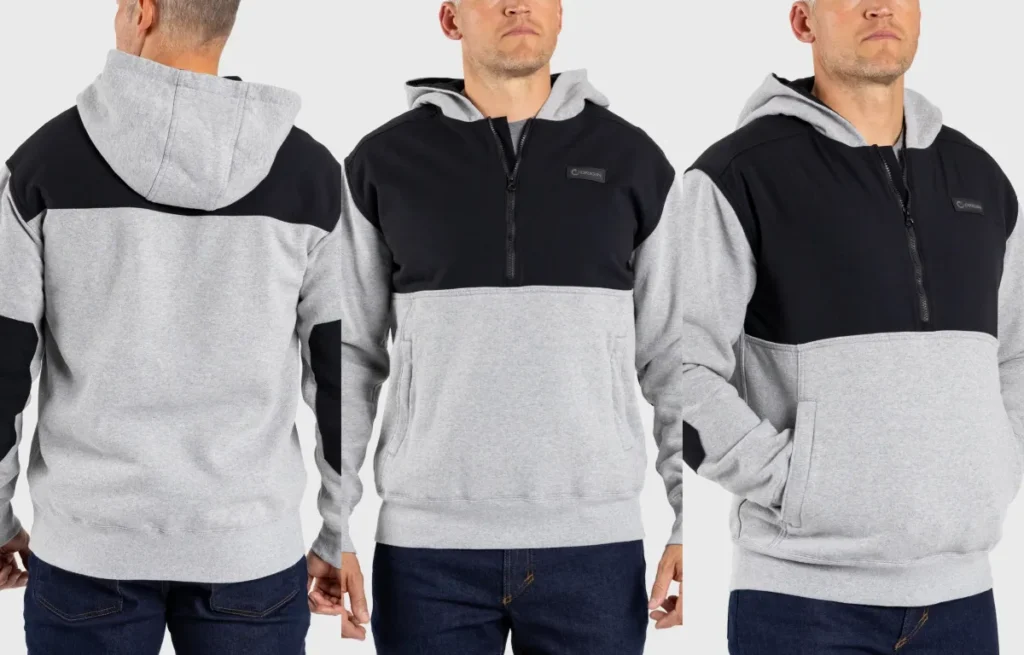
The Taped Zipper Half-Zip Hoodie features a heat-sealed or fabric-covered zipper seam—improving wind resistance, water repellency, and aesthetics. It’s a favorite for activewear, techwear, and minimalist streetwear collections.
The first time I introduced a taped zipper half-zip sample to a European buyer, they said, “This looks like outerwear, feels like loungewear.” That reaction confirmed what I suspected: taped zippers give basic hoodies a high-performance edge.
What is a taped zipper and why does it matter?
A taped zipper refers to a zipper with a covering layer, usually made from:
- Polyurethane tape (commonly heat-bonded)
- Fabric overlays (sewn or bonded)
- Rubberized or waterproof films
This technique is typically seen in outerwear, but when applied to half-zip hoodies, it delivers three major advantages:
| Advantage | Benefit |
|---|---|
| Weather Protection | Helps block wind and light rain from entering through the zip track |
| Clean Aesthetic | Creates a sleek, modern, uninterrupted front panel |
| Enhanced Durability | Reduces fraying or wear along the zipper edges |
Taped zippers can be exposed (visible with a matte or glossy tape) or concealed (hidden under a fabric flap) depending on the design direction.
Where does this hoodie style perform best?
1. Outdoor and Transitional Activewear
Perfect for activities like trail running, urban commuting, or warm-up layers—especially in cool or damp conditions.
2. Minimalist or Futuristic Streetwear
Clean lines and technical finishes make this style popular in fashion-forward cities like Tokyo, Berlin, or Seoul.
3. Functional Gymwear and Travel Apparel
The secure, sealed zipper keeps items inside more protected—ideal for travel or high-mobility training routines.
4. Elevated Athleisure Collections
Great for brands aiming to merge comfort with a tech-inspired aesthetic.
Dive deeper: how to design or source a Taped Zipper Half-Zip Hoodie properly?
This is a technically sensitive design feature. Small mistakes in application can lead to bubbling, peeling, or restricted zipper motion.
1. Choose the Right Zipper and Tape Type
| Type | Feature | Best Use |
|---|---|---|
| PU-Bonded Tape | Waterproof, glossy/matte finish | Outdoor or techwear styles |
| Fabric Overlay | Subtle, matte texture | Fashion-forward, urban streetwear |
| Rubberized Film | Sporty and tactile | Gymwear and training wear |
Avoid low-quality tape that cracks or warps under heat or after washing.
2. Ensure Seam Compatibility
When bonding tape to fabric:
- Make sure the base fabric can handle heat pressing (especially polyester blends)
- Test for shrinkage or melting before mass production
- Reinforce zipper ends and pull zones with bartacks or interfacing
3. Seam Sealing Techniques
- Heat-bonded (most common): Requires calibrated heat press and tape adhesive
- Ultrasonic sealing (premium option): Seamless and smooth, but more expensive
- Sew-and-cover: Used for aesthetic taping, not always waterproof
4. Match the Aesthetic
For clean branding, pair taped zippers with:
- Minimalist logos
- Matte fabric finishes
- Concealed kangaroo pockets or zipped seams
- Monochromatic colorways
The overall visual should feel streamlined and intentional.
Vintage Collegiate Half-Zip Hoodie
What makes the Vintage Collegiate Half-Zip Hoodie a timeless favorite in modern collections?
Sometimes, the best trends are the ones that never really left.
The Vintage Collegiate Half-Zip Hoodie is inspired by classic university sportswear from the mid-to-late 20th century. Featuring bold lettering, retro color palettes, and old-school details, it blends nostalgia with lifestyle appeal—especially in streetwear and heritage fashion markets.
I pitched this style to a boutique buyer in New York once. His response? “If it looks like something you’d wear to watch a varsity football game in the ’80s—I’ll take it.” That’s when I knew the vintage collegiate look was back in rotation.
What defines the vintage collegiate style in hoodies?
This style isn’t just about old-school fonts or logos—it’s about a specific combination of design elements that feel pulled from vintage American sports culture.
| Key Feature | Description |
|---|---|
| Bold Appliqué or Embroidery | Often arched college names, varsity letters, or sports crests |
| Heavyweight Fleece | Usually 360–400gsm, brushed inside |
| Ribbed Side Panels | For movement and authenticity |
| V-Stitch or “Dorito” at Neckline | Classic sweatshirt heritage detail |
| Neutral or Washed Colors | Ecru, maroon, navy, forest green, heather grey |
| Loose or Boxy Fit | Mimics old team-issued gear |
| High-Quality Zipper | Typically metal or vintage-look plastic coil |
The half-zip detail brings this retro aesthetic into the modern era—adding layering versatility and ventilation.
Where does this style work best in the market?
1. Heritage Streetwear Brands
Perfect for brands tapping into the nostalgia wave. Can be styled with cargos, denim, or vintage sneakers.
2. Lifestyle and Campus Collections
University bookstores, prepwear brands, and collegiate clubs use this style to evoke tradition with a modern edge.
3. Limited Edition Drops
Ideal for small-batch, logo-heavy capsule launches. Customization is easy, and the visual appeal is high.
4. Wholesale for Retail Chains
Especially in North America and the UK, this style sells well in back-to-school, fall/winter, and loungewear categories.
Dive deeper: how to source and design this style with authenticity?
1. Fabric Matters Most
Vintage collegiate hoodies rely on heavyweight fleece—aim for 360gsm and above.
- Cotton-rich blends (80%+)
- Brushed inner surface
- Slightly dry hand feel—avoid overly smooth modern synthetics
2. Pay Attention to Details
| Detail | Why It Matters |
|---|---|
| Twill Appliqué | Creates authentic varsity look—more textured than print |
| Chain-Stitch Embroidery | Adds tactile, old-school texture |
| Ribbed Side Panels | A nod to 1950s–80s gymwear construction |
| Metal Zipper with Leather Pull | Looks premium and era-accurate |
One buyer once pointed out, “It’s the V-stitch that sells it.” That small triangle under the neck seam? Add it. It’s a classic signal of vintage athleticwear.
3. Color Selection Strategy
Go for “heritage tones” or washed finishes:
- Oxford grey
- Mustard yellow
- Navy blue
- Burgundy
- Faded black
- Forest green
Use enzyme wash or garment dye processes for a worn-in look.
4. Fit and Silhouette
Don’t go slim. A slightly boxy or drop-shoulder fit gives the right vibe.
- Length: Slightly cropped or standard
- Body: Roomy in the chest and shoulder
- Sleeve: Tapered at the cuff but generous in upper arm
5. Labeling and Branding
Add vintage-inspired neck labels or woven hem tags:
- “Athletic Dept.” or “Est. 1976”-style labels
- College crests, mascots, or team insignia
- Retro script fonts or block varsity letters