Skip to content
Welcome to our comprehensive men’s t-shirt buying guide. In this article, we’ll look at the basic factors you should consider when choosing your ideal t-shirt. We have a number of available options designed to simplify the process for you. Whether you’re looking to buy a basic white tee or something more stylish, our guide covers everything from fit and fabric to styles that suit your body type. We’ll also provide expert tips on t-shirt care to ensure that the t-shirt you choose not only looks great, but also lasts for a long time. Come dive into the world of men’s T-shirts with us and get ready to make informed decisions for your wardrobe that will boost your confidence and comfort. let’s start!
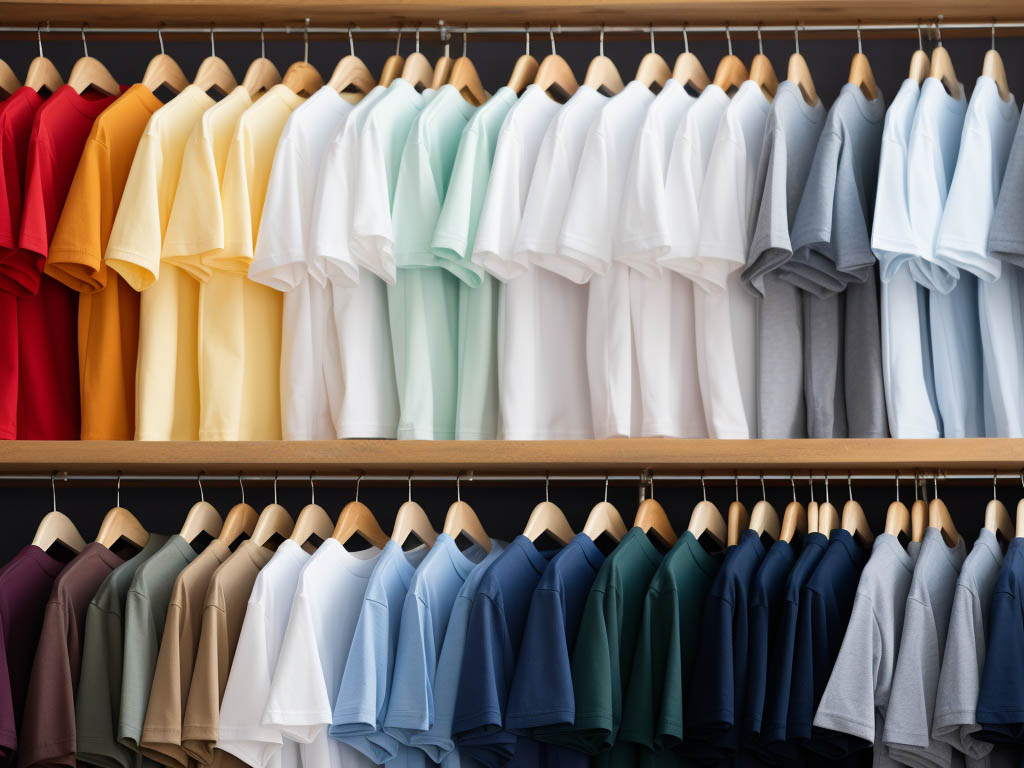
Learn about different T-shirt materials and their pros and cons
Certainly, understanding the various types of T-shirt materials is crucial for making an informed choice. Here are some commonly used fabrics for men’s T-shirts, along with their pros and cons:
Cotton
Composition: 100% natural fiber
Weight: Medium to Heavy
Pros: Soft, breathable, hypoallergenic, and biodegradable
Cons: Shrinks easily, wrinkles, can lose shape over time
Polyester
Composition: Synthetic fiber
Weight: Light to Medium
Pros: Durable, wrinkle-resistant, moisture-wicking, retains shape
Cons: Less breathable, can feel hot, may cause skin irritation
Cotton-Polyester Blend
Composition: Cotton and polyester fibers
Weight: Medium
Pros: Combines the best qualities of cotton and polyester; breathable yet durable
Cons: Not as soft as 100% cotton, less breathable than natural fibers
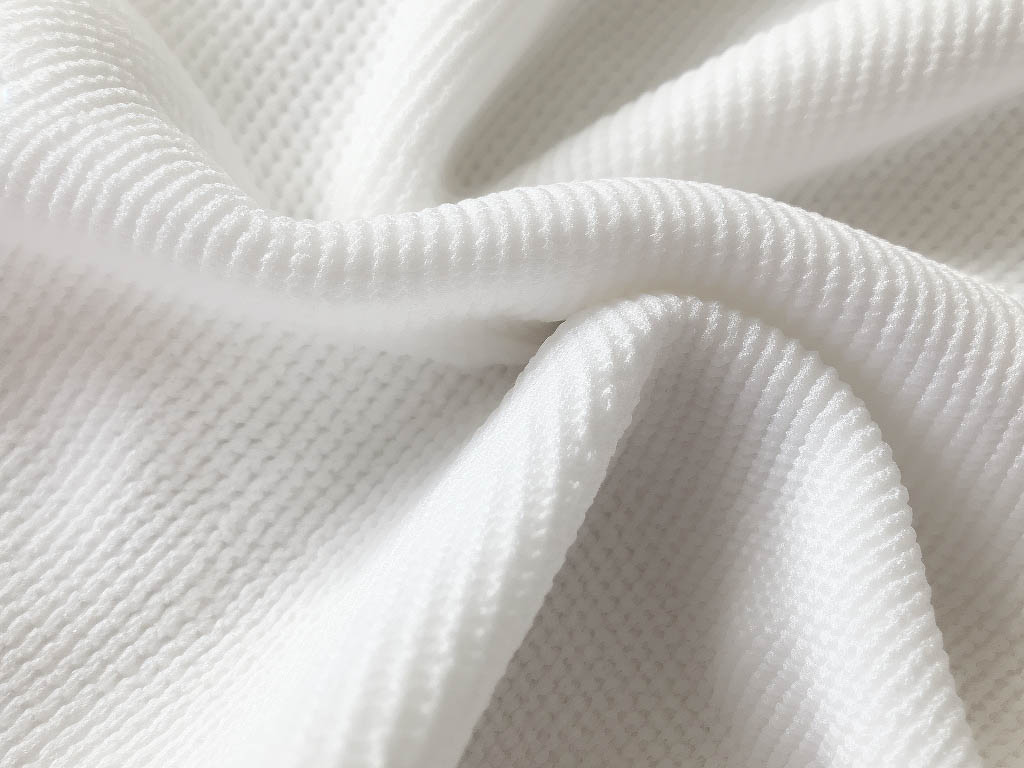
Rayon
Composition: Semi-synthetic fiber
Weight: Light
Pros: Very soft, lightweight, breathable
Cons: Wrinkles easily, can be weak when wet, often requires dry cleaning
Linen
Composition: Natural fiber from the flax plant
Weight: Light to Medium
Pros: Highly breathable, wicks moisture, natural luster
Cons: Wrinkles easily, can feel rough initially, requires special care
Spandex (Lycra)
Composition: Synthetic fiber
Weight: Light
Pros: Exceptional stretch, retains shape, lightweight
Cons: Less breathable, can cause skin irritation for some people
Each material has its unique set of properties, which can be advantageous or disadvantageous depending on your specific needs and the occasion. Some fabrics are better suited for casual wear, while others are designed for athletic or formal settings. Understanding these differences can help you make a more informed decision when purchasing men’s T-shirts.
Choose a T-shirt that suits your body type
Choosing the right T-shirt for your body type can elevate your look. If you’re slim, opt for slim fits and lighter fabrics; patterns like horizontal stripes can add some dimension. Athletic bodies can benefit from a tapered fit and V-necks to accentuate muscular build, with cotton fabrics providing the best of comfort and form. For heavier builds, straight cuts in medium to heavy fabrics work best, and dark, consistent colors or patterns can slim the figure. Tall and lean men should go for longer lengths and medium-weight fabrics, while short and stocky men can elongate their look with vertical stripes and regular fits. Keep these tips in mind for a T-shirt that not only fits well but also complements your body shape.
Factors to Consider When Choosing T-Shirt Colors
When selecting T-shirt colors, several factors come into play:

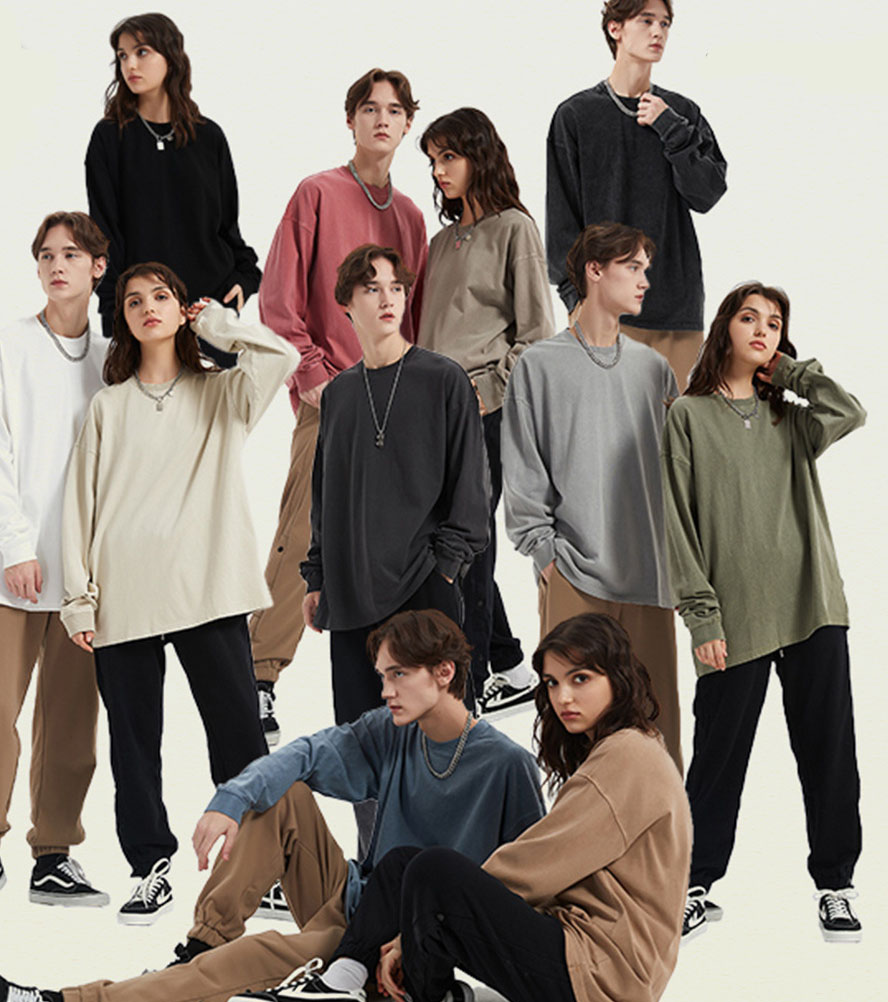
Skin Tone: Lighter skin tones generally work well with dark colors like navy, whereas darker skin tones can carry off brighter colors and pastels effectively.
Occasion: Casual events might call for lighter or more vibrant colors, while professional settings usually require neutral or dark shades.
Season: Light colors such as white and pastels are ideal for summer as they reflect heat, whereas darker colors like black and navy are more suited for colder months as they absorb heat.
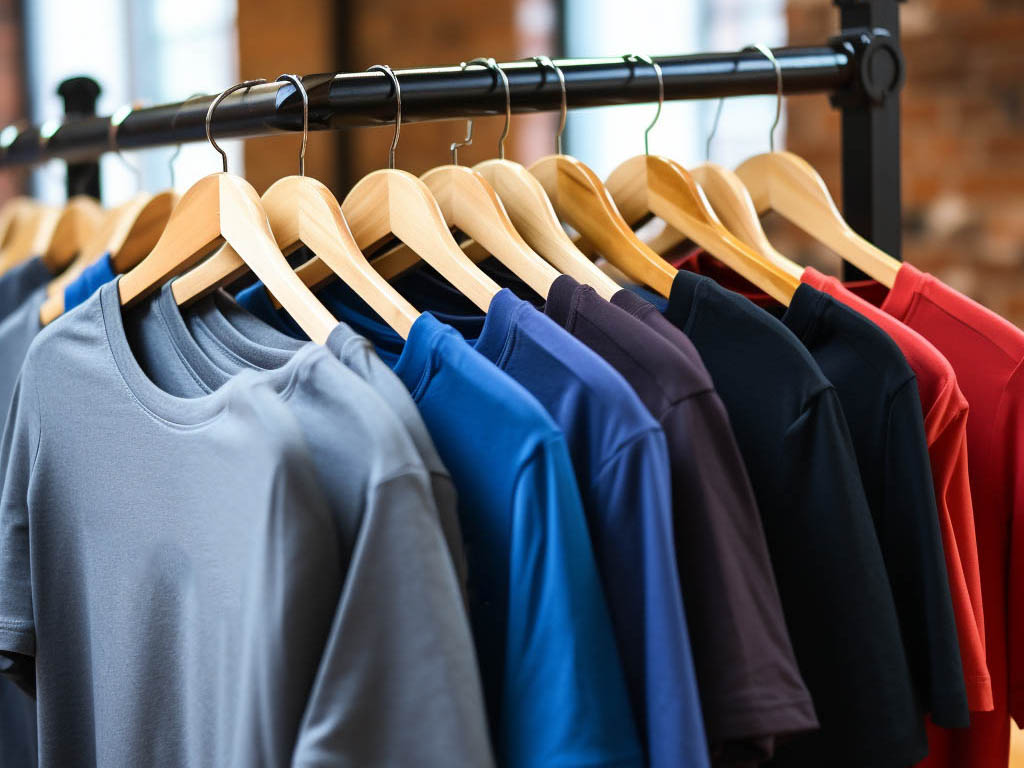
Versatility: Neutral colors like white, grey, and black are versatile and can be paired with almost anything in your wardrobe.
Personal Preference: At the end of the day, your comfort with a color is what matters most. If you feel good wearing it, that’s a significant factor.
Trend Influence: Current fashion trends can influence color choices; however, it’s crucial to remember that trends come and go.
Matching with Other Clothing: Consider what you’ll be wearing the T-shirt with. If you’re planning to layer, choose colors that complement rather than clash with your outer layer.
Psychology of Color: Different colors can evoke various emotions and impressions. Red is often associated with energy and passion, while blue can be calming.
Stain Visibility: Lighter colors like white and grey are more prone to visible stains compared to darker colors.
Visual Impact: Bright and contrasting colors can make you stand out in a crowd, whereas neutral colors are more subdued.
By considering these factors, you can make a more informed choice that suits your needs, occasions, and personal style.
Collar type options: V-neck, round neck, etc.
When it comes to T-shirt collar types, each offers its own style and functionality. Here are some common options:
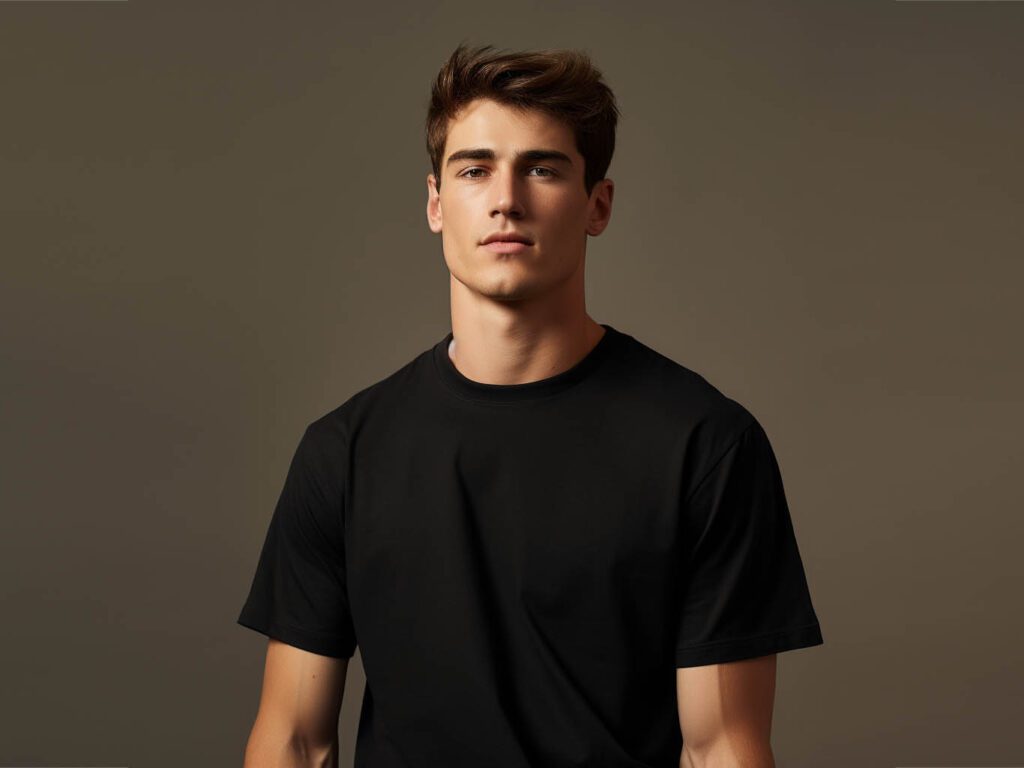
Crew Neck: This is the most classic T-shirt collar, forming a simple round shape around the base of the neck. Crew necks are versatile and work well for casual and some semi-formal settings.
V-Neck: The V-neck descends down the chest in a V-shape. This type is generally considered to offer a slightly more formal look than the crew neck and can elongate the appearance of the face and neck.
Henley: A Henley collar is a round collar but with a small, usually 2- to 6-button placket below it. It offers a more detailed, rugged look compared to a simple crew neck.
Polo Collar: Typically found on polo shirts, this collar type has a more structured form, complete with buttons and sometimes a pocket. It’s considered more formal than typical T-shirt collars.
Scoop Neck: This is a deeper, wider version of the crew neck and provides a more relaxed and casual look. It exposes more of the collarbone area.
Boat Neck: This collar type is wide and runs almost horizontally across the shoulders. It is designed to expose the collarbone and is often found in more feminine designs, although it appears in men’s fashion as well.
Turtleneck: This collar type covers most of the neck and is ideal for colder climates. Though not commonly found in T-shirts, they do exist and offer a more formal, sophisticated look.
Mock Neck: This is a shorter version of the turtleneck and stops just above the base of the neck. It offers some of the warmth and formality of a turtleneck but with a less restrictive feel.
Square Neck: A less common style, the square neck forms a square shape at the base of the neck, providing a unique and often flattering look.
Collarless: Some T-shirts are designed without any collar, offering a relaxed and easygoing look.
Choosing the right collar type depends on your personal style, the occasion, and the kind of visual impact you want to make. Each collar type complements different body shapes and facial features, so it’s worth experimenting to find what suits you best.
Sleeve length options: short sleeve, long sleeve or sleeveless etc
The sleeve length of a T-shirt can significantly impact its overall style, function, and suitability for specific occasions or weather conditions. Here are some common sleeve length options:
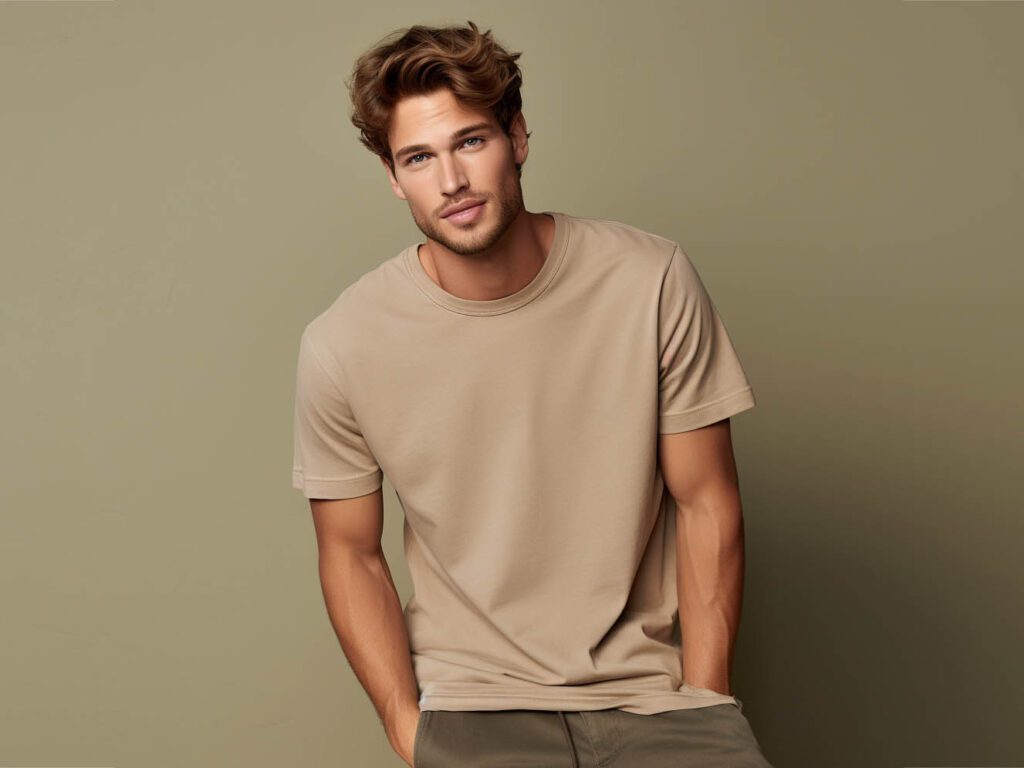
Short Sleeve: This is the most common and versatile option. Short-sleeved T-shirts are perfect for warm weather and can be easily layered under jackets or sweaters. They are also a staple in casual wear.
Long Sleeve: Ideal for cooler temperatures, long-sleeved T-shirts offer more coverage and warmth. They can also be rolled up for a different look or for more ventilation. Long sleeves are versatile and can be worn in both casual and some formal settings.
Sleeveless: Sleeveless T-shirts, often called “tank tops,” are perfect for hot weather or athletic activities. They provide maximum ventilation but are considered the most casual option.
Three-Quarter Sleeve: Falling between short and long sleeves, these end between the elbow and the wrist. They offer a unique, vintage look and provide a moderate level of warmth.
Cap Sleeve: These are very short sleeves that barely cover the shoulder. Though more common in women’s fashion, they’re occasionally seen in men’s T-shirts as well, offering a more casual and open look.
Raglan Sleeve: This is more of a sleeve design than a length. Raglan sleeves extend in one piece to the collar, leaving a diagonal seam from the underarm to the collarbone. This design is often used in baseball T-shirts and can be combined with various sleeve lengths.
Puff Sleeve: More common in women’s fashion, puff sleeves are gathered at the shoulder and/or cuff to create a puffy, voluminous effect. They can add a unique flair to a standard T-shirt design.
Bell Sleeve: These sleeves are fitted at the shoulder and flare out towards the cuff, resembling a bell shape. While not common in men’s fashion, they are occasionally seen in women’s T-shirts.
Dolman Sleeve: These are wide at the armhole and narrow at the cuff, offering a more relaxed fit. They are commonly used in more fashion-forward or relaxed T-shirt styles.
Your choice of sleeve length can depend on a variety of factors, including the weather, the occasion, and your own comfort and style preferences. Each option offers its own set of advantages and aesthetic appeal.
Quality indicators: seams, stitching, fabric weight
When it comes to identifying high-quality T-shirts, there are several key indicators to consider:
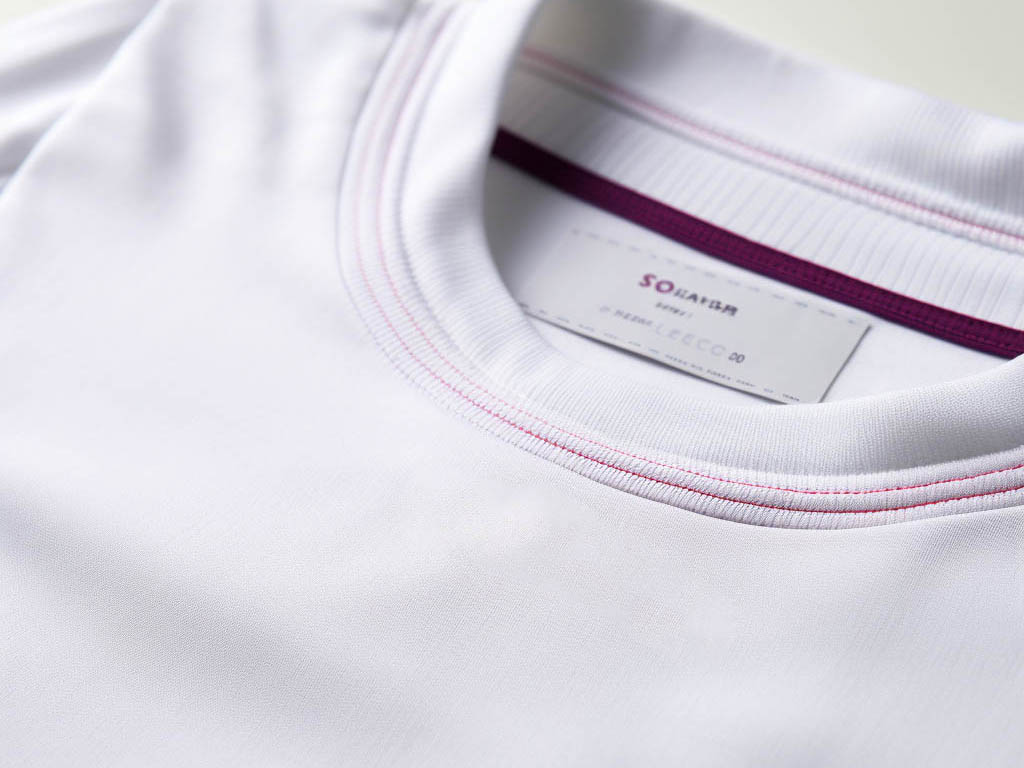
Seams: The construction of the seams is a significant indicator of quality. Look for T-shirts that have double or triple-stitched seams for durability. A flatlock seam is also an excellent sign of quality as it lies flat within the garment, reducing bulk and adding comfort.
Stitching: Examine the stitching closely. Tight, even stitches with a high stitch count per inch usually indicate good craftsmanship. Loose or inconsistent stitching can signify poor quality and may lead to durability issues down the road. Specialized stitches like zigzag or overlock stitches at the hems also signal attention to detail.
Fabric Weight: Fabric weight is often a determining factor in the quality and intended use of a T-shirt. Lighter fabrics (around 120 – 150 grams per square meter or gsm) are typically used for summer or casual T-shirts. Mid-weight fabrics (150 – 200 gsm) offer a balance between durability and comfort and are suitable for year-round wear. Heavyweight fabrics (over 200 gsm) are more durable and are generally used for workwear or for T-shirts that will see a lot of wear and tear.
Material: The quality of the fabric itself is crucial. Cotton, particularly long-staple or Pima cotton, is generally considered the highest quality due to its softness and durability. Blends can also be of high quality if they combine the best properties of multiple materials (like cotton-polyester blends).
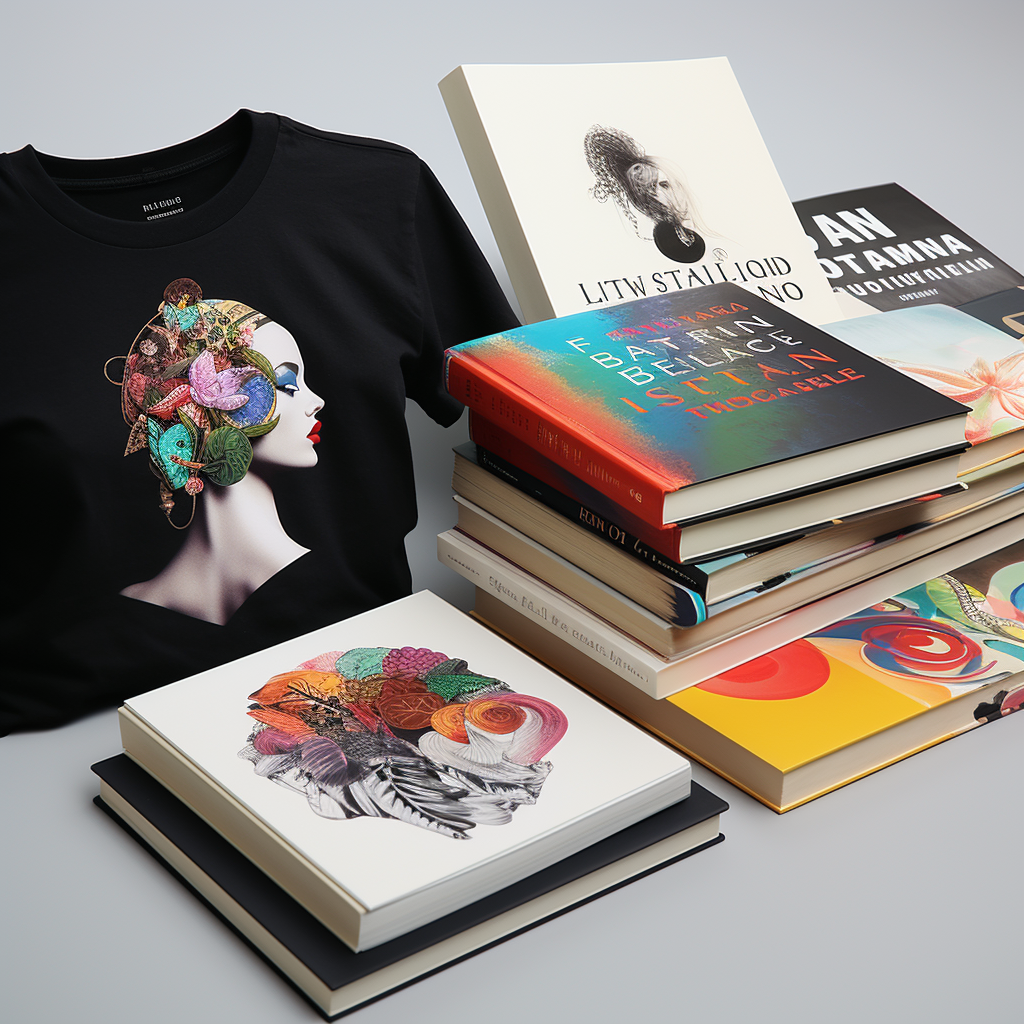
Print Quality: If the T-shirt has any sort of print or graphic, the quality of the printing is a good indicator. High-quality prints should not crack, peel, or fade quickly. Techniques like screen printing, embroidery, or direct-to-garment (DTG) printing usually provide durable results.
Finishing Touches: Details like reinforced shoulder seams, ribbed collars that don’t easily stretch out, or taped neck seams for comfort can also serve as indicators of a high-quality garment.
Fit: Though subjective, how well a T-shirt fits can also be an indicator of quality. Higher quality brands will offer T-shirts in a variety of fits like slim, regular, and relaxed to cater to different body types.
Branding: Sometimes, the brand itself can serve as a quality indicator. Established brands that have a reputation for quality and consistency are generally more reliable choices.
By paying attention to these quality indicators, you can make a more informed decision and invest in T-shirts that will not only look good but also last longer.
T-shirt care and maintenance tips
Proper care and maintenance can significantly extend the lifespan of your T-shirts. Here are some tips to keep them looking and feeling new for longer:
Washing:
Read Care Labels: Always check the care label for specific washing instructions, as different fabrics may have unique requirements.
Sort by Color: Separate whites, darks, and colors to prevent color bleeding.
Use Cold Water: Cold water is generally better for preserving colors and fabric integrity.
Gentle Detergents: Use mild detergents and avoid bleach or other harsh chemicals that can damage the fabric and print.
Inside-Out: Wash graphic or printed T-shirts inside-out to preserve the design.
Drying:
Air Dry: Whenever possible, let your T-shirts air dry. This method is less abrasive than using a dryer, helping to maintain fabric quality and print.
Low Heat: If you must use a dryer, opt for the lowest heat setting to prevent shrinking and fabric deterioration.
Avoid Direct Sunlight: While air-drying, keep colored T-shirts out of direct sunlight to prevent color fading.
Ironing:
Low Heat: Use a low heat setting for synthetic fabrics.
Inside-Out: Iron printed or graphic T-shirts inside-out to protect the design.
Use a Cloth: For delicate fabrics, place a thin cloth between the iron and the T-shirt.
Storage:
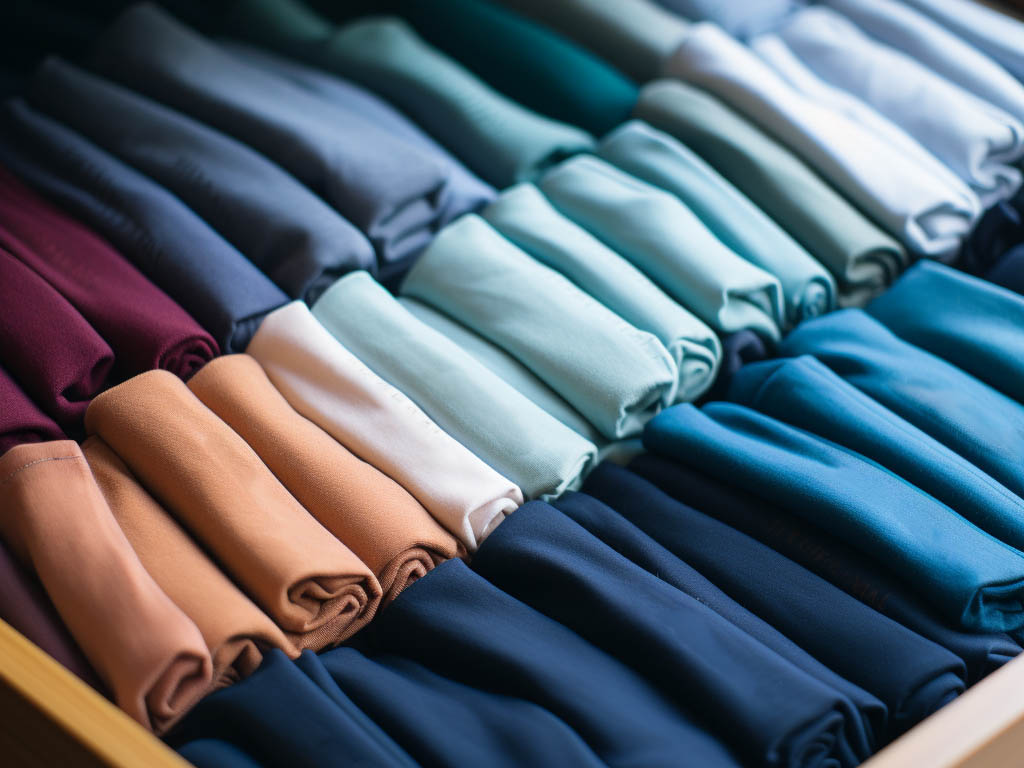
Fold or Roll: Either fold or roll T-shirts to prevent wrinkles. Rolling is particularly useful for maximizing space.
Avoid Hangers: Hanging can stretch out the neck and shoulder areas. If you must hang, use padded hangers.
Separate by Color: Just as you would when washing, separate darks and colors to prevent color transfer.
General:
Spot Treatment: Treat stains immediately to increase the chances of full removal.
Rotate: Make sure to rotate your T-shirts regularly to ensure even wear and tear.
By following these care and maintenance tips, you can help ensure that your T-shirts remain in top condition for years to come.
Elevate Your Style with Modaknits Men’s T-Shirts
Discover exceptional men’s T-shirts at Modaknits. With over 26 years of expertise, we offer a wide range of styles, fits, and fabrics that cater to all body types. Benefit from our fast delivery, meticulous quality control, and fresh monthly designs. Choose Modaknits for T-shirts that blend style, comfort, and durability. Trusted by top brands, we are your ideal choice for premium men’s T-shirts.