Skip to content
| Fabric name | Silk |
| Fabric composition | Fibers created by the silkworm insect |
| Fabric possible thread count variations | Up to 600 (momme count is more important) |
| Fabric breathability | Highly breathable |
| Moisture-wicking abilities | High |
| Heat retention abilities | Low |
| Stretchability | Low |
| Prone to pilling/bubbling | Low |
| Country where fabric was first produced | China |
| Biggest exporting/producing country today | China |
| Recommended washing temperatures | Cool or warm |
| Commonly used in | Nightgowns, lingerie, robes, eveningwear, blouses, suits, sport coats, curtains, pillow ruffles, parachutes, medical dressings |
At Modaknits, we specialize in high-quality fabrics that elevate modern women’s fashion.
One of our most sought-after materials is silk, renowned for its luxurious texture, strength, and versatility.
In this blog, we will explore what makes silk fabric unique, its production process, various types, and its use in the fashion industry.
What is Silk Fabric?
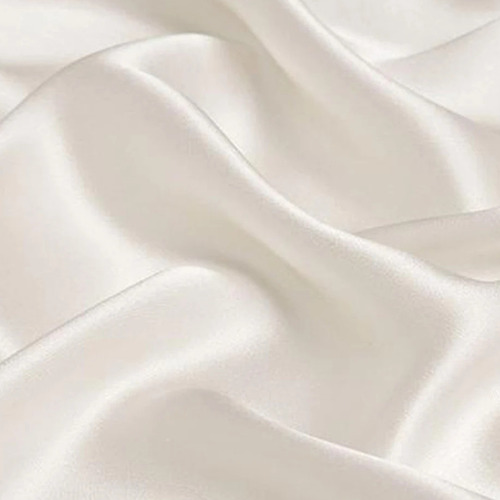
Silk fabric is a luxurious natural textile made from the protein fibers spun by silkworms, predominantly from the Bombyx mori species. Revered for its incredible softness, strength, and brilliant sheen, silk has been a key material in high-end fashion for centuries. Its lightweight yet durable nature, combined with breathability, makes silk a favored choice for creating elegant and comfortable garments.
Origin and Source of Silk Fibers
Silk fibers are sourced from the cocoons of silkworms that feed on mulberry leaves. The process involves carefully boiling or steaming the cocoons to dissolve the sericin, which holds the cocoon together, allowing the fine silk threads to be unraveled. This intricate process produces long, continuous silk fibers, which are then spun into yarn. China leads global silk production, followed closely by India, both of which have deep historical ties to silk cultivation and weaving.

Historical Significance and Modern Usage
Silk has a rich cultural heritage, originating in ancient China over 5,000 years ago. It became one of the most coveted materials in history, often reserved for royalty and traded along the Silk Road.
Today, silk remains synonymous with luxury and is extensively used in fashion, including in dresses, scarves, ties, and evening wear.
It is also valued for its strength, softness, and ability to take on rich dyes, making it a popular fabric in home décor and industrial applications.
What Makes Silk Fabric Unique?
Silk fabric is highly valued for its unique combination of luxurious qualities and practical benefits. Below are the key characteristics that make silk stand out in the textile industry:
- Luxurious Softness: Silk’s naturally smooth and soft texture makes it incredibly comfortable against the skin. It is often used in high-end garments like lingerie, nightwear, and scarves due to its delicate feel.
- Breathability: Silk allows air to circulate easily, making it ideal for maintaining a comfortable body temperature. This property makes silk versatile for both summer and winter clothing, keeping the wearer cool in warm weather and warm in cooler conditions.
- Moisture-Wicking: Silk can efficiently wick moisture away from the skin, keeping the wearer dry and comfortable. This is particularly beneficial for activewear and warm-weather clothing, where staying dry is essential.
- Natural Sheen: The triangular prism-like structure of silk fibers reflects light, giving silk its natural, elegant sheen. This lustrous finish adds to the luxurious appearance of silk garments, making it a popular choice for eveningwear and formal attire.
- Durability: Despite its delicate appearance, silk is one of the strongest natural fibers. When properly cared for, silk garments can last for years, maintaining their luxurious texture and structural integrity over time.

Comparison with Other Fabrics
- Silk vs Cotton: While cotton is more widely used and durable, silk is smoother and has a natural sheen that cotton lacks. Cotton is easier to care for and more practical for everyday wear, but silk provides a more luxurious feel.
- Silk vs Linen: Linen is breathable and ideal for warm weather, but it wrinkles easily and is rougher in texture compared to silk. Silk’s softness and ability to regulate temperature give it a more refined and elegant edge.
- Silk vs Polyester: While polyester can imitate the look of silk at a lower cost, it does not match silk’s natural breathability or softness. Silk’s moisture-wicking and insulating properties also make it more comfortable in different climates.
These unique qualities make silk a standout fabric in high-end fashion, bedding, and luxury accessories, offering an unmatched combination of softness, elegance, and functionality.
How is Silk Fabric Made?
The production of silk fabric involves a delicate and precise process, making it one of the most luxurious and sought-after textiles in the world. Here is an overview of the steps involved in silk production:
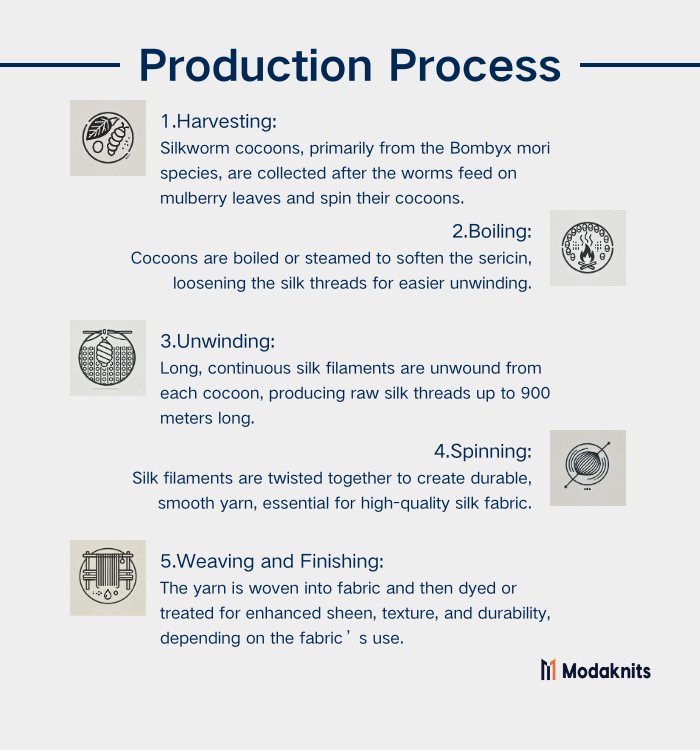
Harvesting: The production of silk fabric begins with the harvesting of silkworm cocoons, primarily from the Bombyx mori species. These silkworms feed on mulberry leaves and spin their cocoons, which are carefully collected for processing.
Boiling: The cocoons are boiled or steamed to soften the sericin, the natural gum that holds the silk threads together. This process also helps loosen the silk filaments for extraction.
Unwinding: The silk filaments are carefully unwound from the cocoons. Each cocoon yields a long, continuous thread of raw silk, which can range from 600 to 900 meters.
Spinning: Multiple silk filaments are twisted together to create strong silk threads or yarn. This step is essential for maintaining the durability and smooth texture of the fabric.
Weaving: The silk yarn is woven into fabric on looms, creating different textures like satin, organza, or chiffon. The weaving method determines the final quality and finish of the silk fabric.
Finishing: After weaving, the silk fabric undergoes dyeing and finishing treatments. These processes include steaming, stiffening, and sometimes adding chemicals to enhance durability, sheen, or texture, depending on the fabric’s end use.
Regions Known for Silk Production
- China: The largest producer of silk, known for its high-quality raw silk and advanced sericulture practices. China’s history of silk production dates back thousands of years, and it remains the global leader today.
- India: A major silk producer, particularly known for traditional silk varieties such as mulberry silk, tasar silk, and eri silk. Indian silk is renowned for its intricate patterns and vibrant colors.
- Thailand: Known for its handwoven silk, Thailand produces high-quality silk fabrics that are often used in traditional clothing and luxury items.
The intricate and labor-intensive production process ensures that silk remains a highly valued and luxurious fabric, widely used in fashion, home décor, and other industries.
What Are the Types of Silk Fabric?

Mulberry Silk:
Mulberry silk is the most common and highest quality silk available, known for its fine texture, softness, and strength. It is produced by Bombyx mori silkworms that feed exclusively on mulberry leaves, resulting in a consistent, smooth fabric with a natural sheen. This silk is ideal for luxury garments, bedding, and high-end accessories.
Tasar Silk:
Tasar (or Tussar) silk is a type of wild silk primarily produced in India and Japan. It is known for its rich texture and natural, earthy color. Unlike mulberry silk, Tasar silk has a rougher, more rustic finish, making it popular for traditional wear, such as sarees, and artistic textiles.
Eri Silk:
Also called “peace silk” because it is produced without harming the silkworms, Eri silk is softer and more durable than some other varieties. It has a natural off-white color and is often used in eco-friendly fashion and sustainable clothing, as well as in shawls and scarves due to its warmth and soft texture.
Muga Silk:
Produced exclusively in the Indian state of Assam, Muga silk is renowned for its natural golden hue. It is prized for its durability and sheen, often used in traditional Indian garments like sarees and ceremonial outfits. Muga silk is highly valued and considered a symbol of prestige in Indian culture.
Spider Silk:
Spider silk is incredibly rare and expensive, primarily used in scientific and industrial applications. While not commonly available in fashion, it has remarkable strength and flexibility, making it a subject of interest for high-performance textiles and specialized uses such as military gear and medical sutures.
Each type of silk fabric offers distinct characteristics, ensuring that silk remains a versatile and luxurious material for both fashion and specialized industries.
How is Silk Fabric Used in Apparel Manufacturing?
Luxury Apparel:
Silk is highly regarded in the world of luxury fashion for its softness, luster, and drapability. It’s commonly used in high-end garments such as evening gowns, cocktail dresses, and tailored suits. Its ability to hold dye well makes it perfect for bold, vibrant colors that add sophistication to formal wear. In apparel manufacturing, silk is prized for its ability to give garments an elegant and refined appearance.
Lingerie and Sleepwear:
Silk’s smooth and lightweight properties make it the ideal choice for intimate garments like lingerie, camisoles, and sleepwear. Its natural breathability and moisture-wicking properties provide comfort, ensuring the wearer remains cool and dry, which is particularly important for sleepwear. Silk is often used in luxury lingerie brands where comfort and elegance are key priorities.
Blouses and Shirts:
In apparel manufacturing, silk is frequently used to create high-end blouses and shirts. Its fluidity and sheen provide a luxurious feel while being comfortable against the skin. The fabric’s ability to drape well ensures a polished look, making silk blouses a staple in both formal and professional women’s fashion collections.
Bridal Wear:
Silk plays a significant role in the bridal wear industry due to its opulent appearance and high quality. Fabrics like silk satin, silk organza, and silk chiffon are popular choices for wedding gowns, offering a combination of elegance and tradition. The manufacturing of bridal wear often focuses on using high-quality silk to create gowns that are both timeless and luxurious.
Activewear and Outerwear Lining:
In some cases, silk is used as a lining material in high-end activewear and outerwear. It adds a layer of comfort and smoothness, allowing for easy movement in more structured garments such as tailored coats and jackets. Its natural breathability and temperature regulation also make it suitable for performance-driven apparel manufacturing.
Accessories:
While silk is often used in scarves, ties, and headbands for its luxurious texture, its primary role in apparel manufacturing remains focused on high-end garments.
Home Textiles:
Silk’s use in home textiles, such as bed linens and cushion covers, remains a smaller segment compared to its dominant role in luxury clothing manufacturing.
How Much Does Silk Fabric Cost?
Silk fabric prices can vary significantly depending on the type, quality, and region of production. Here’s a revised overview of the cost of silk fabric in both the United States and China based on more accurate data.
Silk Fabric Costs in the United States
Basic Silk Fabric:
In the U.S., basic silk fabrics such as Habotai or raw silk typically range from $30 to $80 per yard. This price range reflects the quality and availability of silk for everyday garments and accessories, though the exact cost can vary depending on the retailer and market demand.
Premium Silk Fabric (Mulberry, Charmeuse, etc.):
High-end silk, such as Mulberry or Charmeuse silk, often used in luxury apparel and bridal wear, is priced higher, generally between $70 and $100 per yard. These fabrics are known for their smoothness, sheen, and durability, making them ideal for formal and high-end fashion.
Silk Fabric Costs in China
Basic Silk Fabric:
In China, where silk production is more cost-effective due to large-scale operations, basic silk fabrics generally range from $15 to $45 per yard. China’s leading role in silk production allows for lower prices while maintaining good quality standards.
Premium Silk Fabric:
Premium silk fabrics, such as Mulberry silk or specialized luxury silks, range from $40 to $80 per yard. Even at the premium level, Chinese silk remains more affordable than similar products in Western markets, due to reduced labor and production costs.

Comparing Silk Fabric Costs: U.S. vs. China
Silk fabric prices in China are typically 25% to 50% lower than in the United States, largely due to China’s more efficient production processes and lower labor costs. For fashion brands looking to source silk in bulk, China offers a more cost-effective option without compromising on quality.
Factors Influencing Silk Fabric Prices
- Type of Silk: High-end silks like Mulberry or Charmeuse command higher prices due to their luxurious feel and durability.
- Weight and Weave: Heavier silk fabrics like satin or those with intricate weaves tend to be more expensive than lighter silks like chiffon or organza.
- Production Ethics: Sustainable or ethically produced silk, such as “peace silk,” which is harvested without harming the silkworms, may come at a premium due to the labor-intensive processes involved.
At Modaknits, we collaborate with leading silk producers in China to source high-quality silk fabrics at competitive prices.
This allows us to offer our clients luxurious, ethically sourced garments while ensuring affordability and sustainability.en exceptional quality and competitive pricing for our clients.
Our silk garments are designed with luxury and sustainability in mind, providing elegant options that reflect the best of modern silk manufacturing.
How Does Silk Fabric Impact the Environment?
Silk fabric, while natural and biodegradable, has several environmental concerns that vary based on production methods. Below is a breakdown of the key environmental impacts associated with silk production.
Energy and Water Use
- High Energy Consumption: Silk production, particularly in the rearing of silkworms and processing of cocoons, is energy-intensive. The need for controlled environments to raise silkworms, along with the energy required for spinning, dyeing, and finishing silk, contributes to the carbon footprint of the fabric.
- Water Usage: Significant water resources are required in various stages of silk production, including boiling cocoons and processing the fibers. The dyeing process, in particular, can require large volumes of water, which adds to the overall environmental strain if not managed efficiently.
Animal Welfare Concerns
- Conventional Silk Production: The traditional method of silk production involves boiling or steaming the cocoons to harvest the silk threads, which typically kills the silkworms. This practice raises ethical concerns regarding animal welfare, particularly for those who seek cruelty-free or more sustainable fashion options.
- Peace Silk: Also known as “Ahimsa Silk” or “Peace Silk,” this alternative method allows the silkworms to emerge naturally from their cocoons before the silk is harvested, avoiding harm to the animals. While this method is more ethical, it is labor-intensive and results in shorter silk fibers, which are less desirable in high-end markets.

Chemical Use and Pollution
- Dyeing and Chemical Treatments: Silk is often treated with chemicals during the dyeing and finishing processes, which can lead to water pollution if not properly managed. The use of synthetic dyes can release toxic chemicals into water sources, harming local ecosystems.
- Sustainable Dyeing Techniques: In response to growing concerns, some silk producers are adopting natural and low-impact dyes that reduce environmental pollution. Waterless dyeing techniques are also emerging as a more sustainable option in the silk industry.
Biodegradability and Waste
- Natural Biodegradability: As a natural fiber, silk is biodegradable, meaning it will break down over time when disposed of, unlike synthetic fibers such as polyester. This makes silk a more environmentally friendly option when considering end-of-life disposal.
- Recycled Silk: An increasing trend in sustainable fashion is the use of recycled silk, where silk fibers are repurposed from old garments or production waste. This reduces the demand for new silk production and helps lower the environmental impact.
Sustainable Silk Production
- Organic Silk: Organic silk production, which avoids the use of harmful pesticides in the mulberry fields that feed silkworms, is becoming more popular. This method promotes healthier ecosystems by minimizing chemical use in both agriculture and processing.
- Innovative Technologies: Some producers are incorporating energy-efficient and water-saving technologies into silk production to reduce environmental impacts. These innovations are helping the industry move toward more sustainable practices while still maintaining high-quality output.
Modaknits’ Commitment to Quality and Sustainability
At Modaknits, we are dedicated to offering premium silk fabrics that meet both quality and environmental standards. Our approach includes:
- Sourcing Authentic Silk: We work with trusted suppliers to source genuine Mulberry, Tussar, and Eri silk, ensuring that our fabrics provide the ultimate luxury and softness our customers expect.
- Sustainable Production Practices: We emphasize eco-friendly manufacturing processes, including the use of natural dyes and energy-efficient production methods. This helps reduce the environmental impact of silk production, aligning with global sustainability goals.
- Ethical Supply Chain: Our silk fabrics are sourced from suppliers who follow ethical labor practices. We ensure that all workers involved in the silk production process are treated fairly and work in safe conditions.
At Modaknits, we recognize the environmental challenges associated with traditional silk production and are committed to sourcing eco-friendly alternatives. We work with suppliers who focus on ethical and sustainable silk farming, including the use of peace silk and sustainable dyeing processes, to offer luxurious silk fabrics with a lower environmental footprint.
Ensuring Silk Fabric Quality and Certification
At Modaknits, we prioritize partnering with certified suppliers to ensure that our silk fabrics meet the highest standards of quality, authenticity, and sustainability. Silk, being a luxury fabric, requires careful evaluation to guarantee its premium characteristics. Below are the key quality indicators and certifications we consider when sourcing silk.
Key Quality Indicators
- Fiber Strength and Durability: High-quality silk is known for its incredible strength despite its delicate appearance. We ensure that the silk we source has long, continuous fibers, which contribute to its durability and resilience, making it suitable for high-end garments that last.
- Luster and Sheen: The hallmark of silk fabric is its natural sheen. This luster is created by the triangular prism structure of silk fibers, which allows light to refract at various angles. We ensure that the silk we use maintains this distinct, luxurious appearance.
- Softness and Texture: Genuine silk is prized for its smooth, soft texture. We select silk that maintains this signature softness, ideal for garments worn close to the skin, such as lingerie, evening wear, and luxury scarves.
- Breathability and Moisture-Wicking: Silk’s ability to regulate temperature and wick away moisture makes it a versatile fabric for both warm and cool climates. We ensure that our silk fabrics retain these natural properties to enhance wearer comfort.
- Color Fastness: We verify that the dyeing process of silk is carried out with high-quality, non-toxic dyes to ensure vibrant colors that resist fading over time. This is essential for maintaining the luxurious look of silk garments, especially those in rich, bold hues.

Certifications and Sustainability
- OEKO-TEX® Standard 100: This certification ensures that our silk fabrics are tested for harmful substances, making them safe for human use. OEKO-TEX® certification is particularly important for skin-contact garments like lingerie, ensuring they meet strict health and safety standards.
- Global Organic Textile Standard (GOTS): For organic silk, GOTS certification ensures that the silk is produced sustainably, from the silkworm farming stage through to manufacturing. This certification guarantees that no harmful chemicals or pesticides are used, aligning with our commitment to environmentally responsible production.
By focusing on these quality indicators and certifications, Modaknits ensures that every silk garment we produce meets the highest standards of luxury, sustainability, and authenticity. This commitment allows us to offer our clients premium silk fabrics that are both beautiful and responsibly made.
For more information about our fabrics or to explore our product catalog, please contact us.