Skip to content
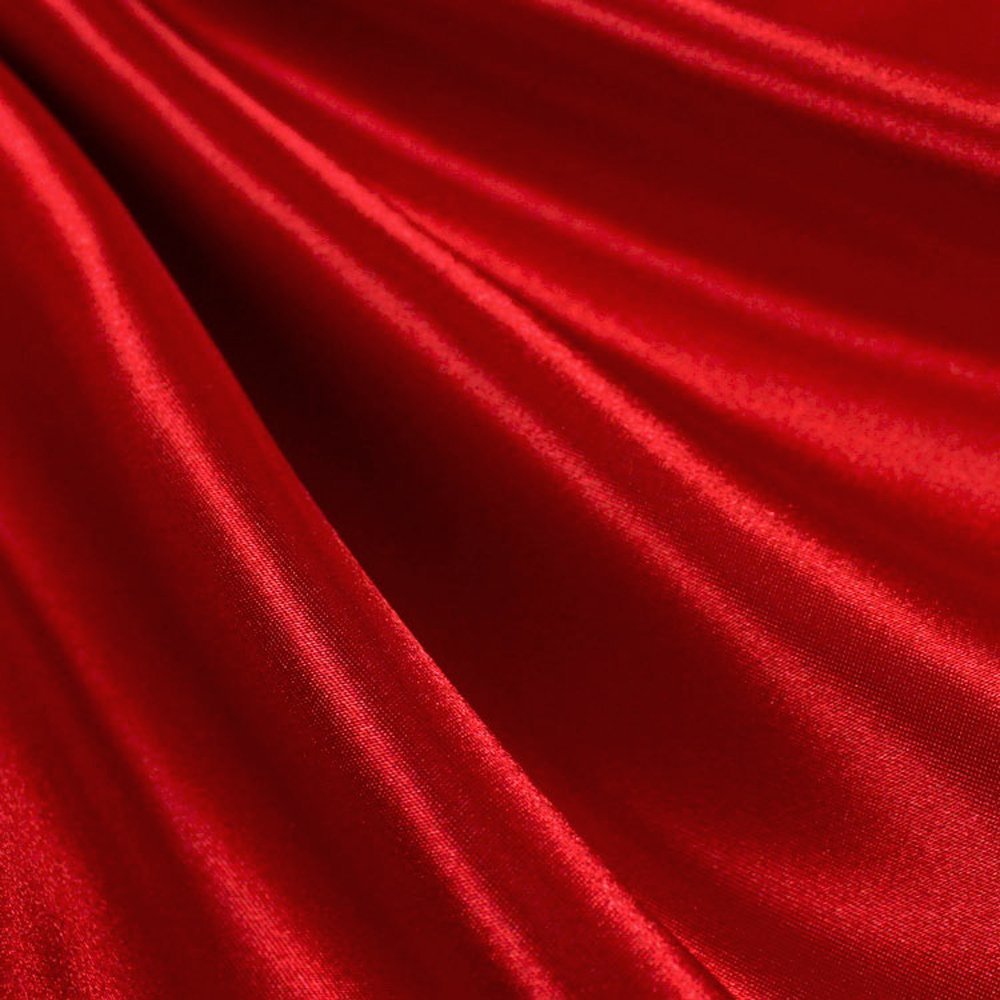
Satin fabric is renowned for its smooth, glossy surface and luxurious feel, making it a popular choice for evening wear, lingerie, and elegant home decor.
This blog explores the characteristics, production process, various types, and environmental impact of satin fabric, offering insights into its versatile applications in the fashion industry and beyond.

What is Satin Fabric?
Satin fabric is a smooth, glossy textile with a matte underside, created through a satin weave technique. It can be made from various fibers, including silk and polyester, each offering different benefits like softness or durability. Satin’s shine and fluidity make it a popular choice for evening wear, lingerie, and home decor.
Origin and Production of Satin Fabric
Satin originated in China and was traditionally made from silk. Modern production uses both natural and synthetic fibers, with the satin weave technique providing its signature sheen. Today, mass production allows for a range of satin fabrics, catering to different applications and price points.

Historical Significance and Modern Usage
Historically linked to luxury, satin was used in ceremonial attire. In contemporary fashion, it’s preferred for gowns, bridal wear, and lingerie due to its elegance. Satin also finds use in home decor, like curtains and bedding, adding a sophisticated touch.
Satin Fabric Today
Satin remains a fashion staple, used in everything from luxury garments to casual wear. At Modaknits, we offer high-quality silk and polyester satin options, balancing style and durability to meet diverse needs, ensuring refined and long-lasting products.
What Makes Satin Fabric Unique?
Satin fabric stands out for its luxurious appearance and versatility. Key characteristics include:
Key Characteristics and Qualities
- Lustrous Surface: The satin weave gives the fabric a glossy, reflective surface that enhances its visual appeal, making it perfect for evening gowns, bridal wear, and upscale home decor.
- Smooth Texture: Satin’s smooth and soft texture makes it comfortable against the skin, which is why it is a popular choice for lingerie and intimate apparel.
- Fluid Draping: The fabric’s lightweight nature and fluidity allow it to drape beautifully, making it ideal for creating flowing silhouettes in fashion design.
Comparison with Other Fabrics
- Satin vs. Silk: While silk satin offers a natural sheen and softness, polyester satin provides similar effects at a more affordable price, with added durability and ease of care.
- Satin vs. Velvet: Velvet has a plush, matte texture, while satin offers a sleek, glossy finish. Both are often used for formal wear, but satin creates a more lightweight and fluid look.
- Satin vs. Taffeta: Taffeta is stiffer and offers a crisp structure, whereas satin is soft and drapes smoothly, making it more suitable for flowing garments.
How is Satin Fabric Made?
The production of satin fabric involves a weaving technique where four or more weft threads pass over one warp thread, creating its signature smooth surface. Here’s how the process works:
Production Process
- Material Selection: Silk is the traditional choice for high-end satin, while polyester, nylon, and acetate offer affordable and durable alternatives for mass production. Each fiber affects the texture, sheen, and feel of the final product.
- Weaving Technique: The satin weave requires precise control over the loom to achieve the glossy surface and minimal interlacing, resulting in a smooth and fluid fabric that drapes elegantly.
- Finishing: The fabric undergoes various treatments, such as calendaring or chemical finishes, to enhance its shine and durability, ensuring that the sheen remains intact over time and through washing.

Regions Known for Satin Production
- China: As a global leader in textile manufacturing, China produces both silk and synthetic satin, offering a wide range of qualities and price points for different markets.
- India: Known for its traditional silk weaving, India produces high-quality satin, often used in luxury garments and special occasion wear.
- Italy: Italian mills specialize in premium silk satin, focusing on high-end fashion and luxury interiors, where quality and craftsmanship are essential.
What Are the Types of Satin Fabric?
Satin fabric comes in various types, each offering distinct characteristics and applications suited to different fashion and decor needs:
Silk Satin
Silk satin is the most luxurious and classic type, known for its natural sheen and smooth texture. It’s frequently used in high-end evening gowns, bridal wear, and lingerie, providing a soft, elegant finish perfect for luxurious, flowing designs.
Polyester Satin
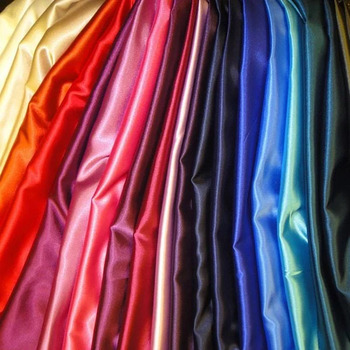
As a cost-effective alternative, polyester satin mimics the look of silk while offering greater durability and wrinkle resistance. It’s widely utilized in everyday fashion, home textiles, and mass-produced garments due to its affordability and practicality.
Stretch Satin
Stretch satin includes elastic fibers, providing flexibility and comfort for fitted garments. It is popular in evening wear, dance costumes, and athletic apparel, allowing for both ease of movement and a sleek, glossy finish.
Charmeuse Satin
Charmeuse satin is lightweight and soft, often made from silk or synthetic fibers. It drapes beautifully, making it ideal for blouses, lingerie, and scarves where a delicate, flowing appearance is desired.
Each type of satin fabric offers specific qualities, making it a versatile choice for everything from high-end fashion to everyday home decor, catering to both luxury and practical needs.
How is Satin Fabric Used in Textiles?
Satin’s glossy finish and smooth texture make it a versatile choice across various fashion and home decor applications:
Evening and Bridal Wear
Satin is a popular choice for evening gowns and bridal dresses, offering a lustrous, elegant look that enhances special occasion attire. Its fluid drape and reflective surface create a sophisticated appearance, perfect for luxurious and formal designs.
Lingerie and Sleepwear
The soft, smooth texture of satin makes it an ideal fabric for lingerie, robes, and nightgowns. It provides comfort and a luxurious feel, making these garments both stylish and comfortable for intimate wear.
Casual and Contemporary Fashion
In everyday fashion, satin is used for blouses, skirts, and stylish accessories. Its sheen and drape add an element of sophistication, allowing designers to create both chic and casual looks suitable for day and evening wear.
Home Decor
Satin is also widely used in home interiors, featured in cushion covers, curtains, and bed linens. Its shiny, elegant finish enhances the aesthetics of home spaces, providing a touch of luxury and refinement to interior decor.
Satin fabric’s versatility and luxurious appeal make it a staple in both fashion and decor, suitable for everything from high-end garments to everyday home essentials.
How Much Does Satin Fabric Cost?
The price of satin fabric depends on the type of fiber used and the location of production. Below is a cost breakdown for different types of satin:
Satin Fabric Costs in the United States
- Silk Satin: Typically priced between $30 and $100 per yard due to its luxurious quality and natural fiber origin. It is often used in premium fashion, evening wear, and bridal garments where a high-end finish is required.
- Polyester Satin: A more affordable option, ranging from $5 to $20 per yard. This type is durable and versatile, suitable for everyday clothing and home textiles.

Satin Fabric Costs in China
- Silk Satin: In China, silk satin costs between $10 and $60 per yard, benefiting from lower production and labor costs, making it a more economical choice for high-quality textiles.
- Polyester Satin: Priced between $2 and $15 per yard, polyester satin in China is a cost-effective solution for manufacturers aiming to produce lightweight, shiny fabrics at a large scale.
Factors Influencing Satin Fabric Prices
- Material Type: Silk satin is generally more expensive due to its premium texture and natural fiber content, while polyester satin remains budget-friendly and durable.
- Production Location: Chinese-made satin fabric is usually cheaper due to reduced labor and production costs, compared to the United States where higher operational expenses impact prices.
- Quality Standards: Additional treatments or certifications, especially for luxury-grade satin fabrics, can elevate costs, particularly for those used in high-end fashion.
Comparing Satin Fabric Prices: U.S. vs. China
Satin fabric sourced from China is typically 20% to 50% cheaper than that from the United States due to lower production costs. This price difference offers an advantage for manufacturers looking for competitive rates while maintaining quality. By sourcing from China, Modaknits can provide a diverse range of satin garments, from luxury silk items to affordable polyester alternatives, catering to various market needs.
How Does Satin Fabric Impact the Environment?
The environmental impact of satin fabric depends significantly on the type of fiber used and the production process involved. Below is an overview of how different satin types affect the environment:
Positive Environmental Impacts
- Biodegradability of Silk Satin: Silk satin is biodegradable, making it a more sustainable option compared to synthetic alternatives. When produced using organic methods and natural dyes, its environmental footprint is further reduced, offering an eco-friendly choice for luxury garments.
- Recycled Polyester Satin: Using recycled polyester to create satin fabric decreases the dependence on virgin petroleum resources. This approach helps reduce energy use and waste, offering a more sustainable alternative while retaining the fabric’s durability and aesthetic appeal.
Negative Environmental Impacts
- Silk Production: Despite its biodegradability, silk production is often resource-intensive, requiring significant amounts of water, energy, and labor. Conventional silk farming may also involve pesticides, which can negatively affect soil and water ecosystems. Though sustainable silk farming methods aim to address these issues, they are not yet widely implemented.
- Synthetic Satin (Polyester): Polyester satin, being petroleum-based, is non-biodegradable. It contributes to microplastic pollution when washed or discarded. The production process of polyester is also energy-intensive, increasing its carbon footprint and environmental impact.
Sustainable Practices
- Organic Silk Farming: Sourcing organic silk reduces the use of harmful chemicals, benefiting the environment and farming communities. Adopting these practices can lower the ecological impact of silk satin production.
- Recycling Initiatives: The use of recycled polyester satin is growing, decreasing reliance on virgin materials and minimizing waste. Promoting the recycling and repurposing of satin garments can further reduce the fabric’s environmental footprint.
- Low-Impact Dyeing: Eco-friendly dyeing methods, such as using natural or low-impact dyes, help minimize water pollution and chemical runoff, contributing to a more sustainable satin production process.
By understanding the environmental implications of satin fabric and adopting these sustainable measures, Modaknits can help minimize its ecological impact while maintaining the quality and elegance associated with satin garments.
Ensuring Satin Fabric Quality and Certification
At Modaknits, we focus on providing satin fabrics that meet high standards of quality and sustainability:
Key Quality Indicators
- Softness and Durability: We source satin fabrics that maintain their smooth texture and glossy finish, ensuring they are both luxurious and long-lasting.
- Consistent Shine: Our satin fabrics undergo precise finishing processes to guarantee that they maintain their reflective quality over time, even with regular use and washing.

Certifications and Sustainability
- OEKO-TEX® Certification: Our satin fabrics are OEKO-TEX® Standard 100 certified, ensuring they are free from harmful chemicals and safe for use in direct contact with the skin.
- ISO Compliance: We adhere to ISO standards for quality management and environmental responsibility, ensuring our production methods are efficient and eco-friendly.
By focusing on these quality measures and certifications, Modaknits offers satin fabrics that combine elegance, durability, and sustainability, meeting the demands of modern fashion and home decor.
For more information about our fabrics or to explore our product catalog, please contact us.