Skip to content
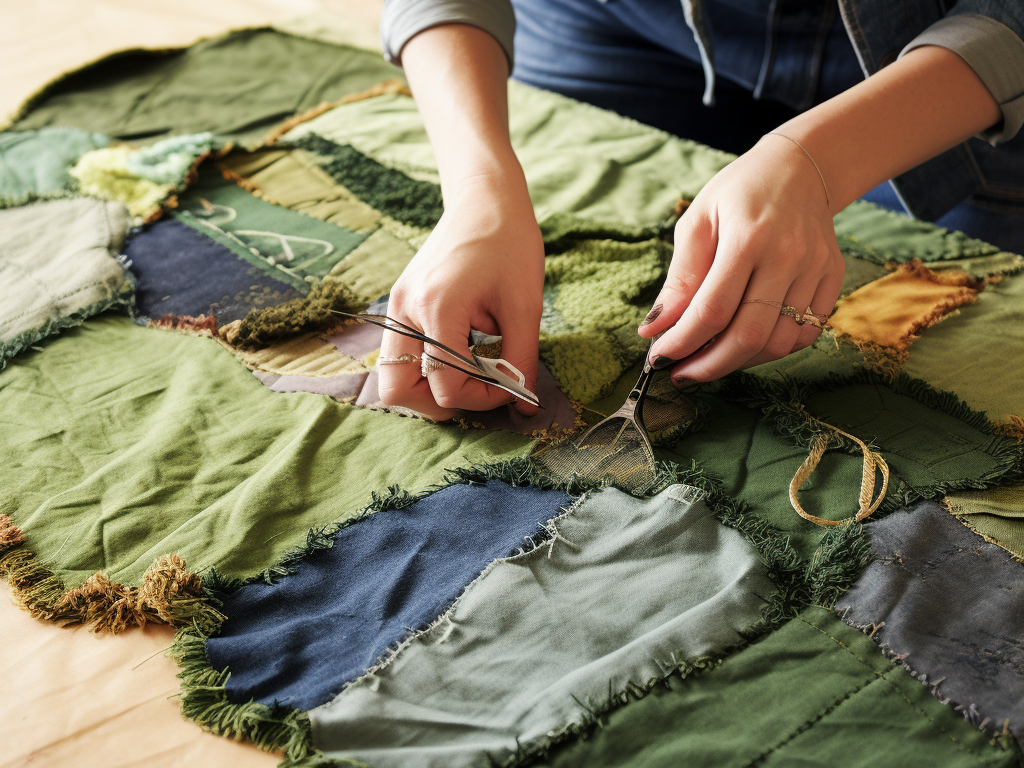
In today’s fast-paced fashion industry, the longevity of clothing often takes a backseat. However, with growing awareness about sustainability and the environmental impact of fast fashion, there’s a renewed interest in garment care, repair, and upcycling. This guide will provide insights into basic methods to mend wear and tear, as well as innovative ways to give old garments a new lease on life.
1. Basic Repair Techniques:
a. Patching:
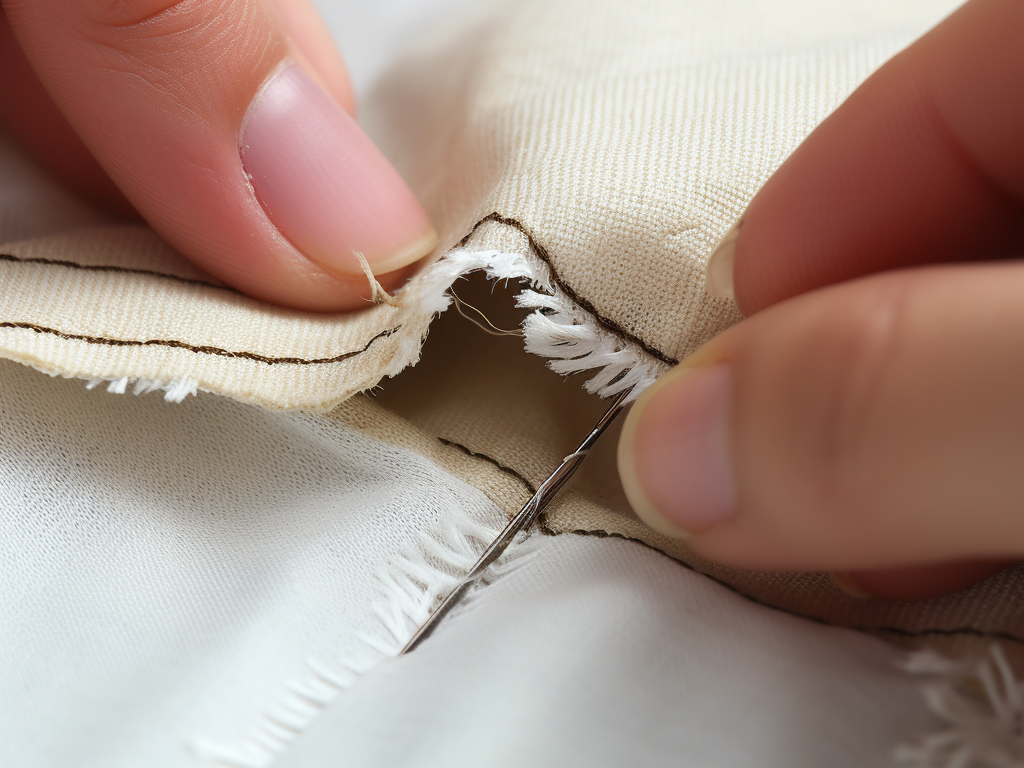
This is one of the most common methods to repair holes or tears. Choose a fabric patch that matches or complements the garment. Place the patch behind the tear, and sew it in place using a running stitch or a whip stitch for added strength.
b. Darning:
Ideal for repairing holes in knitwear. Using a needle and thread that matches the garment, weave in and out of the fabric to cover the hole, creating a woven patch that blends in with the rest of the material.
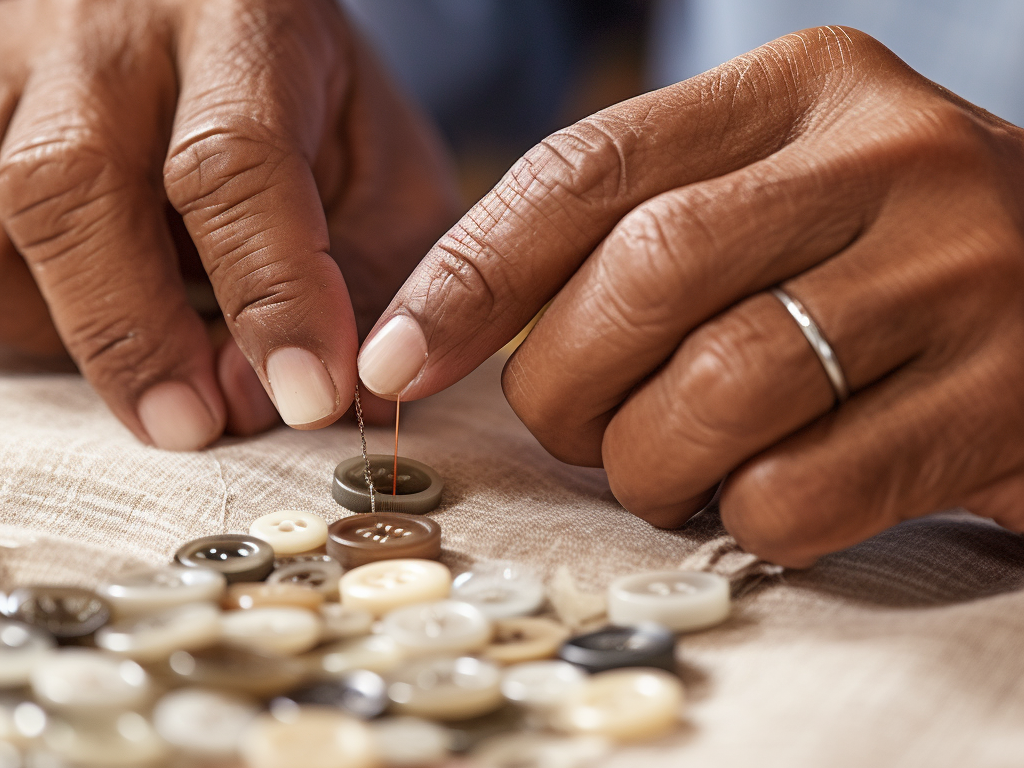
c. Replacing Buttons:
Always keep spare buttons that come with new garments. If a button falls off, sew it back using a cross-stitch method, ensuring it’s secure.
d. Fixing Zippers:
Zippers can often go off track or get stuck. In some cases, simply realigning the teeth or using a lubricant can fix the issue. If the zipper pull breaks, replace it with a new one.

2. Upcycling Techniques:
a. Transforming T-Shirts:
Old t-shirts can be transformed into tank tops, crop tops, or even bags. Cutting creatively or adding embellishments can give them a fresh look.
b. Denim Distressing:
Give old jeans a trendy look by distressing them. Use sandpaper, a cheese grater, or a razor to create worn-out patches.
c. Dress to Skirt:
An old dress can be easily converted into a skirt by removing the top part and adding an elastic waistband.
d. Adding Embroidery or Patches:
Embroider designs or sew patches onto plain garments to give them a unique touch.
e. Fabric Paints and Dyes:
Revamp the color of faded garments or add designs using fabric paints and dyes. Tie-dyeing is a popular method to rejuvenate old white t-shirts.
3. Sustainability and the Bigger Picture:
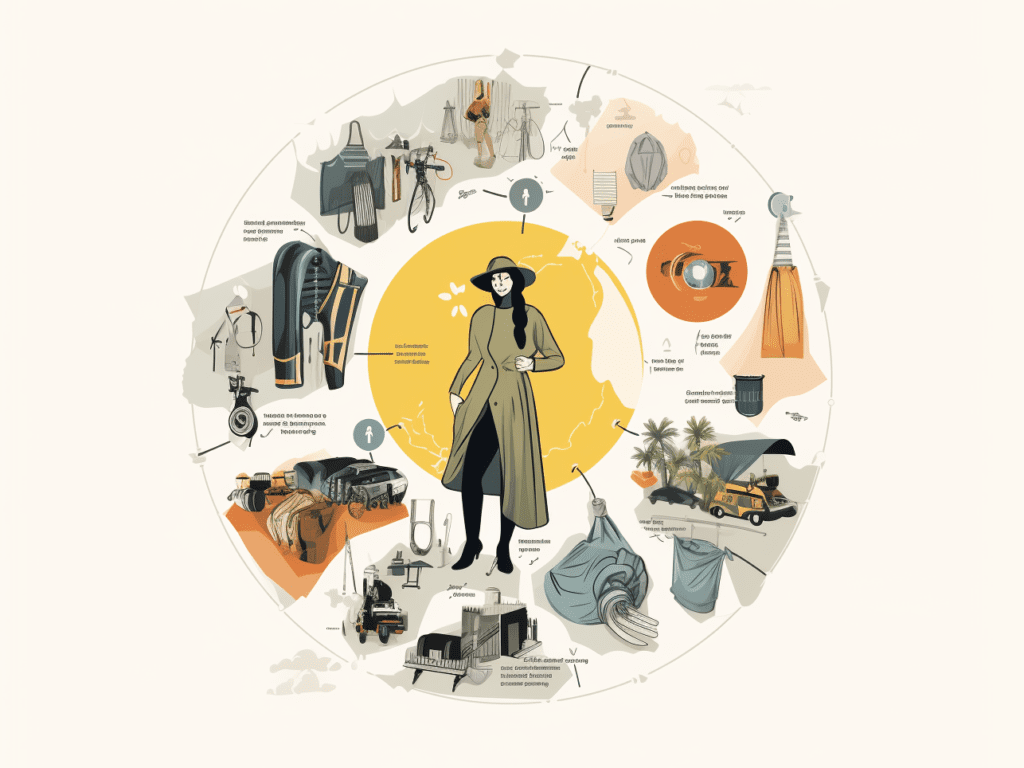
Repairing and upcycling not only extend the life of garments but also promote sustainability. It reduces waste, decreases the demand for new clothing production, and fosters creativity.
Conclusion:
In an era where disposable fashion has become the norm, repairing and upcycling are revolutionary acts. They challenge the status quo, encouraging individuals to value what they own and to find beauty in imperfection. By adopting these practices, we not only save money but also contribute to a more sustainable and environmentally-friendly world.