Skip to content
Rayon fabric is a versatile and widely-used textile that combines the properties of natural fibers with the benefits of synthetic production.
Known for its softness, breathability, and affordability, rayon is often used as a substitute for more expensive fabrics like silk.
This blog will explore the characteristics of rayon fabric, its various uses in fashion, and its environmental implications.
What is Rayon Fabric?
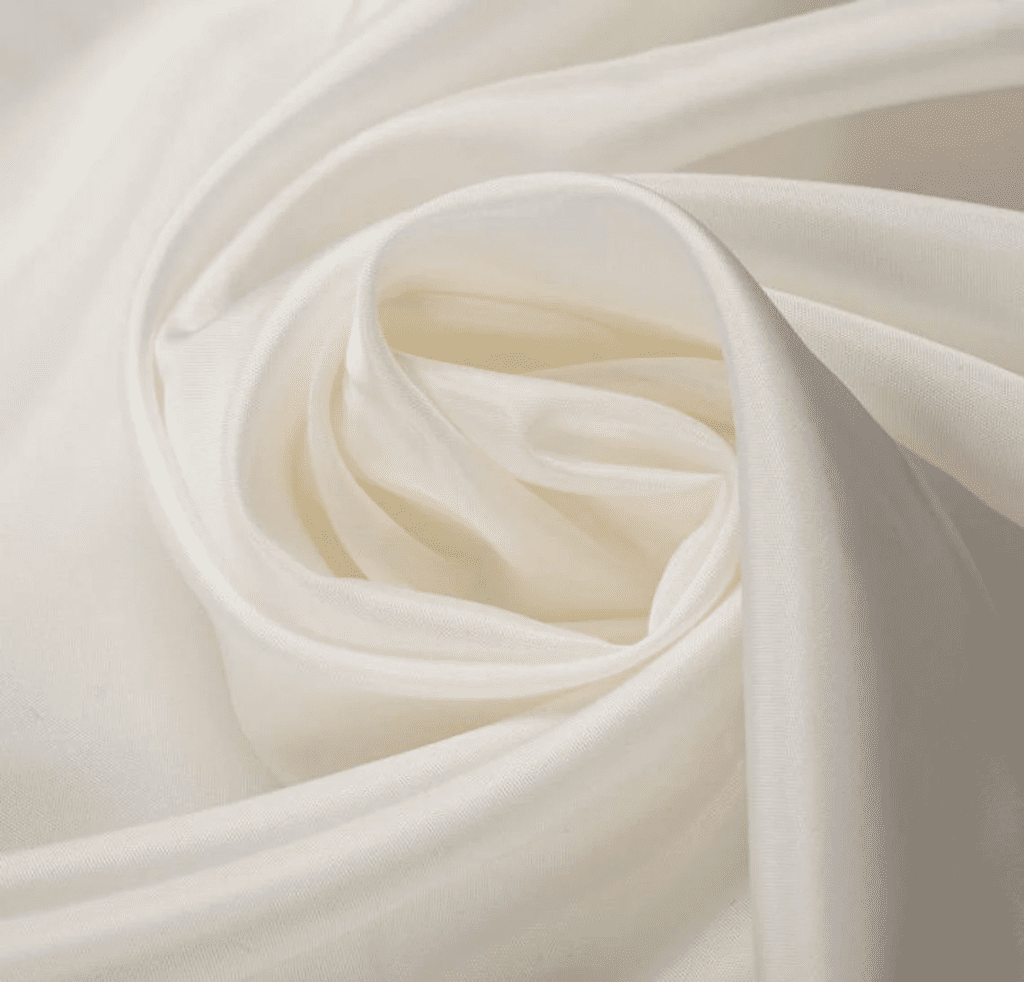
Rayon fabric is a semi-synthetic textile made from regenerated cellulose fibers, typically derived from wood pulp. Often referred to as “artificial silk,” rayon has a smooth texture and sheen similar to silk, while offering more affordable production and greater durability. Developed in the late 19th century as an alternative to silk, rayon is now used in a variety of applications, including clothing, home textiles, and industrial products.
Origin and Source of Rayon Fibers
Rayon is created through a complex chemical process that transforms cellulose from wood pulp or cotton linters into fibers. The cellulose is dissolved and then extruded through fine nozzles to form filaments, which are spun into yarn. These yarns can then be woven or knitted into fabric. Different types of rayon, including viscose, modal, and lyocell, are produced through variations in the manufacturing process, each offering distinct properties.

Historical Significance and Modern Usage
Rayon has played a significant role in the fashion industry since its invention, offering a cost-effective alternative to silk and cotton. Historically, it was used in luxury fashion for its softness and drape. Today, rayon remains popular in everyday apparel, from casual wear to formal attire. Its moisture-absorbing properties and breathability make it particularly well-suited for warm-weather clothing.
Rayon Fabric Today
In modern fashion, rayon continues to be valued for its versatility, comfort, and aesthetic appeal. It is commonly used in dresses, blouses, and activewear due to its lightweight and airy qualities. At Modaknits, we source high-quality rayon to create garments that balance style, comfort, and affordability.
What Makes Rayon Fabric Unique?
Rayon fabric is highly valued for its blend of softness, versatility, and affordability, making it a popular choice across the fashion and textile industries. Below are the key characteristics and qualities that distinguish rayon fabric.
Key Characteristics and Qualities
- Softness and Drapability: Rayon is well-known for its smooth texture and luxurious drape. These qualities give rayon garments a fluid, elegant appearance, much like silk, making it perfect for dresses, skirts, blouses, and flowy attire.
- Breathability: Rayon is highly breathable and moisture-absorbent, making it ideal for warm-weather clothing. Its ability to wick moisture away from the body keeps wearers cool and comfortable, especially during hot summer days.
- Versatility: Available in multiple forms, such as viscose, modal, and lyocell, rayon can mimic the qualities of other fibers like cotton, linen, and silk. This versatility allows it to be used in a broad range of fashion and home textile applications.
- Eco-Friendly Options: Some types of rayon, like lyocell, are produced using more environmentally sustainable methods, minimizing the harmful impacts of traditional rayon production processes. This has made eco-friendly rayon a desirable option for those conscious of sustainable fashion.
- Affordability: Rayon offers a luxurious look and feel at a lower cost than many natural fibers, making it a popular and budget-friendly choice for fashion designers and consumers alike. This affordability doesn’t compromise quality, providing high-end characteristics for a wide audience.
Comparison with Other Fabrics
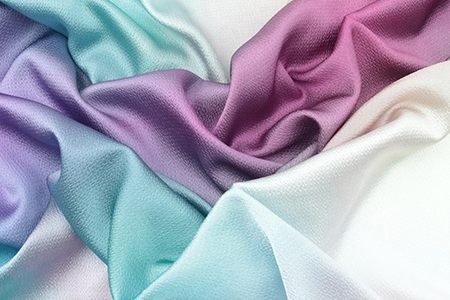
- Rayon vs. Silk: While silk is more expensive, rayon can mimic silk’s smoothness and drapability at a fraction of the cost, making it an affordable alternative.
- Rayon vs. Cotton: Rayon has better drapability and a softer feel than cotton, though cotton may offer more durability. Rayon is often preferred for fashion-forward designs requiring fluidity.
- Rayon vs. Polyester: Polyester is more durable, but rayon offers better breathability and a more natural feel against the skin, making it more suitable for casual and elegant wear.
Rayon fabric’s combination of luxurious softness, breathability, and affordability ensures its continued popularity in modern textile manufacturing for fashion and home uses.
How is Rayon Fabric Made?
The production of rayon fabric involves multiple carefully monitored stages, transforming raw cellulose from wood pulp into a smooth, versatile textile that is used in a wide range of garments and textiles.
Production Process
- Cellulose Extraction: The process begins by extracting cellulose from wood pulp, typically sourced from fast-growing trees such as bamboo, eucalyptus, or beech trees. This cellulose serves as the primary material for rayon fibers.
- Dissolution: The extracted cellulose is dissolved in a chemical solution, typically a sodium hydroxide solution, creating a viscous liquid known as viscose. This step prepares the cellulose for further processing.
- Extrusion: The viscose solution is then forced through spinnerets, which are devices with tiny holes, forming long filaments. These filaments are solidified through various treatments, such as immersion in a sulfuric acid bath, to create the fibers.
- Spinning: After extrusion, the filaments are spun into yarn. The thickness and texture of the yarn vary depending on the intended use of the fabric. These yarns can be processed to form different types of rayon, such as viscose, modal, or lyocell.
- Weaving or Knitting: The rayon yarn is woven or knitted into fabric, depending on its final application. Weaving creates a more structured fabric, suitable for items like formal garments, while knitting results in a softer, stretchier textile for casual wear.
- Finishing: The final stage involves various finishing treatments, including dyeing and softening processes. This step ensures that the rayon fabric is vibrant, soft, and suitable for a wide range of garments.
Regions Known for Rayon Fabric Production
- China: China is one of the largest producers of rayon fabric, offering a vast range of affordable options for both domestic and international markets.
- India: India also plays a significant role in rayon production, providing textiles for fashion and home furnishings globally.
- Indonesia: Indonesia is another key player, known for producing high-quality rayon for international fashion brands.
Rayon fabric’s breathability, affordability, and adaptability make it a staple material in both fashion and home textiles.
What Are the Types of Rayon Fabric?
Rayon fabric comes in several variations, each with distinct qualities that cater to different textile applications.
These variations are primarily differentiated by their production methods and specific properties, offering a range of benefits for fashion and home textiles.
Viscose Rayon
Viscose is the most common type of rayon, known for its smooth, silk-like texture. It is highly absorbent and breathable, making it an ideal choice for summer garments like dresses, blouses, and skirts. However, viscose can wrinkle easily and may require delicate care to maintain its look and feel.
Modal Rayon
Modal is a more refined version of viscose, produced using beech tree pulp. It is softer, more durable, and resistant to shrinkage. Its moisture-wicking and breathable properties make it ideal for activewear, undergarments, and bed linens. Additionally, modal fabrics maintain their softness and shape after repeated washing.
Lyocell
Lyocell is an eco-friendly form of rayon, made using a closed-loop production process that recycles water and solvents. It is strong, soft, and wrinkle-resistant, commonly found in sustainable fashion, activewear, and denim. Lyocell is praised for its minimal environmental impact and is increasingly popular in eco-conscious garment production.
Cupro
Also known as “Bemberg,” cupro is a finer form of rayon made from cotton linter, the fluffy fibers left over from cotton production. It drapes beautifully and is often used in luxury garments, linings, and evening wear. Cupro provides a balance between softness and breathability, making it ideal for high-end fashion pieces.
Each type of rayon fabric offers unique characteristics, making it versatile for a wide range of applications—from casual, affordable apparel to luxurious, eco-conscious fashion.
How is Rayon Fabric Used in Textiles?
Rayon fabric is widely used across various fashion and textile applications due to its softness, breathability, and versatile qualities. Here are some of the most common uses of rayon fabric:
Casual Wear: Rayon’s lightweight, flowy texture makes it an excellent choice for dresses, tops, skirts, and blouses. It drapes beautifully, offering comfort and style in casual, everyday wear, especially in warmer weather.
Formal Attire: The smooth, silky sheen of rayon mimics more luxurious fabrics like silk, making it suitable for formal wear such as evening gowns, elegant blouses, and dress shirts. It brings sophistication and a polished look to formal settings.
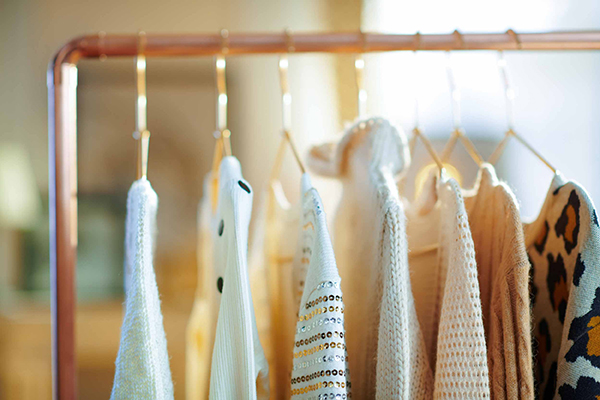
Activewear: Rayon’s moisture-wicking properties allow it to absorb and release moisture quickly, making it ideal for sportswear and activewear. Its breathability ensures comfort during physical activities.
Home Textiles: Rayon is also commonly used in home textiles such as bed linens, curtains, and upholstery due to its softness and durability. Its ability to hold vibrant colors makes it a stylish choice for home décor.
Loungewear and Undergarments: Thanks to its soft texture and breathable qualities, rayon is popular in comfortable clothing like loungewear, sleepwear, and undergarments, providing a luxurious feel against the skin.
Rayon’s versatility, comfort, and affordability make it a staple in both fashion and home textiles, catering to a wide range of styles and practical needs.
How Much Does Rayon Fabric Cost?
The price of rayon fabric varies depending on factors such as quality, type, and production location. Here’s a detailed breakdown to help manufacturers make informed sourcing decisions:
Rayon Fabric Costs in the United States
- Basic Rayon Fabric: Prices for basic rayon fabric typically range from $5 to $10 per yard. This type of rayon is commonly used in lightweight garments like dresses, skirts, and tops, offering an affordable option for everyday wear.
- Premium Rayon Fabric (Modal, Lyocell): Premium types of rayon, such as modal and lyocell, generally cost between $10 to $20 per yard. These fabrics are favored for their softness, moisture-wicking properties, and eco-friendlier production methods, making them suitable for high-end apparel, activewear, and sustainable fashion collections.
Rayon Fabric Costs in China
- Basic Rayon Fabric: In China, basic rayon fabric is more competitively priced, ranging from $3 to $8 per yard. China’s large-scale manufacturing capabilities and lower labor costs contribute to more affordable fabric prices, making it a popular sourcing destination for budget-conscious manufacturers.
- Premium Rayon Fabric (Modal, Lyocell): Premium varieties like modal and lyocell rayon in China are priced between $8 to $15 per yard. The lower production costs make it easier for manufacturers to source these eco-conscious fabrics at competitive prices without sacrificing quality.
Factors Influencing Rayon Fabric Prices
- Type of Rayon: The price varies depending on whether the rayon is a basic form or a premium version like modal or lyocell. Premium types are generally more expensive due to their advanced properties, such as durability and environmental sustainability.
- Production Location: Manufacturing costs differ by region, with China offering more cost-effective production, while U.S.-made rayon tends to be more expensive due to higher labor and quality standards.
- Sustainability Certifications: Certified eco-friendly fabrics like lyocell, which are produced using closed-loop processes, tend to have higher prices due to their reduced environmental impact.
Comparing Rayon Fabric Prices: U.S. vs. China
Rayon fabric prices in China are typically 20% to 40% lower than in the United States due to lower labor and production costs. This price difference makes China a competitive option for manufacturers looking to produce cost-effective yet high-quality garments. For sustainable fabrics like lyocell, sourcing from China can help reduce production costs while maintaining environmental standards.
By taking advantage of competitive pricing, Modaknits can offer rayon fabrics that balance affordability with quality, ensuring that our garments meet the needs of both eco-conscious and budget-conscious consumers.
How Does Rayon Fabric Impact the Environment?
Rayon fabric, while widely used for its versatility and softness, has both positive and negative environmental impacts that are important to consider for sustainable fashion production.
Positive Environmental Impacts
- Biodegradability: Rayon is a biodegradable fabric, unlike many synthetic fibers like polyester or nylon. This quality reduces its contribution to long-term waste in landfills and microplastic pollution. When disposed of responsibly, rayon decomposes naturally, making it more eco-friendly than purely synthetic alternatives.
- Sustainable Variants (Lyocell and Modal): Certain types of rayon, such as Lyocell and Modal, are produced using more sustainable practices. These materials are often derived from responsibly managed forests and use a closed-loop process in production, which minimizes chemical waste and reduces water and energy consumption.
Negative Environmental Impacts
- Deforestation: One of the main concerns with rayon production is its reliance on wood pulp, typically sourced from trees such as bamboo, eucalyptus, or beech. If these trees are harvested unsustainably, it can lead to deforestation and habitat destruction. However, efforts such as sourcing from sustainably managed forests (with certifications like FSC) can mitigate this impact.
- Chemical Pollution: Traditional rayon production uses a significant amount of chemicals, including carbon disulfide and sodium hydroxide, which can be harmful if not properly managed. These chemicals pose risks to both factory workers and the environment if they are released into waterways during production. The viscose process, in particular, has been criticized for its negative environmental effects.
- Water and Energy Use: Rayon production can be resource-intensive, requiring large quantities of water and energy. This environmental cost can vary based on the production process and the measures taken to reduce resource consumption.
Sustainable Practices in Rayon Production
- Closed-Loop Systems: Some modern rayon production methods, especially for Lyocell, use closed-loop systems where water and solvents are recycled, significantly reducing waste and pollution. This system ensures that up to 99% of the chemicals used are recovered and reused, making it a much more environmentally friendly option compared to traditional rayon production methods.
- Certifications: Certifications such as the Forest Stewardship Council (FSC) and OEKO-TEX® Standard 100 ensure that the wood pulp used for rayon is sourced responsibly and that the fabric is produced without harmful substances. These certifications are key to promoting sustainable and eco-friendly rayon production practices.
Ensuring Rayon Fabric Quality and Certification
At Modaknits, we are dedicated to providing high-quality rayon fabrics that meet stringent industry standards while adhering to sustainable production practices. Our commitment to quality and environmental responsibility is reflected in the certifications our fabrics carry, ensuring both performance and eco-friendliness.
Key Quality Indicators
- Fiber Strength and Durability: Rayon fabric, though delicate in feel, is designed for durability. At Modaknits, we ensure that our rayon fabrics maintain their strength and shape, offering both long-lasting comfort and wearability across multiple garment types. This attention to detail ensures that even with frequent use, the fabric remains resilient and comfortable.
- Breathability and Comfort: Rayon is prized for its breathability, making it an excellent choice for garments meant for warm climates. Its ability to wick moisture away from the body keeps wearers cool and comfortable. At Modaknits, we select rayon fibers that enhance this natural breathability, ensuring our garments are suited for casual and formal wear in all climates.
- Aesthetic Appeal: The smooth, silky drape of rayon adds elegance to any garment. Whether used in flowing dresses, casual tops, or formal attire, the natural sheen and softness of rayon fabric ensure a luxurious feel. Our careful selection of high-quality rayon ensures that all our garments exude sophistication while providing lasting comfort.

Certifications and Sustainability
- OEKO-TEX® Standard 100: All of our rayon fabrics are certified under OEKO-TEX® Standard 100, which guarantees that they are free from harmful chemicals and safe for direct skin contact. This certification is crucial for ensuring that our fabrics meet the highest safety and environmental standards, offering our customers peace of mind.
- FSC (Forest Stewardship Council) Certification: Modaknits sources rayon from FSC-certified forests, which ensures that the wood pulp used in rayon production comes from responsibly managed forests that support biodiversity and ecological sustainability. This certification demonstrates our commitment to reducing the environmental impact of our fabric sourcing and supporting sustainable forestry practices.
- ISO Standards: In addition to OEKO-TEX® and FSC certifications, we adhere to ISO standards for quality management and environmental practices. This guarantees that our rayon fabrics are produced with the utmost care, using processes that prioritize sustainability and consistency in fabric quality.
By prioritizing these globally recognized certifications and quality standards, Modaknits ensures that our rayon fabric garments not only meet the high expectations of our customers in terms of style and comfort but also align with the growing demand for sustainable and ethically produced fashion.
For more information about our fabrics or to explore our product catalog, please contact us.