| Fabric name | Polyester |
| Fabric also known as | Polyethylene terephthalate, PET, microfiber |
| Fabric composition | Polymers derived from fossil fuels or organic sources |
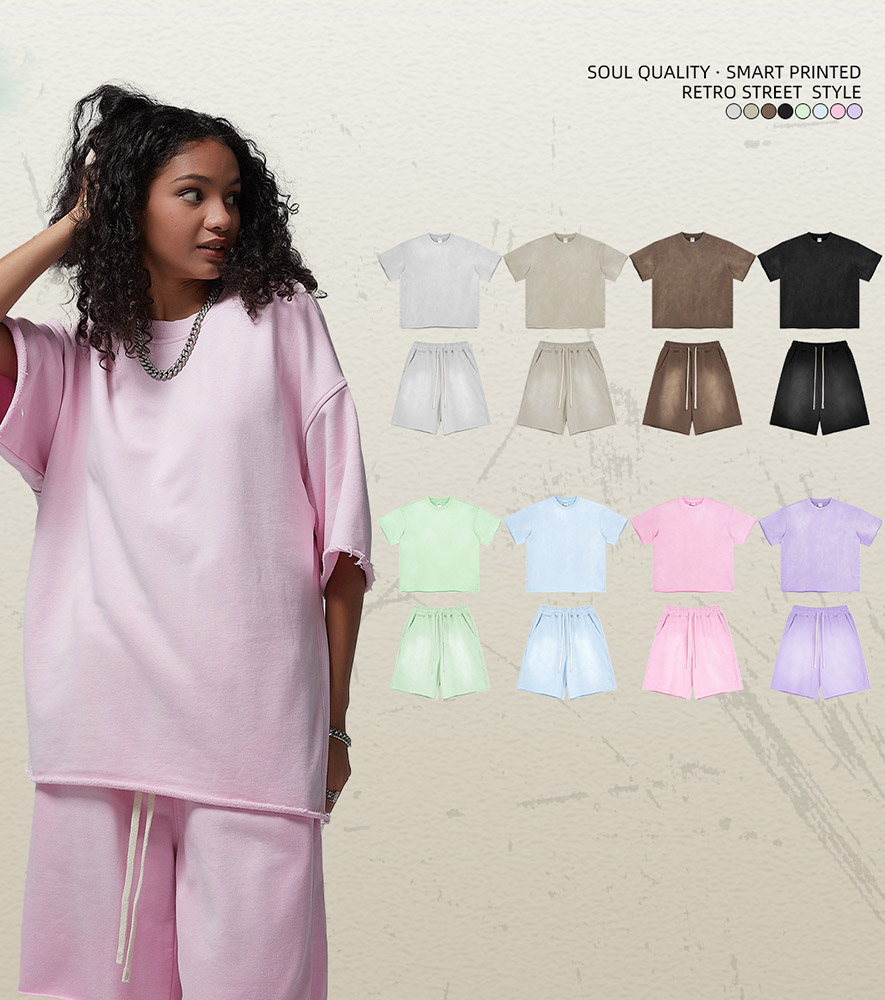
| Commonly used in | Shirts, pants, hoodies, dresses, jackets, underwear, socks, blankets, hats |
| Fabric breathability | Very breathable |
| Moisture-wicking abilities | High |
| Heat retention abilities | Medium |
| Stretchability (give) | Medium |
| Prone to pilling/bubbling | Medium |
| Fabric possible thread count variations | 200-1,000 |
| Country where fabric was first produced | United States |
| Biggest exporting/producing country today | China |
| Recommended washing temperatures | Cold, warm, or hot |

What is Polyester Fabric?
Polyester is a synthetic fabric usually derived from petroleum, making it one of the world’s most popular textiles. It finds applications in thousands of consumer and industrial products due to its versatility and durability.
Chemically, polyester is a polymer composed primarily of compounds within the ester functional group. Most synthetic and some plant-based polyester fibers originate from ethylene, a petroleum constituent. While some forms of polyester are biodegradable, the majority are not, leading to significant environmental concerns due to pollution.
In apparel, polyester can be used as the sole material but is often blended with natural fibers like cotton to balance cost and comfort. Blending with cotton improves the shrinkage, durability, and wrinkle resistance of garments while maintaining lower production costs.
Polyester fabric is known for its high resistance to environmental conditions, making it ideal for long-term use in outdoor applications. Its history dates back to 1926 when it was first synthesized as Terylene by W.H. Carothers in the UK. The material gained prominence throughout the 1930s and 1940s, with significant advancements made by British scientists and American investors.
The DuPont Corporation, known for developing other synthetic fibers like nylon, was instrumental in bringing polyester fiber to mass production. During World War II, the demand for synthetic fibers increased for military applications, and post-war, the consumer market embraced polyester for its durability.
Despite its environmental impact, polyester remains one of the most widely-produced fabrics globally. It’s prevalent in consumer apparel, though it poses a risk in extreme heat, melting rather than charring like natural fibers.

Why is Polyester So Popular?
- Durability: Polyester is highly durable and resistant to abrasion, making it ideal for everyday wear and tear.
- Cost-Effective: The production costs of polyester are lower compared to many natural fibers, making it a budget-friendly option for manufacturers and consumers.
- Versatility: Polyester can be used alone or blended with other fibers to enhance fabric qualities such as strength, elasticity, and wrinkle resistance.
- Environmental Resistance: It resists shrinking, stretching, and wrinkling, maintaining its shape and appearance over time.
- Quick-Drying: Polyester’s hydrophobic nature ensures it dries quickly, making it suitable for sportswear and outdoor gear.
- Maintenance: Easy to wash and care for, polyester garments require minimal maintenance, retaining their color and shape through many washes.
- Lightweight: The fabric is lightweight yet strong, providing comfort without compromising on durability.
- Innovation: Continuous advancements in polyester production lead to new variants with improved features, such as moisture-wicking and breathability.
At Modaknits, we utilize high-quality polyester fabrics to manufacture a wide range of apparel, ensuring that every garment meets the highest standards of durability and performance.
What Types of Polyester Fabric Are There?

Polyester fabric comes in several types, each with unique characteristics and applications. Understanding these types can help you choose the best fabric for your needs.
Ethylene Polyester (PET)
Ethylene Polyester (PET) is the most popular type of polyester fabric on the market. In most contexts, the word “polyester” is synonymous with “PET,” even though other types of polyester exist. PET is durable, resistant to shrinking and stretching, and quick-drying, making it ideal for a wide range of consumer and industrial applications.
Plant-Based Polyester
Plant-Based Polyester is a biodegradable alternative to traditional polyester. While it offers the environmental benefit of being biodegradable, it costs more to produce and may be less durable than its PET or PCDT equivalents. This type of polyester is preferred in eco-friendly products and applications where sustainability is a key concern.
PCDT Polyester
PCDT Polyester, while not as widely used as PET, provides unique benefits. It is more elastic and durable than PET, making it ideal for heavy-duty applications such as upholstery and curtains. PCDT polyester’s enhanced elasticity also makes it suitable for products that require greater flexibility and strength.
Comparative Analysis
- Nylon vs. Polyester: Nylon is stronger and more durable, but polyester is more resistant to water and stains.
- Spandex vs. Polyester: Spandex provides more stretch, but polyester offers more durability and resistance to environmental factors.
As a professional clothing manufacturer,we sources various types of high-quality polyester fabrics, including PET, PCDT, and plant-based polyester, to create garments that meet diverse market needs.
How is Polyester Fabric Made?

The production processes for polyester fabric vary depending on the type of polyester being made. Here’s a detailed look at how different types of polyester are produced:
Ethylene Polyester (PET)
Ethylene polyester, or PET, is the most commonly produced form of polyester fiber. It is primarily made from petroleum-derived ethylene, which interacts with other chemicals to create a stable fibrous compound. The process of creating PET fiber involves the following steps:
1.Filament: Continuous fibers produce smooth and soft fabrics.
2.Staple: Resembling cotton yarn staples, these fibers are usually spun into yarn-like material.
3.Tow: Similar to filament but with loosely arranged fibers.
4.Fiberfill: Continuous filaments designed to maximize volume for products like pillows, outerwear, and stuffed animals.
The creation of polyester fiber begins with reacting ethylene glycol with dimethyl terephthalate at high heat to produce a monomer. This monomer is then further reacted to create a polymer. The molten polyester polymer is extruded into long strips, cooled, dried, and broken into small pieces.
These pieces are melted again into a honey-like substance and extruded through a spinneret to create fibers. The fibers may then be cut or chemically treated to achieve the desired form (filaments, staple, tow, or fiberfill). In most applications, these fibers are spun into yarn before dyeing or other post-production processes.
PCDT Polyester
The production of PCDT polyester is similar to PET polyester but involves a different chemical structure. While PCDT also consists of ethylene glycol reacted with dimethyl terephthalate, it undergoes different production processes to achieve its unique properties.
Plant-Based Polyester
Plant-based polyester is made from ethylene glycol reacted with dimethyl terephthalate, similar to PET and PCDT. However, instead of petroleum-derived ethylene, plant-based polyester uses ethylene from sources like cane sugar. This variant offers a biodegradable option, though it may be less durable and more expensive to produce.
Technological Innovations
Recent advancements in polyester production include the development of recycled polyester. This process uses PET from post-consumer products like plastic bottles, significantly reducing the environmental impact of polyester production. Recycled polyester maintains the desirable properties of PET while promoting sustainability and reducing waste.
Where is Polyester Fabric Produced?
According to recent data, China remains the largest producer of polyester fibers, solidifying its status as the hub of the international polyester industry. In 2022, China’s vast production capacity and technological advancements in textile manufacturing enabled it to dominate the global market. The country produced a significant portion of the 63 million metric tons of polyester fibers manufactured worldwide, accounting for 54% of the total fiber market.

Other major producers of polyester include Korea, India, Japan, and Indonesia. India’s polyester fabric market, for instance, is expected to experience substantial growth due to the rising demand for cost-effective and durable fabrics in various applications, including clothing, upholstery, and home furnishings. These countries contribute significantly to the global supply of polyester with advanced production facilities and strong export capabilities.
The United States also holds a significant position in polyester fabric production, benefiting from advanced technology, high-quality standards, and robust research and development efforts. American manufacturers employ cutting-edge machinery and innovative techniques to enhance the efficiency and quality of polyester fabrics.
The emphasis on high standards ensures that U.S.-produced polyester meets stringent durability and performance criteria, making it highly desirable globally. Additionally, the U.S. invests heavily in sustainable practices, such as using recycled polyester and eco-friendly dyeing processes, aligning with global sustainability trends.
Once produced, polyester fibers in China and other Asian countries largely remain within the region to be processed into apparel and other polyester-based products. These finished goods are then exported worldwide, including to many Western nations, meeting the global demand for polyester apparel and consumables.
For further details, you can refer to comprehensive reports and market analyses on platforms such as Textile Exchange and 6Wresearch.
How is Polyester Fabric Used?
Polyester fabric, primarily made from PET, the same type of petroleum-based plastic used in many everyday synthetic consumer products like food containers and water bottles, has a wide range of applications. In its fiber form, polyester fabric is utilized in hundreds of different consumer and industrial products due to its versatility, durability, and cost-effectiveness.
Apparel Applications
Polyester is commonly used as an alternative to natural fibers like cotton, wool, and silk. Its applications in clothing are extensive, ranging from casual to formal wear. Polyester fabric is used to make:
- Everyday shirts and pants
- Suits and jackets
- Socks and underwear
- Glamorous eveningwear
The material’s versatility allows it to be crafted into any type of garment, providing options for casual, business, or formal occasions.
Homeware Applications
Polyester also finds significant use in homeware products. A notable type of polyester, called microfiber, is especially valued in the bath and kitchen homeware categories for its softness and absorbency. Homeware products made from polyester include:
- Bath towels and face towels
- Kitchen towels
- Blankets and rugs
- Upholstery and curtains
Polyester’s stain-resistant properties make it a popular choice for households with children and pets. Additionally, polyester fabric serves as cushioning for chairs, sofas, and pillows, adding to its homeware versatility.
Industrial Applications
Beyond consumer products, polyester has numerous industrial uses due to its strength and durability. Industrial applications of polyester include:
- LCD displays and holographic films
- Boats and tarps
- Bottles and other containers
Polyester’s robustness and resistance to various environmental factors make it suitable for these demanding applications.
Polyester fabric’s widespread use in apparel, homewares, and industrial products highlights its versatility and importance in various sectors. Whether used in everyday clothing, luxurious eveningwear, soft and absorbent towels, or durable industrial goods, polyester continues to be a vital material in modern manufacturing.
How Much Does Polyester Fabric Cost?
The current price of raw polyester fiber is approximately $3 per pound, subject to daily fluctuations. Despite these minor changes, polyester continues to be one of the most cost-effective textile products globally, significantly contributing to its widespread use.
Once polyester is processed into fabric, its price rises to around $12 per yard. Manufacturers then transform this fabric into various consumer goods, maintaining polyester’s popularity due to its affordability and versatility.
While the price differences between polyester and other fabrics become more comparable by the time they reach the consumer market, the low global prices of polyester have traditionally bolstered its popularity in apparel applications. The continued affordability of polyester helps keep apparel prices low, but it also discourages consumers from opting for natural fibers, which tend to have less environmental impact.

Cost Factors
- Raw Materials: The cost of petroleum significantly impacts polyester prices. Fluctuations in crude oil prices can directly affect the cost of producing polyester.
- Manufacturing Processes: Advanced manufacturing processes, such as those used to create high-quality or specialty polyester fabrics, can increase costs but also enhance the quality and performance of the fabric.
- Market Demand: High demand for polyester fabric can drive prices up. Conversely, when demand decreases, prices tend to fall. Seasonal trends and fashion industry demands also play a role in price fluctuations.
- Production Scale: Large-scale production typically reduces per-unit costs. Manufacturers with higher production capacities can offer more competitive pricing.
- Sustainability Initiatives: The incorporation of recycled polyester and eco-friendly production methods can increase costs but appeal to environmentally conscious consumers and meet regulatory standards.
Market Pricing
- Average Cost: Polyester fabric prices can vary widely based on quality and type. Generally, prices range from $3 to $7 per yard. High-quality polyester or specialty blends can be more expensive.
- Consumer Market: By the time polyester fabric reaches consumers, prices for polyester apparel and other products can range significantly, influenced by brand, design, and additional value-added features.
- Global Trends: Market prices for polyester are influenced by global economic conditions, trade policies, and technological advancements in textile manufacturing.
In summary, polyester fabric remains a cost-effective choice for manufacturers and consumers alike, despite price variations driven by raw materials, manufacturing processes, and market demand. Its affordability continues to support its widespread use in various applications, from everyday apparel to industrial products.
As an experienced clothing manufacturer, we offer competitive prices for all our clothing., ensuring that our clients receive high-quality garments that provide excellent value for money.
How Does Polyester Fabric Impact the Environment?
Polyester fabric has a generally negative impact on the environment, affecting it at every stage of its lifecycle, from production to disposal.
Environmental Concerns
- Fossil Fuel Dependency: The production of polyester begins with the extraction of fossil fuels, a limited resource crucial for energy and plastics production. Refining crude oil into petroleum releases various toxins into the environment, harming aquatic and terrestrial life.
- Pollution from Refinement: Further refinement to produce ethylene for polyester is wasteful and introduces additional toxins into the environment.
- Production Byproducts: Transforming ethylene into polyethylene terephthalate (PET) fibers produces harmful synthetic byproducts. The dyes and treatment processes used in polyester fabric manufacturing can also poison surrounding ecosystems.
- Microfiber Pollution: Washing polyester fabrics releases synthetic microfibers into the water supply. These microfibers harm marine life and contaminate drinking water globally.
- Social and Cultural Costs: The majority of polyester production involves exploitative labor practices, exposing workers to toxic chemicals that can cause severe health issues. Major polyester manufacturers often exploit labor in impoverished countries, enriching themselves while causing social harm.
- Non-Biodegradability: Polyester does not naturally degrade, unlike biodegradable fibers like wool, cotton, or silk. It can take centuries for polyester to break down, accumulating in ecosystems and causing long-term environmental damage.
Innovations in Sustainability
- Recycled Polyester: One of the significant advancements in mitigating the environmental impact of polyester is the development of recycled polyester. Using post-consumer PET, such as plastic bottles, to create new polyester fabric helps reduce waste and lowers the demand for virgin polyester. This recycling process helps reduce the environmental footprint of polyester production.
- Eco-Friendly Production Methods: The textile industry is also exploring more sustainable manufacturing processes. Innovations include using less water, reducing emissions, and developing safer chemical treatments to minimize environmental harm.
Recycling and Disposal
Efforts to recycle polyester are increasing, with more emphasis on converting post-consumer PET products into new polyester fibers. This process involves collecting, cleaning, and melting down plastic waste, which is then re-spun into polyester yarn. These recycled fibers can be used to produce various textile products, thus reducing the need for virgin polyester and mitigating its environmental impact.
However, recycling polyester is not a complete solution. The efficiency of the recycling process and the quality of the recycled fibers can vary. Additionally, while recycling helps reduce waste, it does not address the issue of microfiber pollution. Innovations are being made to develop filters for washing machines to capture microfibers and prevent them from entering the water supply.
In summary, while polyester fabric has significant environmental impacts, advancements in recycling and sustainable production methods offer some hope for mitigating its adverse effects. Continued innovation and increased adoption of eco-friendly practices are essential for reducing the environmental footprint of polyester fabric.
Key Certifications for Sourcing Polyester Fabric
When sourcing polyester fabric, manufacturers should look for various certifications that ensure the quality, safety, and sustainability of the material. These certifications help verify that the polyester fabric meets specific environmental, safety, and quality standards.
Polyester Fabric Certifications
- Global Recycle Standard (GRS): This certification ensures that the fabric contains recycled content and adheres to sustainable practices throughout its production. GRS also verifies responsible social, environmental, and chemical practices in the manufacturing process.
- OEKO-TEX Standard 100: This certification guarantees that the fabric is free from harmful substances. OEKO-TEX Standard 100 tests for numerous regulated and non-regulated substances that may be harmful to human health.
- bluesign®: This certification ensures that the fabric meets high environmental and safety standards. The bluesign® system focuses on input stream management to reduce the impact on people and the environment at every step of the production process.
- Intertek Certification: Intertek certifies recycled PET fabric, ensuring that the recycled polyester meets specific quality and safety standards. This certification is particularly important for consumers who favor sustainably produced textiles.
Quality and Safety Standards
Manufacturers sourcing polyester fabric should ensure compliance with these certifications to guarantee the safety, quality, and sustainability of their products. Adhering to these standards not only enhances product credibility but also meets the growing consumer demand for environmentally responsible and safe textiles.
At Modaknits, we ensures all sourced polyester fabrics meet stringent certification standards , guaranteeing safety, quality, and sustainability in our apparel.
Additional Considerations
While polyester is a synthetic fabric and not eligible for organic certification, recycled polyester can still achieve various environmental certifications. Consumers tend to view certified recycled polyester more favorably, as these certifications indicate a commitment to reducing environmental impact.
In summary, manufacturers should prioritize sourcing polyester fabric that complies with recognized certifications such as GRS, OEKO-TEX Standard 100, and bluesign®. These certifications provide assurance of the fabric’s quality, safety, and sustainability, meeting both industry standards and consumer expectations.
As a leading clothing manufacturer, we are dedicated to producing high-quality, stylish, and functional apparel using premium polyester fabrics. We invite brands, wholesalers, and retailers to collaborate with us to create exceptional clothing that meets market demands and exceeds consumer expectations.
Partner with Modaknits to bring your apparel vision to life with our expertise in manufacturing and commitment to excellence.