Tailoring Basics: Introduction to Altering Clothes for a Better Fit
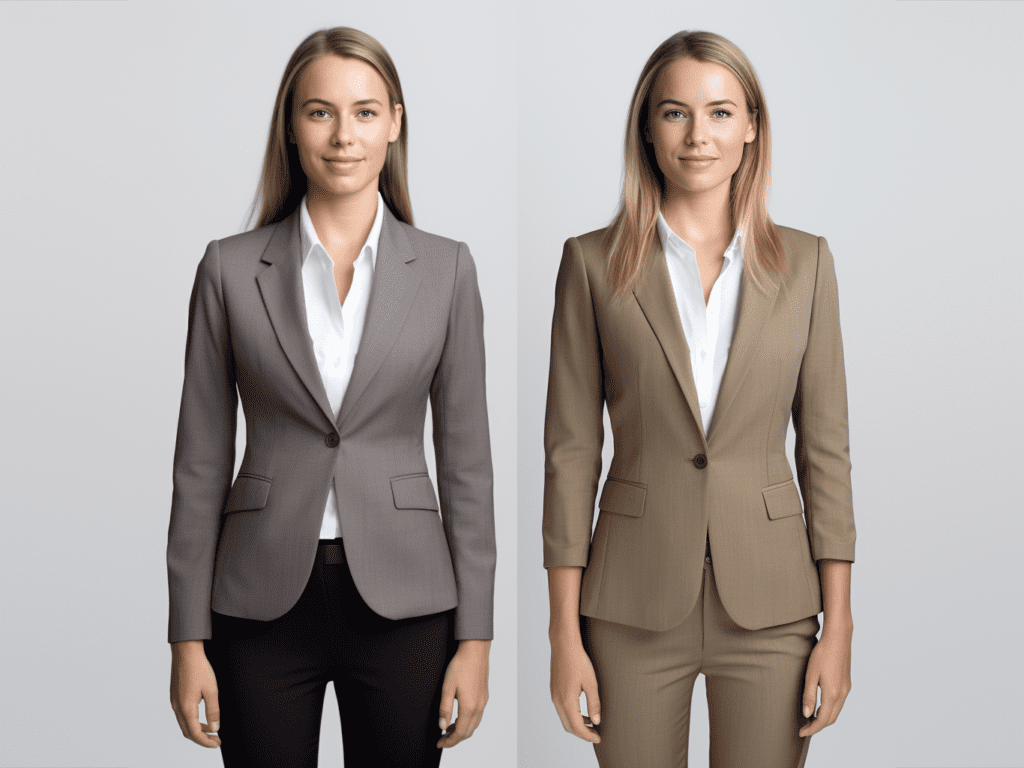
In the world of fashion, fit is paramount. A well-fitted garment can elevate your appearance, boost your confidence, and ensure comfort. While off-the-rack clothing offers convenience, it often requires adjustments to fit individual body types perfectly. This is where tailoring comes into play. Let’s dive into the basics of tailoring and understand how simple alterations can make a world of difference.
1. Understanding the Importance of Fit:
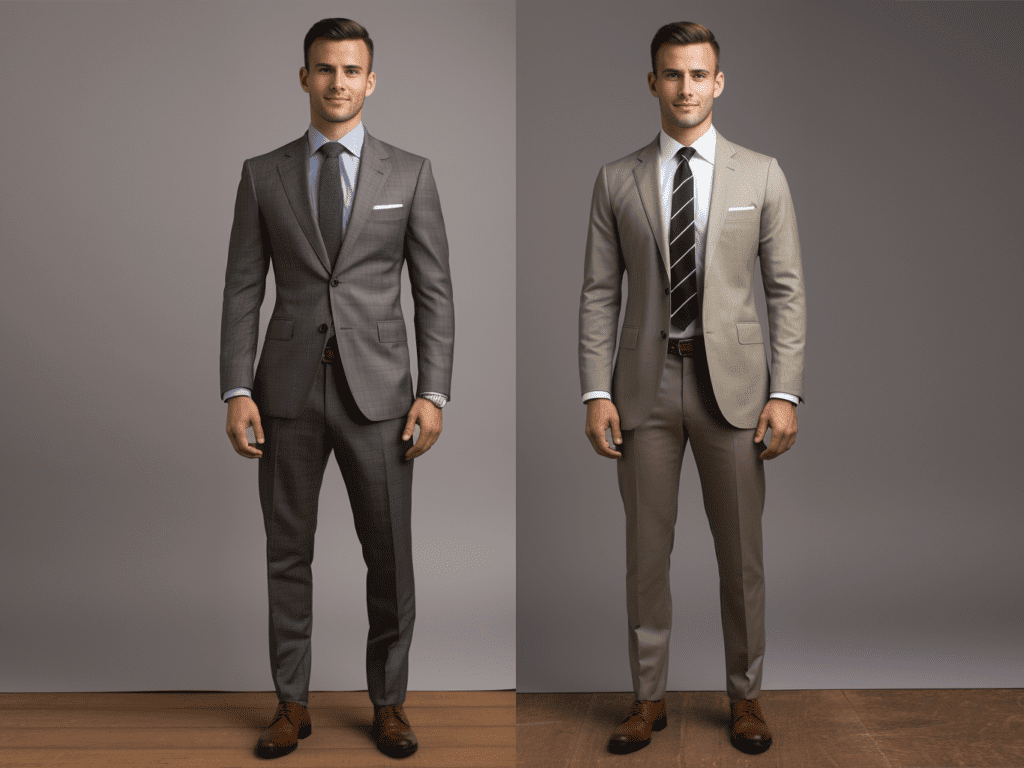
- Silhouette: A well-fitted garment complements your body’s natural silhouette, highlighting strengths and downplaying any areas of concern.
- Comfort: Proper fit ensures ease of movement and prevents uncomfortable tightness or bagginess.
- Professionalism: In formal settings, a tailored outfit exudes professionalism and attention to detail.
2. Common Alterations:
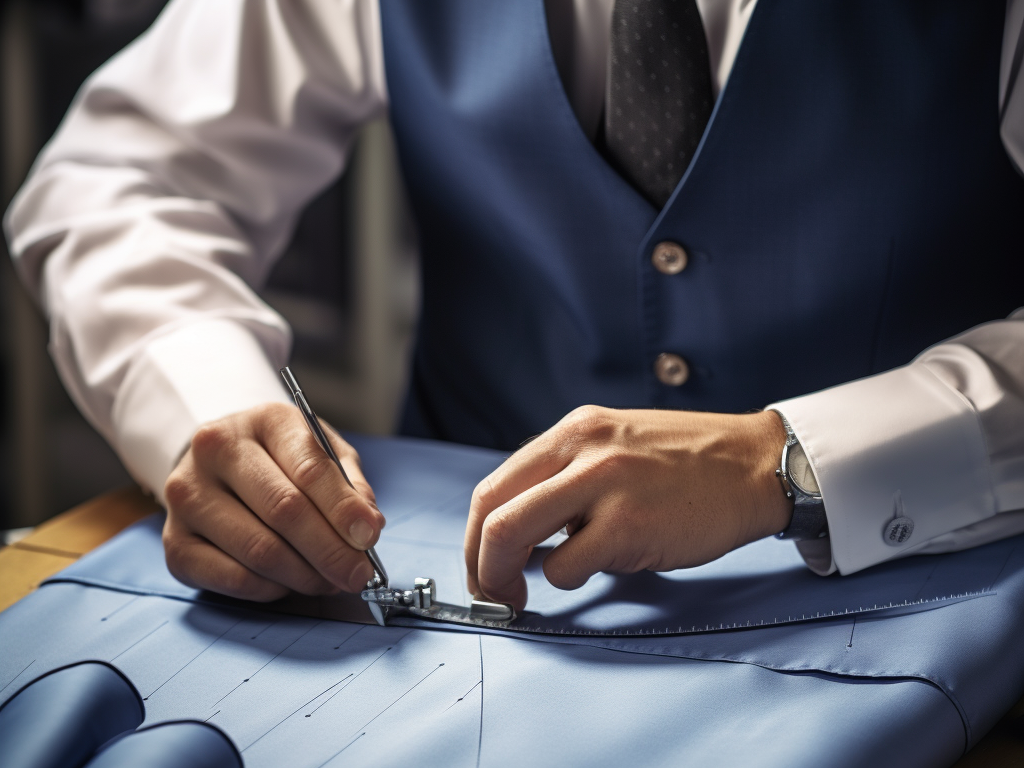
- Hemming: Adjusting the length of trousers, skirts, or dresses to ensure they fall at the most flattering point.
- Taking in/Letting out: Adjusting the width of a garment, especially at the waist, bust, or hips, to achieve a snug but comfortable fit.
- Shortening/Lengthening sleeves: Ensuring sleeves end at the correct point on the wrist or arm.
- Adjusting shoulders: A more complex alteration, but essential if the shoulder seams droop past the natural shoulder line.
3. Tools of the Trade:
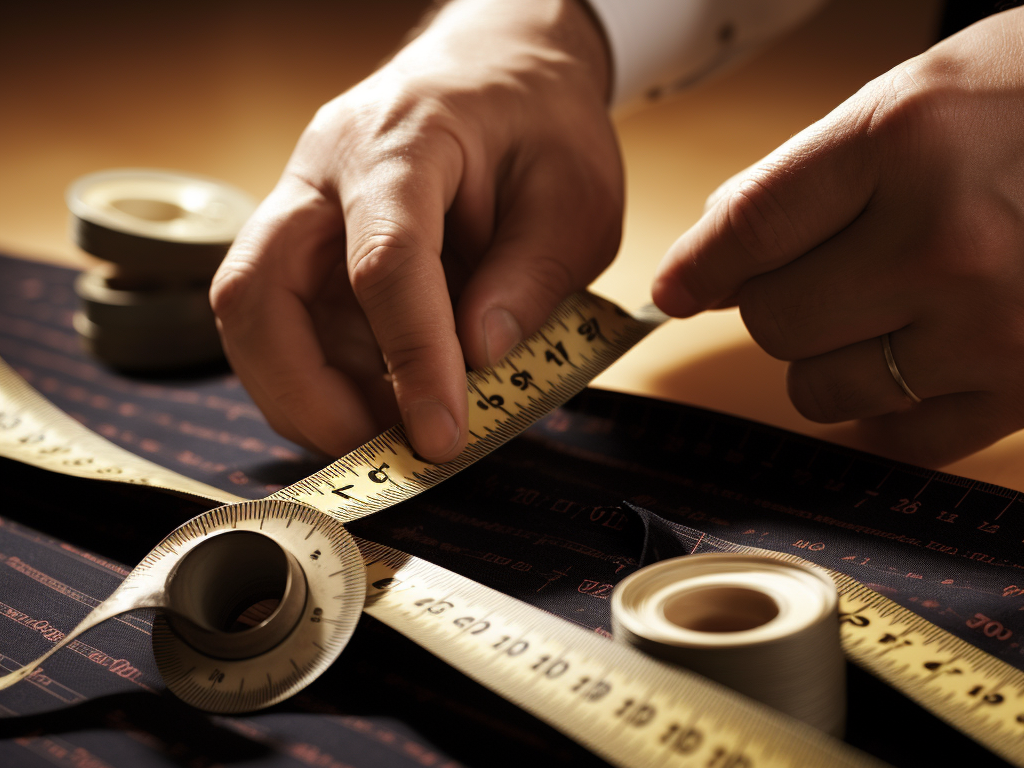
- Measuring tape: For accurate body and garment measurements.
- Seam ripper: To undo existing stitches without damaging the fabric.
- Sewing machine: For quick and durable stitching, though some alterations can also be done by hand.
- Pins and needles: To hold fabric in place before sewing and for hand stitching.
4. DIY vs. Professional Tailoring:
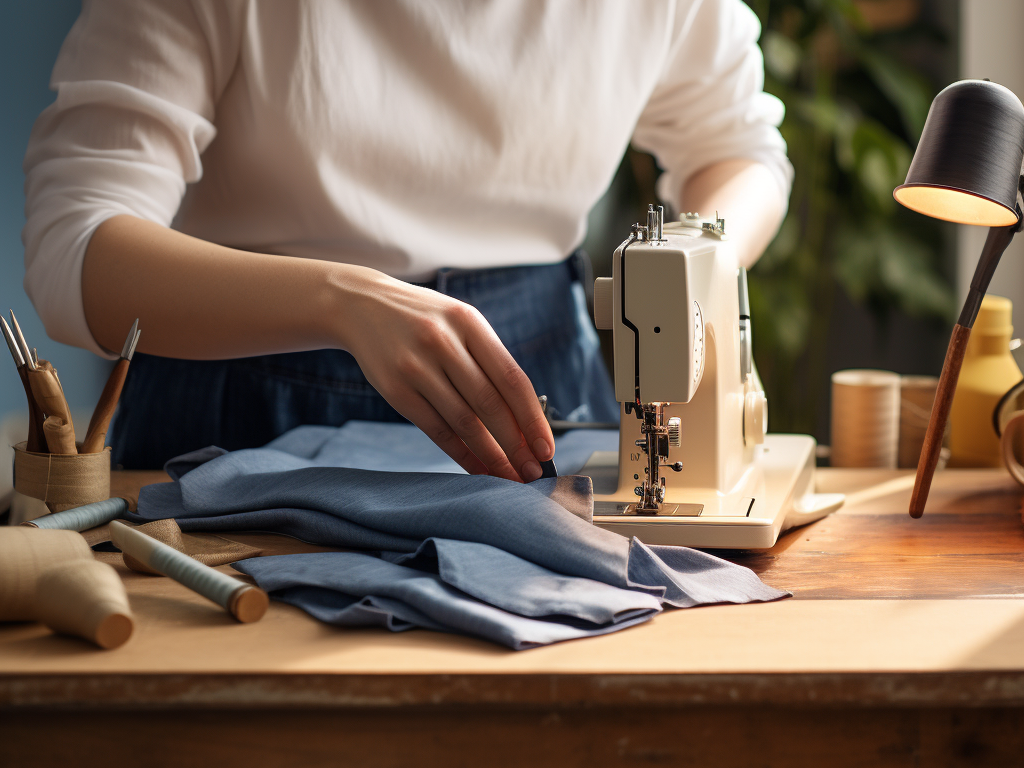
- DIY: Simple alterations like hemming or adjusting a side seam can often be done at home with basic sewing knowledge.
- Professional: For complex adjustments, especially on expensive garments or suits, it’s advisable to seek a skilled tailor to ensure precision.
5. Fitting Sessions:

- Always try on the garment and pin or mark the areas that need adjustment. Move around to ensure comfort in various positions.
- For those new to tailoring, consider having a professional measure you the first time to get a sense of your exact sizes.
6. Caring for Tailored Garments:
- Tailored clothes often have delicate stitches. Always check care labels and consider hand washing or dry cleaning to maintain the garment’s shape and alterations.
7. The Cost Factor:

- While tailoring does add an additional cost to your clothing purchase, think of it as an investment. A well-fitted garment stands out and can last longer in your wardrobe rotation.
Conclusion:
Tailoring is an age-old craft that brings the best out of your wardrobe. Whether you’re prepping for a job interview, a special occasion, or just want your everyday clothes to fit better, understanding the basics of tailoring can empower you to look and feel your best. Remember, fashion is not just about trends; it’s about showcasing the best version of yourself, and a perfect fit is the first step in that direction.