Skip to content
Organza fabric is a lightweight, sheer textile known for its crisp texture and subtle shine, making it a favorite in the fashion industry for creating elegant and structured garments.
At Modaknits, we source high-quality organza fabric from trusted suppliers to craft stylish apparel such as evening gowns, bridal dresses, and upscale blouses.
This blog explores the unique properties of organza, its various applications in fashion, and its environmental considerations, providing insight into how Modaknits incorporates this fabric to achieve sophisticated, modern designs while being mindful of sustainability.
What is Organza Fabric?
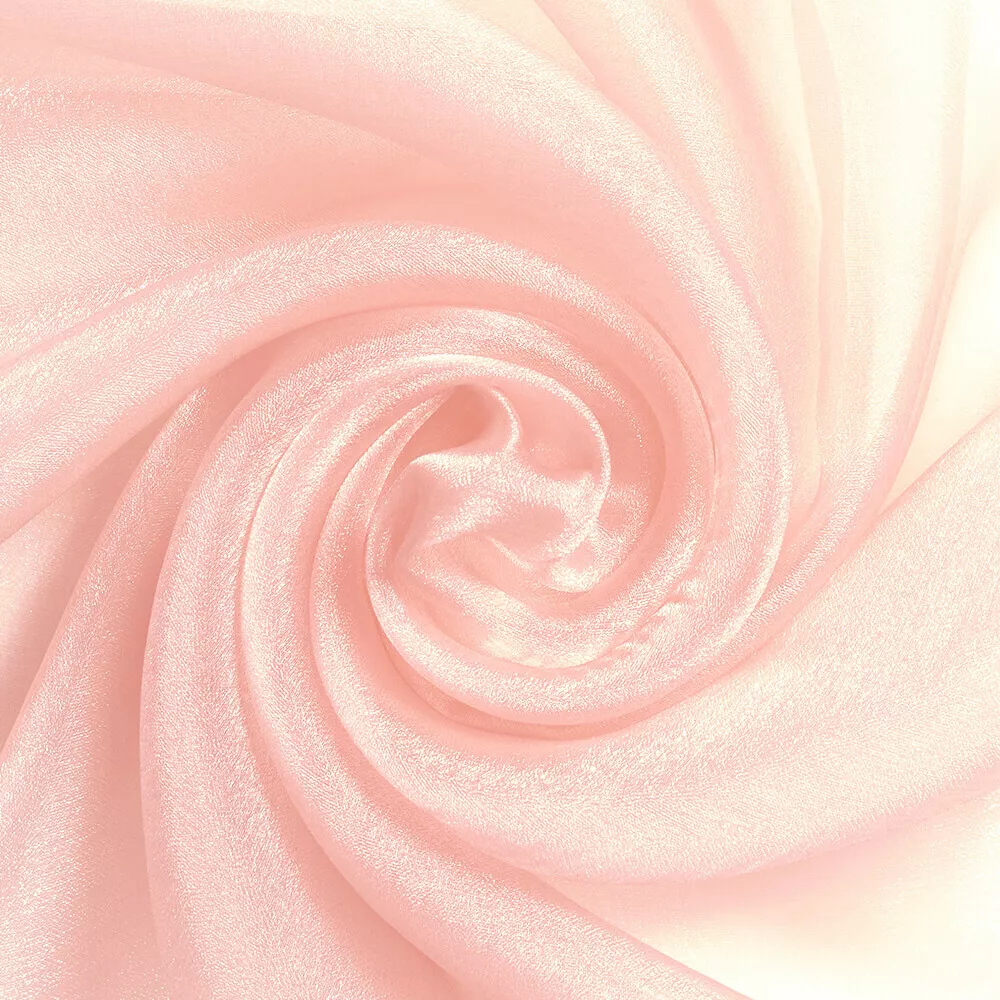
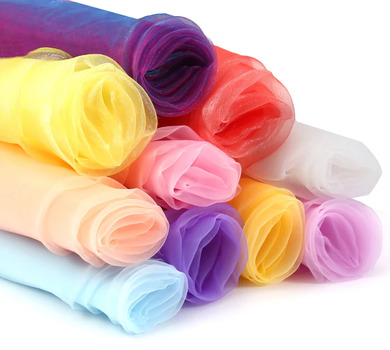
Organza fabric is a lightweight, sheer textile known for its crisp texture and ethereal appearance. Traditionally crafted from silk, modern variations also use polyester or nylon to provide durability and affordability. Its translucent and airy quality makes it a popular choice in high-end fashion, especially for creating volume in bridal gowns, evening wear, and decorative overlays. Organza’s ability to hold its shape while remaining delicate gives designers the freedom to create dramatic and elegant looks.
Origin and Production of Organza Fabric
Organza has historical roots in the Silk Road trade, originally made from fine silk threads. Today, it is produced from both natural (silk) and synthetic fibers (polyester and nylon), with the choice of material impacting the fabric’s sheen, stiffness, and cost. The production process involves twisting fibers tightly before weaving them into a plain weave structure, giving organza its signature stiffness and structure. Modern advancements allow for the mass production of polyester organza, making the fabric accessible for various fashion and decor uses.

Historical Significance and Modern Usage
Historically, organza was associated with luxury, often used in royal garments and special occasion attire. In contemporary fashion, organza remains a staple for evening gowns, bridal dresses, and special occasion wear due to its lightweight yet structured nature. Designers use it to create voluminous skirts, flowing sleeves, and decorative overlays that add dimension and elegance. Beyond fashion, organza is also popular in home decor, such as curtains, tablecloths, and event decorations, where its delicate appearance enhances aesthetic appeal.
Organza Fabric Today
Organza is widely used in modern fashion for both high-end couture and everyday designs. Its versatility allows for its application in layered garments, such as puffy sleeves or multi-tiered skirts, giving depth and texture. At Modaknits, we select premium organza fabrics that balance elegance and durability, ensuring that our products not only look sophisticated but also maintain their quality over time. By offering both silk and polyester options, we provide customers with a range of choices, catering to different preferences and budgets.
What Makes Organza Fabric Unique?
Organza fabric is distinct due to its sheer structure, stiffness, and luxurious feel. Below are key characteristics that set organza apart:
Key Characteristics and Qualities
- Lightweight and Sheer: Organza’s light, transparent quality makes it ideal for layering in fashion, adding dimension without adding weight.
- Stiff Texture: Despite its delicate look, organza has a crisp, firm structure that helps garments hold their shape, making it popular for creating voluminous and dramatic effects.
- Versatile Material Options: Silk organza offers a luxurious, natural sheen, while polyester organza is durable and more affordable, catering to a broader market.
Comparison with Other Fabrics
- Organza vs. Tulle: While both are sheer, organza has a firmer texture, providing more structure compared to the soft and flowy nature of tulle.
- Organza vs. Chiffon: Chiffon is softer and drapier, while organza’s stiffness allows it to create structured designs and dramatic silhouettes.
- Organza vs. Satin: Satin has a smooth, shiny surface, unlike the translucent and crisp texture of organza, making each suitable for different design needs.
How is Organza Fabric Made?
Organza fabric is produced using a precise weaving process that gives it its signature stiffness and sheen. Below is an overview of how organza fabric is crafted:
Production Process
- Material Selection: Traditionally, organza is made from silk, providing a luxurious and high-end finish. However, synthetic alternatives like polyester and nylon are also used, offering affordability and enhanced durability.
- Weaving Technique: The chosen fibers are tightly woven in a plain weave structure. This technique creates a fine, lightweight mesh that contributes to organza’s crisp texture and transparent appearance, making it suitable for structured garments.
- Finishing: Depending on whether silk or synthetic fibers are used, the fabric may undergo finishing treatments to enhance its sheen, texture, and stiffness. These treatments ensure the organza meets the specific demands of various fashion and design applications.
Regions Known for Organza Production
- China: As one of the world’s largest textile producers, China excels in manufacturing both silk and synthetic organza, catering to a broad market range with different quality and price levels.
- India: Known for its heritage in silk production, India produces high-quality organza, particularly used in luxury garments and traditional attire like sarees.
- Italy: Renowned for luxury textiles, Italy specializes in premium organza, emphasizing high-end fashion that demands exceptional craftsmanship and quality.
This meticulous production process allows organza fabric to be used widely in the fashion industry, from bridal wear to couture garments, maintaining its status as a versatile and elegant textile.
What Are the Types of Organza Fabric?
Organza fabric comes in several varieties, each offering unique qualities and applications suitable for different fashion and decor needs:
Silk Organza
Silk organza is the most luxurious and traditional type of organza, known for its natural sheen and delicate texture. It is often used in high-end bridal gowns and couture evening wear, offering a refined and ethereal appearance suitable for elegant, flowing designs.
Polyester Organza
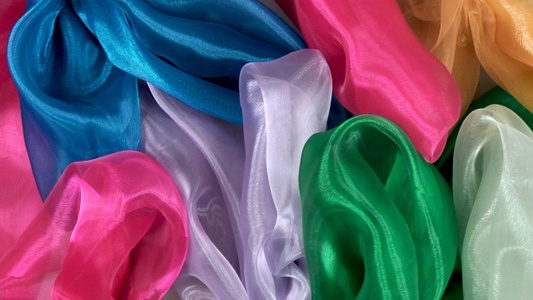
A more affordable and durable alternative, polyester organza mimics the appearance of silk but offers better resilience and wrinkle resistance. This variety is widely used in mass-produced fashion, event decorations, and home decor due to its practical advantages and lower cost.
Crushed Organza
Crushed organza has a crinkled texture achieved through specialized heat treatments. This type of organza adds visual interest and dimension to garments, making it a popular choice for dresses, scarves, and decorative accents, providing a unique and textured look.
Embroidered Organza
Embroidered organza features intricate designs or patterns stitched into the fabric. This embellishment adds elegance and is commonly used in bridal wear, evening gowns, and decorative curtains, offering a detailed and ornate finish that enhances the fabric’s appeal.
Each type of organza fabric offers distinct features, making it a versatile choice in both fashion and home decor, ranging from luxurious bridal gowns to everyday decorative applications.
How is Organza Fabric Used in Textiles?
Organza fabric’s lightweight and sheer quality make it a versatile choice across various applications in fashion, performance attire, and decor. Below are the primary ways it is used:
Bridal and Evening Wear
Organza is a staple in wedding dresses, veils, and evening gowns. Its crisp structure adds volume and elegance, creating a delicate, ethereal look suitable for layering and creating dramatic effects in high-end, formal fashion.
Costumes and Performance Attire
The fabric’s ability to hold shape while remaining lightweight makes it perfect for ballet costumes, theater outfits, and dancewear. It provides the structure needed for movement and visual appeal, giving performers both style and ease of motion.
Casual and Contemporary Fashion
Organza is also popular in modern fashion for creating blouses, skirts, and stylish accessories. It adds sophistication and lightness, allowing designers to incorporate sheer layers that add dimension without bulk.
Home and Event Decor
In decor, organza is used for event settings, including table runners, chair sashes, and decorative curtains. Its delicate, translucent appearance helps create a refined and elegant atmosphere, making it ideal for weddings and other special events.
Organza’s adaptability across these diverse applications underscores its value as a versatile and essential fabric in both fashion and decoration.
How Much Does Organza Fabric Cost?
The cost of organza fabric varies depending on the material used and the production location. Below is a breakdown of typical prices:
Organza Fabric Costs in the United States
- Silk Organza: Priced between $20 and $100 per yard, this option reflects the luxurious nature of silk and its premium quality, making it suitable for high-end fashion items like wedding gowns and formal wear.
- Polyester Organza: A more economical option, polyester organza ranges from $3 to $15 per yard. This version offers a balance between affordability and durability, making it suitable for a variety of uses, including everyday fashion and event decor.

Organza Fabric Costs in China
- Silk Organza: Typically costs between $10 and $50 per yard due to the lower production and labor costs in China. This option provides quality while remaining more affordable for bulk production.
- Polyester Organza: Available for $1 to $10 per yard, this cost-effective option is widely used in mass production, offering affordability without compromising on versatility.
Factors Influencing Organza Fabric Prices
- Material Type: Silk organza is the most expensive due to the premium quality of silk fibers and the intricate production process. Polyester organza, made from synthetic fibers, is more affordable and suitable for various uses.
- Production Location: Prices differ by region, with Chinese-produced organza generally being less expensive than its U.S. counterpart, mainly due to lower labor and manufacturing costs.
By understanding these price differences, manufacturers can make informed decisions on sourcing organza fabric based on their budget and quality requirements.
How Does Organza Fabric Impact the Environment?
Organza fabric’s environmental impact varies depending on whether it is made from natural or synthetic fibers. Here’s a detailed look at the implications:
Positive Environmental Impacts
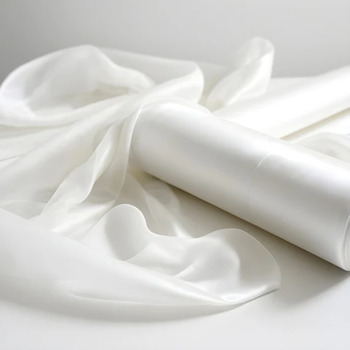
- Biodegradability of Silk Organza: Silk organza is biodegradable, which means it can break down naturally when disposed of properly. When sourced from sustainable and organic farms, silk production can minimize its environmental footprint, reducing reliance on harmful pesticides and promoting eco-friendly agricultural practices.
- Durability: Organza’s strength ensures that garments and decorations made from it last longer, decreasing the frequency of replacements and thereby minimizing textile waste. This durability helps conserve resources and reduces environmental impact over time.
Negative Environmental Impacts
- Synthetic Fibers (Polyester/Nylon Organza): These versions of organza are derived from petroleum and are not biodegradable, contributing to microplastic pollution. During washing, these synthetic fabrics release microfibers that can enter water systems, affecting marine ecosystems.
- Chemical Processing: The production of both silk and synthetic organza involves chemical treatments, such as dyeing and finishing, which can release pollutants into water and soil if not properly managed. The use of synthetic dyes, in particular, can lead to harmful environmental effects.
Sustainable Practices
- Sustainable Silk Sourcing: To reduce the environmental impact, using silk from certified organic farms helps promote sustainable practices. Such farms focus on eco-friendly processes like natural pest control and water recycling, ensuring a lower carbon footprint.
- Recycled Polyester Organza: Some manufacturers are turning to recycled polyester fibers for organza, which helps reduce the need for new plastic production and minimizes textile waste.
- Low-Impact Dyes: By adopting eco-friendly and low-impact dyes, manufacturers can minimize water pollution and reduce the overall environmental footprint of organza fabric production. These sustainable dyeing methods are becoming more common in the industry to offer vibrant colors without the harmful side effects of traditional processes.
By understanding the environmental aspects of organza fabric, Modaknits can make informed choices, incorporating sustainable practices to reduce ecological impact while maintaining the quality and elegance associated with organza.
Ensuring Organza Fabric Quality and Certification
At Modaknits, we prioritize the quality and sustainability of our organza fabrics to meet the highest industry standards. By carefully sourcing materials and adhering to global certifications, we guarantee that our organza products align with both aesthetic and environmental requirements.
Key Quality Indicators
- Durability and Structure: We source high-quality organza that balances softness with structural integrity, ensuring it maintains its shape and elegance over time. This makes our organza suitable for a range of uses, from high-end fashion to event decorations.
- Sheerness and Elegance: Our selection focuses on the fabric’s transparency and crisp finish, characteristics that are essential for achieving the lightweight, airy look organza is known for. This ensures our products deliver the ethereal quality expected in luxury garments and accessories.

Certifications and Sustainability
- OEKO-TEX® Certification: All of our organza fabrics meet the OEKO-TEX® Standard 100 requirements, ensuring they are free from harmful chemicals and safe for skin contact. This certification guarantees our commitment to both customer safety and environmentally responsible practices.
- ISO Standards Compliance: Modaknits adheres to ISO standards for quality management and sustainable production processes. By following these globally recognized guidelines, we minimize waste and reduce energy consumption, supporting our mission to offer eco-friendly textile solutions.
By maintaining these high standards and rigorous certification protocols, Modaknits ensures that our organza fabrics combine elegance, quality, and environmental consciousness, meeting the demands of modern fashion and sustainable design.
For more information about our fabrics or to explore our product catalog, please contact us.