Olefin (Polypropylene) fabric, known for its lightweight, durable, and water-resistant properties, is a versatile synthetic material used across various industries.
Developed in the mid-20th century, it quickly became popular for applications ranging from activewear to home textiles due to its affordability and performance features.
In this blog, we explore the unique characteristics of olefin fabric, its types, and the diverse ways it is used in modern textiles, while also addressing its environmental impact and quality certifications.
What is Olefin (Polypropylene) Fabric?
Olefin, also known as polypropylene, is a synthetic fabric made from a polymer derived from propylene, a type of plastic. Appreciated for its lightweight, durable, and water-resistant properties, olefin is suitable for a range of applications, including activewear, outdoor gear, and home furnishings. Originally developed in the mid-20th century, the fabric quickly gained popularity due to its affordability, strength, and ability to resist moisture and stains.

Origin and Production of Olefin (Polypropylene) Fabric
Olefin fabric originated in the 1950s as a solution for creating strong and moisture-resistant textiles. The production process involves polymerizing propylene gas to form polypropylene fibers. These fibers are then spun, woven, or knitted into fabric, depending on its intended use. The hydrophobic properties of olefin make it well-suited for applications where moisture and stain resistance are critical.
Historical Significance and Modern Usage
Initially used in industrial applications due to its robustness, olefin expanded into the consumer market as its lightweight, quick-drying, and durable qualities were recognized. Today, it is commonly found in sportswear, carpets, and outdoor furniture because of its ability to repel moisture and withstand harsh conditions. Its affordability has also contributed to its widespread adoption.
Olefin Fabric Today
Currently, olefin fabric plays a significant role in the textile industry, especially for outdoor and performance apparel. Its lightweight nature, combined with its resistance to stains and fading, makes it a preferred choice for manufacturers producing sportswear, swimwear, upholstery, and automotive interiors. At Modaknits, we source high-quality olefin fabric to create garments that balance durability, comfort, and style, meeting the needs of both activewear enthusiasts and those seeking functional home textiles.
What Makes Olefin (Polypropylene) Fabric Unique?
Olefin fabric stands out due to its blend of lightweight durability, water resistance, and affordability, making it a preferred material in many applications. Below are the key characteristics and qualities that distinguish olefin fabric:
Key Characteristics and Qualities
- Lightweight and Durable: Olefin fabric is exceptionally lightweight while maintaining impressive strength, making it suitable for activewear, outerwear, and upholstery.
- Water and Stain Resistance: This fabric repels water and resists stains effectively, making it ideal for environments where moisture management is crucial, such as outdoor and sports settings.
- Breathability: Despite its water-resistant properties, olefin is breathable, allowing for ventilation and comfort during physical activities.
- Colorfastness: Olefin retains its vibrant colors even after prolonged exposure to sunlight, ensuring longevity for outdoor garments and furnishings that face regular washing and sun exposure.
- Chemical and Abrasion Resistance: The fabric’s resistance to chemicals and abrasion enhances its durability and versatility, making it suitable for industrial applications and high-performance apparel.

Comparison with Other Fabrics
- Olefin vs. Polyester: While both fabrics are lightweight, olefin offers better water resistance and stain-repellent properties, making it more suitable for outdoor and performance uses.
- Olefin vs. Nylon: Nylon is strong but can be heavier and less water-resistant compared to olefin, which excels in lightweight, moisture-managed applications.
- Olefin vs. Cotton: Cotton is breathable but absorbs water, unlike olefin, which repels moisture, making olefin a better option for activewear and environments where quick-drying properties are needed.
Olefin fabric’s unique combination of lightness, durability, and resistance to water and chemicals makes it a versatile choice in the textile industry, especially for outdoor gear and performance garments.
How is Olefin (Polypropylene) Fabric Made?
The production of olefin fabric involves a series of processes that transform propylene gas into a durable, lightweight, and versatile textile material. Here’s an overview of the manufacturing process:
Production Process
- Polymerization: The process begins with the polymerization of propylene gas. This chemical reaction forms polypropylene, a plastic polymer that serves as the foundation for olefin fabric. The result is a flexible, durable material that offers resistance to water and chemicals.
- Extrusion: The polypropylene polymer is then melted and extruded through a spinneret to create long, thin fibers. This process shapes the polymer into a fibrous form suitable for textile applications.
- Drawing and Cooling: These fibers are drawn and stretched to align the molecular structure, enhancing their strength and flexibility. After stretching, the fibers are cooled to lock in their shape and maintain their structural integrity.
- Weaving or Knitting: Depending on the intended application, the fibers are woven or knitted into fabric. Woven olefin provides a structured and durable material for outdoor gear and upholstery, while knitted forms are more flexible, making them suitable for athletic wear and casual garments.
- Finishing: In the final stage, the fabric undergoes various treatments to enhance its properties. These treatments may include processes to improve water resistance, increase softness, and ensure colorfastness, making the fabric suitable for a variety of applications, from activewear to home textiles.

Regions Known for Olefin Fabric Production
- United States: The U.S. is a prominent producer of high-quality olefin fabrics, focusing on durable, performance-oriented textiles for both outdoor and industrial use.
- China: As a global leader in textile manufacturing, China produces large volumes of olefin fabric, offering affordable options for international markets, especially in the home and casual wear segments.
- Europe: Countries in Europe also manufacture olefin fabric, often emphasizing eco-friendly production practices and high-performance applications, including automotive and upholstery textiles.
This structured production process allows olefin fabric to achieve its unique balance of durability, flexibility, and water resistance, making it a popular choice across various industries and applications.
What Are the Types of Olefin (Polypropylene) Fabric?
Olefin (polypropylene) fabric is available in various forms, each tailored to meet specific needs across different industries. Below are the main types of olefin fabric, designed to maximize its versatility and functionality:
Standard Olefin
Standard olefin is known for its lightweight, durable, and water-resistant properties. It is commonly used in activewear, outdoor gear, and upholstery, providing strength and moisture management. This type offers a good balance of comfort and performance, making it a popular choice for applications where resilience is essential.
Blended Olefin
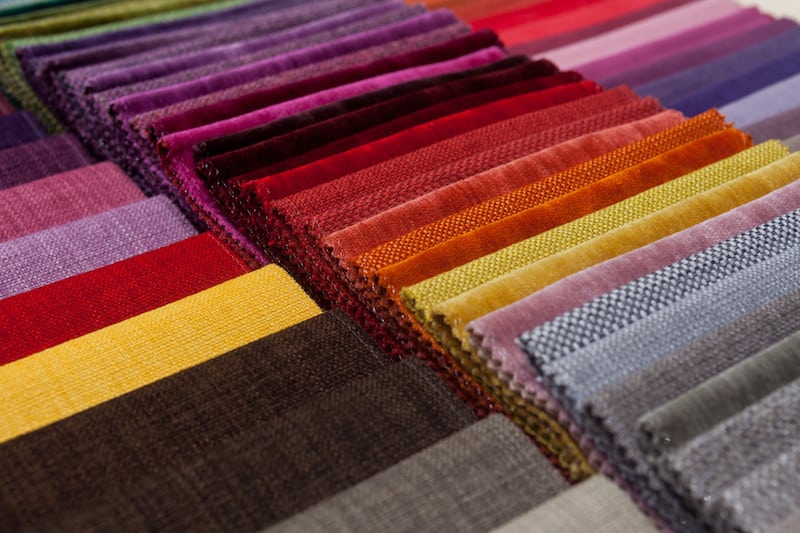
Blended olefin fabric combines polypropylene fibers with other materials like polyester or cotton. This blend enhances the flexibility and comfort of the fabric while retaining olefin’s durability and moisture-wicking capabilities. It is often used in athletic apparel, casual wear, and home textiles for added softness and comfort.
Textured Olefin
Textured olefin features a surface finish that provides grip and visual interest, making it suitable for products like carpets, rugs, and fashion accessories. The texture increases the fabric’s durability and traction, making it ideal for applications requiring extra friction resistance.
Recycled Olefin
Recycled olefin is made from repurposed polypropylene, providing an eco-friendly option for consumers and manufacturers. This type retains the core properties of standard olefin while reducing environmental impact, making it suitable for sustainable clothing, bags, and other textile products.
UV-Resistant Olefin
This variation is specially treated to resist ultraviolet (UV) damage, making it ideal for outdoor furniture and awnings. UV-resistant olefin maintains its strength and color even after prolonged exposure to sunlight, ensuring longevity and consistent performance in outdoor environments.
Each type of olefin fabric offers distinct advantages, making it adaptable for various applications, from outdoor and activewear to home textiles and eco-conscious fashion.
How is Olefin (Polypropylene) Fabric Used in Textiles?
Olefin (polypropylene) fabric’s lightweight, moisture-resistant, and durable properties make it highly versatile for various textile applications across fashion, home, and outdoor industries:
Activewear
Olefin is commonly used in sportswear and fitness clothing due to its moisture-wicking and quick-drying capabilities. The fabric keeps wearers comfortable during intense physical activities by efficiently managing sweat and maintaining breathability, making it ideal for workout tops, leggings, and other athletic garments.

Swimwear
The water-resistant and quick-drying qualities of olefin fabric make it suitable for swimwear. Its ability to repel moisture while retaining shape and comfort ensures long-lasting wear in aquatic environments, providing a reliable option for both professional and recreational swimwear.
Home Furnishings
Olefin’s stain-resistant and durable nature makes it a popular choice for household textiles like rugs, carpets, and upholstery. Its resilience against spills and stains, along with its ability to retain vibrant colors, makes it perfect for home decor items that require longevity and easy maintenance.
Outdoor Gear
Olefin fabric’s resistance to UV rays, chemicals, and moisture makes it ideal for outdoor products such as tents, tarps, covers, and protective clothing. Its durability ensures that outdoor gear remains intact and functional even under harsh environmental conditions, making it a preferred material for camping and adventure equipment.
Industrial and Medical Applications
In industrial settings, olefin fabric is used for protective clothing and medical applications like bandages and wraps due to its strength, chemical resistance, and breathability. The fabric’s versatility allows it to serve diverse needs, offering both protection and comfort in challenging environments.
Olefin fabric’s adaptability demonstrates its extensive range of applications, confirming its essential role in various industries, from fashion and home decor to outdoor and industrial gear.
How Much Does Olefin (Polypropylene) Fabric Cost?
The price of Olefin (Polypropylene) fabric varies based on its quality, type, and production region. Below is a detailed breakdown to help manufacturers understand the pricing dynamics for sourcing decisions:
Olefin Fabric Costs in the United States
- Basic Olefin Fabric: Typically ranges from $4 to $10 per yard. This affordable price range makes it suitable for everyday applications like home furnishings (e.g., upholstery, carpets) and casual apparel. The cost reflects its durability, lightweight nature, and moisture-resistant qualities.
- Premium Olefin Fabric: Higher-end olefin fabrics, especially those treated for enhanced UV resistance or blended with other fibers for added softness and durability, generally cost between $12 and $20 per yard. These variants are often used in high-performance outdoor gear and luxury home textiles.
Olefin Fabric Costs in China
- Basic Olefin Fabric: In China, prices for basic olefin fabric are more competitive, generally ranging from $2 to $7 per yard. The reduced labor and production expenses make China an attractive sourcing destination for manufacturers aiming to maintain quality while minimizing costs.
- Premium Olefin Fabric: Premium versions, particularly those with advanced finishes or enhanced features, range between $8 and $15 per yard in China. These options offer affordability without sacrificing the performance needed for upscale garments or outdoor products.
Factors Influencing Olefin Fabric Prices
- Type and Treatment: Variants of olefin treated for UV resistance or blended with other materials to enhance performance tend to be priced higher due to the additional processing involved.
- Production Location: Manufacturing costs differ significantly between regions. China offers lower prices due to reduced labor and operational expenses, while U.S.-produced olefin may come at a premium because of stricter production standards and higher labor costs.
- Certifications and Standards: Olefin fabrics that meet specific quality certifications, such as OEKO-TEX®, may carry higher prices due to the sustainable and safe manufacturing practices required to meet these standards.
Comparing Olefin Fabric Prices: U.S. vs. China
Prices for olefin fabric in China can be 20% to 50% lower than those in the United States, mainly due to labor and production cost differences. This price gap makes China a popular option for manufacturers seeking to balance cost and quality effectively. By sourcing competitively priced olefin fabric, Modaknits ensures that we provide durable and cost-effective products that cater to diverse market needs, from affordable home furnishings to high-performance outdoor gear.
How Does Olefin (Polypropylene) Fabric Impact the Environment?
Olefin (Polypropylene) fabric presents both positive and negative environmental effects, influenced by its production and disposal processes. Here’s an in-depth look:
Positive Environmental Impacts
- Low Water Usage: The production of olefin fabric requires significantly less water compared to natural fibers like cotton. This reduced water footprint makes it a more sustainable option, especially in regions facing water scarcity.
- Recyclability: Olefin is fully recyclable, and many products made from it can be repurposed or reused. This recyclability helps reduce overall waste and conserves resources, contributing to a circular economy in the textile industry.
Negative Environmental Impacts
- Non-Biodegradable: As a synthetic material, olefin fabric does not biodegrade, meaning it can persist in landfills for long periods if not properly recycled. This long-term presence poses challenges for waste management and environmental sustainability.
- Chemical Processing: The manufacturing process of olefin involves chemicals that, if not carefully managed, could pose environmental risks. Improper handling or disposal of these chemicals can result in soil, air, and water pollution, impacting ecosystems and human health.
Sustainable Practices
- Recycling Programs: Manufacturers are increasingly developing recycling initiatives to collect and repurpose olefin fabrics, creating new products such as mats, insulation, and durable textiles. Expanding these programs can significantly reduce the environmental footprint associated with olefin waste.
- Development of Bio-Based Alternatives: To minimize reliance on petroleum-based resources, new bio-based alternatives for olefin are being explored. These versions aim to reduce the carbon footprint by using renewable plant-based materials, providing a more eco-friendly option for the textile industry.
By understanding the environmental impact of olefin fabric and implementing sustainable practices, manufacturers like Modaknits can mitigate ecological concerns while ensuring that their products remain high-performance and environmentally responsible.
Ensuring Olefin (Polypropylene) Fabric Quality and Certification
At Modaknits, we are dedicated to maintaining the highest standards for our olefin fabrics, focusing on both quality and sustainability through adherence to globally recognized certifications and strict production practices.
Key Quality Indicators
- Strength and Durability: Our olefin fabrics are engineered for resilience, ensuring they retain their structural integrity and durability under various conditions. This makes them suitable for a wide range of applications, from activewear to home textiles.
- Water and Stain Resistance: We prioritize sourcing high-grade olefin that offers superior resistance to water and stains, enhancing the longevity and functionality of our products. This ensures that our garments and textiles remain reliable and easy to maintain over time.
Certifications and Sustainability
- OEKO-TEX® Certification: All Modaknits’ olefin fabrics are certified under the OEKO-TEX® Standard 100, ensuring they are free from harmful chemicals and safe for human use. This certification provides consumers with confidence in the safety and environmental responsibility of our products.
- ISO Standards: We comply with ISO standards for quality management and environmental practices, ensuring consistent production processes while minimizing our ecological footprint. These standards help us maintain high-quality and sustainable olefin fabrics suitable for modern textile applications.
By prioritizing these certifications and quality measures, Modaknits guarantees that our olefin fabrics deliver durability and performance while aligning with the increasing demand for sustainable and eco-friendly textile solutions.
For more information about our fabrics or to explore our product catalog, please contact us.