Skip to content
| Fabric name | Nylon |
| Fabric also known as | Polymer fabric |
| Fabric composition | Various types of synthetic polymers |
| Commonly used in | Tights, stockings, sportswear, yoga pants, and other form-fitting types of apparel |
| Fabric breathabilityn | Low breathability |
| Moisture-wicking abilities | Medium |
| Heat retention abilities | Medium |
| Stretchability (give) | High |
| Prone to pilling/bubbling | High |
| Country where fabric was first produced | United States |
| Biggest exporting/producing country today | China |
| Recommended washing temperatures | Warm |
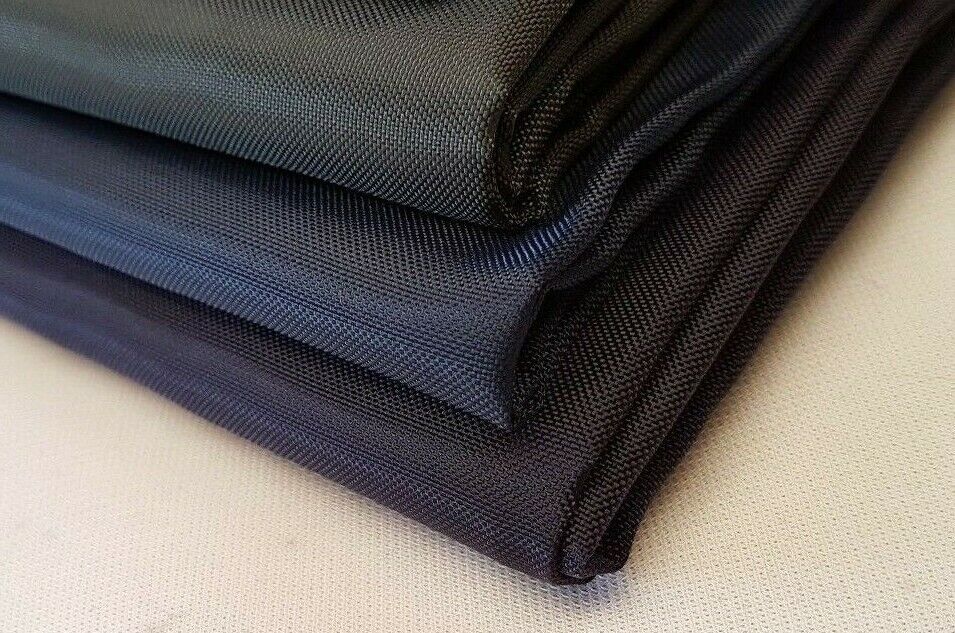
What is Nylon Fabric?
Nylon fabric is a synthetic polymer initially developed by DuPont in the 1930s. Celebrated for its strength, elasticity, and resistance to abrasion, nylon has become essential in various applications, including apparel, industrial uses, and consumer goods.
Origin and Source of Nylon Fibers
Nylon fibers are derived from petrochemicals. The production involves a polymerization process where monomers such as adipic acid and hexamethylenediamine are combined to form long chains of polyamides. This synthetic process results in fibers with remarkable durability and flexibility.
Historical Significance and Modern Usage
Nylon was first introduced as a replacement for silk in products like stockings. Its superior properties quickly made it popular in military applications during World War II. Over the years, its use expanded into sportswear, outdoor gear, and various industrial products. Today, nylon is a staple in many sectors due to its versatility and performance.

Nylon Fabric Today
Modern nylon production continues to evolve with advancements in technology and sustainability practices.
Key production regions include the United States, China, and Germany.
At Modaknits, we utilize advanced manufacturing processes to create top-quality nylon garments that meet the diverse needs of our clients.
What Makes Nylon Fabric Unique?
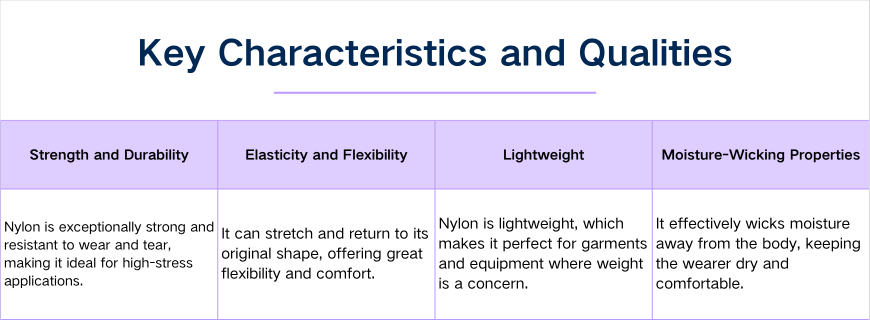
Key Characteristics and Qualities
- Strength and Durability: Nylon is renowned for its exceptional strength and resistance to wear and tear, making it ideal for high-stress applications like outdoor gear and industrial textiles.
- Elasticity and Flexibility: This synthetic fiber can stretch and return to its original shape, offering great flexibility and comfort in garments and other products.
- Lightweight: Nylon is very lightweight, which makes it perfect for use in clothing and equipment where weight is a critical factor.
- Moisture-Wicking Properties: Nylon effectively wicks moisture away from the body, keeping the wearer dry and comfortable. This is particularly beneficial in activewear and sportswear.
Comparison with Other Fabrics
Nylon vs Polyester
While both are synthetic, nylon is generally stronger and more durable. However, polyester is more resistant to UV rays and is typically less expensive.
Nylon vs Cotton
Nylon is more durable and water-resistant than cotton, but cotton is more breathable and softer, making it more comfortable for everyday wear.
Nylon vs Silk
Nylon can mimic the luxurious feel of silk but is much stronger and more resistant to abrasion, making it a practical alternative for various applications.
These qualities make nylon fabric a versatile and valuable material across many industries, from fashion to industrial applications.
How is Nylon Fabric Made?
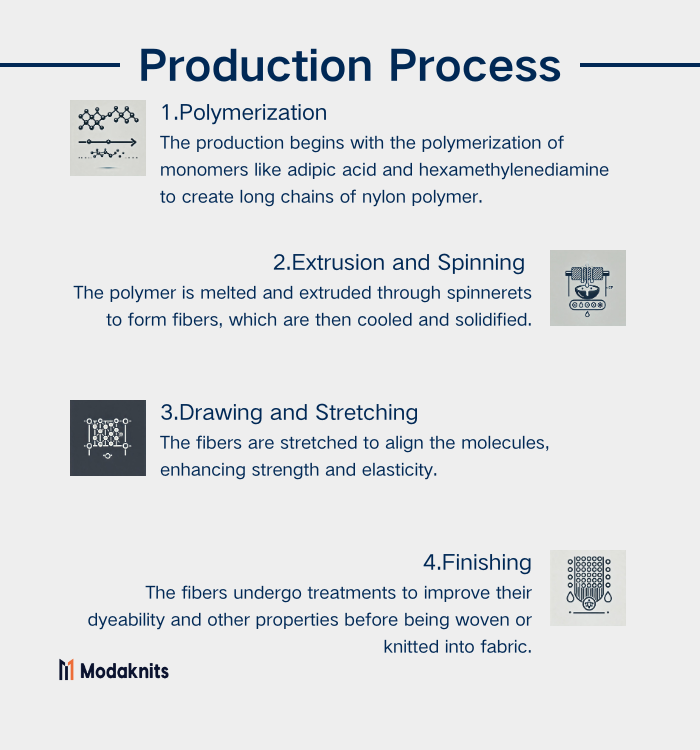
Production Process
- Polymerization: The production of nylon fabric begins with the polymerization of monomers such as adipic acid and hexamethylenediamine. These monomers react to form long chains of nylon polymer, creating the basic building blocks of nylon fibers.
- Extrusion and Spinning: The nylon polymer is melted and extruded through spinnerets to form continuous fibers. These fibers are then cooled and solidified to maintain their shape and strength.
- Drawing and Stretching: The solidified fibers are stretched and drawn to align the polymer molecules, which enhances the strength and elasticity of the nylon fibers. This process ensures that the fibers are robust and durable.
- Finishing: The nylon fibers undergo various finishing treatments to improve their properties. This can include dyeing to achieve desired colors and additional treatments to enhance characteristics such as UV resistance, water repellency, and flame retardancy. The fibers are then woven or knitted into fabric.
Regions Known for Nylon Production
- United States: The U.S. is recognized for its innovative approaches and high-quality production standards in the manufacturing of nylon fibers and fabrics.
- China: China is a leading producer of nylon, leveraging advanced manufacturing capabilities and large-scale production facilities to meet global demand.
- Germany: Germany is renowned for its technological advancements and strict quality control measures, contributing significantly to the global supply of high-quality nylon fabrics.
At Modaknits, we use advanced techniques and sustainable practices to produce high-quality nylon fabrics, ensuring they meet diverse customer needs while maintaining environmental responsibility.
What are the Types of Nylon Fabric?
Nylon fabric is renowned for its exceptional strength, elasticity, and versatility. There are various types of nylon fabric, each with unique properties and applications. Here is a detailed look at different types of nylon fabric based on their chemical composition and molecular structure.
1. Nylon 6,6
- Composition: Formed by the polymerization of hexamethylenediamine and adipic acid.
- Characteristics: High melting point, excellent abrasion resistance, and significant tensile strength.
- Applications: Commonly used in textiles for apparel, upholstery, and industrial applications such as tire cords and conveyor belts due to its robustness and durability.
2. Nylon 6
- Composition: Produced from the polymerization of caprolactam.
- Characteristics: Good elasticity, excellent dye affinity, and resistance to chemicals.
- Applications: Frequently found in apparel, carpets, and industrial yarns. It’s favored for its ease of dyeing and overall versatility.
3. Nylon 46
- Composition: Exclusive polymer produced by DSM, marketed as Stanyl.
- Characteristics: Exceptional heat resistance and mechanical strength.
- Applications: Primarily used in automotive components, electronics, and other high-temperature applications rather than textiles.
4. Nylon 510
- Composition: Initially developed by DuPont using sebacic acid and pentamethylenediamine.
- Characteristics: High resistance to wear and environmental degradation.
- Applications: Utilized in industrial and scientific applications, although it was originally intended for textile use.
5. Nylon 1,6
- Composition: Made by reacting adiponitrile, formaldehyde, and water.
- Characteristics: Not commonly used in fabrics due to its specific chemical properties.
- Applications: Primarily employed in niche industrial processes.

Additional Nylon Variants
High Tenacity Nylon
- Characteristics: Enhanced strength and durability compared to standard nylon.
- Applications: Ideal for applications requiring high performance and durability such as ropes, nets, and heavy-duty fabrics.
Ripstop Nylon
- Characteristics: Contains reinforced threads interwoven in a crosshatch pattern, providing superior tear resistance.
- Applications: Commonly used in outdoor gear, tents, and protective clothing.
Understanding the specific characteristics and applications of each type of nylon fabric allows manufacturers and consumers to select the most suitable material for their needs, ensuring optimal performance and longevity of the products.
How is Nylon Fabric Used?
Nylon fabric, introduced as an alternative to silk during World War II, has become a staple in various applications due to its durability, elasticity, and affordability. Here’s an overview of its primary uses:
Apparel Applications
- Stockings and Hosiery: Originally marketed as a substitute for silk stockings, nylon quickly became popular for its durability and cost-effectiveness. Women’s stockings remain a major application of this fabric, offering a more resilient and affordable option compared to silk.
- Activewear and Sportswear: Despite its lack of moisture-wicking properties, nylon is favored in sportswear for its elasticity and light weight. It’s commonly blended with other fabrics to enhance stretch and comfort in products like yoga pants, leggings, and sports bras.
- Everyday Wear: Nylon is often used in everyday garments such as tights, underwear, and fitted shirts. It provides a snug fit and retains its shape well, making it a reliable choice for form-fitting clothing.
Industrial and Medical Applications
- Medical Textiles: Nylon’s strength and flexibility make it suitable for compression garments, bandages, and support stockings. These products benefit from nylon’s ability to maintain pressure and support over extended use.
- Automotive Textiles: In the automotive industry, nylon is used for seat covers and interior fabrics. Its durability and resistance to wear and tear make it ideal for enhancing the longevity and comfort of car interiors.
- Cleaning Products: Nylon is incorporated into cleaning cloths and wipes due to its durability and elasticity, making these products more effective and long-lasting.
Nylon’s versatility extends beyond these applications, making it a valuable material in numerous industries. Its combination of strength, elasticity, and affordability continues to drive its widespread use.
How Much Does Nylon Fabric Cost?
The cost of nylon fabric can vary widely depending on several factors, including fiber quality, weave type, and the region of production. Here are the typical price ranges for different qualities of nylon fabric, based on the U.S. and Chinese markets:
- Basic Nylon Fabric: In the U.S. market, nylon fabric prices typically range from $6 to $15 per yard. This cost variation is influenced by factors such as the type of nylon, production process, and market demand. Basic nylon fabrics at the lower end of this range are suitable for casual clothing and basic activewear.
- High-Quality Nylon Fabric: Premium nylon fabric, characterized by finer fibers and superior texture, generally costs between $15 to $30 per yard. This type of nylon is commonly used in luxury garments and high-performance activewear, offering enhanced durability and comfort.
- Specialty Nylon Fabric: Specialty nylon fabrics, which may include advanced properties or unique blends, can exceed $30 per yard. These fabrics are often utilized in high-fashion clothing, upscale home decor, and specialized applications requiring superior performance attributes.
In China, nylon fabric is more affordable due to lower production and labor costs. High-quality nylon fabric in China can range from approximately $1.07 to $3 per meter. This cost advantage makes China a significant supplier for brands looking to source nylon fabric at competitive prices.
By understanding these price ranges and quality indicators, you can make informed decisions about selecting the best nylon fabric for your specific needs, whether for everyday use or specialized applications.
How Does Nylon Fabric Impact the Environment?
Nylon fabric, while versatile and widely used, poses several environmental challenges. Understanding these impacts is crucial for making informed choices about its production and use.
Environmental Considerations
Production Impact
- Impact: The production of nylon is energy-intensive and relies heavily on petrochemicals, particularly crude oil. This process not only consumes significant amounts of energy but also generates substantial chemical waste, contributing to environmental pollution.
- Result: The reliance on non-renewable resources and the production of harmful byproducts make nylon production less eco-friendly compared to natural fibers .
Biodegradability
- Impact: Nylon is not biodegradable. Unlike natural fibers such as cotton or wool, nylon does not decompose easily and can persist in the environment for many years.
- Result: The non-biodegradable nature of nylon means it contributes to long-term waste and environmental pollution, posing significant challenges for waste management and sustainability efforts .
Recycling Initiatives
- Impact: Efforts to recycle nylon and improve its sustainable production are ongoing. Innovations in recycling technologies aim to recover and reuse nylon fibers from discarded products, reducing the overall environmental footprint.
- Result: While still developing, these recycling initiatives show promise in making nylon production more sustainable. Enhanced recycling processes could mitigate some environmental impacts associated with nylon .

Innovations in Sustainable Production
Advances in Eco-Friendly Production
- Description: Research is focused on reducing the environmental impact of nylon production through the use of eco-friendly solvents and more energy-efficient processes.
- Benefit: These advances aim to lower the carbon footprint and reduce chemical waste, making nylon production more sustainable .
Use of Sustainable Blends
- Description: Blending nylon with other sustainable fibers such as organic cotton or recycled polyester can reduce the overall environmental impact of the fabric.
- Benefit: These blends combine the desirable properties of nylon with the eco-friendly attributes of other fibers, resulting in more environmentally responsible textiles .
Modaknits’ Commitment to Sustainability
At Modaknits, we are dedicated to implementing and promoting sustainable practices in our nylon fabric manufacturing. Our collaboration with ethical suppliers and the use of eco-friendly production methods significantly reduce our environmental impact. We support humane labor practices, sustainable sourcing, and the use of certified sustainable materials.
Our Practices Include:
- Premium Materials: Sourcing high-quality nylon fibers to create durable and comfortable garments.
- Eco-Friendly Manufacturing: Utilizing environmentally responsible methods to minimize waste and resource consumption.
- Commitment to Quality and Sustainability: Ensuring that our products meet the highest standards for both quality and environmental responsibility.
By prioritizing these values, we aim to produce high-quality nylon garments that meet the demands of our customers while contributing positively to the environment.
Certifications and Quality Indicators for Nylon Fabric
When purchasing nylon fabric, understanding key quality indicators and verifying authenticity through recognized certifications is crucial.
Quality Indicators
- Stretch and Recovery: High-quality nylon should maintain its shape and elasticity after stretching. This ensures the fabric remains comfortable and form-fitting over time, making it ideal for activewear and performance garments.
- Durability: The fabric should withstand wear and tear, maintaining its elasticity and integrity through repeated use. This durability is essential for garments that experience frequent movement and stretching, ensuring long-lasting performance.

Certifications and Authenticity
- OEKO-TEX® Standard 100: This certification ensures that the fabric is free from harmful substances and safe for human use, providing confidence that the nylon fabric meets high safety and environmental standards.
- Global Recycled Standard (GRS): This certification ensures that recycled content in nylon meets specific environmental and social criteria, supporting sustainable practices by verifying the authenticity and quality of recycled nylon fibers.
Modaknits’ Commitment to Quality
At Modaknits, we are dedicated to producing high-quality nylon apparel through the use of cutting-edge technology and sustainable practices. Our commitment to excellence ensures that each garment is crafted from premium nylon fibers, offering superior comfort and durability.
We prioritize environmentally friendly manufacturing methods to meet the increasing demand for sustainable fashion. By collaborating with ethical suppliers, we ensure that our production processes minimize waste and resource consumption.
We invite brands to partner with Modaknits to create top-tier nylon apparel. For more information or to request our product catalog, please contact us.
Together, let’s set new standards in quality and sustainability.