Skip to content
In the world of apparel manufacturing and design, color isn’t just a mere aesthetic choice; it’s a pivotal decision that can influence the entire production process, garment appeal, and even sales. Understanding color theory is crucial for designers and manufacturers alike.
The Fabric of Color
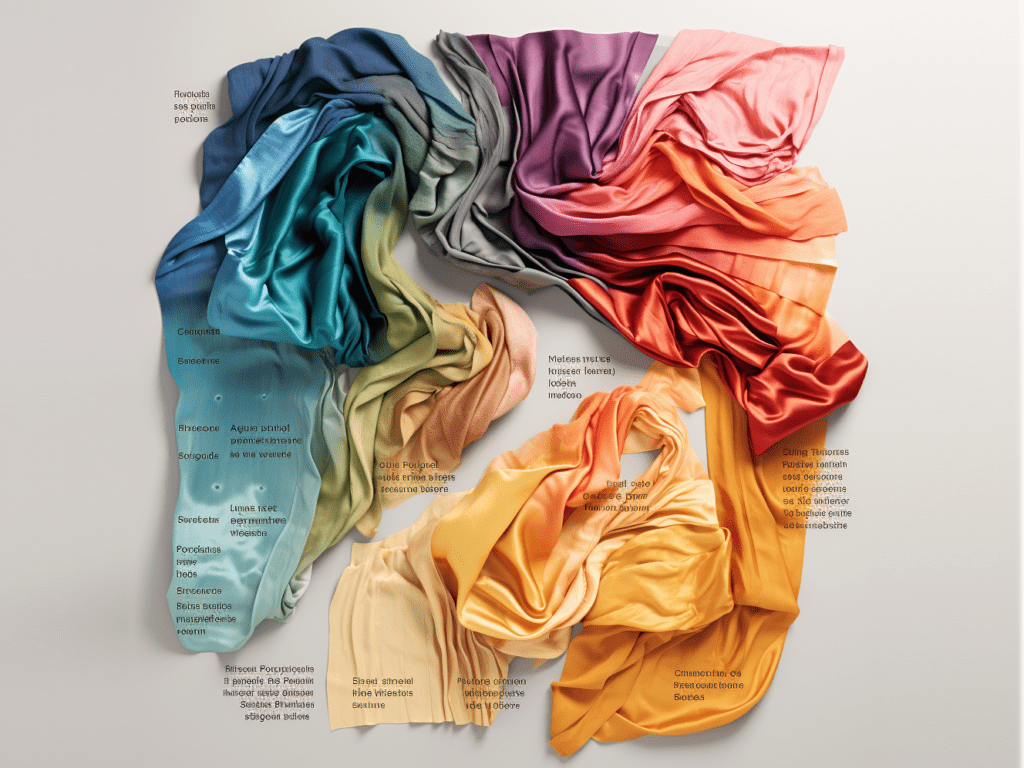
Before a garment is stitched, it’s envisioned in color. The choice of fabric can influence how a color appears. Natural fabrics like cotton, silk, and wool absorb dye differently than synthetic materials like polyester or nylon.
- Dyeing Techniques: The method used to dye a fabric—whether it’s vat dyeing, pigment dyeing, or digital printing—affects the vibrancy and longevity of a color.
Color Consistency in Manufacturing
Achieving color consistency across thousands of garments is a challenge. Factors to consider include:
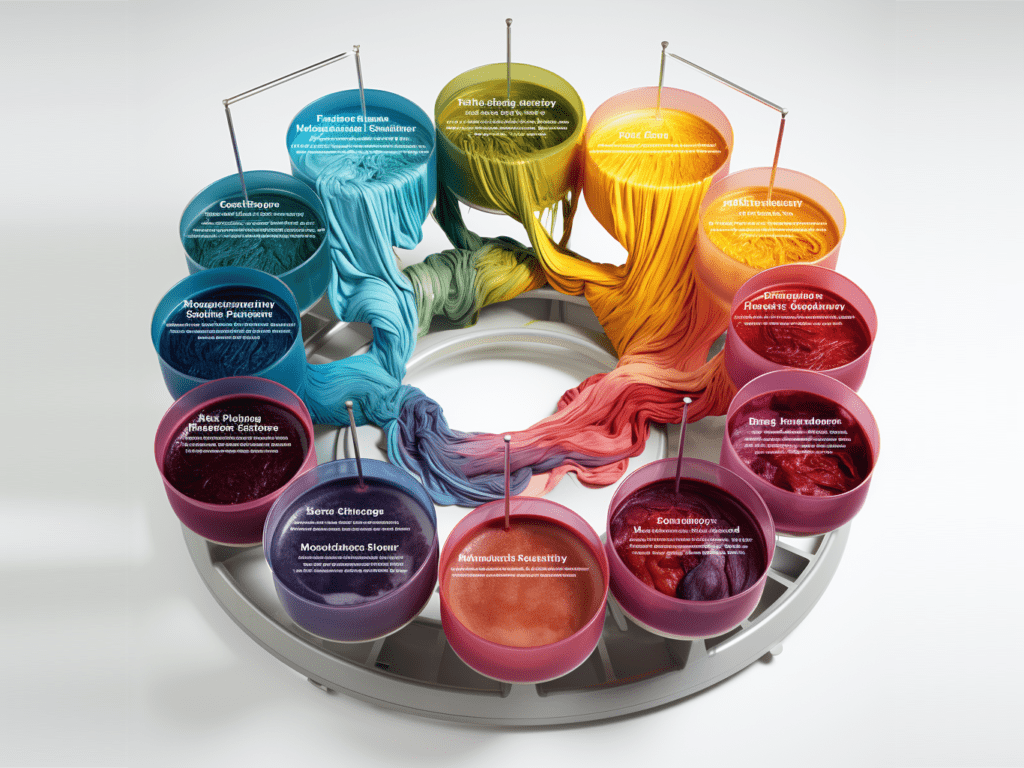
- Dye Lot Variations: Even slight changes in dyeing conditions can result in color variations.
- Fabric Texture: The weave of a fabric can influence how it reflects light, altering the perceived color.
Designing with Color in Mind
For designers, understanding color theory is essential for creating collections that resonate.
- Mood Boards: Designers often use mood boards to visualize the color palette of a collection, ensuring harmony and thematic consistency.
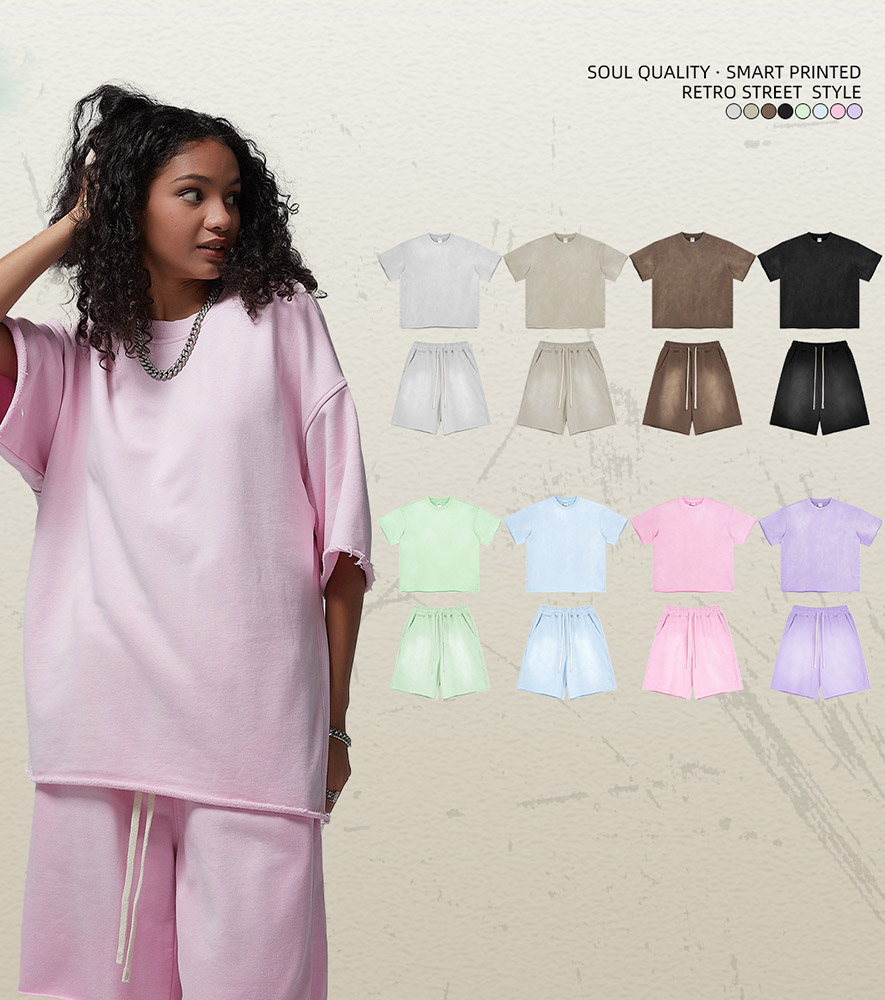
- Seasonal Considerations: While designers often lead trends, they also consider the season’s popular colors. A spring collection might feature soft pastels, while autumn might bring deep, rich hues.
Color and Wearability
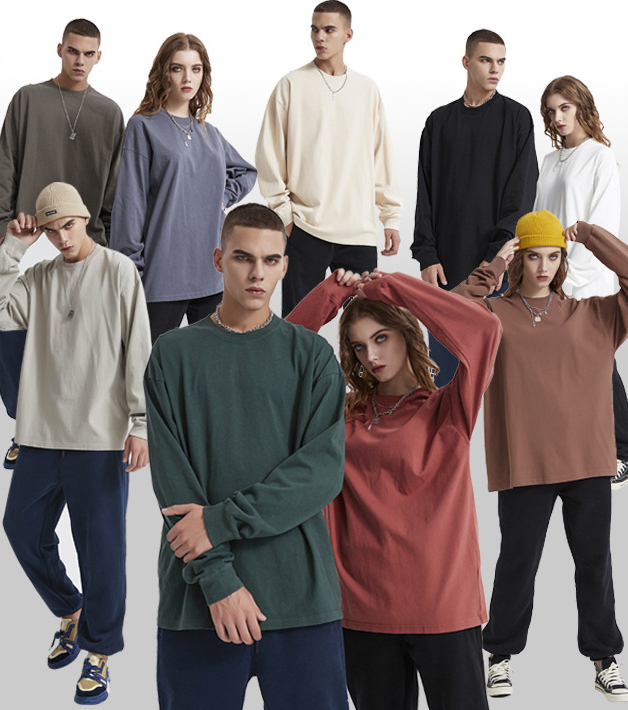
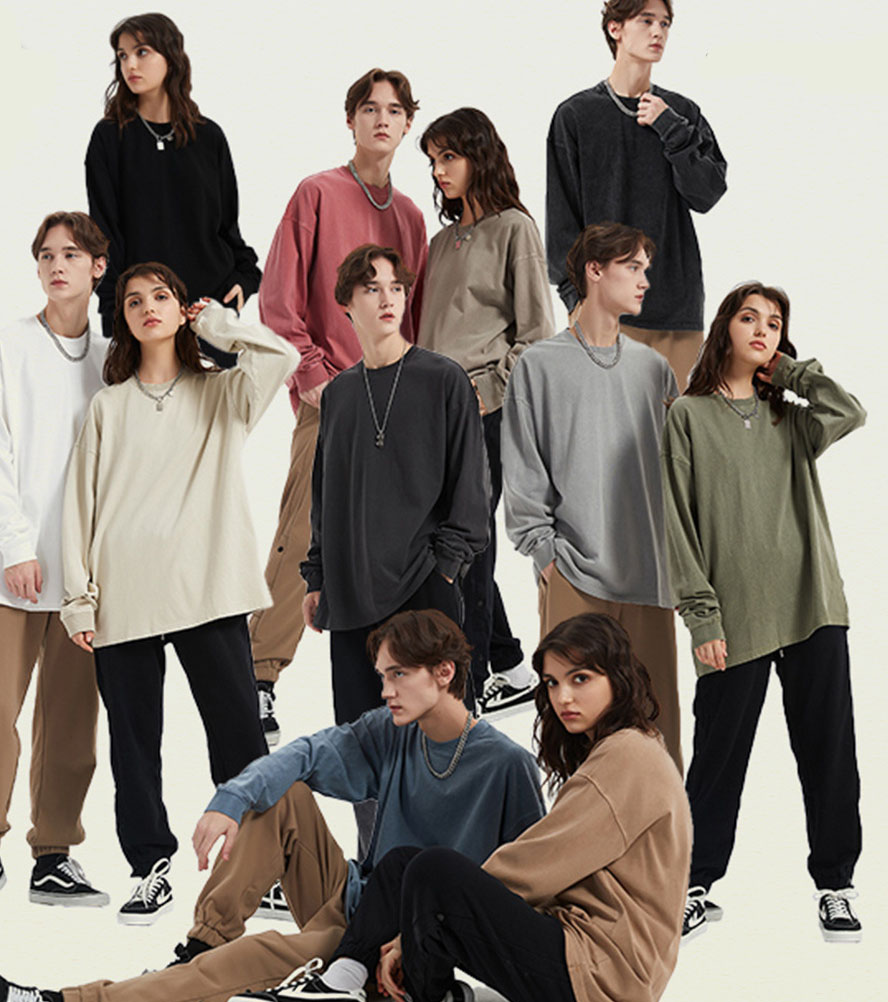
The choice of color can influence a garment’s versatility and wearability. Neutrals might be staples in everyday wardrobes, but bold colors can become statement pieces.

Feedback Loop: From Runway to Factory
Once a collection debuts, manufacturers might receive feedback on colors that were particularly popular or those that didn’t resonate. This feedback can influence future manufacturing decisions.
Sustainability in Color Choices
Eco-friendly dyes and sustainable dyeing processes are becoming more prevalent in the industry. Manufacturers and designers are increasingly considering the environmental impact of their color choices.
Conclusion
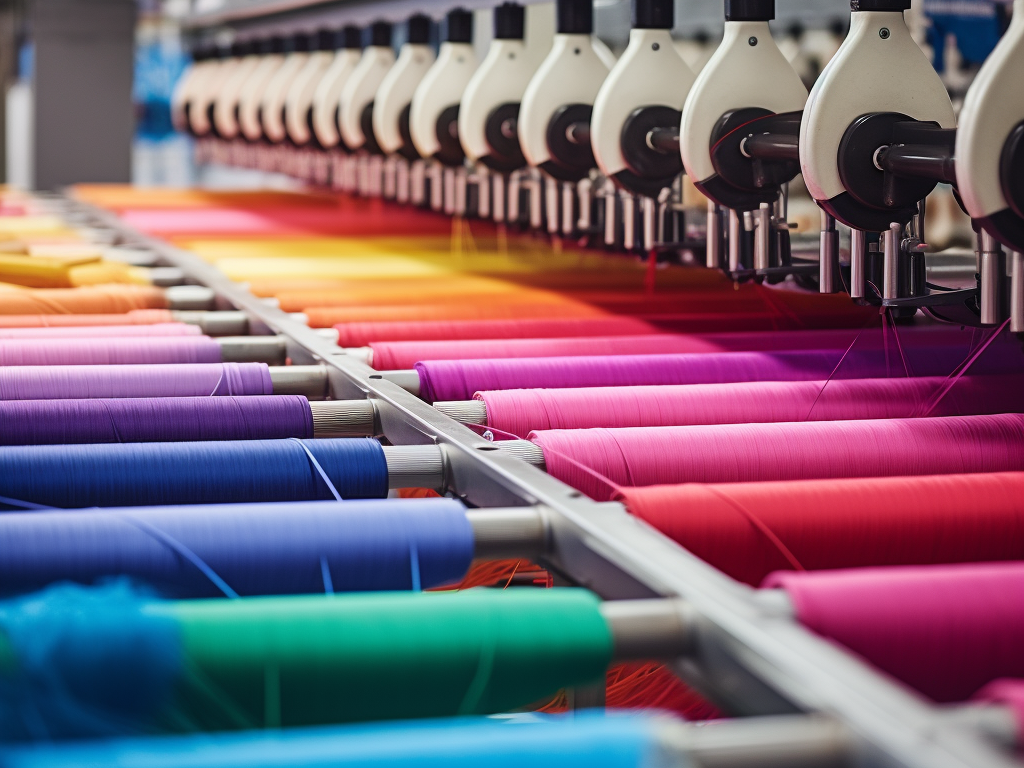
In apparel manufacturing and design, color is a multifaceted decision that influences design, production, and even sales. A deep understanding of color theory, combined with insights from the manufacturing floor, ensures that every garment is not just well-made but also well-colored.