Skip to content
What are Activewear Clothes?
Definition and Characteristics:
Activewear clothes are designed specifically for physical activities such as sports, exercise, and outdoor adventures.
These garments are characterized by their comfort, functionality, and ability to enhance performance.
They often feature moisture-wicking, breathable, and stretchable fabrics that provide support and flexibility.
Differences from Other Clothing Types:
Activewear clothes differ from regular casual or formal wear in their emphasis on performance and functionality.
While casual clothes prioritize comfort and style, activewear focuses on features that improve athletic performance, such as moisture management, temperature regulation, and muscle support.
What is the market demand for Activewear Clothes?
Current Market Trends:
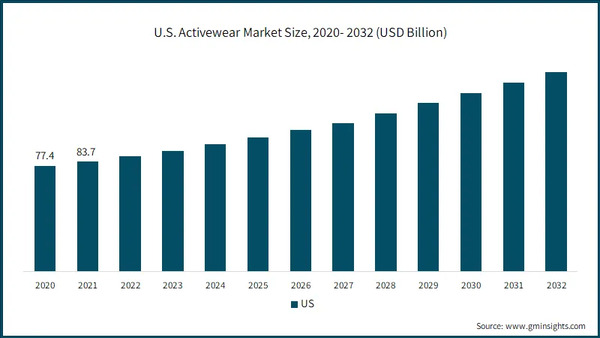
- Athleisure Movement: The rise of athleisure, a trend where athletic wear is worn in non-athletic settings, has significantly boosted the demand for activewear. Consumers seek versatile garments that can transition from workouts to everyday activities.
- Health and Fitness Boom: Increased awareness of health and fitness has led to a growing market for activewear, as more people engage in regular exercise and sports.
Consumer Needs:
- Performance: Consumers demand activewear that enhances performance through features like moisture-wicking, breathability, and compression.
- Comfort: High comfort levels are essential, with soft, flexible fabrics that move with the body.
- Style: Modern activewear also needs to be stylish, with appealing designs and colors that can be worn casually.
What fabrics are commonly used in Activewear Clothes?
Types of Fabrics and Characteristics:
- Polyester:
- Characteristics: Durable, lightweight, and moisture-wicking.
- Usage: Commonly used in activewear for its ability to keep the body dry and comfortable.
- Nylon:
- Characteristics: Strong, stretchy, and quick-drying.
- Usage: Often used in compression garments and high-performance sportswear.
- Spandex (Elastane):
- Characteristics: Highly stretchable and flexible.
- Usage: Blended with other fabrics to provide stretch and support.
- Bamboo and Organic Cotton:
- Characteristics: Eco-friendly, soft, and breathable.
- Usage: Used in sustainable activewear for their comfort and environmental benefits.
Fabric Selection Standards: Fabrics are chosen based on their performance attributes, such as moisture-wicking, breathability, and elasticity. Durability and comfort are also key factors in fabric selection.
What is the production process for Activewear Clothes?
- Process: The design phase involves creating sketches, selecting fabrics, and developing technical specifications. Prototyping follows, where initial samples are made to test fit and functionality.
- Importance: Ensures the final product meets design and performance standards.
Production Process and Techniques:
- Cutting and Sewing: Precision cutting and skilled sewing are crucial for maintaining consistency and quality.
- Seam Sealing: Advanced techniques like flatlock stitching and seam sealing enhance durability and comfort.
- Quality Control: Rigorous inspections at various stages ensure high standards are met.
What functional designs are included in Activewear Clothes?
Breathability and Moisture-Wicking:
- Design Features: Mesh panels, ventilation zones, and moisture-wicking fabrics.
- Benefits: Keeps the wearer cool and dry during intense activities.
Elasticity and Support:
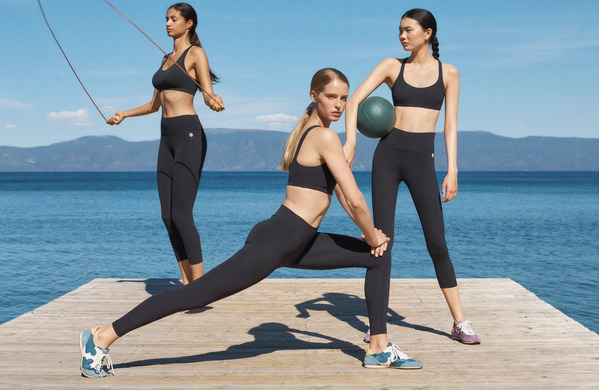
- Design Features: Compression fabrics, ergonomic cuts, and reinforced seams.
- Benefits: Provides muscle support and enhances performance.
How is the quality of Activewear Clothes ensured?
Quality Control Standards:
- Inspection Points: Fabrics, seams, fit, and functionality are checked at multiple stages.
- Standards: Ensuring consistency in color, size, and performance attributes.
- Issues: Pilling, seam failure, and color fading.
- Solutions: Using high-quality fabrics, advanced stitching techniques, and proper dyeing processes.
How is sustainability achieved in Activewear Clothes?
Use of Eco-Friendly Materials:
- Materials: Recycled polyester, organic cotton, and bamboo.
- Benefits: Reduces environmental impact and appeals to eco-conscious consumers.
Sustainable Production Practices:
- Practices: Water and energy conservation, waste reduction, and ethical labor practices.
- Benefits: Promotes a sustainable supply chain and corporate responsibility.
What customization services are available for Activewear Clothes?
Customer Customization Needs:
- Options: Custom colors, logos, and personalized design elements.
- Benefits: Allows brands to differentiate and meet specific market demands.
Customization Production Process:
- Process: Involves design consultation, sample creation, and final production.
- Importance: Ensures customized products meet quality and design specifications.
What are the global market expansion strategies for Activewear Clothes?
Key Export Markets:
- Regions: North America, Europe, and Asia-Pacific.
- Trends: Increasing demand for high-quality and stylish activewear.
Market Promotion and Brand Partnerships:
- Strategies: Collaborations with local brands, influencer marketing, and participation in international trade shows.
- Benefits: Enhances brand visibility and market penetration.
What are Modaknits’ advantages in producing Activewear Clothes?
Professional Experience and Technology:
- Expertise: Extensive experience in producing high-quality activewear with advanced technology.
- Capabilities: Ability to handle large-scale orders and provide innovative design solutions.
Quality Service and Customer Satisfaction:
- Commitment: Dedicated to meeting customer needs with timely delivery and exceptional service.
- Reputation: Known for reliability and high customer satisfaction in the apparel manufacturing industry.
By leveraging these advantages, Modaknits ensures that their activewear clothes not only meet the highest standards of quality and performance but also align with the latest market trends and consumer demands.