Skip to content
Choosing the right fabric is crucial for creating stylish, comfortable, and sustainable knitwear.
Modaknits is committed to leveraging high-quality materials that align with our dedication to eco-friendly and durable garments. To meet the growing demand for sustainable fabrics, we incorporate jute fabric into our collections.
This comprehensive guide explores the features of jute fabric, its diverse applications in apparel, and its impact on sustainability, helping you understand why jute is an excellent choice for modern knitwear.

What is Jute Fabric?
Jute fabric is a natural textile derived from the fibers of the jute plant, primarily Corchorus olitorius and Corchorus capsularis. Renowned for its exceptional strength, durability, and versatility, jute fabric has been a staple in various industries for centuries.
Traditionally used in making ropes, sacks, and twines, jute’s application in the fashion industry has expanded significantly due to its sustainable attributes and unique aesthetic appeal.

Origin and Source of Jute Fibers
Jute is predominantly cultivated in tropical and subtropical regions, with major producers including India, Bangladesh, China, and Thailand. The plant thrives in warm, humid climates and matures within three to four months, making it one of the fastest-growing natural fibers. Jute cultivation requires minimal water and no pesticides, highlighting its status as an eco-friendly and renewable resource.
The production process begins with planting jute seeds in well-drained soil. After harvesting, the stalks undergo retting—soaking in water to soften and separate the fibers from the woody core. Mechanical crushing and cleaning then extract the pure jute fibers, ready for spinning into yarn.
Historical Significance and Modern Usage
Historically, jute has been vital in global trade, especially valued for its strength in rope-making and sailcloth. Ancient civilizations like China and Egypt utilized jute fibers for durable goods essential in daily life and commerce. During the Industrial Revolution, jute became a key material in the textile and shipping industries.
Today, jute fabric is embraced in the fashion industry for its sustainability and unique texture. Designers incorporate jute into garments such as dresses, skirts, jackets, and accessories, appealing to eco-conscious consumers. Its ability to blend with other fibers like cotton and polyester enhances its versatility, allowing for a wide range of stylish and functional fashion pieces.
Jute Fabric Today
Modern advancements in textile technology have improved the softness and versatility of jute, making it suitable for diverse applications in women’s apparel. Organic jute farming practices have gained popularity, focusing on reducing environmental impacts by eliminating harmful pesticides and promoting biodiversity.
Major producers like India and Bangladesh lead in both cultivation and large-scale manufacturing, benefiting from favorable growing conditions and established processing infrastructures. Innovations in retting and eco-friendly dyeing processes have further enhanced jute fabric’s appeal in contemporary fashion.
At Modaknits, we prioritize sourcing high-quality, sustainably produced jute fabrics to create garments that balance comfort, durability, and environmental responsibility. By integrating jute into our collections, we offer stylish and eco-friendly fashion options that meet the demands of modern consumers while supporting sustainable practices in the textile industry.
What Makes Jute Fabric Unique?
Jute fabric distinguishes itself in the textile industry through a combination of remarkable qualities that make it both practical and environmentally friendly.
Understanding these unique aspects is essential for appreciating why jute is increasingly favored in sustainable fashion.
Key Characteristics and Qualities
- Sustainability
Jute is one of the most sustainable natural fibers available. It grows rapidly, typically maturing within three to four months, and requires minimal water and no pesticides or synthetic fertilizers. This swift growth cycle and low resource requirement make jute an eco-friendly and renewable material, significantly reducing the environmental footprint of textile production. - Strength and Durability
Jute fibers are exceptionally strong and durable, ensuring that garments made from jute can withstand regular wear and tear. This robustness makes jute an ideal choice for long-lasting clothing, reducing the need for frequent replacements and promoting sustainable fashion practices. - Breathability and Comfort
Jute fabric is highly breathable, allowing air to circulate freely and keeping the wearer cool and comfortable in various climates. Its natural moisture-wicking properties efficiently draw sweat away from the body, enhancing comfort during activewear and casual use. - Aesthetic Appeal
Jute offers a rustic and natural look, adding unique texture and visual interest to garments. The earthy tones and organic texture provide a distinctive aesthetic that appeals to consumers seeking a blend of style and sustainability. - Hypoallergenic Properties
Naturally hypoallergenic and antibacterial, jute fabric is suitable for individuals with sensitive skin. These properties help reduce the risk of odors and skin irritation, ensuring that garments made from jute are comfortable and safe to wear.
Comparison with Other Fabrics
- Jute vs. Cotton
Cotton is soft and comfortable, but jute is more durable and eco-friendly. Jute requires less water and no pesticides, making it a sustainable alternative. Its strength ensures longer-lasting garments, reducing the need for frequent replacements. - Jute vs. Linen
Both are breathable and eco-friendly, but jute is more durable and less prone to wrinkling. Jute’s robust fibers are ideal for structured garments, while linen is favored for its lightweight drape. This makes jute suitable for versatile, long-lasting fashion pieces. - Jute vs. Polyester
Polyester is quick-drying and affordable, but less breathable and eco-friendly. Jute, being natural and biodegradable, offers better airflow and moisture management, enhancing comfort and sustainability.
Jute’s unique combination of sustainability, strength, breathability, aesthetic appeal, and hypoallergenic properties makes it a standout material in both apparel and home textiles.
Its versatility and eco-friendly nature align perfectly with the growing demand for sustainable and stylish fashion solutions.
How is Jute Fabric Made?
Production Process
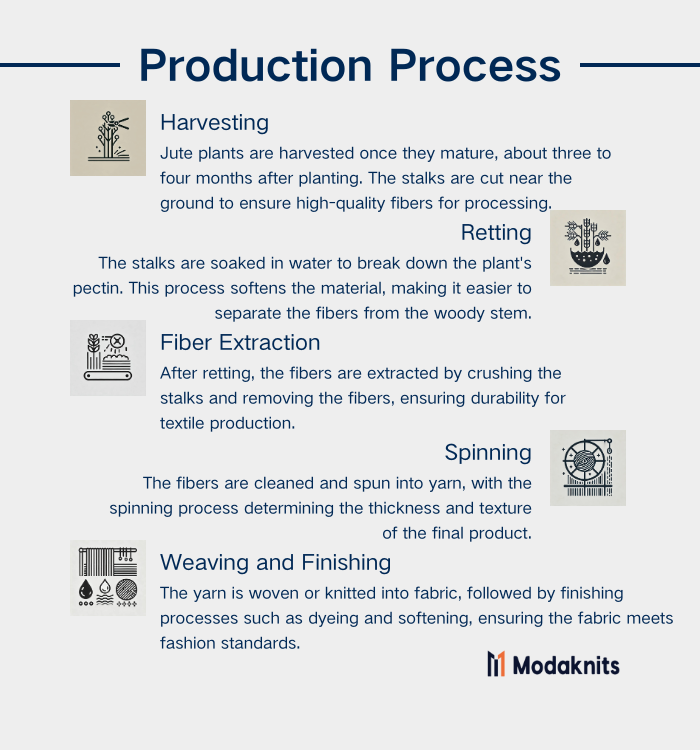
- Harvesting
Jute plants are harvested when they reach maturity, typically three to four months after planting. The stalks are cut close to the ground, ensuring optimal fiber quality for processing. - Retting
After harvesting, the jute stalks undergo retting, a soaking process in water that softens the plant material. This breaks down the pectin, facilitating the separation of fibers from the woody stem. - Extracting Fibers
Once retted, mechanical processes crush and separate the jute fibers from the stalks. This extraction ensures that the fibers remain strong and durable, suitable for textile production. - Spinning
Cleaned jute fibers are spun into yarn. The spinning process determines the yarn’s thickness and texture, which directly impacts the fabric’s final quality and feel. - Weaving/Knitting
The spun yarn is either woven or knitted to create fabric. Weaving produces a structured and sturdy textile, ideal for garments that require durability, while knitting results in a softer and more flexible fabric suitable for casual and activewear. - Finishing
The final stage involves finishing treatments such as dyeing, softening, and quality control. These processes enhance the fabric’s appearance, color, and texture, ensuring it meets the desired standards for fashion applications.
Regions Known for Jute Production
- India
India is the largest producer of jute, contributing significantly to the global supply. The country boasts a long history of jute cultivation and advanced processing facilities that ensure high-quality fiber production. - Bangladesh
Bangladesh is another major jute producer, focusing on sustainable farming practices. The jute industry in Bangladesh supports both domestic use and international exports, maintaining strong market presence. - China
China has emerged as a key player in jute production, leveraging large-scale manufacturing to supply jute fibers for various textile applications. The country’s efficient production methods help meet the global demand for jute fabric.
These regions are central to global jute production, ensuring a steady supply of fabric for a range of textile applications.
What Are the Types of Jute Fabric?

Jute fabric comes in a variety of types, each offering distinct characteristics suited to different styles and applications in women’s fashion:
- Plain Jute
Known for its exceptional strength and durability, plain jute is ideal for structured garments such as skirts, jackets, and trousers. Its robust nature ensures long-lasting wear and resistance to everyday wear and tear. - Printed Jute
Featuring patterns and designs, printed jute fabric adds visual interest and style to garments. It is perfect for trendy tops, dresses, and accessories, allowing designers to incorporate unique aesthetics into their collections. - Jute Blends
Blended with fibers like cotton or polyester, jute blends enhance softness, flexibility, and comfort. These blends are commonly used for casual wear, T-shirts, and activewear, combining the strength of jute with the comfort of other fibers. - Jute Lace
Delicate and intricate, jute lace is used for embellishments and detailing in garments. It adds a touch of elegance and sophistication to dresses, blouses, and accessories, enhancing their aesthetic appeal. - Jute Denim
A sustainable alternative to traditional denim, jute denim is suitable for jeans, jackets, and skirts. It retains the classic look and feel of denim while offering enhanced durability and environmental benefits.
Each type of jute fabric offers unique advantages, ensuring jute remains a versatile and sustainable option in the textile industry.
How is Jute Fabric Used in Textiles?
Jute fabric’s versatility makes it a valuable material in both apparel and home textile applications.
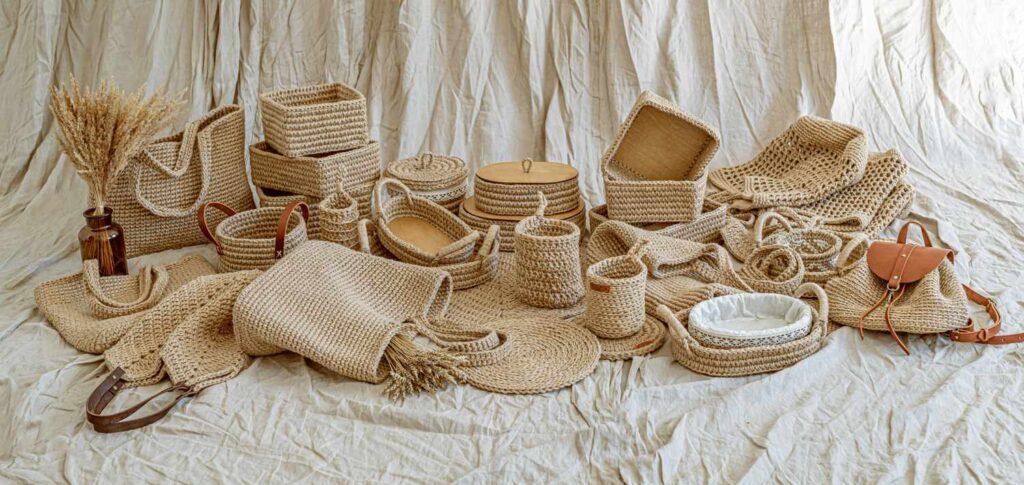
Its unique combination of durability, sustainability, and aesthetic appeal allows it to be seamlessly integrated into a wide range of products, catering to diverse consumer needs and fashion trends.
- Casual and Everyday Wear
Jute is ideal for creating comfortable and stylish everyday garments. Its durability ensures that pieces such as casual dresses, skirts, and tops maintain their shape and integrity through regular use. The natural texture of jute adds a distinctive look to casual wear, making these garments both fashionable and long-lasting. - Formal Wear
The robust fibers and smooth texture of jute make it suitable for elegant and sophisticated garments. Blouses, trousers, and evening dresses crafted from jute benefit from the fabric’s strength and unique aesthetic, offering a polished and refined appearance. Jute’s ability to hold its shape ensures that formal wear remains sharp and well-structured. - Outerwear
Jute fabric is utilized in the production of durable outer garments such as jackets, blazers, and trench coats. Its strength and weather-resistant properties provide both protection and style, making these pieces reliable for various climates. Jute’s natural insulation helps keep wearers warm while maintaining breathability, ensuring comfort without compromising on durability. - Accessories
Jute is a popular choice for accessories, adding texture and sustainability to any outfit. Items such as scarves, shawls, bags, and hats benefit from jute’s natural beauty and eco-friendly appeal. These accessories not only enhance the overall look but also promote environmental responsibility, aligning with the growing demand for sustainable fashion. - Home Textiles
In the realm of home textiles, jute fabric is prized for its strength and aesthetic versatility. It is commonly used in products like curtains, upholstery, and tablecloths, where durability and style are essential. Jute’s natural texture and earthy tones contribute to a warm and inviting home environment, while its resilience ensures that home textiles withstand daily wear and tear.
Jute fabric’s adaptability ensures it remains a preferred choice in both apparel manufacturing and home textiles.
Its balance of sustainability, durability, and unique aesthetic appeal aligns perfectly with the increasing consumer demand for eco-friendly and long-lasting products.
How Much Does Jute Fabric Cost?
The cost of jute fabric varies based on its quality, type, and production location. Understanding these factors is essential for making informed sourcing decisions in women’s fashion.
Jute Fabric Costs in the United States
- Basic Jute FabricPrices typically range from $4 to $12 per yard, making it a cost-effective option for casual wear and basic designs. Basic jute fabric offers durability and strength, suitable for everyday garments that require longevity.
- Premium Jute Fabrics (Jute Blends, Printed Jute)Higher-end varieties cost between $12 and $25 per yard due to their enhanced qualities and intricate designs. These premium fabrics are ideal for high-quality women’s fashion, offering added softness and aesthetic appeal through blending with other fibers or featuring unique patterns.

Jute Fabric Costs in China
- Basic Jute FabricIn China, the price range for basic jute fabric is lower, typically between $2 to $8 per yard. This affordability is driven by large-scale manufacturing and lower labor costs, making China a competitive sourcing destination for budget-friendly jute materials.
- Premium Jute FabricPremium jute fabrics in China are priced from $8 to $20 per yard. These higher-end options are popular for luxury or eco-conscious clothing lines, reflecting superior quality and sustainable production methods that appeal to environmentally aware consumers.
Factors Influencing Jute Fabric Prices
- Type of JutePremium and eco-friendly varieties, such as organic jute or jute blends, tend to command higher prices. These types offer better farming practices and enhanced fabric qualities, making them more desirable in the market.
- Production LocationChina’s lower labor and production costs generally make jute fabric more affordable than U.S.-produced counterparts. The efficiency of large-scale manufacturing in China contributes to the cost-effectiveness of sourcing jute from this region.
- CertificationsJute fabrics certified as organic or sustainably sourced often come at a premium. These certifications reflect higher environmental standards in the production processes, adding value to the final product and appealing to eco-conscious consumers.
Comparing Jute Fabric Prices: U.S. vs. China
Jute fabric prices in China are typically 20% to 50% lower than in the United States due to differences in production costs. This cost-efficiency makes China an attractive sourcing option for women’s fashion manufacturers, allowing for the production of sustainable, high-quality garments at more affordable rates.
By leveraging competitive pricing, Modaknits can offer premium jute-based fashion items that are both stylish and environmentally responsible.
How Does Jute Fabric Impact the Environment?
Jute fabric is often celebrated for its eco-friendly attributes, but its overall environmental impact largely depends on the production methods employed.
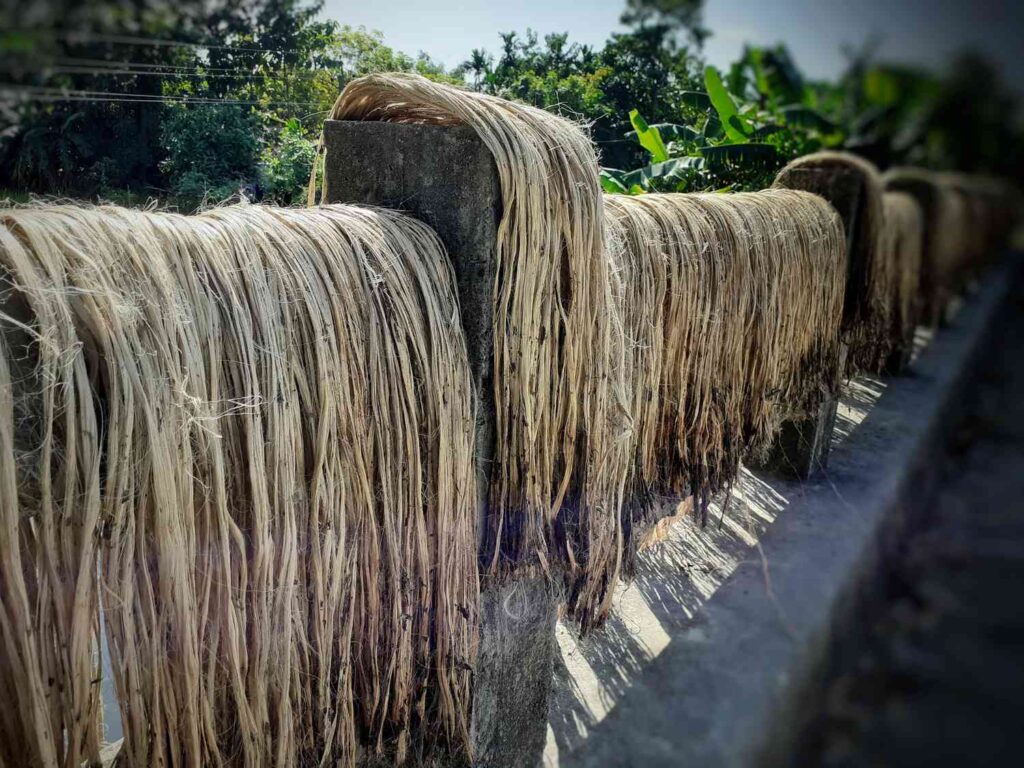
Understanding both the positive and negative effects of jute fabric is essential for manufacturers and consumers committed to sustainable fashion.
Positive Environmental Impacts
- Renewable Resource
Jute is one of the fastest-growing plants, typically maturing within three to five months. Its rapid growth cycle allows for multiple harvests each year without the need for replanting. Additionally, jute cultivation requires minimal water and no pesticides or herbicides, making it a highly renewable and sustainable material that significantly reduces the environmental footprint of textile production. - Biodegradable
Jute fabric is fully biodegradable, meaning it decomposes naturally without releasing harmful pollutants into the environment. Unlike synthetic fibers such as polyester, which can take hundreds of years to break down and contribute to microplastic pollution, jute fabric returns to the earth harmlessly, supporting a circular and sustainable fashion ecosystem.
Negative Environmental Impacts
- Chemical Processing
The conversion of raw jute into usable fabric often involves chemical processing, especially when producing jute viscose. This method typically uses harsh chemicals like carbon disulfide and sodium hydroxide, which can be harmful to both ecosystems and human health if not managed properly. Improper disposal of these chemicals can lead to soil and water contamination, negating some of jute’s environmental benefits. - Land Use
While jute requires less water and fewer pesticides, large-scale jute plantations can still impact local ecosystems. Monoculture farming, where a single crop is grown extensively, can disrupt biodiversity, deplete soil nutrients, and negatively affect wildlife habitats. Sustainable farming practices are crucial to mitigate these adverse effects and maintain ecological balance.
Sustainable Jute Practices
- Choosing Mechanically Processed Jute
Opting for mechanically processed jute, such as jute linen, avoids the use of harmful chemicals involved in the viscose method. Mechanical processing retains the fiber’s natural properties, ensuring that the fabric remains eco-friendly and maintains its durability and strength. This method aligns with sustainable fashion goals by minimizing chemical usage and reducing environmental impact. - Certifications
Certifications like OEKO-TEX® and GOTS (Global Organic Textile Standard) play a vital role in ensuring that jute fabrics are produced under environmentally friendly and socially responsible conditions. These certifications verify that the manufacturing processes adhere to strict standards regarding chemical usage, waste management, and fair labor practices, providing consumers with confidence in the sustainability of their garments.
Ensuring Jute Fabric Quality and Certification
At Modaknits, ensuring that our jute fabric meets the highest quality standards and sustainability practices is essential to crafting premium women’s fashion.
Key Quality Indicators
- Fiber Strength and Durability
Jute fabrics are renowned for their robust texture and longevity. We select jute fibers that offer both strength and resilience, ensuring that garments maintain their quality even after multiple washes. - Breathability and Comfort
Jute fabric’s inherent breathability makes it a top choice for women’s wear, especially in warm climates. Its moisture-wicking properties help keep wearers cool and dry, perfect for activewear, loungewear, and summer collections. - Aesthetic Appeal
Jute’s natural texture and versatility allow for a wide range of design possibilities, from rustic and casual to elegant and sophisticated. This makes it suitable for various styles in women’s fashion.

Certifications and Sustainability
- OEKO-TEX® Standard 100
We ensure that our jute fabrics are certified under OEKO-TEX® Standard 100, guaranteeing that they are free from harmful chemicals and safe for direct skin contact. - GOTS (Global Organic Textile Standard)J
ute fabrics sourced under GOTS certification are produced using eco-friendly methods, from cultivation to processing, reducing the overall environmental impact. This certification ensures that the fabric is organic, without harmful pesticides or synthetic fertilizers. - FSC (Forest Stewardship Council)
Although jute is technically a grass and not a tree, FSC certification ensures that it is harvested responsibly and sustainably, protecting the ecosystems where jute thrives.
By prioritizing these quality standards and certifications, Modaknits offers jute garments that are not only fashionable but also sustainable, aligning with the growing demand for eco-friendly fashion.
This approach supports our commitment to providing stylish, breathable, and durable jute-based clothing that maintains both comfort and environmental responsibility.
For more information about our fabrics or to explore our product catalog, please contact us.