Skip to content
Nylon is a popular synthetic fabric known for its durability and versatility. It’s commonly used in clothing, accessories, and home goods. But is nylon really a cheap fabric?
Yes, nylon is generally considered a cheap fabric due to its low production cost and widespread availability. It’s made from petroleum-based materials, which are inexpensive compared to natural fibers like cotton or silk.
However, the price can vary depending on the type and quality of nylon. Let’s explore the cost factors and see why nylon is often labeled as an affordable fabric.
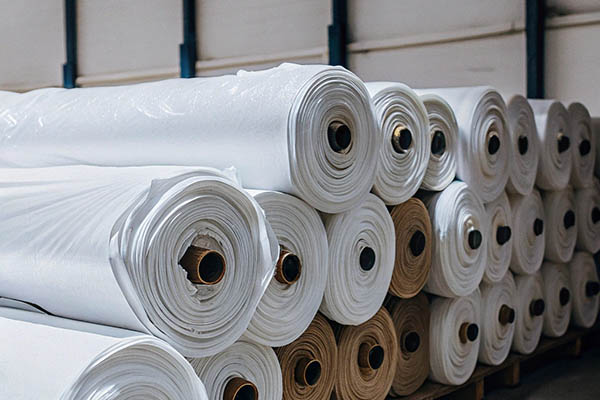
Why is nylon cheaper than natural fibers?
Nylon is cheaper than natural fibers because of its manufacturing process and raw materials.
Nylon is made from petrochemicals, which are abundant and cost-effective. The manufacturing process is fast and efficient, allowing mass production at a low cost. In contrast, natural fibers like cotton require agricultural resources, labor, and time, increasing their price.
This cost efficiency makes nylon a popular choice for budget-friendly clothing and products.
How is nylon manufactured?
Nylon is produced through a chemical process called polymerization, where petroleum-based chemicals are heated and stretched into fibers. This process is quicker and less labor-intensive than harvesting and processing natural fibers.
Why is petroleum cheaper than natural resources?
Petroleum is more cost-effective because it is widely available and extracted using advanced technology. This keeps the raw material cost low, directly impacting the final price of nylon products.
Does the production scale affect nylon’s cost?
Yes, nylon is produced on a massive scale, which reduces costs through economies of scale. High production volumes lower manufacturing expenses, making nylon cheaper than fabrics produced in smaller quantities.
Are all types of nylon cheap?
Not all nylon fabrics are equally cheap. The cost depends on the type, quality, and intended use of the nylon.
Basic nylon fabrics are inexpensive, but specialized versions like nylon blends, ripstop nylon, or high-performance nylon can be more costly. These variants undergo additional processing or are engineered for specific functions, increasing their price.
Understanding the different types of nylon can help you determine their cost and value.

What are the different types of nylon?
There are several types of nylon, each with different properties and price points:
- Nylon 6: Basic and affordable, used in everyday clothing.
- Nylon 6,6: More durable and heat-resistant, used in industrial applications.
- Ripstop Nylon: Reinforced with thicker threads for strength, used in outdoor gear.
- Nylon Blends: Combined with other fibers for enhanced comfort or functionality.
| Type of Nylon | Characteristics | Cost Level |
|---|---|---|
| Nylon 6 | Basic, lightweight | Low |
| Nylon 6,6 | Strong, durable | Medium |
| Ripstop Nylon | Tear-resistant, reinforced | Medium to High |
| Nylon Blends | Versatile, improved comfort | Medium |
Why are some nylon fabrics expensive?
Specialized nylons like ripstop or moisture-wicking blends are more expensive because they require advanced manufacturing techniques or additional treatments. They are designed for performance, durability, or comfort, increasing their value and cost.
Is recycled nylon more expensive?
Yes, recycled nylon is typically more expensive because the recycling process is complex and less efficient than producing virgin nylon. It’s considered a sustainable option but comes at a higher price.
How does nylon compare to other synthetic fabrics in cost?
Nylon is generally cheaper than many other synthetic fabrics but can vary depending on the application and quality.
Compared to polyester, nylon is slightly more expensive due to its superior strength and elasticity. However, it is cheaper than specialty synthetics like spandex or Gore-Tex, which are engineered for specific performance features.
Understanding these cost comparisons can help you make better buying decisions.
Is nylon cheaper than polyester?
Polyester is usually cheaper than nylon because its production is simpler and uses less expensive raw materials. Polyester is also produced in larger volumes, further reducing its cost.
| Fabric | Cost Level | Common Uses |
|---|---|---|
| Nylon | Low to Medium | Activewear, accessories, bags |
| Polyester | Low | Clothing, upholstery, home goods |
| Spandex | Medium to High | Stretchable garments, sportswear |
| Gore-Tex | High | High-performance outdoor gear |

Why is nylon more expensive than polyester?
Nylon is stronger and more durable than polyester, which increases its cost. It also has better elasticity and abrasion resistance, making it more suitable for demanding applications like outdoor gear or sportswear.
Is nylon cheaper than spandex?
Yes, nylon is cheaper than spandex because it doesn’t require the complex manufacturing process needed for spandex’s extreme stretch and recovery properties. Spandex is often used in small amounts in blends, which increases the overall fabric cost.
Does nylon’s price reflect its quality?
Nylon’s price generally reflects its quality, but not always. Lower-cost nylons are often thinner, less durable, and prone to pilling, while higher-quality variants are more robust and long-lasting.
Cheap nylon fabrics may wear out quickly or lose shape over time, while premium nylon offers better performance and durability. The price is influenced by the type of nylon, weave, and finishing treatments.
Choosing the right nylon depends on the intended use and desired quality.
What are the signs of cheap nylon?
Cheap nylon often feels rough or stiff, lacks breathability, and may pill or tear easily. It also tends to lose shape after washing or prolonged wear.
Can expensive nylon be worth the investment?
Yes, high-quality nylon1 can be worth the investment if durability and performance are priorities. Premium nylon is used in outdoor gear, sportswear, and industrial applications, where strength and longevity are essential.
How to identify good-quality nylon?
Good-quality nylon has a smooth, consistent texture and a firm yet flexible feel. It retains its shape, resists pilling, and maintains color vibrancy over time.
Is nylon cost-effective for clothing manufacturers?
Nylon is cost-effective for clothing manufacturers2 due to its low production cost, durability, and versatility.
Nylon’s affordability allows manufacturers to produce durable, lightweight, and easy-care garments at a lower cost. Its strength reduces fabric waste, increasing production efficiency and profitability.
This cost-effectiveness makes nylon popular for activewear, outerwear, and accessories.
Why do brands use nylon in budget-friendly clothing?
Brands use nylon in budget-friendly clothing because it is durable, lightweight, and cheap to produce. It allows for affordable pricing without compromising on functionality.
How does nylon impact pricing strategy?
Nylon’s low cost enables brands to maintain competitive pricing while maximizing profit margins. It is often used in fast fashion due to its affordability and quick production cycle.
Is nylon suitable for luxury clothing?
While nylon is mostly used in affordable clothing, high-end brands sometimes use premium nylon blends for luxury outerwear or accessories, focusing on performance and design.
Conclusion
Nylon is generally a cheap fabric3 due to its low-cost raw materials and efficient manufacturing process. However, prices vary depending on the type and quality of nylon. Understanding its cost structure helps consumers make informed decisions and manufacturers optimize production costs.
-
Learn about the advantages of investing in high-quality nylon for durability and performance in various applications. ↩
-
Discover how nylon’s low production costs benefit manufacturers and influence pricing strategies in the fashion industry. ↩
-
Explore the reasons behind nylon’s affordability and its comparison with natural fibers to understand its value better. ↩