When it comes to clothing, sizing plays a crucial role in inventory management and customer satisfaction. But is medium really the most commonly purchased size across different markets?
Medium is often considered the most popular clothing size, but this varies by region, demographic, and product category. While it dominates in many markets, shifting consumer trends and body diversity are changing the demand for other sizes.
Sizing is not just about demand—it impacts production costs, return rates, and brand reputation. Understanding size trends is key to optimizing inventory and reducing waste.
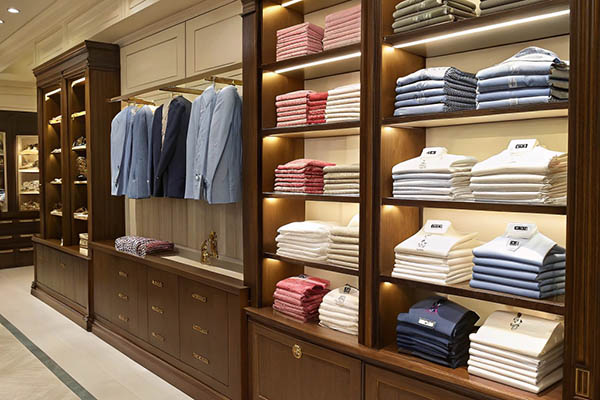
What makes medium a popular size in the fashion industry?
Medium has long been the "standard" size for mass-market clothing. But why?
Medium often represents the average consumer in many countries, making it a safe choice for manufacturers. Brands cater to this size to appeal to the widest customer base, ensuring better sales and fewer inventory risks.
Factors That Influence Medium’s Popularity
Several reasons contribute to medium being a dominant size in many markets:
- Average Body Size – In many regions, medium aligns with average body measurements.
- Retailer Stocking Strategies – Brands produce more medium sizes to minimize surplus.
- Consumer Perception – Medium is often seen as a "universal" fit, making it an easier purchase choice.
- Manufacturing Efficiency – Producing standard sizes simplifies logistics and production costs.
Does Medium Fit Most Consumers?
While medium is widely produced, it doesn’t always fit every consumer. Body shapes vary significantly, and a "true medium" differs across brands and regions.
| Region | Common Medium Size (Men) | Common Medium Size (Women) |
|---|---|---|
| North America | 38-40 inches (chest) | 8-10 (US sizing) |
| Europe | 48-50 (EU sizing) | 38-40 (EU sizing) |
| Asia | 38-40 (Asian sizing) | M-L (Asian sizing) |
Consumers often find that medium in one brand differs from medium in another, leading to inconsistencies in fit.
How do regional and demographic differences impact size popularity?
What’s considered "medium" in one country may not be the same elsewhere. Cultural differences, body types, and fashion trends all influence sizing.
In North America and Europe, medium is widely popular, but in Asia, smaller sizes like small or extra-small are more common. In contrast, plus sizes are gaining traction globally, shifting demand beyond the traditional medium.

Regional Variations in Sizing Demand
Different regions have unique size distributions:
- North America – Medium is common, but large and extra-large sizes are increasing in demand.
- Europe – Medium remains dominant, but slim-fit styles push demand for small sizes.
- Asia – Small and extra-small are often more popular due to average body sizes.
- Latin America – Medium is strong, but curvier fits mean large sizes sell well too.
Age and Gender Considerations
Size popularity also shifts with age and gender:
- Younger consumers prefer oversized styles, increasing demand for large sizes.
- Women’s fashion sees greater demand for varied fits, while men’s fashion remains more standardized.
- Older consumers often prefer looser fits, driving demand for larger sizes.
Retailers must consider these factors when stocking inventory to meet customer needs.
Is the rise of plus-size fashion changing medium’s dominance?
The global shift toward body inclusivity is reshaping size distribution in fashion.
Plus-size fashion is a growing segment, with demand for large and extra-large sizes increasing. Brands that cater to extended size ranges see higher customer retention and reduced return rates.
The Growth of Plus-Size Fashion
Several factors contribute to the increasing demand for larger sizes:
- Changing Beauty Standards – More brands embrace diverse body types.
- Consumer Activism – Customers demand inclusive sizing from retailers.
- Health and Lifestyle Changes – Average body sizes are increasing in many regions.
How Brands Are Adapting
Fashion companies are responding with:
- Extended Size Ranges – More brands now offer up to 5XL.
- Better Fit Technology – AI-driven sizing tools reduce fit issues.
- Dedicated Plus-Size Collections – Brands like ASOS and Nike lead this shift.
While medium still holds strong, large and extra-large sizes are gaining ground, especially in Western markets.

How do online shopping and returns affect size popularity?
E-commerce has transformed how consumers buy clothing, but it has also exposed sizing inconsistencies1.
With high return rates due to poor fit, brands are investing in better sizing guides, AI-powered recommendations, and flexible return policies. Standardizing medium across brands remains a challenge.
The Impact of Sizing Inconsistencies
Common online shopping issues related to sizing include:
- Varying Measurements – A "medium" can differ significantly between brands.
- Lack of Try-On Options – Consumers often buy multiple sizes and return what doesn’t fit.
- Fit Expectations – Styles like slim-fit vs. relaxed-fit impact perceptions of size.
Solutions for Better Fit Accuracy
Retailers are using technology to minimize returns:
- Virtual Fitting Tools – AI-powered sizing recommendations based on body scans.
- Augmented Reality (AR) Try-Ons – Digital fitting rooms enhance shopping experiences.
- Size Standardization Efforts – Some brands push for industry-wide consistency.
Brands that invest in fit accuracy see lower return rates and higher customer satisfaction.
What does the future of sizing look like in fashion?
Fashion sizing is evolving, with innovations aiming to make shopping more accurate and inclusive.
The future of sizing will be driven by technology, sustainability, and consumer demand for better fit options. Customization and AI-based sizing will likely redefine how we buy clothes.
Innovations Shaping the Future
- Smart Fabrics – Adaptive clothing that adjusts to body shape.
- 3D Body Scanning – More precise sizing recommendations.
- Sustainable Sizing Models – Reducing waste by producing on demand.
The Shift Toward Custom Fit
More brands are moving toward personalized sizing:
| Trend | Impact on Sizing |
|---|---|
| Made-to-Measure Clothing | Reduces return rates and inventory waste |
| AI-Powered Recommendations | Helps customers choose the right size online |
| On-Demand Manufacturing | Limits overproduction of less popular sizes |
The era of "one-size-fits-all" is fading, making way for a more tailored approach to fashion.
Conclusion
While medium remains one of the most popular clothing sizes, shifting consumer demands and fashion trends are changing the landscape. The rise of plus-size fashion2, regional variations, and technology-driven sizing solutions are shaping the future of apparel. Brands that embrace these changes will stay ahead in an evolving industry.