Skip to content
If you’re sourcing or buying sweatshirts, you’ve probably seen Lycra pop up in fabric specs. But is it really the best option—or just a marketing buzzword?
Lycra (also known as spandex or elastane) adds stretch and shape retention1 to sweatshirts, but it’s usually blended with other fabrics. It shines in performance and athleisure garments, though it’s not the best standalone fabric for warmth or breathability.
Years of development work have shown me one thing: the fabric blend you choose can make or break your sweatshirt line. Here’s how Lycra fits into that equation.
What Makes Lycra a Popular Fabric in Sweatshirt Production?
It’s not the main ingredient—but it changes everything.
Lycra is rarely used alone. When blended with cotton, polyester, or rayon, it enhances flexibility, recovery, and wearer comfort—especially in fitted, performance, or activewear sweatshirts.
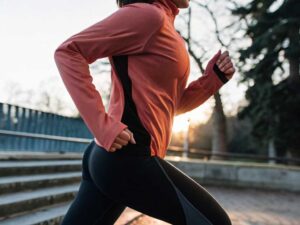 Red black sportswear
Why is Lycra blended into so many sweatshirt fabrics?
Because even a little Lycra goes a long way. Most blends only use 2–10% Lycra.
- Stretchability: Lycra adds multidirectional elasticity, making garments easier to move in.
- Recovery: It helps sweatshirts snap back into shape instead of sagging or bagging.
- Fit retention: Ideal for slim-fit or cropped styles that need to hold shape after washing.
- Comfort: Enhances skin feel when combined with natural fibers.
It’s a strategic add-on—not a standalone material.
Does Lycra make sweatshirts more stretchable and durable?
Yes, but it depends on the blend.
| Feature | Lycra Blend Effect |
|---|---|
| Stretchability | High (especially with knit fabrics) |
| Durability | Moderate—adds tensile resilience |
| Pilling | Reduced when blended with polyester |
| Shrinkage | Lower risk with Lycra compared to pure cotton |
Lycra helps the fabric handle stress better, which is useful in sleeve cuffs, hems, and fitted designs. But Lycra is also heat-sensitive, so it needs proper care during production and washing.
Comparing Lycra with Other Common Sweatshirt Fabrics
Is Lycra better than cotton or fleece? It depends on what you want from your sweatshirt.
Lycra excels in flexibility and shape retention, while cotton offers breathability and fleece provides insulation. Each fabric has its strength—and the best often come in blends.

How does Lycra perform vs cotton in terms of comfort and breathability?
Cotton wins for breathability, but Lycra adds movement and stretch.
- Cotton: Natural fiber, soft on skin, breathable, but prone to sagging and shrinkage.
- Lycra: Synthetic fiber, adds elasticity and snapback, but not breathable on its own.
A cotton-Lycra blend combines the best of both:
| Blend | Comfort | Breathability | Stretch | Best Use Case |
|---|---|---|---|---|
| 100% Cotton | ★★★★★ | ★★★★★ | ★☆☆☆☆ | Casual, warm-weather wear |
| Cotton + Lycra | ★★★★☆ | ★★★★☆ | ★★★★☆ | Athleisure, slim-fit |
| Cotton + Poly | ★★★☆☆ | ★★☆☆☆ | ★★☆☆☆ | Mass-market basics |
Lycra doesn’t breathe—but it allows fabrics like cotton to move better.
Is polyester or fleece better than Lycra for cold-weather sweatshirts?
Lycra isn’t designed to provide warmth, but it can enhance cold-weather fabrics.
- Fleece: Excellent thermal retention but can lose shape over time.
- Polyester: Great for moisture-wicking but feels less natural.
- Lycra Blends: Improve fit and longevity of fleece/poly garments.
For winter wear, try a polyester-cotton-Lycra tri-blend fleece. It holds warmth, stretches well, and lasts through many wash cycles.
Use Cases: When Is Lycra the Ideal Choice for Sweatshirts?
Lycra shines when performance, movement, or style shape are top priorities.
Lycra blends2 are ideal for workout gear, dancewear, fitted sweatshirts, and hybrid athleisure lines. They help garments stay flattering and functional over time.
Are Lycra sweatshirts best for workouts or athleisure wear?
Yes. Lycra keeps garments close to the body without restricting movement.
- Workouts: Lycra allows you to bend, stretch, and move freely—especially in yoga or HIIT.
- Streetwear: Keeps that clean, sculpted silhouette even after all-day wear.
- Loungewear: Gives a snug feel without constriction, perfect for modern sets.
Most sportswear sweatshirts today contain at least 5% Lycra to improve both feel and performance.
Do Lycra blends help with shape retention after multiple washes?
This is one of Lycra’s biggest selling points.
- After 10+ washes, pure cotton hoodies start to sag at the hem and cuffs.
- Lycra blends, on the other hand, resist deformation and maintain sleeve tightness and body fit.
| Wash Cycle Count | Cotton Sweatshirt | Lycra Blend Sweatshirt |
|---|---|---|
| 1–5 | Holds shape | Holds shape |
| 6–10 | Begins sagging | Maintains structure |
| 11–15 | Neck and cuffs stretch | Retains elasticity |
It’s a smart move if longevity matters to your customers—or your wardrobe.
Should You Choose Lycra Sweatshirts? A Practical Buying Guide
Choosing the right Lycra sweatshirt means knowing what quality looks like.
Check for fiber content (at least 3–8% Lycra), tight knit construction, and resistance to overstretch. Trusted brands and proper labeling also help identify premium Lycra blends.

What are the signs of high-quality Lycra3 in sweatshirts?
Look past the label and feel the fabric.
- Snap Test: Stretch the fabric and release. It should bounce back immediately.
- Weight & Drape: Should feel substantial but move fluidly.
- No Shine: Cheap Lycra looks glossy—quality versions have a matte finish.
- Seam Strength: Lycra blends require reinforced stitching to avoid seam breakdown.
Also, check GSM (grams per square meter). A high-quality Lycra blend sweatshirt should be around 280–350 GSM for comfort and structure.
Some brands use proprietary blends or license Lycra-branded fibers for credibility.
| Brand/Tag Name | What It Means |
|---|---|
| LYCRA® | Genuine elastane fiber brand |
| Dri-FIT (Nike) | Poly-Lycra blend for performance gear |
| Climalite (Adidas) | Sweat-wicking Lycra-enhanced fabrics |
| Lululemon Scuba | Cotton-Lycra for stretch and shape |
🛍️ When shopping or sourcing, check for Lycra® branding or reputable factory test data for spandex content and performance metrics.
Conclusion
Lycra isn’t a one-size-fits-all solution, but it’s incredibly useful when used right. For sweatshirts that need stretch, shape, and performance—especially in active or fitted styles—Lycra blends can be a game changer. Just make sure you choose the right base fabric to match.
-
Learn about shape retention in Lycra sweatshirts to see how they maintain their fit and structure over time. ↩
-
Explore the advantages of Lycra blends to understand how they enhance comfort and performance in sweatshirts. ↩
-
Discover how to identify high-quality Lycra to ensure you choose the best sweatshirts for durability and comfort. ↩