Skip to content
When customizing apparel like hoodies, t-shirts, or caps, choosing between embroidery and printing can feel tricky. Which method is more cost-effective? Does durability justify a higher price? Let’s find out.
Embroidery1 is usually more expensive than printing due to higher labor costs, specialized equipment, and thicker materials. However, it offers better durability2 and a more premium appearance compared to most printing methods.
But pricing depends on more than just technique. Let’s break down the factors influencing costs and how to choose the best option for your needs.
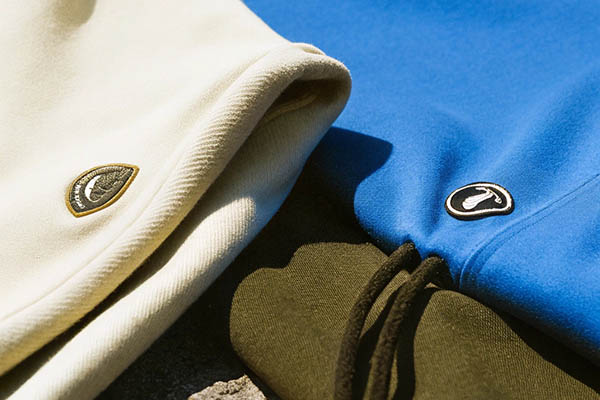
What are the main differences between embroidery and printing?
To compare costs accurately, you first need to understand how embroidery and printing differ.
Embroidery uses threads stitched into the fabric, while printing3 applies ink or vinyl on the surface. Each method varies in appearance, durability, and production cost.
Embroidery: Classic and Durable
Embroidery uses needle and thread to create raised, textured designs.
- Process: Digitizing a design and stitching it onto fabric.
- Materials: Polyester, rayon, or cotton thread.
- Common uses: Logos on hoodies, caps, and uniforms.
Printing: Versatile and Cost-Effective
Printing applies graphics directly onto fabric using ink or heat-transferred materials.
- Process: Transferring ink via screen printing, DTG (Direct-to-Garment), or heat transfer.
- Materials: Ink, vinyl, or sublimation materials.
- Common uses: T-shirt designs, promotional items, and detailed graphics.
Quick comparison:
| Feature | Embroidery | Printing |
|---|---|---|
| Cost | Higher (labor-intensive) | Lower (scalable, simpler process) |
| Durability | Excellent (threads last longer) | Moderate (may crack or fade) |
| Appearance | Textured, premium look | Flat, detailed visuals |
| Setup time | Longer (digitizing needed) | Faster for bulk orders |
| Ideal for | Logos, text, uniforms | Complex graphics, large designs |
The method you choose depends on your design, fabric type, and budget.
Why is embroidery usually more expensive than printing?
Ever wondered why embroidered logos cost more than printed ones?
Embroidery is more expensive because it requires specialized equipment, labor-intensive stitching, and high-quality thread. The cost increases with stitch count and design complexity.
Let’s break it down.
1. Equipment and labor costs
Embroidery machines are costly, and the process involves digitizing the design into a stitch file.
- Digitizing fee: \$30–\$100 per design, depending on complexity.
- Labor costs: Skilled operators oversee machine setup and thread changes.
2. Thread material and density
Threads must withstand wear and washing. Higher stitch density means more thread, increasing costs.
Example:
- Simple text logo (5,000 stitches) → \$3–\$5 per piece.
- Detailed design (20,000 stitches) → \$6–\$10 per piece.

3. Fabric considerations
Embroidery works best on thicker materials like hoodies or polos. Thin fabrics may pucker or stretch, adding complexity to the process.
Cost insight:
- Cotton hoodie → Easier to embroider, stable surface.
- Stretchy polyester → Requires stabilizers, increasing cost.
Bottom line: Embroidery costs more due to labor, materials, and technical challenges.
When is printing cheaper than embroidery?
Printing typically costs less—but why?
Printing is cheaper for large, colorful designs or bulk orders because ink costs less than thread, and the process scales easily.
Let’s explore why.
1. Printing methods and their costs
| Printing Method | Average Cost per Piece | Best For |
|---|---|---|
| Screen Printing | \$2–\$5 (bulk orders) | Large, simple designs in bulk |
| Direct-to-Garment (DTG) | \$5–\$10 (small runs) | Detailed, colorful designs |
| Heat Transfer | \$3–\$6 | Personalized or small-batch items |
Example:
- Printing a 100-piece batch of hoodies with a 3-color logo might cost \$3 per unit via screen printing.
- Embroidering the same design could cost \$6–\$7 per piece.
2. Design complexity and cost
Printed designs handle gradients, small text, and intricate patterns better. Embroidery struggles with very detailed elements.
- Simple logos: Printing and embroidery cost about the same.
- Complex graphics: Printing wins due to ink flexibility.
Cost tip: Stick to screen printing for promotional items with detailed or large visuals.
3. Bulk order efficiency
Printing becomes cheaper as order size grows.
Example:
- 50 hoodies with embroidery → \$6 each = \$300
- 50 hoodies with screen printing → \$3 each = \$150
Key takeaway: Printing is more affordable when producing large volumes or complex graphics.

Which factors influence the cost of embroidery and printing?
Both embroidery and printing costs vary depending on design, fabric, and order size.
Factors influencing cost include design size, material choice, order quantity, and setup requirements.
Let’s explore the key variables.
1. Design size and complexity
- Embroidery: Measured in stitch count. More stitches = higher cost.
- Printing: Larger prints cost more, especially with multiple colors.
Example:
- Small chest logo → \$4 embroidered; \$2 printed.
- Full hoodie back design → \$15 embroidered; \$7 printed.
2. Fabric type
Certain materials affect process complexity.
| Fabric | Embroidery Suitability | Printing Suitability |
|---|---|---|
| Cotton | Excellent | Excellent |
| Polyester | Good (with stabilizers) | Excellent |
| Fleece | Good (dense stitch needed) | Moderate (ink may bleed) |
| Nylon | Challenging (slippery) | Good |
3. Order size and economies of scale
- Embroidery costs remain relatively stable across volumes.
- Printing costs decrease significantly with bulk orders.
Pro tip: If you only need 10 hoodies, embroidery might not cost much more than printing. For 500+ pieces, printing is the economical choice.
Which method is better for long-term durability?
Durability is a crucial consideration for branding and workwear.
Embroidery lasts longer because threads don’t crack or peel like printed designs. High-quality embroidery can outlive the garment itself.
Let’s compare their lifespan.
1. Embroidery durability
- Strength: Thread weaves resist washing, abrasion, and UV exposure.
- Weakness: Can fray if poorly stitched or exposed to sharp objects.
Expected lifespan: 5–10+ years with proper care.
2. Printing durability
- Strength: High-quality inks (e.g., plastisol) resist fading.
- Weakness: Heat, friction, and stretching cause cracks and peeling.
Expected lifespan: 2–5 years with proper care.
Care tip:
Wash embroidered items inside-out and avoid high heat for printed designs.
Conclusion: For uniforms and high-wear items, choose embroidery. For trendy or promotional pieces, printing is sufficient.
How do branding and design goals impact the choice?
The best customization method isn’t just about cost—it’s also about brand perception.
Embroidery conveys a premium, professional image, while printing offers creative flexibility for bold, trendy designs.
Let’s explore how design intent influences the decision.
1. Professional branding
- Best choice: Embroidery.
- Why: Raised, textured stitching looks polished on uniforms, polo shirts, and corporate apparel.
Example: A crisp embroidered logo on a hoodie feels more premium than a printed one.
2. Promotional and event merchandise
- Best choice: Printing.
- Why: Lower costs allow larger batches and more intricate designs.
Example: Event t-shirts with vibrant, detailed prints cost significantly less when printed in bulk.
3. Fashion and streetwear
- Best choice: Mix of both.
- Why: Embroidery for logos, prints for creative graphics.
Example: Streetwear hoodies often use embroidered chest logos with bold printed designs on the back.
Conclusion
Embroidery is generally more expensive than printing due to higher labor and material costs, but it also lasts longer and creates a more premium look. Printing is cheaper, especially for large, colorful designs and bulk orders. Your decision should depend on your design complexity, fabric type, and long-term goals. Choose embroidery for durability and professionalism; go with printing for cost-effectiveness and design flexibility.
-
Explore the advantages of embroidery, including durability and premium appearance, to make an informed choice for your apparel needs. ↩
-
Understand the key factors influencing the durability of embroidery and printing to ensure your designs last longer and maintain quality. ↩
-
Learn about the cost-effectiveness and versatility of printing compared to embroidery, helping you choose the right method for your project. ↩