Skip to content
Athleisure, the fusion of athletic wear and casual fashion, has become a global phenomenon, seamlessly blending comfort and style. While athleisure is widely popular in the United States, many wonder whether it enjoys the same level of acceptance in Europe, where traditional fashion trends and cultural norms often differ.
Yes, athleisure is increasingly popular in Europe1, particularly among younger generations and urban populations who prioritize comfort, versatility, and modern aesthetics.
This article explores how athleisure fits into European fashion, focusing on its popularity in cities like London2 and addressing whether activewear is embraced or considered inappropriate in certain European settings3.
Do People Wear Athleisure in London?
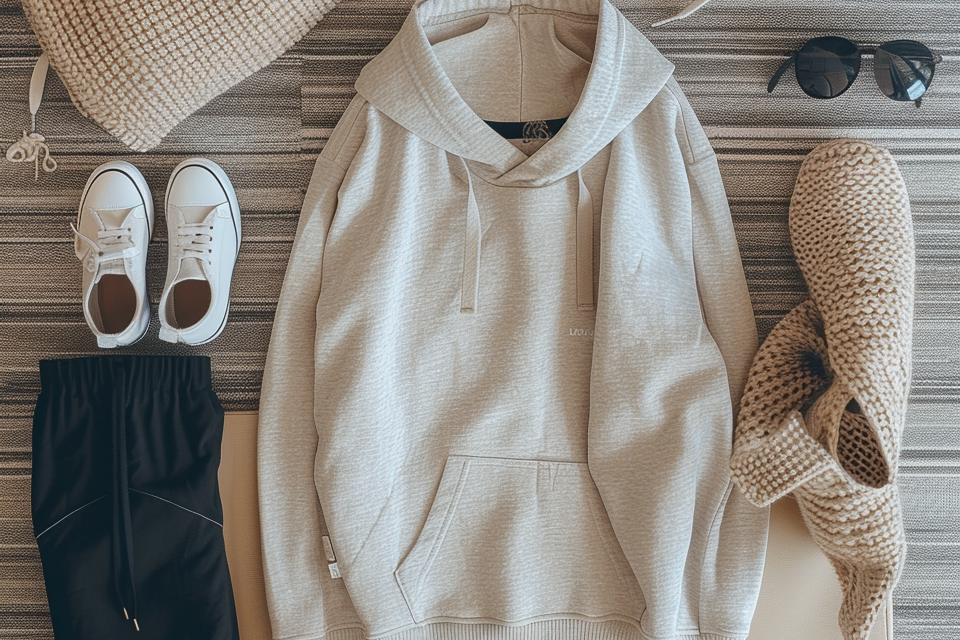
London, known for its eclectic and forward-thinking fashion culture, has embraced athleisure as a key trend.
Athleisure is widely worn in London, where it aligns perfectly with the city’s fast-paced lifestyle and diverse fashion sensibilities.

Athleisure Trends in London
-
Blend of Functionality and Fashion
- Londoners appreciate clothing that transitions easily from the gym to casual outings, making leggings, sneakers, and hoodies wardrobe staples.
- Premium athleisure brands like Lululemon, Gymshark, and Sweaty Betty are highly popular among Londoners.
-
City Lifestyle Influence
- The hectic pace of life in London demands versatile clothing.
- Athleisure offers the flexibility to move between work, workouts, and social activities seamlessly.
-
Local Brands’ Impact
- UK-based brands like Sweaty Betty and Gymshark cater to the athleisure demand with functional yet fashionable designs.
| Key Brand | Why It’s Popular in London |
|---|---|
| Lululemon | High-quality, stylish performance wear |
| Sweaty Betty | British brand with functional elegance |
| Gymshark | Affordable, trend-driven activewear |
Athleisure’s Place in London’s Subcultures
-
Fashion-Forward Communities
- In areas like Shoreditch and Camden, athleisure is paired with high-fashion pieces, reflecting London’s innovative approach to street style.
-
Practical Comfort
- In neighborhoods like Islington or Canary Wharf, professionals often wear sleek athleisure for commuting or casual meetings.
-
Fitness-Centric Groups
- Gym-goers and yoga enthusiasts from South Kensington to Clapham wear athleisure as both a practical and aesthetic choice.
In London, athleisure is not just a fashion statement—it’s a lifestyle.
Is Activewear a No-No in Europe?
While athleisure is gaining traction across Europe, cultural attitudes toward activewear can vary by country and context.
Activewear is not a “no-no” in Europe, but its acceptance often depends on the setting and cultural norms of specific countries.

Where Athleisure Thrives in Europe
-
Urban Centers
- Cities like Paris, Berlin, and Amsterdam have embraced athleisure, particularly among younger generations.
- Activewear is styled with sophistication, blending into the local aesthetic.
-
Fitness-Oriented Populations
- Scandinavian countries often integrate athleisure into daily wardrobes, aligning with their fitness-focused lifestyles.
-
Fashion Capitals
- Paris, known for its chic style, now sees luxury athleisure pieces from premium brands—part of a broader shift toward eco-friendly and versatile fashion4.
| City | Athleisure Appeal |
|---|---|
| Berlin | Edgy, streetwear-inspired activewear |
| Amsterdam | Functional, minimalist styles |
| Stockholm | Sustainability-driven activewear |
Where Athleisure Faces Resistance
-
Formal Fashion Norms
- In countries like Italy and Spain, traditional style dominates, and activewear may not be considered appropriate for non-athletic events.
-
Cultural Preference for Elegance
- Southern Europe often favors tailored clothing, limiting the role of casual activewear.
-
Rural Areas
- Outside major cities, conservative and traditional attire prevails, slowing athleisure’s adoption.
Bridging the Gap: Luxury Athleisure
High-end brands are helping integrate activewear into European fashion:
-
Designer Collaborations
- Stella McCartney x Adidas and Gucci x The North Face bring activewear into luxury realms5.
-
Tailored Athleisure
- Pieces blending formal tailoring with performance fabrics cater to fashion-conscious Europeans seeking comfort and style.
The Future of Athleisure in Europe
The European athleisure market is poised for significant growth, driven by evolving lifestyles and sustainability trends.
Factors Contributing to Growth
-
Work-from-Home Lifestyle
- More Europeans embrace comfortable clothing suitable for flexible work environments.
-
Sustainability Focus
- Eco-friendly materials and ethical production resonate with European consumers, pushing brands to innovate.
-
Hybrid Fashion
- The rise of “hybrid” clothing—combining activewear and formalwear—appeals to professionals and students alike.
Trends to Watch
-
Sustainable Athleisure
- Brands like Stella McCartney and Adidas use recycled fabrics and ethical practices.
-
Luxury Collaborations
- High-end partnerships blur lines between sportswear and couture.
-
Tech-Integrated Clothing
- Smart fabrics with temperature regulation and posture support gain popularity among European consumers.
| Trend | Key Example |
|---|---|
| Sustainable Athleisure | Adidas’s “Parley for the Oceans” collection |
| Luxury Collaborations | Gucci x The North Face |
| Tech Integration | Smart yoga pants with posture correction |
Conclusion
Athleisure has become a staple in European fashion, especially in urban centers like London, Berlin, and Amsterdam. While certain regions still favor traditional styles, global trends, sustainability, and changing lifestyles ensure activewear’s steady rise. From luxury collaborations to eco-friendly innovations, athleisure resonates with Europe’s blend of tradition and modernity.
Whether for workouts, casual outings, or fashion statements, athleisure has secured its place in Europe’s evolving style landscape.
-
Provides verified statistics and trends on athleisure adoption. ↩
-
Explores how London’s fashion culture influences athleisure styling. ↩
-
Examines acceptance of activewear across different European regions. ↩
-
Identifies eco-friendly European brands shaping the market. ↩
-
Showcases high-end partnerships merging couture and sportswear. ↩