Skip to content
Athleisure has taken over global fashion, blurring the lines between activewear and everyday clothing. But how popular is this trend in Europe? Do Europeans embrace sportswear in their daily lives as much as Americans do?
Yes, athleisure is a growing trend in Europe. Consumers across major cities like Paris, London, and Berlin are adopting stylish yet functional sportswear for both workouts and casual wear. European brands are also responding by merging fashion with performance fabrics.
Athleisure is more than just a trend—it reflects lifestyle changes, shifting workplace norms, and a focus on health and comfort. Let’s explore how it has evolved in Europe.
How did athleisure become popular in Europe?
Athleisure wasn’t always mainstream in Europe. So, how did it go from gym wear to a fashion staple?
The rise of health-conscious lifestyles, flexible work environments, and fashion collaborations have fueled the growth of athleisure1 in Europe. Consumers want stylish yet comfortable clothing they can wear beyond workouts.
A shift toward wellness and active lifestyles
More Europeans are adopting fitness routines, whether it’s yoga, running, or cycling. This has increased demand for high-performance, stylish sportswear.
The influence of American athleisure culture
Global brands like Nike, Lululemon, and Adidas introduced athleisure to European markets, making it more accessible and desirable.
With more people working remotely and embracing casual office wear, sports-inspired clothing has become acceptable beyond the gym.
Which European countries are embracing athleisure the most?
Athleisure is popular across Europe, but some regions are leading the trend more than others.
The UK, Germany, and France are the biggest athleisure markets in Europe. Scandinavian countries also have a strong culture of functional, stylish sportswear.
The UK: A fashion-driven athleisure hub
Londoners have fully embraced athleisure, mixing designer pieces with sportswear for a polished yet comfortable look. Brands like Gymshark and Sweaty Betty cater to this growing market.

Germany: Practical and performance-focused
Germans prefer functional, high-quality activewear. Brands like Adidas and Puma dominate, with sustainability2 playing a key role in purchasing decisions.
France: Balancing elegance and casualwear
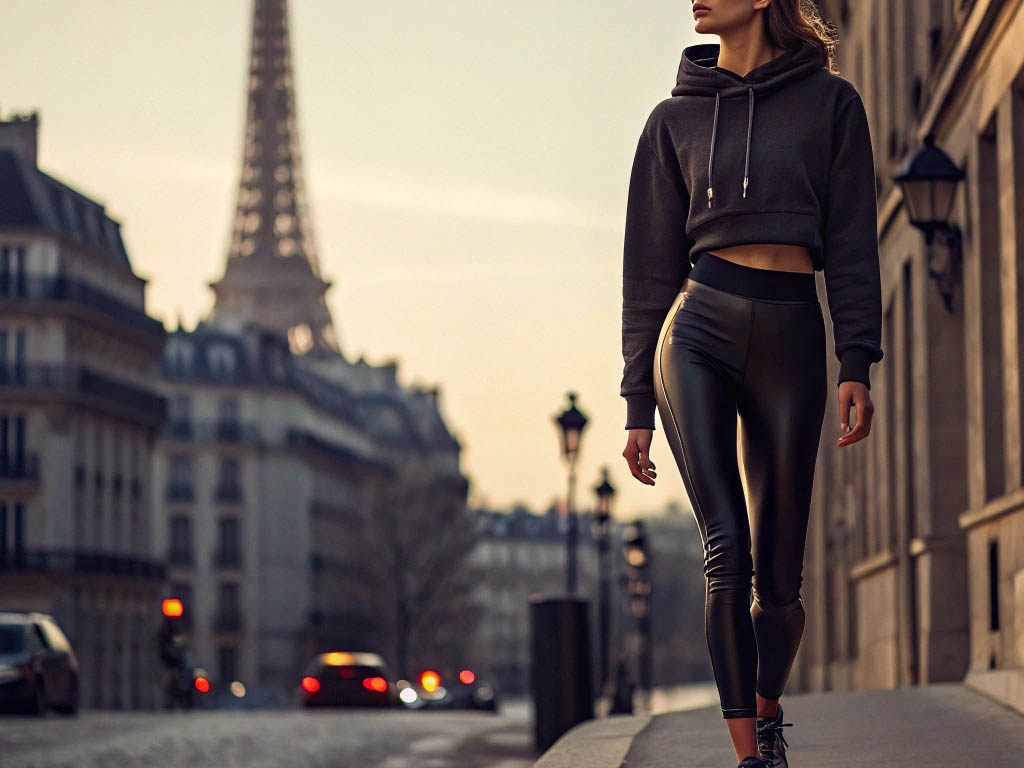
While Parisians are known for their chic style, athleisure is making its way into everyday fashion. French brands like Lacoste and Le Coq Sportif offer stylish yet sporty options.
Nordic countries prioritize comfort and sustainability, making brands like Röhnisch and Peak Performance popular among consumers.
Which brands are leading the athleisure movement in Europe?
European and global brands are competing to capture the growing athleisure market. Who are the key players?
Adidas, Nike, Lululemon, and European brands like Gymshark, Sweaty Betty, and Röhnisch are leading the athleisure movement in Europe. Each brand offers a mix of fashion, function, and sustainability.
Adidas: A heritage brand embracing athleisure
Adidas has successfully merged sportswear with street fashion, collaborating with designers like Stella McCartney and Kanye West.
Nike: A global athleisure powerhouse
Nike’s influence extends across Europe, with its stylish leggings, hoodies, and sneakers becoming wardrobe essentials.
Gymshark: The UK’s athleisure success story
Gymshark is one of the fastest-growing fitness brands, specializing in stylish, performance-driven activewear for young consumers.
This London-based brand offers high-quality, fashion-forward activewear designed for workouts and casual wear.
This Swedish brand focuses on stylish yet eco-friendly activewear, appealing to environmentally conscious consumers.
How does European athleisure differ from American athleisure?
Athleisure may be a global trend, but the European and American markets have distinct differences.
European athleisure leans towards understated, minimalist designs with a focus on sustainability, while American athleisure is often more bold, logo-driven, and performance-focused.

Style: Minimalist vs. bold
European brands prioritize neutral colors and sleek designs, while American brands often feature bright colors and oversized logos.
Sustainability: A key focus in Europe
European consumers are more eco-conscious, leading brands to invest in recycled fabrics and ethical production.
Functionality: Performance vs. casual
American athleisure brands emphasize high-performance fabrics, while European brands blend fashion and functionality for everyday wear.
What are the future trends in European athleisure?
Athleisure in Europe is evolving, and new trends are shaping the market. What’s next?
Sustainability, luxury athleisure3, and gender-neutral designs are driving the future of European athleisure. Consumers want stylish yet responsible fashion choices.
Sustainable and eco-friendly activewear
Brands are moving towards biodegradable fabrics, circular fashion, and ethical sourcing to reduce environmental impact.
The rise of luxury athleisure
Premium brands like Loro Piana and Moncler are entering the athleisure market, blending luxury with performance.
Gender-neutral and inclusive designs
Unisex collections and size-inclusive activewear are becoming more popular, reflecting changing consumer expectations.
Conclusion
Athleisure is a major trend in Europe, driven by a focus on wellness, sustainability, and changing fashion norms. While each country has its own take on the trend, European consumers are embracing stylish yet functional activewear for both fitness and everyday wear. As sustainability and innovation continue to shape the industry, European athleisure will only grow in popularity.
-
Explore this link to understand how athleisure is shaping European fashion and lifestyle trends. ↩
-
Discover insights on how sustainability is influencing athleisure brands in Europe, making fashion more responsible. ↩
-
Learn about the rise of luxury athleisure and how premium brands are redefining this market in Europe. ↩