Skip to content
Activewear is everywhere—from yoga pants to moisture-wicking T-shirts. But behind the stylish and functional designs, there’s a growing concern: Is activewear harming the environment?
Yes, activewear has a significant environmental impact. Most activewear is made from synthetic materials like polyester and nylon, which contribute to plastic pollution, carbon emissions, and waste. However, brands are working on more sustainable alternatives.
Understanding the environmental challenges of activewear can help consumers and businesses make better choices.
What makes activewear harmful to the environment?
Activewear is designed for performance, but its materials and production processes often have hidden environmental costs.
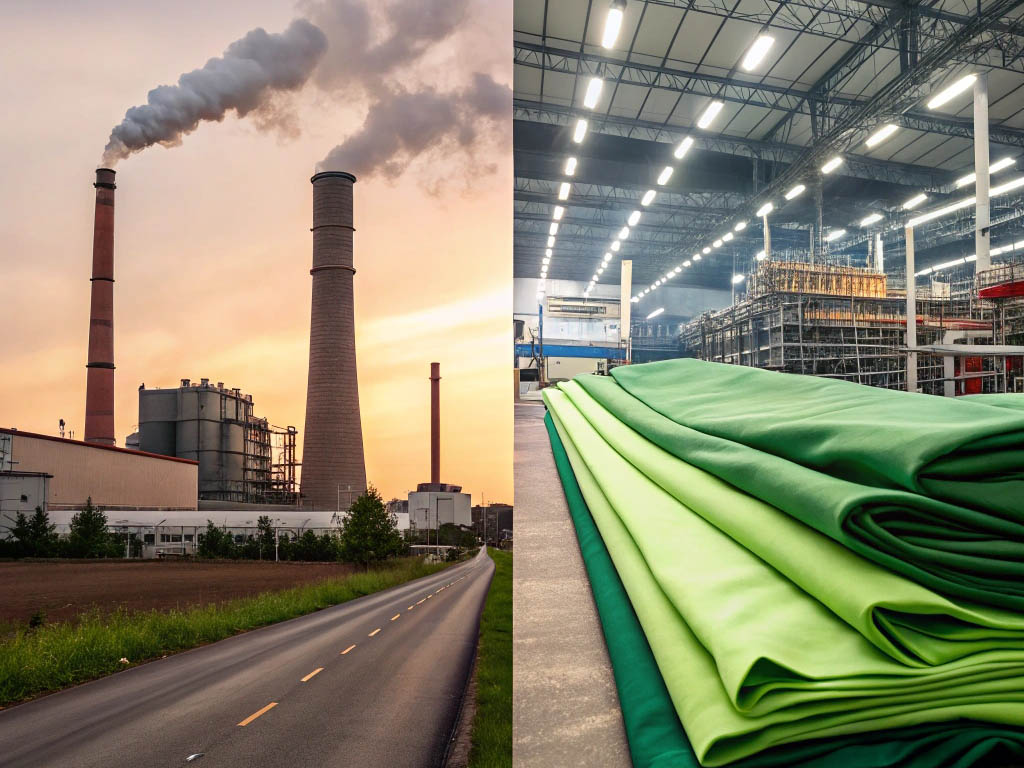
The main environmental issues with activewear include plastic-based fabrics, high carbon emissions, and waste from fast fashion trends.
Plastic-based fabrics
Most activewear is made from polyester, nylon, and spandex. These materials are derived from petroleum and contribute to microplastic pollution1.
High carbon emissions
The production of synthetic fabrics requires energy-intensive processes, leading to significant greenhouse gas emissions.
Fast fashion and waste
The rise of affordable activewear has led to overconsumption. Many low-quality items are discarded quickly, ending up in landfills.
How does activewear contribute to microplastic pollution?
Every time synthetic activewear is washed, it sheds tiny plastic fibers that enter waterways and oceans.
Microplastics from polyester and nylon fabrics are a major source of pollution, affecting marine life and entering the food chain.
How microplastics are released
- Washing synthetic fabrics causes fiber shedding
- These fibers are too small for wastewater treatment plants to filter out
- They accumulate in rivers, oceans, and even drinking water
The impact on marine ecosystems
- Fish and other marine animals ingest microplastics
- These plastics can carry toxic chemicals
- The pollution affects biodiversity and human health

Possible solutions
- Washing clothes in special microplastic-filtering bags
- Using washing machines with built-in fiber filters
- Supporting brands that develop alternative fabrics
Are sustainable alternatives available?
Many brands are working on eco-friendly alternatives to traditional activewear materials.
Sustainable activewear includes recycled fabrics2, biodegradable options, and plant-based fibers. These innovations help reduce environmental impact.
Recycled fabrics
- Brands like Adidas and Patagonia use recycled polyester from plastic bottles
- This reduces plastic waste and lowers energy use compared to virgin polyester
Biodegradable options
- Some companies are developing biodegradable synthetic fabrics that break down faster in landfills
- Examples include bio-nylon and plant-based elastane
Natural fiber alternatives
- Bamboo, organic cotton, and hemp are gaining popularity in activewear
- These materials are more sustainable but may lack the stretch and durability of synthetics
How can consumers make more sustainable choices?
Consumers play a big role in reducing the environmental impact of activewear.
By choosing eco-friendly brands, washing clothes responsibly, and supporting ethical production, consumers can help reduce waste and pollution.
Choosing sustainable brands
- Look for certifications like GRS (Global Recycled Standard) and Bluesign® approval
- Support brands committed to fair labor practices and eco-friendly production
Washing clothes responsibly
- Use cold water and wash less frequently to reduce microplastic shedding
- Air dry instead of using energy-intensive dryers
Extending product life
- Invest in high-quality activewear that lasts longer
- Repair and repurpose old activewear instead of throwing it away

What are brands doing to reduce their environmental impact?
Sportswear companies are under pressure to become more sustainable.
Leading brands are investing in recycled materials, water-saving processes, and ethical manufacturing to address environmental concerns.
Nike and Adidas’ sustainability efforts
- Nike’s Move to Zero initiative aims for carbon neutrality
- Adidas is increasing the use of recycled polyester and reducing water waste
Small brands leading innovation
- Girlfriend Collective makes leggings from recycled plastic bottles
- Pangaia creates bio-based activewear with algae and plant fibers
Challenges in scaling sustainability
- Sustainable fabrics often cost more to produce
- Performance and durability can be difficult to match with natural fibers
- Consumer demand for cheap activewear slows down industry-wide change
Conclusion
Activewear has a significant environmental impact due to synthetic materials, microplastic pollution, and waste. However, the industry is evolving. Consumers and brands must work together to promote sustainability through recycled fabrics, responsible washing, and long-lasting products. The future of activewear depends on innovation and conscious choices.