Skip to content
Ever grabbed a hoodie and instantly felt the difference in weight compared to others? Hoodie weight plays a significant role in its warmth, durability, and comfort. But when you see a 12 oz hoodie, you might wonder: is 12 oz considered heavy?
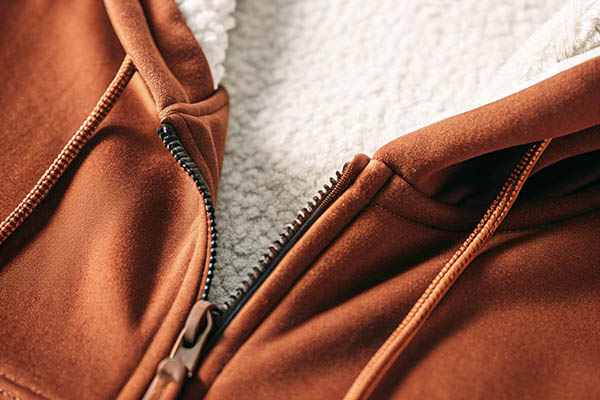
Yes, a 12 oz hoodie1 is considered heavyweight. Hoodies typically range from 6 oz to 14 oz, with 12 oz fabrics offering substantial thickness, warmth, and durability, making them ideal for colder weather and outdoor use.
But what makes a hoodie heavy, and how does a 12 oz hoodie compare to lighter options? Let’s break it down.
What does "12 oz" mean in hoodie weight?
If you’ve seen hoodie weights listed in ounces, you might be curious about what that actually measures.
"12 oz" refers to the fabric’s weight per square yard. Heavier fabrics contain more fibers, resulting in greater warmth, thickness, and durability.
How fabric weight is measured
There are two common measurements:
- Ounces per square yard (oz/yd²) – Used primarily in the United States.
- Grams per square meter (GSM) – Common internationally.
Conversion formula:
1 oz/yd² ≈ 33.91 GSM
So, a 12 oz hoodie corresponds to approximately 407 GSM, placing it firmly in the heavyweight category.
Hoodie weight categories
| Weight | Ounces (oz) | GSM Equivalent | Description |
|---|---|---|---|
| Lightweight | 6–8 oz | 200–270 GSM | Thin, breathable, ideal for layering. |
| Midweight | 8–10 oz | 270–340 GSM | Balanced warmth and comfort. |
| Heavyweight | 10–14 oz | 340–475 GSM | Thick, warm, and highly durable. |
A 12 oz hoodie sits near the higher end of the spectrum, offering substantial warmth and structure.
Why is 12 oz considered heavyweight for a hoodie?
What exactly makes a 12 oz hoodie "heavyweight"?
A 12 oz hoodie is considered heavyweight because of its dense, thick fabric, which provides more warmth and durability than lightweight or midweight options.
Let’s break down why.
1. Fiber density
Heavier fabrics contain more fibers per square yard, which increases fabric density.
- 6 oz hoodie: Loose-knit, less insulating.
- 12 oz hoodie: Tight-knit, heat-trapping fibers for better insulation.
Example:
A 6 oz hoodie feels more like a light sweatshirt, while a 12 oz hoodie offers warmth closer to a jacket.
2. Fabric thickness
Thicker fabrics naturally weigh more. A 12 oz hoodie feels thicker to the touch compared to an 8 oz hoodie.
- Thin fabric: Light drape, less structure.
- Thick fabric: Stiff, structured appearance.
Pro tip: Fold a hoodie and press it. A heavyweight hoodie resists folding more than a lightweight one.

3. Material composition
Material choice also affects perceived weight.
- 100% cotton: Feels heavy and breathable.
- Poly-cotton blend: Slightly lighter with added durability.
- Fleece: Can feel bulky without excessive weight.
Example:
A 12 oz cotton hoodie feels heavier than a 12 oz polyester hoodie due to cotton’s denser fibers.
How does a 12 oz hoodie compare to other hoodie weights?
If 12 oz is heavyweight, how does it stack up against lighter options?
A 12 oz hoodie is significantly heavier and warmer than lightweight and midweight alternatives, making it more suitable for cold weather or rugged use.
Weight comparison breakdown
| Hoodie Weight | Warmth Level | Durability | Typical Use |
|---|---|---|---|
| 6–8 oz | Low | Low | Warm climates, gym workouts |
| 8–10 oz | Moderate | Medium | Year-round casual wear |
| 10–12 oz | High | High | Cold weather, streetwear |
| 13–14 oz | Very high | Very high | Extreme cold, outdoor work |
Key differences in performance
- Lightweight hoodies: Ideal for layering or warmer months.
- Midweight hoodies: Versatile for most seasons.
- Heavyweight hoodies (like 12 oz): Provide insulation and durability, perfect for cold conditions.
Example:
A 12 oz hoodie feels closer to wearing a soft, insulated jacket, while an 8 oz hoodie resembles a thicker T-shirt.

What materials are commonly used in 12 oz hoodies?
Heavier hoodies rely on specific materials to maintain comfort and warmth.
Most 12 oz hoodies are made from cotton, fleece, or cotton-polyester blends. These materials offer the necessary density without compromising breathability.
Let’s break down the top contenders.
1. Cotton
- Weight: Naturally heavier due to dense fibers.
- Feel: Soft, breathable, moisture-absorbent.
- Best for: Casual wear and streetwear.
Example: A 12 oz 100% cotton hoodie feels solid but breathable, making it perfect for layering.
2. Fleece (cotton or polyester)
- Weight: Brushed interior adds thickness without excessive bulk.
- Feel: Soft, insulating, and cozy.
- Best for: Winter wear and lounging.
Example: A 12 oz cotton fleece hoodie feels warmer than a smooth 12 oz cotton hoodie due to the raised interior fibers.
3. Cotton-polyester blends
- Weight: Balanced, depending on the blend ratio.
- Feel: Softer than pure polyester, more durable than cotton.
- Best for: Activewear and long-term durability.
Popular blend: 80% cotton / 20% polyester—offering heavyweight warmth with reduced shrinkage.
Material comparison table
| Material | Weight Feel | Breathability | Durability | Warmth |
|---|---|---|---|---|
| 100% Cotton | Heavy | High | Moderate | High |
| Polyester Fleece | Medium | Low | High | High |
| Cotton-Poly Blend | Moderate | Medium | High | Medium-High |
Pro tip: For a hoodie that’s both heavyweight and breathable, go for a cotton-poly blend with a brushed fleece interior.
What are the benefits of choosing a 12 oz hoodie?
So, why opt for a heavier hoodie?
A 12 oz hoodie offers superior warmth, durability, and structure compared to lighter options, making it ideal for cold climates and long-term wear.
Let’s explore these benefits in more detail.
1. Exceptional warmth
The dense, thick fabric traps body heat, making it perfect for winter or outdoor activities.
- Benefit: Stay warm without needing extra layers.
- Use case: Ideal for cold commutes or outdoor work.
2. Long-lasting durability
Thicker fabric withstands wear and tear better than lightweight alternatives.
- Benefit: Less pilling and fewer tears.
- Use case: Great for workwear or everyday streetwear.
3. Structured, stylish appearance
Heavyweight hoodies maintain their shape better, giving a more premium look.
- Benefit: Clean lines and a tailored appearance.
- Use case: Perfect for branded merchandise or high-end fashion.
4. Better insulation for outdoor use
Whether you’re hiking or working outside, a 12 oz hoodie provides reliable insulation.
- Benefit: Warmth without excessive layering.
- Use case: Outdoor workers and winter sports enthusiasts benefit most.
Pro tip: Choose hoodies with ribbed cuffs and waistbands to trap warmth more effectively.
When might a 12 oz hoodie not be the best choice?
While heavyweight hoodies2 have their perks, they’re not for everyone.
A 12 oz hoodie might feel too warm for indoor or summer use and may limit mobility during physical activity.
Situations where lighter hoodies work better
| Scenario | Better Choice | Reason |
|---|---|---|
| Gym workouts | 6–8 oz hoodie | Lightweight and breathable. |
| Warm climates | 6–8 oz hoodie | Less insulation, more airflow. |
| Layering under jackets | 8–10 oz hoodie | Adds warmth without bulk. |
Key takeaway: If you prioritize comfort in mild weather, stick to lightweight or midweight options.
How to care for a 12 oz hoodie to maintain its weight and quality?
Heavyweight hoodies require proper care to maintain their structure and performance.
To maintain a 12 oz hoodie’s quality, wash it in cold water, avoid high heat when drying, and store it properly to prevent fabric damage.
Care tips:
- Wash in cold water: Hot water breaks down fibers.
- Avoid harsh detergents: Use mild, fabric-safe detergents.
- Air-dry or low-heat dry: High heat causes shrinkage and weakens stitching.
- Store folded: Hanging heavyweight hoodies can stretch the shoulders.
Pro tip: Turn hoodies inside out before washing to reduce pilling and color fading.
Conclusion
A 12 oz hoodie is undeniably heavyweight, offering thick fabric, warmth, and long-term durability. With a GSM of roughly 407, it stands out from lighter and midweight options, making it ideal for cold weather and outdoor use. While the weight might feel excessive in mild conditions, its structure, comfort, and insulation make it a favorite for high-quality streetwear and workwear alike.