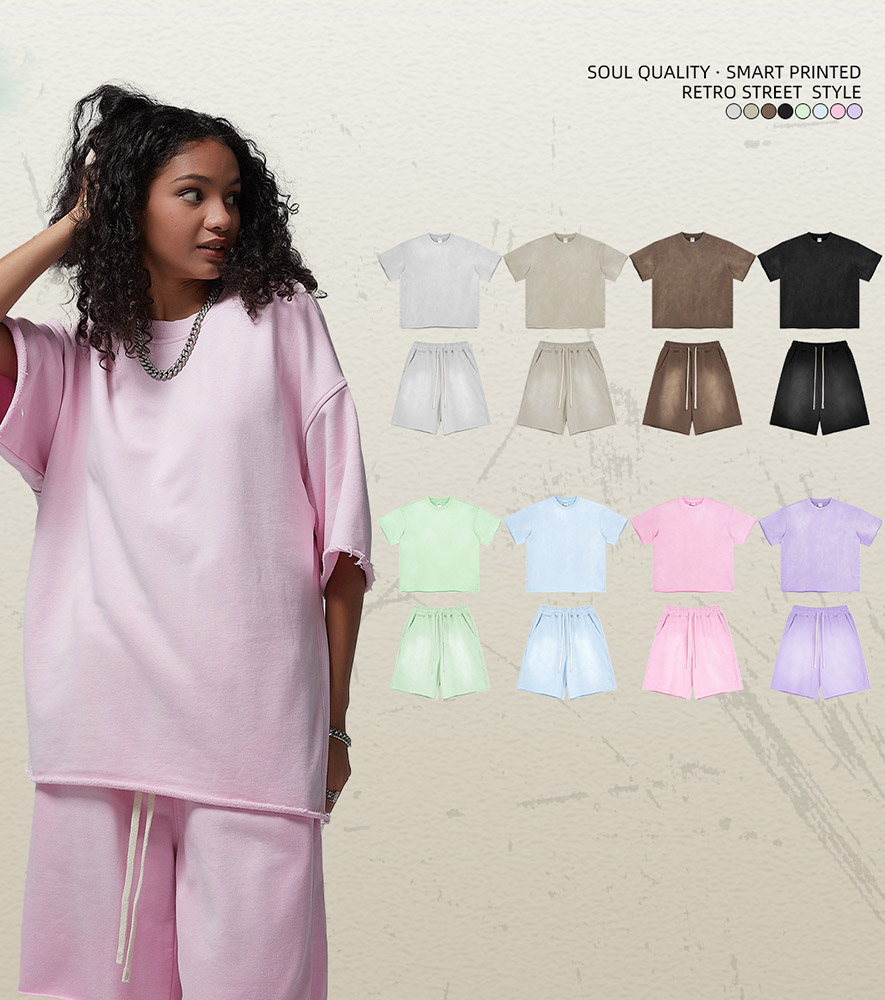
As the popularity of hoodies continues to rise, manufacturers are constantly striving to meet the demands of consumers looking for unique, high-quality garments. From the materials used to the techniques employed, the hoodie manufacturing industry is embracing innovation to stay ahead of the latest trends.
In this article, we will explore the cutting-edge techniques and materials being used in hoodie manufacturing today. From sustainable fabrics to advanced printing methods, brands are pushing the boundaries of design and functionality. With an emphasis on comfort, style, and durability, these innovations are transforming the humble hoodie into a must-have fashion statement.

Join us as we delve into the world of hoodie manufacturing and discover how brands are staying ahead of the curve. Whether you’re a fashion enthusiast or a savvy consumer, this article will provide valuable insights into the latest trends and techniques shaping the industry.
Get ready to explore the exciting innovations in hoodie manufacturing that are revolutionizing the way we dress and express ourselves.
Evolution of hoodie manufacturing techniques
The hoodie has come a long way since its humble beginnings as a practical garment worn by athletes and laborers. Over the years, manufacturers have developed and refined various techniques to enhance the comfort, functionality, and style of hoodies.
In the early days, hoodies were primarily made using basic sewing techniques and standard fabrics such as cotton and polyester. However, as consumer demands evolved, manufacturers began experimenting with different production methods, resulting in the emergence of innovative techniques such as seamless knitting and laser cutting.
Seamless knitting, for example, allows for the creation of hoodies without the need for seams, resulting in a smoother and more comfortable fit. Laser cutting, on the other hand, enables precise and intricate designs to be incorporated into hoodies, adding a touch of uniqueness and creativity.
These advancements in manufacturing techniques have not only improved the overall quality of hoodies but have also opened up a world of possibilities for designers and brands to showcase their creativity and craftsmanship.
Latest trends in hoodie manufacturing
The world of fashion is constantly evolving, and hoodies are no exception. Designers and manufacturers are always on the lookout for the latest trends and techniques to stay ahead of the competition and cater to the ever-changing demands of consumers.
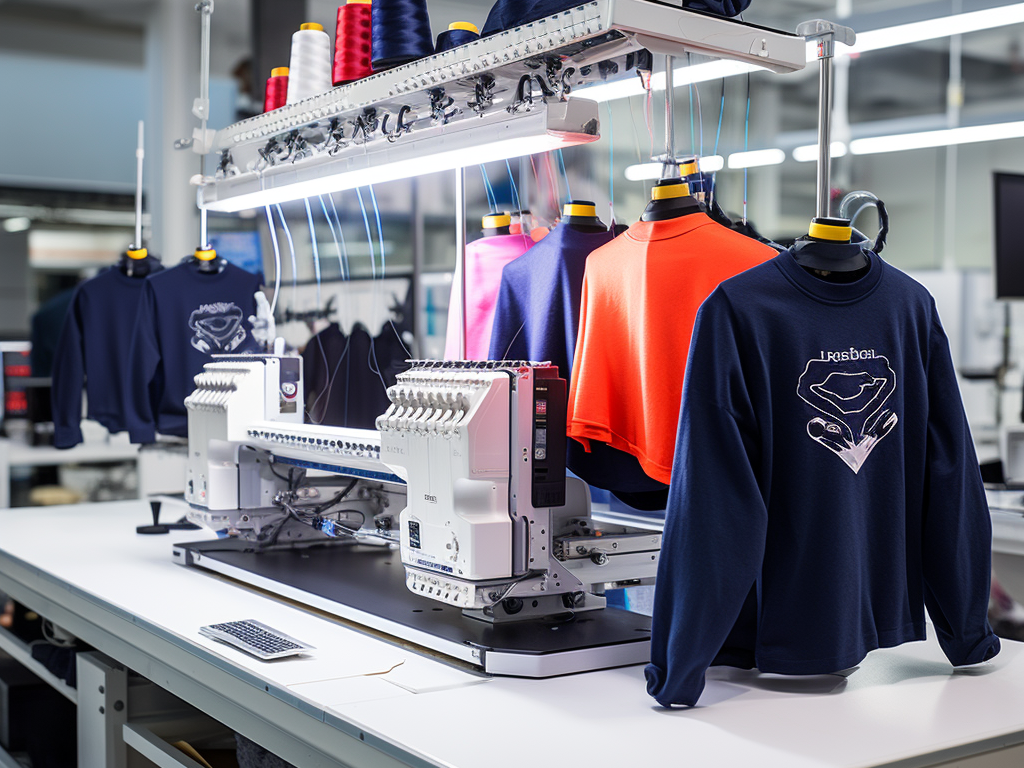
One of the key trends in hoodie manufacturing is the incorporation of sustainable practices. With increasing awareness about environmental issues, brands are now focusing on using eco-friendly materials and adopting sustainable production processes. This includes using organic cotton, recycled polyester, and natural dyes to create hoodies that are not only fashionable but also environmentally conscious.
Another popular trend is the integration of technology into hoodies. Brands are now incorporating features such as built-in speakers, wireless charging capabilities, and even temperature control systems. These technological advancements not only enhance the functionality of hoodies but also add a touch of futuristic appeal.
Additionally, customization options have become increasingly popular among consumers. Brands are offering personalized hoodies that can be customized with unique designs, logos, and even individual names. This allows consumers to express their creativity and individuality, making their hoodie truly one-of-a-kind.
Sustainable practices in hoodie manufacturing
With sustainability being a growing concern, brands in the hoodie manufacturing industry are stepping up their efforts to reduce their environmental impact. From the choice of materials to the production processes, sustainability is now a key focus area for many manufacturers.
One of the ways brands are incorporating sustainability into hoodie manufacturing is by using organic and recycled materials. Organic cotton, for example, is grown without the use of harmful pesticides and chemicals, making it a more environmentally friendly option. Recycled polyester, on the other hand, is made from recycled plastic bottles, reducing the need for virgin materials.
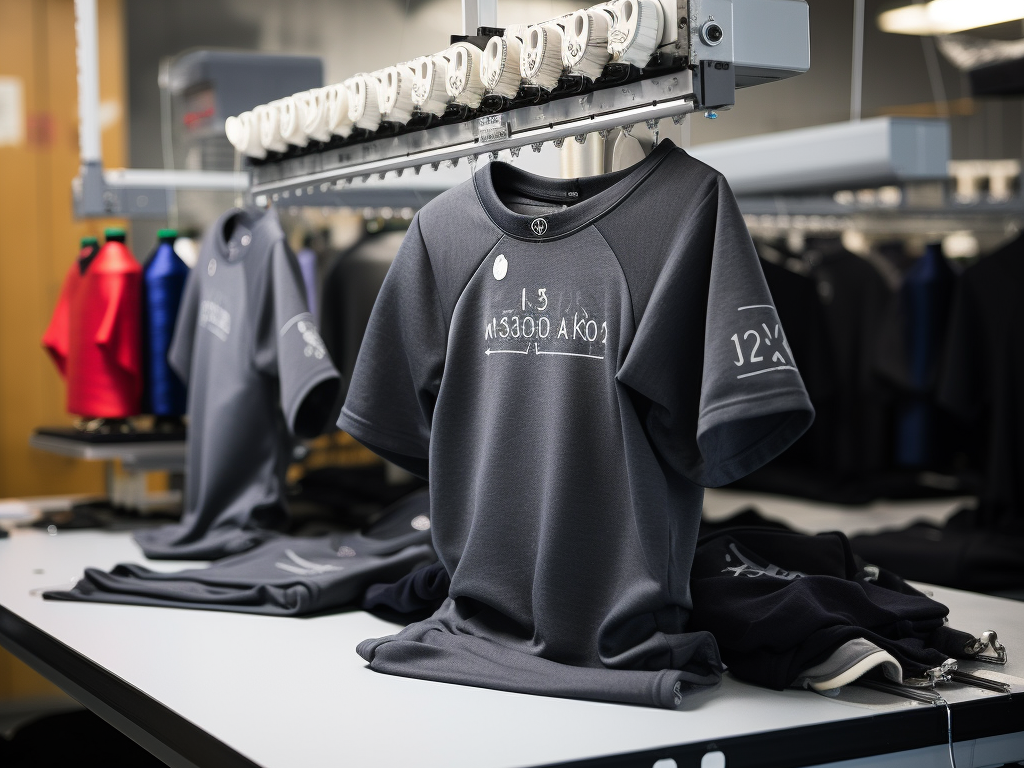
In addition to the materials used, brands are also adopting eco-friendly production processes. This includes implementing water-saving techniques, reducing energy consumption, and minimizing waste. By embracing sustainable practices, brands are not only reducing their environmental impact but also appealing to consumers who prioritize ethical and eco-conscious fashion choices.
Innovative materials used in hoodie manufacturing
To create hoodies that are stylish, comfortable, and durable, manufacturers are constantly exploring new materials and fabrics. From high-performance synthetic blends to natural fibers, the possibilities are endless when it comes to choosing the right materials for hoodie production.
One innovative material that has gained popularity in recent years is bamboo fabric. Bamboo is known for its softness, breathability, and moisture-wicking properties, making it an ideal choice for hoodies. It is also a sustainable material, as bamboo is fast-growing and requires minimal water and pesticides.
Another material that is revolutionizing hoodie manufacturing is recycled polyester. Made from recycled plastic bottles, recycled polyester offers the same performance and durability as traditional polyester but with a significantly reduced environmental impact. It is a great example of how innovation can transform waste into a valuable resource.
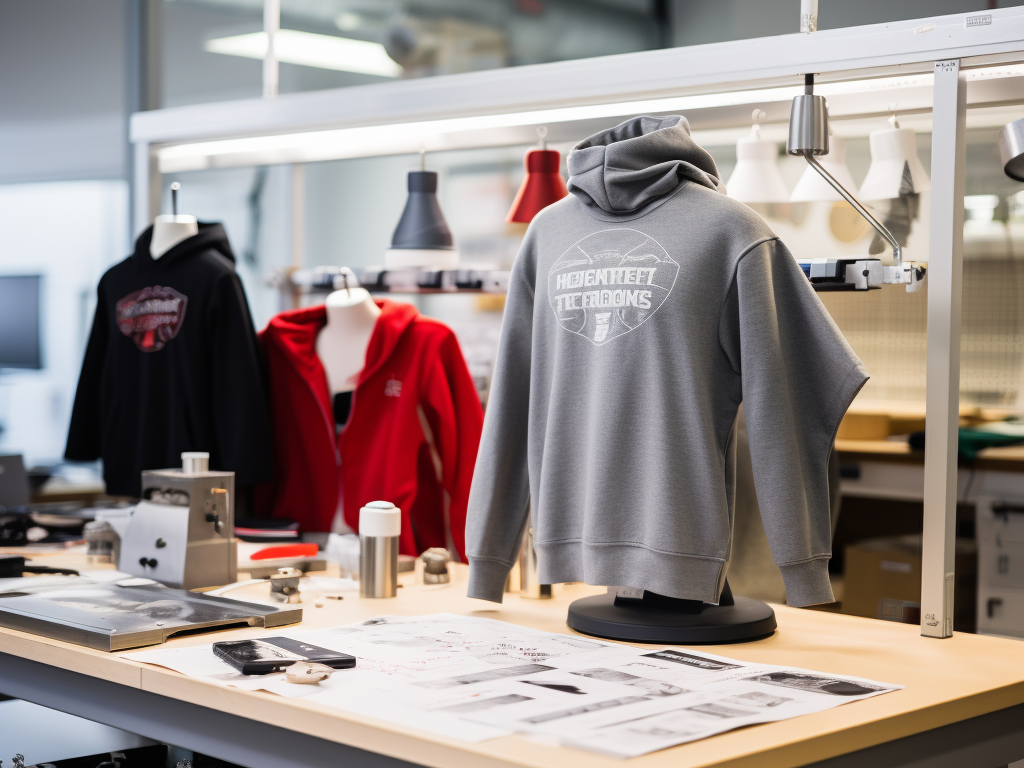
Brands are also experimenting with advanced synthetic blends that offer enhanced stretch, moisture-wicking, and insulation properties. These materials are designed to provide maximum comfort and performance, making hoodies suitable for a wide range of activities and climates.
Customization options for hoodies
Personalization has become a major trend in the fashion industry, and hoodies are no exception. Brands are now offering a wide range of customization options, allowing consumers to create hoodies that reflect their personal style and preferences.
One popular customization option is the ability to choose from a variety of colors and designs. Brands are offering an extensive color palette, allowing consumers to select their preferred shade for the hoodie. Additionally, brands are collaborating with artists and designers to create unique prints and patterns that can be applied to the hoodies.
Another customization option is the ability to add personalized text or graphics to the hoodie. This can be done through embroidery, screen printing, or heat transfer methods. Consumers can choose to have their name, logo, or any other design element added to the hoodie, making it truly their own.
Hoodie manufacturing process
The hoodie manufacturing process involves several stages, each contributing to the final product’s quality and design. From design conceptualization to packaging, every step requires careful attention to detail and precision.
The first stage is design conceptualization, where designers create sketches and digital renderings of the hoodie. This is followed by pattern making, where the dimensions and shape of the hoodie are determined. Once the pattern is finalized, it is used to cut the fabric, which is then sewn together to create the basic structure of the hoodie.
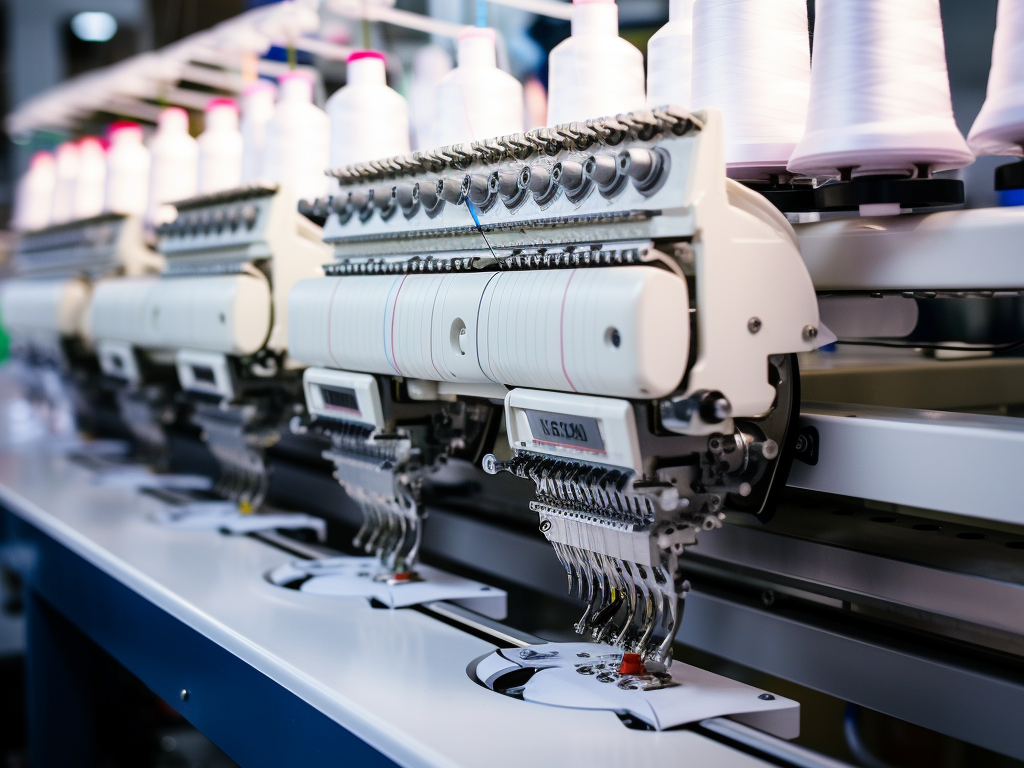
After the basic structure is complete, the hoodie goes through a series of finishing processes, such as adding trims, attaching the hood, and sewing in pockets. Once all the components are in place, the hoodie undergoes quality control checks to ensure that it meets the brand’s standards.
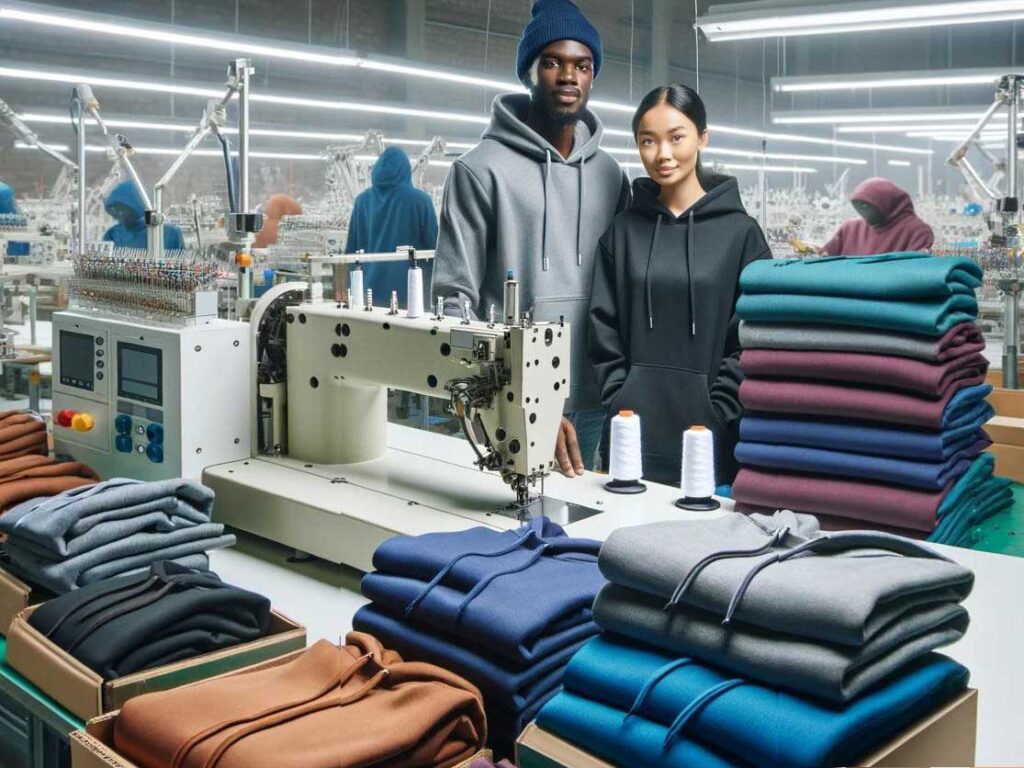
The final stage of the manufacturing process is packaging, where the hoodies are folded, tagged, and prepared for shipment. This involves labeling, sizing, and packaging the hoodies in a way that protects them during transit.
Key players in the hoodie manufacturing industry
The hoodie manufacturing industry is home to several key players who are at the forefront of innovation and design. These brands have built a reputation for producing high-quality hoodies that are both stylish and functional.
One such key player is Nike, known for its innovative designs and use of cutting-edge materials. Nike’s hoodies are renowned for their comfort, performance, and sleek aesthetics. The brand constantly pushes the boundaries of design and technology to create hoodies that are ahead of the curve.
Another key player in the industry is Adidas, which combines style and functionality to create hoodies that appeal to athletes and fashion enthusiasts alike. Adidas is known for its commitment to sustainability, with a range of hoodies made from recycled materials.
Other notable players in the hoodie manufacturing industry include Puma, Under Armour, and The North Face. Each brand brings its unique approach to hoodie production, incorporating innovative techniques and materials to create garments that meet the diverse needs of consumers.
Challenges and opportunities in hoodie manufacturing
While the hoodie manufacturing industry is experiencing significant growth and innovation, it also faces its fair share of challenges and opportunities.
One of the main challenges is the need to balance cost-effective production with high-quality standards. As consumer expectations continue to rise, brands must find ways to optimize their manufacturing processes without compromising on the quality and durability of their hoodies.
Another challenge is the rising competition in the market. With more brands entering the hoodie manufacturing industry, it becomes crucial for established players to differentiate themselves through innovative designs, superior quality, and sustainable practices.
However, with challenges come opportunities. The increasing demand for sustainable and eco-friendly products presents a significant opportunity for brands to attract environmentally conscious consumers. By adopting sustainable practices and offering eco-friendly hoodies, brands can tap into this growing market segment.
Furthermore, the rise of e-commerce has opened up new avenues for hoodie manufacturers to reach a global audience. Online platforms provide brands with the opportunity to showcase their products to a wide range of consumers and expand their reach beyond traditional retail channels.
Conclusion: The future of hoodie manufacturing
As we have explored in this article, the hoodie manufacturing industry is undergoing a period of rapid innovation and transformation. From the evolution of manufacturing techniques to the incorporation of sustainable practices and innovative materials, brands are reshaping the way hoodies are designed, produced, and consumed.

The future of hoodie manufacturing looks promising, with brands embracing technology, sustainability, and customization to meet the ever-changing demands of consumers. As the popularity of hoodies continues to soar, manufacturers will continue to push the boundaries of design, comfort, and functionality.
Whether you’re a fashion enthusiast or a consumer looking for the latest trends, it’s an exciting time to be part of the hoodie revolution. Stay tuned as the world of hoodie manufacturing continues to evolve, bringing us even more innovative and stylish garments that redefine the way we dress and express ourselves.