Skip to content
Submitting clothing designs to a manufacturer is a key step in bringing your apparel ideas to life. Whether you’re launching a new fashion line or expanding an existing one, working with a manufacturer requires careful preparation and clear communication. To ensure your designs are executed as envisioned, you need to provide detailed materials and build a solid partnership with the manufacturer.
To submit clothing designs to a manufacturer, you need clear technical documents, samples, and a professional approach to establish trust and ensure accurate production.
In this article, we’ll cover what you need to send to a clothing manufacturer, how to establish a partnership, and tips for a successful collaboration.
What do you need to send a clothing manufacturer?
When submitting clothing designs, the more detailed and precise your materials are, the smoother the manufacturing process will be.
To submit your designs to a manufacturer, you need a tech pack1, fabric and trim details, and if possible, a prototype or sample of your design.
1. A Detailed Tech Pack
A tech pack1 is an essential document that acts as the blueprint for your design.
-
What to Include in a Tech Pack:
- Design Sketches: Clear, detailed drawings of your clothing from multiple angles (front, back, side).
- Measurements: Include a size chart with precise measurements for each size you plan to produce.
- Fabric Details: Specify the type of fabric, weight, and composition (e.g., 100% cotton, polyester blend).
- Trims and Accessories: Mention zippers, buttons, labels, or any other components used in the design.
- Construction Details: Provide instructions for stitching, hemming, or finishing techniques.
- Pantone Colors: Use standardized color codes to avoid misunderstandings.
-
Why It’s Important:
- A tech pack minimizes errors and miscommunication, ensuring the manufacturer can accurately replicate your vision. For guidance on creating a detailed tech pack, see how to prepare a tech pack2.
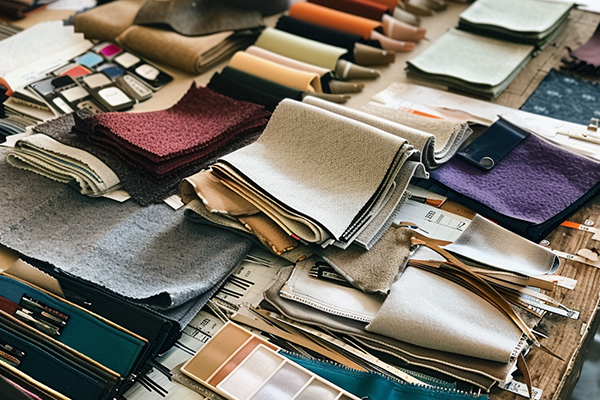
2. Fabric and Trim Samples
- Fabric Swatches: Send small pieces of the fabric you want to use. This helps the manufacturer source similar materials or confirm they can work with your provided fabric.
- Trim Samples: Include buttons, zippers, or any other trims so the manufacturer can match them.
- Importance:
- Providing physical samples ensures accuracy in sourcing and assembly. Learn more about the importance of fabric and trim samples3.
3. Prototypes or Samples
- Why Samples Matter:
- If you already have a handmade or digitally-produced sample, send it to the manufacturer. It provides a physical reference, which is particularly useful for complex designs.
| Material | Purpose |
|---|---|
| Tech Pack | Provides detailed design instructions |
| Fabric/Trim Samples | Ensures accurate sourcing and assembly |
| Prototypes | Acts as a physical reference |
Submitting detailed materials reduces production errors and ensures your designs are accurately realized.
How to partner with a clothing manufacturer?
Choosing and building a relationship with the right manufacturer is crucial for the success of your clothing line.
To partner with a clothing manufacturer, research their capabilities4, establish clear communication, and build trust through contracts and trial orders.

Step 1: Research Potential Manufacturers
-
Define Your Needs
- Determine whether you need a manufacturer for small-batch production, mass production, or custom designs.
-
Where to Find Manufacturers
- Trade Platforms: Websites like Alibaba, Maker’s Row, or IndiaMART.
- Trade Shows: Events like Texworld or Magic Las Vegas connect you with manufacturers.
- Local Factories: Small local manufacturers may offer better communication and lower shipping costs.
-
Evaluate Their Expertise
- Check if they specialize in the type of clothing you’re producing (e.g., activewear, formalwear).
- Review their portfolio or request samples of previous work.
Step 2: Initiate Contact
-
Professional Outreach
- Send a well-written email introducing your brand, outlining your project, and attaching your tech pack.
- Be concise but clear about your expectations, such as lead times, pricing, and minimum order quantities (MOQs).
-
Ask Questions
- Examples:
- Can they handle your desired fabric and trims?
- What is their production timeline?
- Are there hidden costs, like pattern-making or sample fees?
- Examples:
-
Assess Responsiveness
- Manufacturers who respond promptly and ask detailed questions are more likely to be reliable partners.
Step 3: Request a Sample Run
- Why It’s Important:
- A sample run allows you to assess the quality of their work before committing to larger orders.
- What to Look For:
- Quality of stitching, fabric accuracy, and adherence to design specifications.
Step 4: Establish a Contract
-
Key Elements of the Contract:
- Payment terms (e.g., deposits, full payment deadlines).
- Lead times and delivery schedules.
- Intellectual property rights to protect your designs.
- For more information, see how to establish a contract with a clothing manufacturer5.
-
Discuss Communication
- Agree on communication channels (email, video calls) and regular progress updates.

Step 5: Build a Long-Term Relationship
-
Trust and Transparency
- Pay invoices on time and provide constructive feedback on samples or final products.
-
Repeat Business
- Long-term partnerships often result in better pricing, improved efficiency, and more reliable service.
| Step | Why It’s Important |
|---|---|
| Research Manufacturers | Finds the best fit for your needs |
| Professional Outreach | Sets the tone for the partnership |
| Sample Run | Evaluates quality before scaling |
| Contract Agreement | Protects both parties |
| Long-Term Relationship | Ensures reliable production |
Forming a solid partnership with a manufacturer is the foundation of a successful clothing line.
Tips for Submitting Designs and Managing Production
-
Be Clear and Specific
- The more detailed your submission materials, the fewer misunderstandings will arise during production.
-
Start Small
- Begin with a small order or sample run to test the manufacturer’s quality and reliability.
-
Maintain Open Communication
- Check in regularly with the manufacturer to address questions or challenges promptly.
-
Stay Organized
- Keep all communication, contracts, and design files in one place for easy reference.
-
Plan Ahead
- Allow extra time in your production schedule for sampling, revisions, or unexpected delays.
Conclusion
Submitting clothing designs to a manufacturer requires detailed preparation and clear communication. A comprehensive tech pack, fabric samples, and prototypes are essential for ensuring your designs are accurately produced. Partnering with a manufacturer involves researching potential partners4, establishing trust through professional outreach and contracts, and starting with a sample run to verify quality. By following these steps, you can build a strong partnership that ensures your clothing line is produced to the highest standards while staying aligned with your vision.
-
Learn about the importance of tech packs for manufacturers. ↩ ↩
-
Understand how to prepare a detailed tech pack. ↩
-
Discover why samples are crucial for accurate production. ↩
-
Find out how to select the right manufacturer for your needs. ↩ ↩
-
Learn key elements of contracts in manufacturing partnerships. ↩