A cotton/polyester hoodie offers comfort, durability, and versatility, but one common issue many face is shedding. This occurs when small fibers loosen from the fabric, leaving lint or fuzz on other clothing, furniture, or skin. While shedding is frustrating, it’s often manageable with the right care techniques.
To stop a cotton/polyester hoodie from shedding, you can use proper washing techniques, fabric treatments, and lint removal tools. Choosing high-quality blends and taking preventative measures can significantly reduce shedding over time.
In this article, we’ll explore why hoodies shed, the best methods to reduce shedding, and long-term strategies to maintain your hoodie’s quality.
Why do cotton/polyester hoodies shed?
Shedding occurs when loose fibers break free from the fabric surface, which is more common in blended fabrics like cotton/polyester. The reasons behind this include:
1. Fiber composition
- Cotton: Natural cotton fibers are soft but shorter, making them prone to loosening.
- Polyester: While durable, synthetic polyester fibers can exacerbate shedding when mixed with cotton.
2. Fabric weave
Loosely woven or brushed fabrics, like fleece-lined hoodies, are more likely to shed because of exposed fibers.
3. Manufacturing process
Low-quality blends or poorly finished fabrics often have more loose fibers, increasing shedding.
How to stop a cotton/polyester hoodie from shedding?
How to stop shedding in cotton/polyester hoodies1
Shedding may seem unavoidable at first, but there are effective ways to minimize it. Here’s how:

1. Wash the hoodie properly
Washing is a critical step in reducing shedding. Improper washing techniques can worsen the problem by loosening fibers further.
Tips for washing:
- Use a gentle cycle: Reduces friction that can dislodge fibers.
- Turn the hoodie inside out: Protects the outer surface from direct abrasion.
- Cold water wash: Prevents fabric shrinkage and loosening of fibers.
- Add a fabric softener: Helps smooth fibers and reduce shedding.
2. Dry with care
Drying methods can significantly impact how much a hoodie sheds.
Tips for drying:
- Air dry: Avoids the harsh tumbling action of a dryer, which can loosen fibers.
- Low-heat dryer setting: If you must use a dryer, opt for a low or no-heat setting.
- Use dryer sheets: These reduce static, helping fibers lay flat and shed less.
3. Use a lint roller or fabric shaver
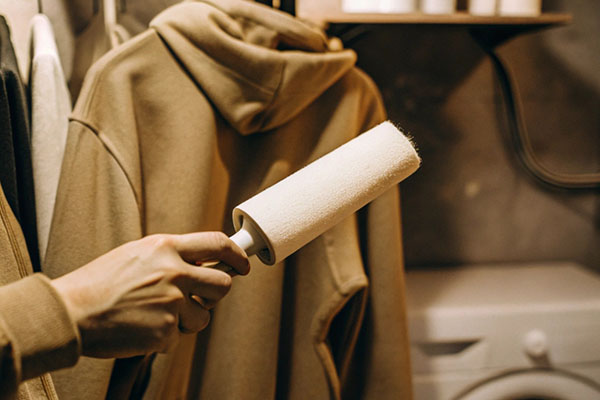
For hoodies that have already started shedding, tools like lint rollers or fabric shavers can remove loose fibers and improve the hoodie’s appearance.
How to use:
- Lint roller: Roll gently over the hoodie’s surface to collect lint and fibers.
- Fabric shaver: Carefully glide the shaver over the fabric to remove pills and fuzz.
Pro Tip: Use these tools regularly to prevent shedding from worsening.
4. Wash with similar fabrics
Avoid washing your hoodie with rough or lint-attracting materials, such as towels or fleece. These can worsen shedding by increasing friction.
5. Pre-wash before wearing
Best pre-wash tips for removing loose fibers from clothing2
New cotton/polyester hoodies often have residual loose fibers from manufacturing. Pre-washing can remove many of these fibers before you wear the garment.
Steps for pre-washing:
- Soak the hoodie in cold water with a small amount of detergent.
- Rinse thoroughly and air dry.
- Repeat if necessary to remove excess fibers.

Long-term strategies to prevent shedding
Reducing shedding isn’t just about short-term fixes—it also requires maintaining the hoodie properly over time.
1. Choose high-quality hoodies
Investing in well-made hoodies with tighter weaves and higher-quality fabric blends can minimize shedding. Look for brands that prioritize fabric durability and finish.
2. Apply anti-shedding treatments
Anti-shedding fabric finishes and treatments3
Fabric sprays or conditioners designed to reduce shedding can help seal fibers and reduce lint over time.
3. Limit friction during wear
How to avoid friction on cotton hoodies4
Shedding often happens in high-friction areas, like underarms or side seams. Reduce friction by layering with a smooth base layer or avoiding rough outerwear.
4. Avoid over-washing
Frequent washing can weaken fibers and increase shedding. Wash your hoodie only when necessary to maintain its longevity.
How to deal with lint transfer from shedding hoodies?
Even with preventative measures, some shedding may still occur. Managing lint transfer can help keep other clothing and surfaces clean.
1. Use a lint brush
Keep a lint brush handy for quick touch-ups on clothing that comes into contact with your hoodie.
2. Separate laundry loads
Wash shedding-prone hoodies separately from lint-attracting fabrics like fleece, velvet, or wool.
3. Store properly
Storage methods to prevent lint transfer5
Fold and store your hoodie in a dedicated drawer or shelf to prevent fibers from transferring to other garments.
Why do some hoodies shed more than others?
Not all hoodies are created equal. The quality of the fabric blend, manufacturing process, and even brand reputation can affect how much a hoodie sheds.
| Factor | Impact on Shedding |
|---|---|
| Fabric quality | Higher-quality fabrics shed less due to better construction. |
| Fiber length | Longer fibers reduce shedding by staying anchored in the weave. |
| Finishing processes | Treated fabrics, like anti-pill finishes, shed less. |
Pro Tip: Research reviews and product details before purchasing to ensure minimal shedding.
When should you replace a shedding hoodie?
While shedding can often be managed, there are times when replacing the hoodie may be the best option. Signs it’s time for a new one include:
- Persistent shedding despite proper care.
- Noticeable thinning or damage to the fabric.
- Frustration with maintaining the garment.
Conclusion
Shedding is a common issue with cotton/polyester hoodies, but it doesn’t have to ruin your favorite garment. By washing carefully, using tools like lint rollers, and choosing high-quality hoodies, you can significantly reduce shedding and extend your hoodie’s life. With a few proactive steps, you’ll keep your hoodie looking fresh, comfortable, and free from excessive lint.
-
Discover key techniques to minimize lint and fuzz on blended hoodies. ↩
-
Learn how to prepare new garments to reduce shedding before first wear. ↩
-
Understand available sprays and conditioners that help seal fibers and reduce shedding. ↩
-
Explore strategies to minimize constant rubbing on high-friction areas. ↩
-
Find efficient ways to organize and separate shedding-prone items in your wardrobe. ↩