Skip to content
When I first launched my apparel line, T-shirts were my entry point. But choosing the right manufacturer? That felt like navigating a maze blindfolded. With so many options online, the risk of picking the wrong partner was real.
To find the best T-shirt manufacturers, focus on their quality standards, production experience, material expertise, and ability to support branding and design. Certifications and low MOQ1 policies also matter, especially for new brands.
After sourcing from both local and overseas suppliers, I learned what truly separates good from great. Let me show you what to look for—so you can avoid costly mistakes.
What Should You Know Before Choosing a T-Shirt Manufacturer?
Before you dive in, you need to understand how the factory will affect your product quality, delivery time, and brand image.
The right T-shirt manufacturer should offer strong fabric knowledge, quality control2, responsive sampling, and be certified for ethical and safe production.
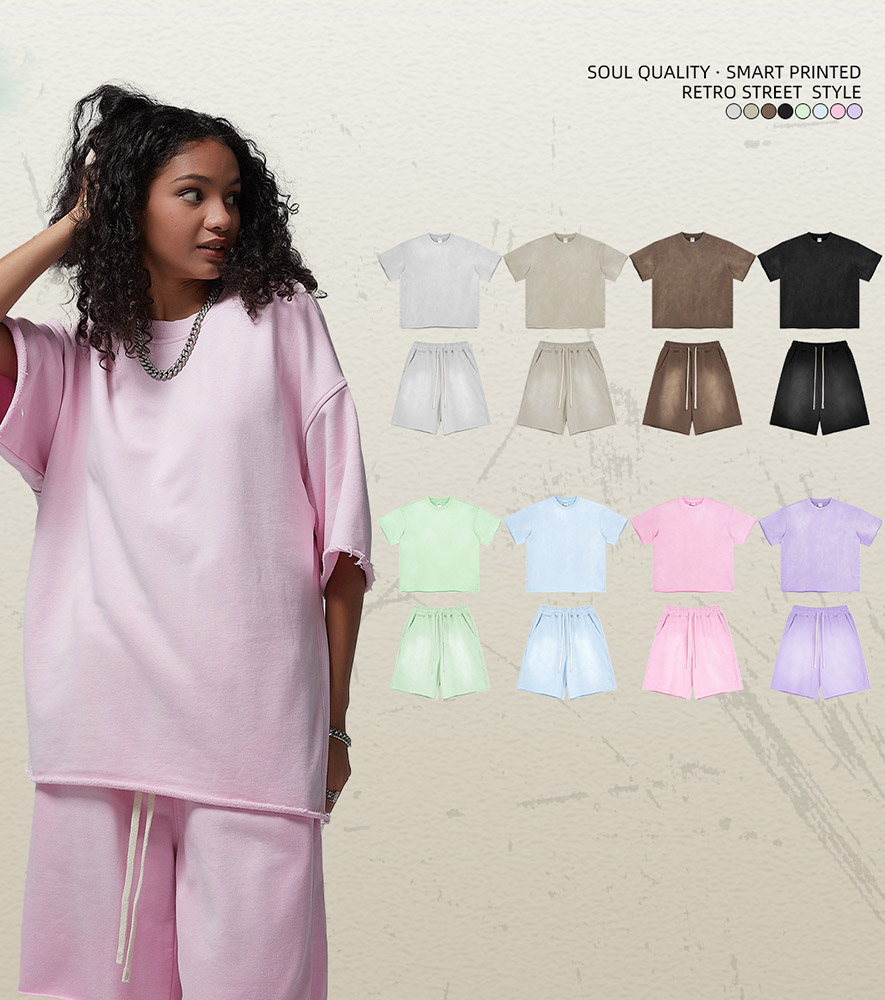
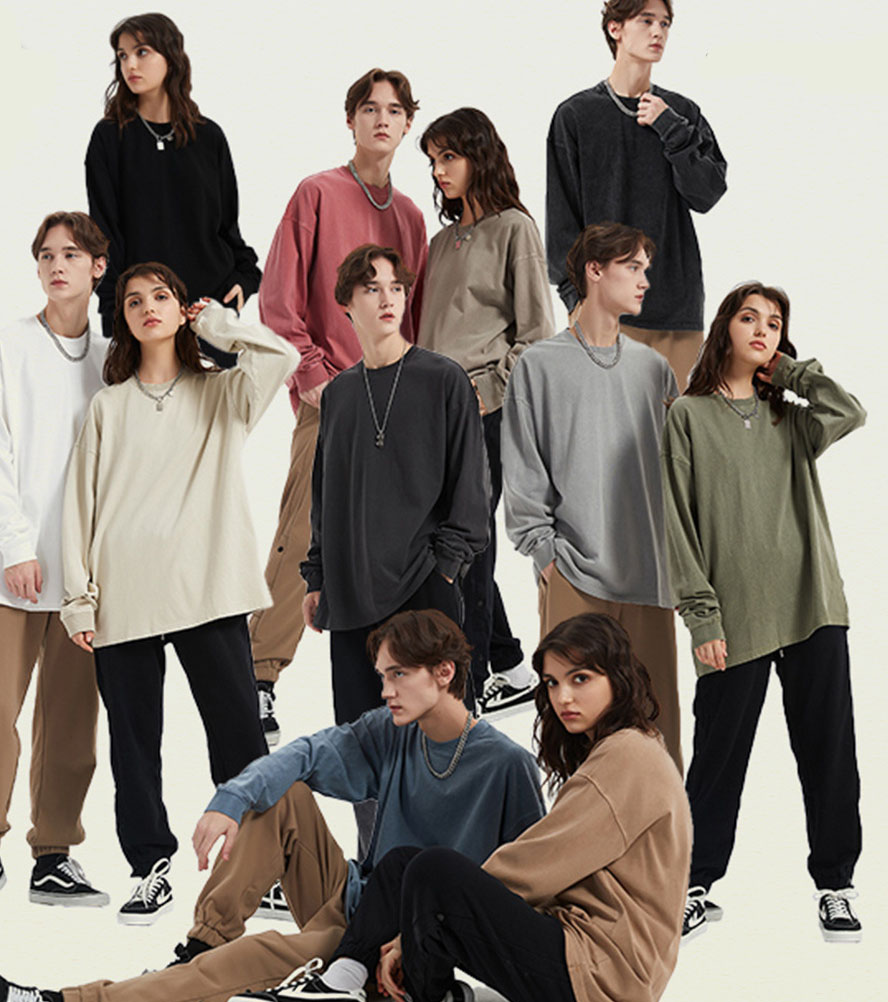
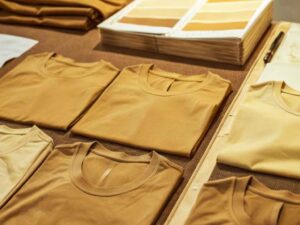 Colorway Sample Table
✅ Key Factors to Consider
| Criteria | Why It Matters |
|---|---|
| Quality Control | Ensures every shirt meets your standard |
| Years of Experience | Proven track record reduces risk |
| Certifications | Builds trust and assures compliance |
| Design & Sampling Speed | Faster iterations = faster launches |
| Low MOQ Flexibility | Enables testing before scaling |
🏭 Local vs. Overseas Manufacturing
| Factor | Local Manufacturers | Overseas Manufacturers (e.g., China) |
|---|---|---|
| Lead Time | Faster (no shipping delays) | Slightly longer but improving |
| Pricing | Higher labor & materials | More competitive |
| Custom Options | Sometimes limited | Highly flexible |
| MOQ | Often higher | Lower minimums available |
If you’re launching a brand or testing new concepts, factories with low MOQ and quick sampling can make or break your timeline.
How Do T-Shirt Manufacturers Support Custom Branding?
Branding makes a basic T-shirt your own. A good factory should offer full customization, from the logo to the label.
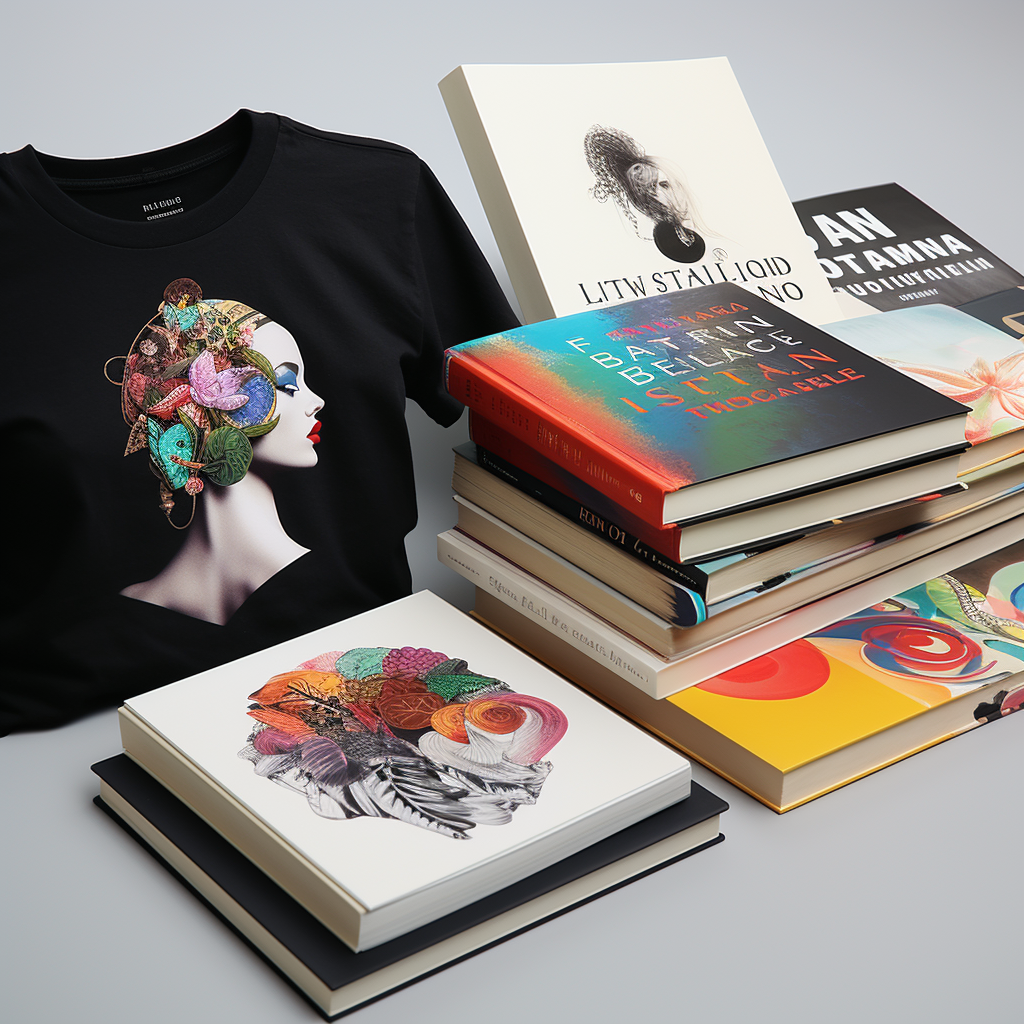
Most T-shirt manufacturers offer custom printing (like screen print, DTG, or embroidery) along with private labeling, hang tags, and retail packaging options.
🔍 Branding Options Offered
| Branding Element | Customization Methods |
|---|---|
| Logos | Screen printing, embroidery, DTG |
| Neck Labels | Woven, heat press, tear-away |
| Packaging | Branded polybags, boxes, tag inserts |
🎨 Print Method Comparison
| Method | Best For | Notes |
|---|---|---|
| Screen Print | Bulk runs with simple designs | Durable, vivid colors |
| DTG (Direct) | Detailed or photo prints in low volume | Requires high-quality cotton fabrics |
| Embroidery | Premium or textured branding | Adds weight, best for logos |
Your manufacturer should also offer mockups and print previews to avoid surprises in bulk.
Which Fabrics Are Most Popular for T-Shirt Manufacturing?
The fabric you choose changes how your shirt feels, wears, and is perceived by customers.
Cotton, poly blends, and organic materials are the most used fabrics for T-shirts. Cotton is classic, blends offer performance, and sustainable fibers build brand trust.

🧵 Popular Fabric Options
| Fabric Type | Pros | Cons |
|---|---|---|
| 100% Cotton | Soft, breathable, natural feel | Shrinks, wrinkles easily |
| Cotton-Poly Blend | Durable, less shrinkage, affordable | Less soft, synthetic feel |
| Organic Cotton | Eco-friendly, brand value | Higher price, limited suppliers |
| Bamboo Fabric | Silky, sustainable, moisture-wicking | More expensive, niche supply |
⚖ Fabric Weight and Durability
- 140–160 GSM: Lightweight (summer or layering shirts)
- 160–180 GSM: Midweight (standard for casual tees)
- 200+ GSM: Heavyweight (premium or oversized styles)
Heavier fabric doesn’t always mean better. For activewear brands, lightweight with stretch is often preferred. For streetwear, heavyweight cotton gives that premium handfeel.
Are Low MOQ T-Shirt Manufacturers Reliable?
Many believe “low MOQ” equals low quality—but that’s not always true.
Reliable T-shirt manufacturers can offer small quantities without sacrificing quality, especially when they maintain in-house sampling and production control.
🧾 Common Concerns with Small Orders
- Poor finishing due to less attention
- Factories prioritize larger clients
- Limited fabric/color options
✅ How to Evaluate Quality with Low MOQ
| Checklist | What to Request |
|---|---|
| Pre-Production Samples | To test stitching, fit, print |
| Wash Test Results | To ensure shrinkage resistance |
| Material Swatches | For feel, weight, color accuracy |
| Factory Photos or Video Call | For visual verification |
Low MOQs are perfect for:
- New collections
- Seasonal test runs
- Influencer drops or limited editions
Do All T-Shirt Manufacturers Offer Free Samples and Design Support?
Not all do—but the good ones will, especially if they want long-term clients.
The best manufacturers offer free or discounted samples, mockup visuals, and even full tech pack support to small and mid-sized brands.
📐 What Design Support Can Include
| Service | Benefit |
|---|---|
| Free Mockups | Visual alignment before sampling |
| Tech Pack Guidance | Prevents miscommunication |
| Size Spec Templates | Saves time in development |
Many Chinese factories offer free sample fees once bulk is confirmed, or include tech packs if you commit to production. That saved me thousands early on.
Is It Safe to Source T-Shirts from China?
Yes—but only if you vet properly.
Chinese T-shirt manufacturers can be safe and efficient partners. Always check third-party audits, client reviews, and request samples before bulk production.
🚨 Myths vs. Realities
| Myth | Reality |
|---|---|
| “China = cheap, low quality” | Many offer premium quality with ISO standards |
| “They won’t understand my vision” | Bilingual teams & detailed briefs help |
| “Shipping takes forever” | Air freight can arrive in 5–10 days |
🔍 How to Verify a Supplier’s Credibility
- Ask for ISO, WRAP, BSCI certifications
- Search for Alibaba Gold Supplier or equivalent
- Use trade assurance or escrow payments
- Ask for production and client references
I always start with a video tour or a real-time call to assess transparency and facility standards.
How Long Does It Take to Manufacture Custom T-Shirts?
Production timelines vary, but knowing the flow helps you plan launches better.
Expect 3–7 days for sampling and 15–25 days for bulk production. Add 7–15 days for shipping depending on the method.
📅 General Production Timeline
| Stage | Duration |
|---|---|
| Design & Tech Pack | 2–5 days |
| Sampling | 3–7 days |
| Bulk Production | 15–25 days |
| Shipping (Air/Sea) | 7–15 days (air) / 25–40 (sea) |
🛠 What Affects Speed
- Material availability (in-stock vs. custom dye)
- Order complexity (number of styles/colors)
- Holiday schedules (especially Chinese New Year)
- Factory load (peak season vs. off-season)
🧩 Tips to Stay On Schedule
- Use stock fabrics if timing is tight
- Approve samples quickly via video or photos
- Confirm packaging and print details early
- Choose factories with project managers or coordinators
Conclusion
Finding the right T-shirt manufacturer means more than just browsing Alibaba. It’s about aligning with a factory that understands your goals, supports your creativity, and delivers on quality. With the right partner, your T-shirt line can truly stand out.