Skip to content
Launching a successful fashion brand often begins with choosing the right private label apparel manufacturer. However, many startups struggle with identifying reliable partners who can deliver quality products1 on time and within budget. So, how exactly do you find and select the ideal private label apparel manufacturer?
Private label apparel manufacturers create ready-to-sell garments customized with your brand’s labels, packaging, and tags. This approach simplifies launching a fashion brand, reduces costs, and accelerates your entry into the market.
As the founder of Modaknits, I’ve guided countless startups through sourcing2 and selecting private label manufacturers. Here, I’ll share detailed insights and practical advice to streamline your search and establish successful partnerships.
What Are Private Label Apparel Manufacturers and How Do They Work?
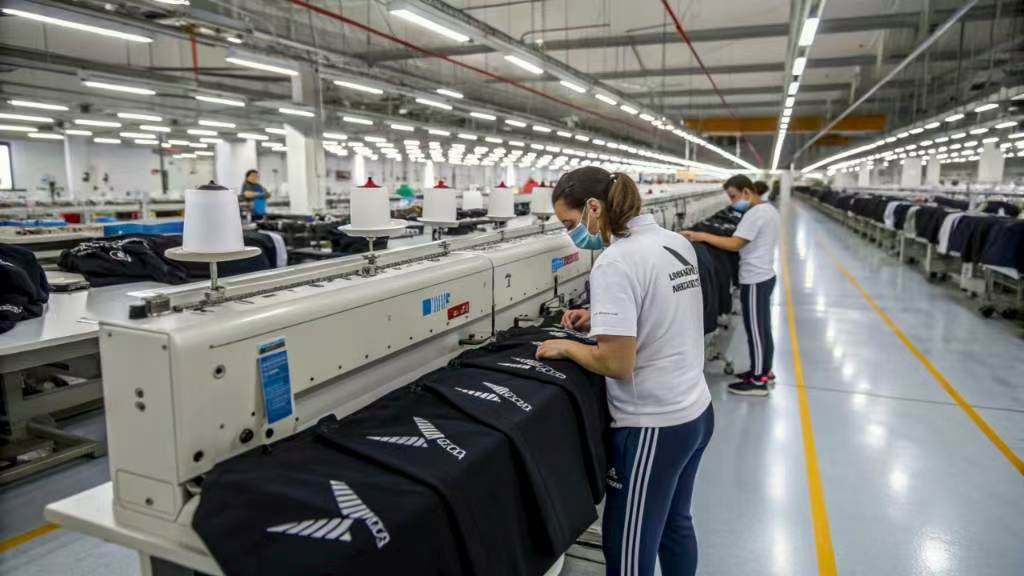
Apparel production
To effectively source a manufacturer, it’s critical to understand exactly how private label apparel production functions and how it compares to other models.
How is private label production different from white label and custom manufacturing?
Apparel manufacturing options vary significantly in terms of complexity, cost, and customization levels:
- Private Label: Pre-designed products customized with your branding elements.
- White Label: Generic products, sold to many brands with minimal customization.
- Custom (OEM): Fully customized products designed from scratch to meet your specifications.
| Manufacturing Type | Customization | Typical Cost | Time to Market |
|---|---|---|---|
| Private Label | Medium (branding) | Moderate | Quick (4–6 weeks) |
| White Label | Low | Low | Very Quick (2–4 weeks) |
| Custom Manufacturing | High (full design) | High | Longer (8–16 weeks) |
Why do fashion startups prefer private label apparel manufacturers3?
Private labeling is particularly attractive to startups for several practical reasons:
- Rapid Market Entry: Shorter production timelines and quicker brand launches.
- Lower Risk: Smaller upfront investments, reducing financial risk.
- Easy Testing: Quickly test market acceptance4 without heavy initial commitments.
- Scalability: Ability to easily scale production based on market feedback.
Top benefits for startups include:
- Shorter turnaround times.
- Affordable initial investment.
- Easier and quicker market validation.
Top Platforms and Directories to Find Private Label Apparel Manufacturers
Knowing where to find reliable manufacturers is essential for efficient sourcing.
What are the best online resources to search for verified manufacturers?
Trusted online platforms and directories are ideal starting points:
- Alibaba5: Global B2B platform with extensive listings of verified manufacturers.
- Maker’s Row: Excellent for connecting with quality U.S.-based apparel manufacturers.
- Sewport: Specialized fashion sourcing platform designed for direct connections with factories.
- ThomasNet: Detailed directory of American manufacturers, ideal for U.S.-focused brands.
| Platform | Region | Specialization | Ideal Users |
|---|---|---|---|
| Alibaba | Global | General apparel sourcing | Brands seeking variety |
| Maker’s Row | USA | Domestic manufacturers | U.S. quality-focused startups |
| Sewport | Global | Customized apparel sourcing | Brands needing tailored services |
| ThomasNet | USA | Verified U.S. suppliers | Brands prioritizing local sourcing |
Which trade shows or sourcing networks connect you with private label partners?
Attending industry events allows valuable face-to-face connections and direct assessment:
- MAGIC Las Vegas: North America’s premier fashion sourcing event.
- Première Vision Paris: Europe’s leading textile and apparel sourcing fair.
- Canton Fair, China: World’s largest trade fair, offering vast apparel manufacturing options.
| Trade Show | Location | Specialization | Advantage |
|---|---|---|---|
| MAGIC | Las Vegas, USA | Apparel & fashion accessories | Networking and U.S. exposure |
| Première Vision | Paris, France | Premium fabrics & European fashion | High-quality options |
| Canton Fair | Guangzhou, China | Comprehensive apparel manufacturing | Wide variety, global access |
Key Criteria for Choosing the Right Private Label Apparel Manufacturer
Careful selection criteria ensure a productive and profitable partnership.
What should you look for in terms of minimum order quantity (MOQ), lead time, and pricing?
Evaluate these essential factors carefully:
- MOQ Flexibility: Ideally between 100 and 500 pieces per style initially.
- Lead Times: Reliable, clearly communicated production schedules (typically 4–6 weeks).
- Pricing Transparency: Clearly structured, competitive pricing with no hidden fees.
| Factor | Ideal Conditions | Why It’s Important |
|---|---|---|
| MOQ | 100–500 pieces per style | Minimizes financial risks |
| Lead Time | 4–6 weeks | Timely launches, meets market demands |
| Pricing | $5–$20 per garment | Ensures profitability and affordability |
How do you evaluate a manufacturer’s design, packaging, and private labeling services?
Ensure the manufacturer meets your brand’s specific requirements:
- Design Variety: Wide selection of attractive, market-ready products.
- Branding Customization: Ability to incorporate your logos, tags, and unique packaging.
- Quality Assurance: Robust quality control measures and proven consistency.
Evaluation checklist:
- Request multiple product samples for quality checks.
- Review branding and packaging customization capabilities.
- Confirm the manufacturer’s track record and existing customer reviews.

How to Vet and Communicate with Potential Manufacturers
Clear communication and thorough vetting are vital for establishing effective manufacturing partnerships.
What questions should you ask during your first inquiry?
During your initial discussions, ask:
- Can you provide references from current clients?
- What are your standard MOQs and lead times?
- Do you offer in-house branding and packaging services?
- How do you manage quality control and defective products?
| Initial Questions | Ideal Manufacturer Response |
|---|---|
| Can I request samples first? | Yes, delivered within 1–2 weeks |
| How is quality ensured? | Regular inspections, inline QC checks |
| What are your payment terms? | Clear and fair payment terms with structured milestones |
How do you request samples and negotiate production terms?
Follow these essential steps:
- Clear Specifications: Provide exact fabric types, colors, designs, and branding details.
- Sample Costs: Clarify if costs are deductible from bulk orders.
- Written Agreements: Clearly document all agreed terms and expectations.
Tips for successful negotiations:
- Clearly communicate your expectations (quality standards, timelines, pricing).
- Negotiate flexibility in MOQ and pricing for initial orders.
- Ensure all terms are in writing to avoid misunderstandings.
Common Mistakes to Avoid When Choosing a Private Label Manufacturer
Avoiding these common pitfalls will save time, money, and protect your brand’s reputation.
Why do many brands end up with poor quality or slow delivery?
Frequent mistakes include:
- Choosing manufacturers based solely on low pricing.
- Skipping sample testing or quality checks.
- Inefficient or unclear communication about specifications and timelines.
| Common Pitfalls | Preventive Measures |
|---|---|
| Lowest Price Focus | Prioritize consistent quality over cost |
| Skipping Sample Testing | Always order and test samples thoroughly |
How can you protect your brand and product ideas during sourcing?
Take these precautionary measures to safeguard your intellectual property:
- Use Non-Disclosure Agreements (NDAs) before detailed discussions.
- Clearly outline ownership and exclusivity rights in contracts.
- Partner only with reputable and verified manufacturers.
Steps to protect your brand:
- Execute NDAs early in negotiations.
- Limit detailed sharing until trust is established.
- Trademark and copyright your designs proactively.
Conclusion
Successfully sourcing private label apparel manufacturers involves understanding the manufacturing model, conducting meticulous evaluations, clear and structured communication, and avoiding common pitfalls. By carefully choosing the right manufacturer, fashion startups can launch quickly, maintain quality, and scale efficiently.
-
Learn how to guarantee quality in your products by choosing the right manufacturing partner. ↩
-
Explore best practices for sourcing reliable private label manufacturers for your brand. ↩
-
Explore this link to find top-rated private label apparel manufacturers that can help you launch your fashion brand. ↩
-
Find effective strategies to test market acceptance before fully launching your fashion line. ↩
-
Learn how to effectively use Alibaba to connect with verified apparel manufacturers. ↩