Skip to content
When starting a clothing brand, one of the first questions I had was, "How much will a sample cost?" It’s a critical step in product development, but there are several factors that influence the price. Let’s break it down together.
The cost of a clothing sample can vary significantly based on fabric type, design complexity, and the manufacturer you choose. Understanding these factors can help you plan your budget and streamline the process.
As I started sourcing manufacturers, I quickly realized that the price of samples can range from just a few dollars to hundreds. Let’s dive into the details of what influences these costs.
What Factors Affect the Cost of Clothing Samples?
When I first asked manufacturers for samples, I was surprised by how much the prices varied. It wasn’t just the fabric or design — several elements played a role.
Several factors affect the cost of clothing samples1, including fabric selection, design complexity, order size, and the manufacturer’s location.
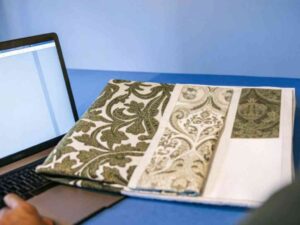 Fabric design selection
How Does Fabric Type Influence Sample Pricing?
The fabric you choose directly impacts the sample price. High-end fabrics like silk or wool cost more, while simpler options like cotton or polyester may keep costs lower.
| Fabric Type | Cost Impact | Example Fabrics |
|---|---|---|
| High-End | High | Silk, Wool, Leather |
| Mid-Range | Moderate | Cotton, Polyester |
| Budget | Low | Rayon, Spandex |
Does the Complexity of the Design Impact the Sample Cost?
A more intricate design requires additional time and expertise. If your design includes multiple components, intricate stitching, or unique embellishments, expect the price to be higher.
| Design Complexity | Cost Impact | Example Designs |
|---|---|---|
| Simple | Low | Basic T-shirt, Plain Skirt |
| Moderate | Moderate | Tailored Blazer, Simple Dress |
| Complex | High | Couture Gown, Detailed Outerwear |
How Much Should You Expect to Pay for a Sample from a Manufacturer?
Once I had a clear understanding of the factors, I wanted a ballpark estimate to help guide my budget.
Sample prices can range from $50 to $500 or more depending on various factors. On average, you should expect to pay between $100 and $300 for a sample.

Are There Differences in Sample Costs for Small and Large Orders?
For smaller orders, manufacturers often charge higher per-sample costs to cover setup fees and smaller production runs. Larger orders can benefit from lower per-unit sample costs due to economies of scale.
| Order Size | Sample Cost | Notes |
|---|---|---|
| Small | High | Setup costs and low quantities |
| Medium | Moderate | Balanced setup and quantity |
| Large | Low | Economies of scale |
What Is the Average Cost for a Clothing Sample?
On average, you can expect to pay anywhere from $100 to $300 per sample. This can vary depending on the materials, complexity, and manufacturer. Some luxury or highly customized brands may face much higher costs.
How Can You Minimize the Cost of Clothing Samples?
As a new brand, I was looking for ways to save on sample costs without compromising quality. Here’s what I learned.
There are several strategies to minimize the cost of clothing samples2, including negotiating with manufacturers and ordering in bulk.
Is It Possible to Negotiate with Manufacturers on Sample Pricing?
Yes, manufacturers are often open to negotiation, especially if you’re planning a large order. Some manufacturers may offer discounted sample prices if they see potential for a long-term partnership.
What Are the Best Strategies for Reducing Sample Expenses?
- Start with simple designs: Avoid complex or highly detailed designs for initial samples.
- Order in bulk: Ordering multiple samples at once can lower the cost per unit.
- Find local manufacturers: Reducing shipping and handling costs can make a big difference in total sample expenses.
| Strategy | Impact on Cost | Example |
|---|---|---|
| Start Simple | Lowers cost | Basic designs for first samples |
| Bulk Orders | Reduces unit cost | Ordering multiple variations at once |
| Local Manufacturers | Cuts shipping cost | Working with domestic suppliers |
What Are the Different Types of Clothing Samples You Can Order?
There are different types of samples that serve distinct purposes. Understanding the differences helped me choose the right type for my brand’s needs.
Clothing samples come in different forms: prototype samples, fit samples, and production samples. Each has a different purpose and cost.
What Is the Difference Between Prototype and Production Samples?
- Prototype Samples: These are the first version of your design, used to test fit, structure, and fabric choice. They tend to be more expensive as they are closer to a “test” product.
- Production Samples: These are final samples that are used to confirm the design before bulk production begins. They tend to be more affordable than prototypes but still reflect the final product.
| Sample Type | Cost Range | Purpose |
|---|---|---|
| Prototype | High | Testing fabric and structure |
| Production | Moderate | Confirming final product before production |
Do Different Types of Samples Have Varying Costs?
Yes, prototype samples are often more expensive due to the time and effort involved in creating them. Production samples are usually less costly because the design is already finalized.
Why Is Ordering Clothing Samples Essential for Your Brand?
At first, I considered skipping the sample phase to save time and money. But then I realized just how important samples are for quality control and product development.
Ordering clothing samples is essential because it helps you confirm the design, fabric choice, and fit, reducing the risk of mistakes before mass production.
How Do Samples Help in Quality Control and Product Development?
Samples allow you to test the fit, fabric, and construction quality before going into mass production. This step helps prevent costly mistakes and ensures that your final product meets your standards.
What Are the Risks of Skipping the Sample Phase in Clothing Production?
Skipping the sample phase may lead to errors in fit, quality, or design details. These issues can be costly to fix later, especially if you’ve already produced large quantities.
Conclusion
Understanding the costs and process of ordering clothing samples helped me make better decisions for my brand. While the sample phase can be expensive, it’s a necessary step in ensuring quality and avoiding costly mistakes later on.