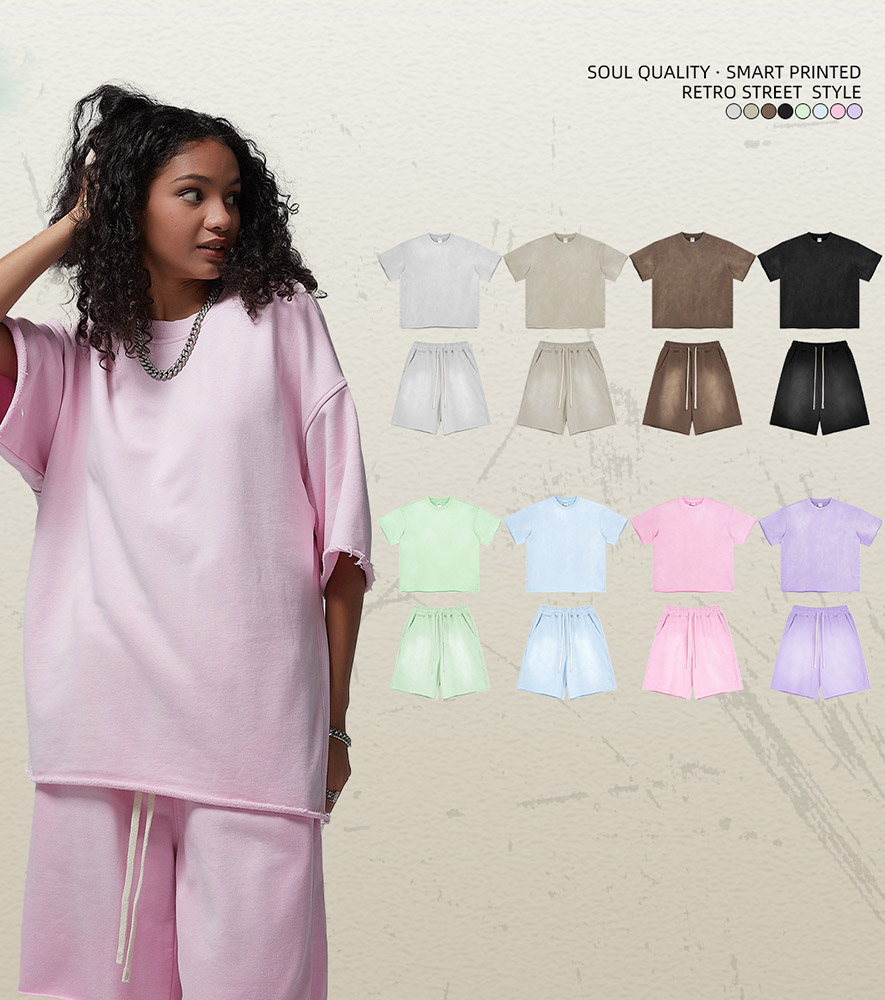
Manufacturing gym shorts is an intricate process that involves fabric selection, design, production, and distribution. The cost of producing gym shorts can vary significantly depending on factors such as materials, labor, order quantity, and manufacturing location.
The cost to manufacture gym shorts typically ranges from $5 to $15 per unit for bulk production, depending on the quality of materials, production complexity, and location of the manufacturer. Premium or customized gym shorts can cost $20 or more per unit.
In this article, we’ll break down the various components that influence the cost of manufacturing gym shorts and provide insights into how businesses can optimize their production budgets. For an overview of typical cost references1, continue reading below.
Key Factors Influencing the Cost of Manufacturing Gym Shorts
The cost of manufacturing gym shorts is determined by multiple variables, each of which contributes to the final price.
1. Fabric and Materials
The choice of fabric is one of the most significant factors affecting cost:
- Basic Materials: Polyester and cotton blends are affordable and widely used, costing $1–$3 per yard.
- Premium Materials: Fabrics like spandex, bamboo blends, or moisture-wicking materials can range from $4–$8 per yard. For sourcing cost-effective high-performance fabrics2, consider global suppliers with competitive pricing.
- Special Features: Add-ons like antimicrobial treatments or UV protection increase material costs.
2. Design Complexity
The more intricate the design, the higher the production costs:
- Basic Shorts: Simple designs with few panels and minimal stitching cost less to produce.
- Advanced Designs: Features like zippered pockets, mesh panels, or custom prints increase labor and material costs.
3. Manufacturing Location
Labor costs vary depending on where the gym shorts are manufactured:
- China and Vietnam: Offer competitive pricing, with labor costs contributing $1–$3 per unit.
- United States or Europe: Labor costs can range from $5–$10 per unit due to higher wages.
4. Order Quantity
The size of the production order, or minimum order quantity (MOQ)3, significantly impacts cost:
- Small Orders: Smaller batches may cost $10–$20 per unit due to setup fees and higher material prices.
- Bulk Orders: Larger quantities benefit from economies of scale, reducing per-unit costs to as low as $5.
5. Branding and Customization
Custom branding options add to the overall production cost:
- Basic Branding: Printed logos cost $0.50–$2 per unit.
- Premium Branding: Embroidered or heat-transferred logos can cost $2–$5 per unit.
- Packaging: Custom packaging or tags adds another $1–$3 per unit.

Cost Breakdown of Manufacturing Gym Shorts
Here’s a detailed breakdown of typical costs involved in producing gym shorts:
| Cost Component | Low-End Estimate | High-End Estimate |
|---|---|---|
| Fabric and Materials | $1–$3 per unit | $5–$8 per unit |
| Labor | $1–$3 per unit | $5–$10 per unit |
| Design and Branding | $0.50–$2 per unit | $3–$5 per unit |
| Shipping and Duties | $0.50–$2 per unit | $3–$5 per unit |
| Total Cost | $5–$8 per unit | $15–$20 per unit |
Tips to Minimize Manufacturing Costs
1. Choose the Right Manufacturer
- Partner with manufacturers in regions known for cost-effective labor, such as China, Vietnam, or Bangladesh.
- Use platforms like Alibaba or attend trade shows to find reliable suppliers.
2. Optimize Order Quantity
- Place bulk orders to lower per-unit costs through economies of scale.
- Negotiate MOQs with suppliers to find a balance between affordability and inventory needs.
3. Simplify Designs
- Reduce design complexity by minimizing extra features like zippers or multiple panels.
- Opt for printed logos instead of embroidery to save on branding costs.
4. Source Affordable Materials
- Use standard fabrics like polyester blends for cost-effective production.
- Look for suppliers offering discounts on bulk fabric purchases.
Hidden Costs in Gym Shorts Manufacturing
While the base costs are straightforward, additional expenses can affect the total production budget:

1. Sampling Fees
- Manufacturers often charge $50–$100 per sample, which can add up during the design phase.
2. Quality Control
- Inspections and quality assurance checks may cost $0.20–$0.50 per unit.
3. Shipping and Import Duties
For strategies on reducing shipping and import duties4, consider negotiating freight terms or using bonded warehouses:
- International Shipping: Fees range from $1–$5 per unit, depending on the destination.
- Import Duties: Vary by country, potentially adding 5%–20% to overall cost.
4. Storage and Distribution
- Warehousing and inventory management contribute to ongoing operational costs.
Comparing Low-Cost vs. Premium Manufacturing
| Aspect | Low-Cost Manufacturing | Premium Manufacturing |
|---|---|---|
| Fabric Quality | Basic polyester or cotton blends. | High-performance fabrics with special treatments. |
| Design Features | Simple, functional designs. | Custom features like liners, zippers, or mesh panels. |
| Durability | May wear out faster. | Built to withstand rigorous use. |
| Per-Unit Cost | $5–$10 | $15–$25 |
For insights on how investing in premium can be profitable, see long-term ROI5.
Real-Life Example: Cost of Producing Gym Shorts
Scenario:
- Fabric: Moisture-wicking polyester ($3 per unit).
- Labor: Vietnam-based manufacturer ($2 per unit).
- Design: Includes printed logo and two zippered pockets ($3 per unit).
- Shipping: $1 per unit for bulk sea freight.
Total Cost: $9 per unit for a batch of 500 shorts.
Is Manufacturing Gym Shorts Profitable?
1. Retail Markup
- Gym shorts typically sell for $30–$60, offering profit margins of 50%–70% when production costs are optimized.
2. Scalability
- Bulk production and distribution increase profitability over time.
Conclusion
The cost to manufacture gym shorts depends on multiple factors, including fabric choice, design complexity, and production location. By understanding these variables and working with reliable manufacturers, businesses can produce high-quality gym shorts at competitive prices. Whether you’re launching a new brand or scaling an existing one, careful planning and cost management can ensure success in the activewear market.
-
See how per-unit cost varies based on material, labor, and order size. ↩
-
Discover suppliers offering budget-friendly yet high-quality materials for athletic wear. ↩
-
Understand how minimum order quantities impact manufacturing costs and negotiations. ↩
-
Learn strategies to minimize logistics expenses and customs fees when importing apparel. ↩
-
Explore how higher-quality production can lead to bigger margins and brand loyalty over time. ↩