Skip to content
Starting an apparel line1 is both thrilling and challenging. Every new brand founder faces questions about design, manufacturing, costs, and how to build a real business—not just a cool idea. I’ve launched my own line and worked with dozens of new fashion startups, so I know how overwhelming it can feel at the beginning. But if you follow a simple, step-by-step plan, you can bring your vision to life—and local apparel manufacturers2 can make the whole process smoother and faster.
To start your own apparel line, you need to define your brand, set up your business, design and develop products, find a manufacturer near you, manage production, and plan for launch and marketing. Working with local apparel manufacturers gives you more control, faster feedback, and a real partnership.
When I held my first finished samples, I knew all the hard work was worth it. If you want to see your ideas become real, here’s how to start.
What Are the First Steps to Launching an Apparel Line?
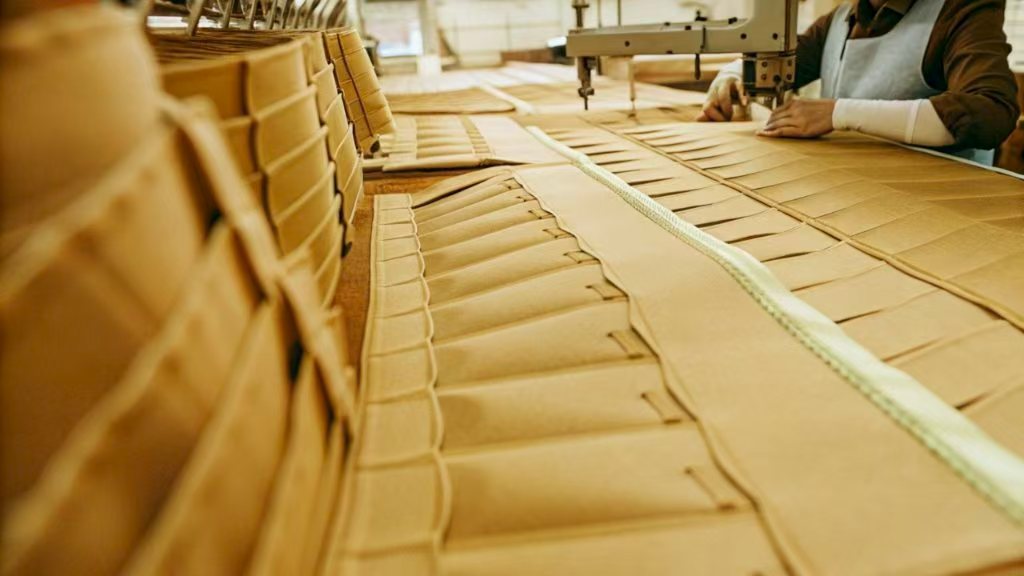
Industrial Sewing Process
Every successful brand starts with a clear purpose and legal structure. The first steps build your brand’s foundation and set you up for long-term growth.
Start by defining your brand’s identity and ideal customer, then take care of business registration3 and trademarks4. This makes everything—from design choices to marketing—much easier and more focused.
I made the mistake of skipping some paperwork early on, and it slowed me down when I was ready to sell. Getting your basics right saves time and headaches later.
How Do You Define Your Brand Identity and Target Market?
Before you sketch your first design, know your brand’s story and who you want to reach.
Think about your mission, values, and what makes your line special. Decide who your ideal customer is: their age, lifestyle, style preferences, and what problems your apparel solves.
Simple Brand Identity Table
| Element | Example Value |
|---|---|
| Brand Name | Modaknits |
| Target Market | Young professionals |
| Brand Value | Function + Fashion |
Brand Identity Checklist
- Mission statement (Why does your brand exist?)
- Unique style or vibe (Minimalist, sporty, bold)
- Customer pain points (Fit, quality, ethical sourcing)
- What sets you apart (Tech fabrics, local production, eco-friendly)
What Legal Requirements and Business Registrations Are Needed?
Making your business official gives you legal protection and lets you operate confidently.
Register your company (LLC, corporation, or local equivalent), secure a business bank account, and consider trademarking your brand name and logo. Depending on your area, you may also need local permits or seller’s licenses.
Legal Steps List
- Register your company with local authorities
- Open a separate bank account for business
- Get an EIN/tax ID (if required)
- Trademark your brand (optional, but recommended)
- Check for required local licenses

How Do You Design and Develop Your Apparel Collection?
Design is where your vision starts to become reality. Every collection starts with research and inspiration.
Turn your brand concept into sketches or mood boards. Create tech packs5 (the “blueprint” for your manufacturer) and develop first samples. Pay close attention to trends, but focus on what will resonate with your target market.
How Can You Turn Ideas into Market-Ready Designs?
You don’t need to be a fashion designer—you just need a clear vision and the right support.
Start with sketches, mood boards, or digital collages. Hire a freelance designer if needed. Use tech packs and patterns to communicate all details to your manufacturer. Sample and adjust until the fit, fabric, and details are perfect.
Design Development Table
| Step | What’s Involved | Cost Range |
|---|---|---|
| Sketching | Hand/digital sketches | $0–$200 |
| Tech Pack | Specs, measurements | $80–$300 |
| Pattern Making | Digital/paper patterns | $100–$400 |
| First Sample | Prototype garment | $50–$150 |
Tips for Market-Ready Designs
- Build your first collection around 2–4 strong styles
- Focus on quality over quantity
- Get feedback from your ideal customer before finalizing
What Fashion Trends and Fabrics Should You Consider?
Trends are important, but choose materials that work for your customers and your brand’s story.
Look for trending colors, prints, and fits that suit your target market. Talk to manufacturers about which fabrics are easily sourced nearby (saves cost and time). Consider eco-friendly and performance fabrics if they fit your brand.
Trending Fabric Examples
- Organic cotton for basics or eco brands
- Recycled polyester for activewear
- Bamboo blends for softness and breathability
Fabric Consideration List
- Is the fabric easy to source locally?
- Will it work for your design (structure, drape)?
- Does it meet customer expectations (comfort, performance, sustainability)?
How to Find and Choose the Best Apparel Manufacturers Near Me?
Finding the right factory is one of the biggest steps for a new brand. It’s about more than price—it’s about trust, quality, and communication.
Search for local factories using Google, platforms like Maker’s Row (US), or ask for referrals from other local brands. Always visit if you can, and start with a small sample order before committing to a full run.
What Criteria Should You Use to Evaluate Local Apparel Manufacturers?
Not all factories are a fit for your brand. Ask the right questions before making a decision.
Check their experience, product specialization, minimum orders, and willingness to work with new brands. Review their sample quality and responsiveness.
Factory Criteria Table
| Criteria | What to Look For |
|---|---|
| MOQ | 50–200 per style |
| Product Focus | Matches your category |
| Communication | Fast, clear answers |
| Sample Quality | Meets your standards |
How Can Factory Visits and Sample Orders Help Assess Quality and Capability?
Nothing beats seeing a factory in person. If you can’t visit, detailed video tours help too.
Check the workspace, meet the staff, and see how production is managed. Sample orders let you test the factory’s ability to follow your tech pack and deliver consistent quality.
Factory Visit Checklist
- Review equipment and sample room
- Meet production and management team
- See finished garments and packaging
- Ask about their quality control process
What Is the Production and Launch Process for a New Apparel Line?
Turning your samples into a real collection takes planning and constant follow-up.
Approve your final samples, then place your bulk order. Monitor production, do quality checks, and plan your shipping and inventory. Prepare your online store and marketing before goods arrive so you can launch quickly.
How Do You Manage Sampling, Manufacturing, and Order Fulfillment?
Good communication prevents most problems.
Track every step: sample approval, production updates, packaging checks, and shipping. Inspect the goods yourself or use a third-party QC agent, especially for your first order.
Simple Production Timeline
- Sampling: 1–3 weeks
- Bulk Production: 3–8 weeks (depends on style/volume)
- Shipping (local): 3–7 days
What Are the Typical Timelines and Costs Involved in Apparel Production?
Every brand and product is different, but some costs are standard.
Expect to spend $10–$20 per unit for local manufacturing (small runs). Include sampling, packaging, shipping, and any import duties in your budget. Build in extra time for unexpected delays.
Production Cost Table
| Step | Time Needed | Typical Cost |
|---|---|---|
| Sampling | 1–3 weeks | $50–$150/sample |
| Production | 3–8 weeks | $10–$20/unit |
| Shipping | 3–7 days | $0.50–$2/unit |
How Can You Market and Grow Your Apparel Line Successfully?
Launching is just the beginning—real growth comes from building your brand and community.
Focus on both digital and local marketing. Build an online presence, but also connect with local customers through pop-ups, events, and partnerships.
What Strategies Work Best for Brand Awareness and Customer Acquisition?
Start with the channels your customers use most.
Great product photography, Instagram/TikTok, and a mobile-friendly website are essential. Partner with micro-influencers, run targeted ads, and use email marketing for customer retention.
Simple Marketing Plan List
- Plan a launch event or pop-up
- Use social media ads and content
- Collaborate with local fitness studios or stores
- Offer special deals to early customers
How Can You Use Local Partnerships and Events to Boost Sales?
Local partnerships can open doors quickly and cheaply.
Team up with other brands for cross-promotions, do trunk shows at local boutiques or gyms, and join community events. Face-to-face connections build trust and word of mouth.
Local Partnership Ideas
- Host a trunk show or “first look” event
- Join neighborhood markets or fairs
- Offer custom products for local teams or events
- Collaborate on limited-edition items
About Modaknits
At Modaknits, we help brands go from idea to finished product with fast sampling, flexible MOQs, and real quality control. If you want to build your line with a manufacturer who cares about your success, let’s work together!
Conclusion
Launching an apparel line is challenging, but every step—from building your brand identity and choosing the right fabrics to partnering with local manufacturers—brings you closer to success. By focusing on quality, clear communication, and authentic marketing, you can turn your creative vision into a thriving business. With dedication and the right partners, your apparel brand can stand out and grow in today’s competitive market.
-
Explore this resource to understand the essential steps in launching your own apparel line. ↩
-
Discover how local manufacturers can streamline your production process and enhance your brand. ↩
-
This link provides crucial information on registering your fashion business legally. ↩
-
Understand the trademark process to protect your brand name and logo effectively. ↩
-
Learn about tech packs and their role in communicating design details to manufacturers. ↩