Skip to content
Choosing the right printing method for your T-shirts can feel overwhelming, especially if you’re new to apparel creation. Picking the wrong method might result in poor quality, high costs, or dissatisfaction. So, how exactly do these printing techniques work?
Common T-shirt printing methods include screen printing1, heat transfer, direct-to-garment (DTG)2, and sublimation. Screen printing uses stencils and ink layers; heat transfer applies designs using heat-pressed films; DTG prints ink directly onto fabric; sublimation infuses ink into polyester fabrics. Each has distinct benefits depending on order size, fabric, and design complexity.
When Mark, one of my long-term U.S. clients, first approached me, he struggled with choosing between these printing methods for his brand’s new collection. His journey to discovering the right technique might help you avoid similar confusion.
What Are the Most Common Types of T-Shirt Printing Methods?
To choose effectively, understanding the basics of each popular method—screen printing, heat transfer, DTG, and sublimation—is essential.
Screen printing uses ink forced through stencils; heat transfer uses printed designs pressed onto fabric; DTG directly prints full-color images onto garments; sublimation transfers ink chemically into polyester fabric. Each excels under specific conditions regarding design complexity and garment type.
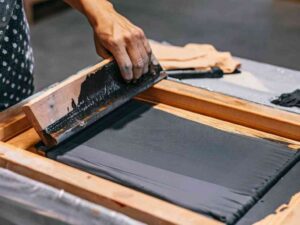 Screen Printing
How does screen printing work and what makes it so popular?
Screen printing involves pushing ink through a stencil (screen) onto fabric, creating vibrant, durable designs. It’s popular due to cost-effectiveness in bulk orders, vivid colors, and long-lasting prints.
| Advantages | Screen Printing |
|---|---|
| Durability | Excellent |
| Color Quality | Vibrant, bold colors |
| Ideal Order Size | Large bulk orders |
What is heat transfer printing and when is it a better option?
Heat transfer printing uses heat and pressure to transfer designs from special paper onto T-shirts. It suits smaller orders or personalized prints, offering detailed designs with quick turnaround times, particularly beneficial for on-demand printing services.
| Advantages | Heat Transfer Printing |
|---|---|
| Setup Time | Minimal setup |
| Ideal Order Size | Small, custom orders |
| Design Complexity | Good for detailed, colorful art |
How does direct-to-garment (DTG) printing deliver full-color designs?
DTG printing sprays ink directly onto garments using specialized printers, delivering photo-quality prints with extensive color range. It’s perfect for complex, full-color artwork on cotton fabrics, particularly for low-volume or one-off orders.
| Advantages | DTG Printing |
|---|---|
| Color Range | Full-color, photographic detail |
| Setup | Minimal; ideal for small runs |
| Fabric Compatibility | Primarily cotton-based fabrics |
What is sublimation printing3 and is it only for polyester T-shirts?
Sublimation printing chemically infuses ink into polyester fabrics, creating permanent, fade-resistant designs. It requires polyester or poly-blend garments, limiting its use but providing unmatched durability and vibrant full-coverage prints.
| Advantages | Sublimation Printing |
|---|---|
| Fabric Type | Polyester or poly-blends only |
| Durability | Superior, permanent designs |
| Print Coverage | Excellent full-garment prints |
Pros and Cons of Each T-Shirt Printing Technique?
Evaluating each method carefully helps match your project’s unique needs, budget, and expectations.
Screen printing excels in durability and cost for bulk orders, DTG suits detailed small runs, heat transfer offers flexibility for personalized small batches, and sublimation provides unmatched vibrancy but is limited to polyester fabrics.

Which method is best for bulk orders and why?
Screen printing dominates bulk orders due to its efficiency, durability, and cost-effectiveness. Although initial setup is expensive, per-unit costs decrease significantly as order volume increases, making it the preferred choice for mass production.
Is DTG better for detailed artwork or small-run custom prints?
Yes, DTG printing is ideal for intricate, colorful designs and smaller orders. It accurately reproduces complex artwork with multiple colors, allowing for flexibility and customization without hefty setup fees.
| Method Comparison | Screen Printing | DTG Printing |
|---|---|---|
| Order Volume | Bulk | Small |
| Color Complexity | Limited colors | Unlimited colors |
| Setup Costs | Higher initial | Minimal |
Which Printing Method Should You Choose for Your T-Shirt Project?
Choosing the right printing method requires considering factors like fabric, order volume, design detail, and budget to achieve optimal results.
Consider fabric type, order size, and complexity. Screen printing suits cotton and bulk orders; sublimation is for polyester; DTG handles detailed, colorful designs; heat transfer fits small, custom projects needing quick turnaround.
What factors should you consider—fabric type, order size, design complexity?
The primary factors include:
- Fabric Type: Cotton favors screen and DTG; polyester suits sublimation.
- Order Size: Large orders favor screen printing; small batches work well with DTG or heat transfer.
- Design Complexity: DTG and sublimation handle complex, colorful designs efficiently.
Are there ideal methods for cotton vs polyester T-shirts?
Yes, fabric compatibility matters significantly:
| Fabric Type | Ideal Method(s) |
|---|---|
| Cotton | Screen Printing, DTG |
| Polyester | Sublimation, Heat Transfer |
Cotton’s natural fibers hold screen print ink and DTG ink well, while polyester’s synthetic fibers bond best with sublimation inks.
Caring for Printed T-Shirts: Does Printing Method Affect Longevity?
Proper care ensures printed T-shirts last, but the printing method itself can significantly affect longevity, washability, and appearance over time.
Screen printing and sublimation offer superior durability. DTG prints require gentle care due to ink sensitivity, and heat transfer prints may crack or peel with improper care, highlighting differences in maintenance needs.

Which print types last longest after multiple washes?
Screen printing and sublimation are most durable, maintaining vibrant colors even after repeated washing. DTG prints are generally durable but may fade faster, especially without proper care. Heat transfers typically wear out quickest if improperly maintained.
Do certain inks or methods require special care instructions?
Yes, DTG and heat transfer prints typically need gentle washing, inside-out with cold water, and minimal dryer exposure. Screen-printed and sublimation garments handle regular washing better but still benefit from gentle cycles.
| Print Method | Recommended Care Instructions |
|---|---|
| Screen Printing | Machine wash cold, normal cycle |
| DTG Printing | Gentle wash cold, inside-out, air-dry preferred |
| Heat Transfer | Gentle wash, avoid high heat drying |
| Sublimation | Normal wash cold, tumble dry low |
Conclusion
Selecting the best printing method involves understanding the distinct benefits and limitations of each technique. Screen printing dominates bulk orders, DTG excels with detailed, colorful small runs, heat transfer offers convenience for customized prints, and sublimation delivers unmatched vibrancy but only on polyester. Choosing correctly ensures your T-shirts meet expectations in quality, durability, and cost-effectiveness.
-
Explore the benefits of screen printing, especially for bulk orders, to understand why it’s a popular choice for T-shirt designs. ↩
-
Learn about DTG printing’s capabilities for detailed designs and small runs, making it ideal for custom apparel. ↩
-
Discover the unique process of sublimation printing and its advantages for vibrant, long-lasting designs on polyester fabrics. ↩