Skip to content
Dreaming of launching your own clothing brand is easy—but building a real, profitable label takes much more than just good ideas or a catchy logo. Most beginners underestimate the amount of planning, technical know-how, and reliable support needed at every stage. So, where do you really start, and what are the steps you can’t afford to skip?
To create a strong clothing brand, you must define your niche1, deeply understand your customer, and partner with a custom apparel manufacturer2 who will translate your vision into reality—from sketches to shelf. The right process, not just a great product, is what sets winning brands apart from the rest.
That’s why so many new founders get stuck or overwhelmed in the early stages. They have big ideas, but without a clear roadmap and an experienced manufacturing partner, they run into costly delays, production mistakes, and missed opportunities. If you want your brand to stand out—and actually reach the market—you need a proven process and real industry support guiding you every step of the way.
Why a Custom Apparel Manufacturer Is Essential to Starting Your Brand
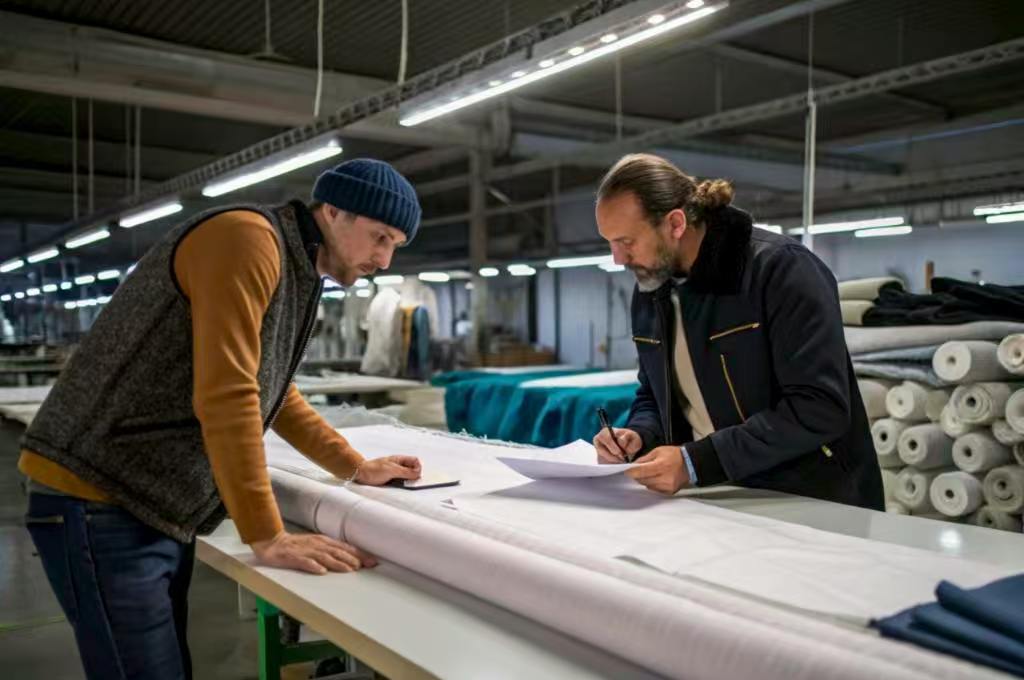
Fabric planning
A serious manufacturer isn’t just a production house—they’re the foundation for your entire operation. Picking the wrong one is one of the most common (and expensive) startup mistakes.
How does a custom apparel manufacturer turn your ideas into real products?
- Translates your concept: Even if you only have sketches or a Pinterest board, they’ll help convert your vision into tech pack3s and patterns that factories can understand.
- Material recommendations: They suggest fabrics and trims that suit your look, target customer, and price point—often warning you about options that may cause problems later.
- Develops and revises samples: They’ll produce samples, gather your feedback, and keep refining until you’re satisfied with fit, construction, and branding.
- Handles production and QC: Once you approve, they manage bulk production4, enforce quality checks, and solve problems before you ever see them.
What the best manufacturers do differently:
- Offer technical suggestions, not just “yes” to every request
- Keep you updated with progress, potential delays, and sourcing options
- Share trends and tips5 from working with other successful brands
What services should you expect from a full-service manufacturer?
- Pattern making and tech pack support (not just following your files, but improving them)
- Fabric, trims, and accessories sourcing (with swatches and alternatives)
- Sample development: Multiple rounds, including fit, color, print, and size sets
- Bulk production: Cut-and-sew, knitting, printing, embroidery, and finishing
- In-house QC: Regular checks during and after production—not just at the end
- Custom labels and packaging: Brand tags, hangtags, recycled/eco options
- Shipping logistics: Air, sea, and help with customs and compliance
Look for manufacturers that work with both startups and established brands—they’ll understand your unique needs and growing pains.
Steps to Build Your Clothing Brand from Concept to Launch
Every successful brand starts with discipline—skipping these steps is why most small brands never scale.
How do you define your brand’s niche, target audience, and identity?

- Market Research: Study your competitors—what do customers complain about? What’s missing from the market?
- Build Personas: Don’t just target “everyone”—get specific. Who will buy your clothes, why, and where do they hang out online?
- Brand DNA: Write a short mission and visual story. What do you want people to feel, and how will your brand stand out?
Advanced Tips for Defining Your Niche
- Run polls or small surveys on social media to test your product concept.
- Collect screenshots of reviews or social comments for product inspiration.
- Find a “why”—not just a what. For example: “Eco-friendly workwear for creative women” instead of just “women’s workwear.”
What should go into your first collection—styles, materials, and pricing?
- Start lean: 3–5 styles, 1–2 colorways. Focus on what you believe will sell most, and build your identity around a “hero” piece.
- Material selection: Ask for swatches and do wash tests. Request advice on trending or in-stock fabrics for faster development.
- Set realistic prices: Factor in costs (including sampling, shipping, and packaging), target margin, and what your audience is willing to pay.
Mistakes to Avoid in Your First Collection
- Launching with too many styles or untested “statement” pieces
- Over-investing in expensive fabrics before you’ve validated demand
- Ignoring sizing feedback from your sample testers or friends
Designing and Prototyping with a Custom Apparel Manufacturer
What is a tech pack, and why is it vital in apparel production?
A tech pack is a detailed document that serves as the “recipe” for your garment. It’s essential for:
- Clear communication (avoiding costly misunderstandings)
- Consistency in fit and finish, from sample to bulk
- Quoting accurate prices and timelines
What to include:
- Technical sketches (front/back/close-up details)
- Full measurements for all intended sizes
- Fabric, trim, and accessory specifications
- Print/embroidery/label placement guides
- Construction notes (stitch types, seam finishes)
Brands that provide or approve detailed tech packs usually see 30–50% fewer errors in first samples and bulk production.
How many samples should you request before committing to mass production?
- Proto sample: Basic construction and fit (usually in similar but not final fabric)
- Pre-production sample: Full branding, real fabric, correct colors and trims
- Size set: Samples in every intended size (to check grading and fit)
Tips:
- Never skip the size set, especially if selling online (where returns for bad fit are high)
- For print-heavy or color-driven styles, request extra lab dips/strike-offs
- Approve the “golden sample” for bulk reference and keep it safe for future reorders
Typical Sample Process
- Proto – test fit/construction
- PP (pre-production) – branding, correct materials
- Size set – all sizes checked for grading/fit
- (Optional) Lab dips – for special colors or prints
Production, Logistics, and Labeling: What to Know Before Scaling
What’s the difference between cut-and-sew and print-on-demand?
- Cut-and-sew: Your patterns, your fabrics, full control over fit, fabric, and every detail. Higher startup costs, but professional quality and brand identity.
- Print-on-demand: Your artwork on stock blanks (T-shirts, hoodies, leggings). No minimums, instant launch, but less control over fit and material. Best for merch or market testing.
| Model | Minimums | Customization Level | Turnaround | Best For |
|---|---|---|---|---|
| Cut-and-sew | 50–300 pcs | High | 4–8 weeks | Core collections, brand |
| Print-on-demand | 1+ | Medium (art only) | Days | Merch, first launches |
How do you manage packaging, labeling, and shipping with your manufacturer?
- Packaging: Discuss options early. Branded polybags, boxes, eco-materials, or minimalist for cost savings.
- Labeling: Confirm legal requirements—fiber content, care, country of origin. Request label samples before mass production.
- Shipping: Decide on air vs. sea, check if your partner can ship to your fulfillment center, retailer, or even direct to customer.
Best Practices for Logistics
- Always request pre-shipment photos or videos of final packaging and labeling.
- Use insured and trackable shipping methods for all bulk orders.
- Build in time buffers (1–3 weeks) for customs, holidays, and unexpected delays.
Marketing and Selling Your Clothing Brand Online
Should you sell through Shopify, Etsy, or wholesale channels?
Shopify:
- Complete brand control, best for building DTC brands, analytics, and scaling.
- You’ll need to drive your own traffic—content, email, or ads.
Etsy:
- Quick setup, built-in shopper traffic, best for unique or handmade products.
- Higher competition, fees, and less long-term control.
Wholesale:
- Sell direct to boutiques or retailers, bigger orders, repeat business.
- Lower margin per piece, but less marketing effort.
Channel Strategy Tips
- Combine Shopify (DTC) with 1–2 pop-up events or limited Etsy drops to build brand awareness and test new styles.
- Collect emails and social follows wherever possible—your audience is your #1 asset.
- If targeting wholesale, develop a lookbook and strong brand story for retailers.
How can influencer marketing and pre-order campaigns boost visibility?
- Influencer marketing:
Partner with micro-influencers in your niche for authentic content, reviews, and “real person” try-ons. Focus on those with engaged (not just large) audiences. - Pre-order campaigns:
Launch with a limited edition drop and collect orders/payment before producing in bulk. This funds your first run, tests demand, and creates hype.
Pro Launch Checklist
- Send product to influencers 2–4 weeks before launch for review and social proof.
- Tease your pre-order with countdowns, “behind-the-scenes” stories, and early-bird perks.
- Be transparent with pre-order customers about shipping timelines and keep them updated.
Conclusion
Launching a clothing brand is equal parts vision and execution. Define your niche, work with a manufacturer who challenges and supports you, and always test before you scale. Sweat every detail in your process—especially tech packs, sample approval, and logistics—if you want your brand to last beyond the launch. With the right roadmap and manufacturing partner, you can go from dream to delivery, and build a business that grows.
-
Defining your niche is essential for targeting the right audience and standing out in a crowded market. ↩
-
Understanding the role of a custom apparel manufacturer is crucial for turning your ideas into reality. ↩
-
A tech pack ensures clear communication and consistency, reducing errors in production. ↩
-
Knowing the ins and outs of bulk production is essential for scaling your brand efficiently. ↩
-
Staying updated on trends and best practices can give your brand a competitive edge. ↩