Skip to content
Finding the right shirt vendor can feel overwhelming, especially with so many options out there. But choosing the right one is crucial for your business success.
To find a shirt vendor, research online platforms, attend tradeshows, and evaluate vendor reliability through certifications and reviews. Learn how to evaluate shirt vendors for reliability1
Start by knowing your requirements, then compare suppliers based on quality, price, and production capabilities. Let’s dive deeper into the process.
How do I choose a clothing vendor?
Choosing the right clothing vendor is about matching your business goals with the vendor’s strengths. This ensures a smooth collaboration that meets your needs.
Identify vendors that align with your requirements in product quality, pricing, and delivery timelines. Conduct due diligence to ensure reliability.
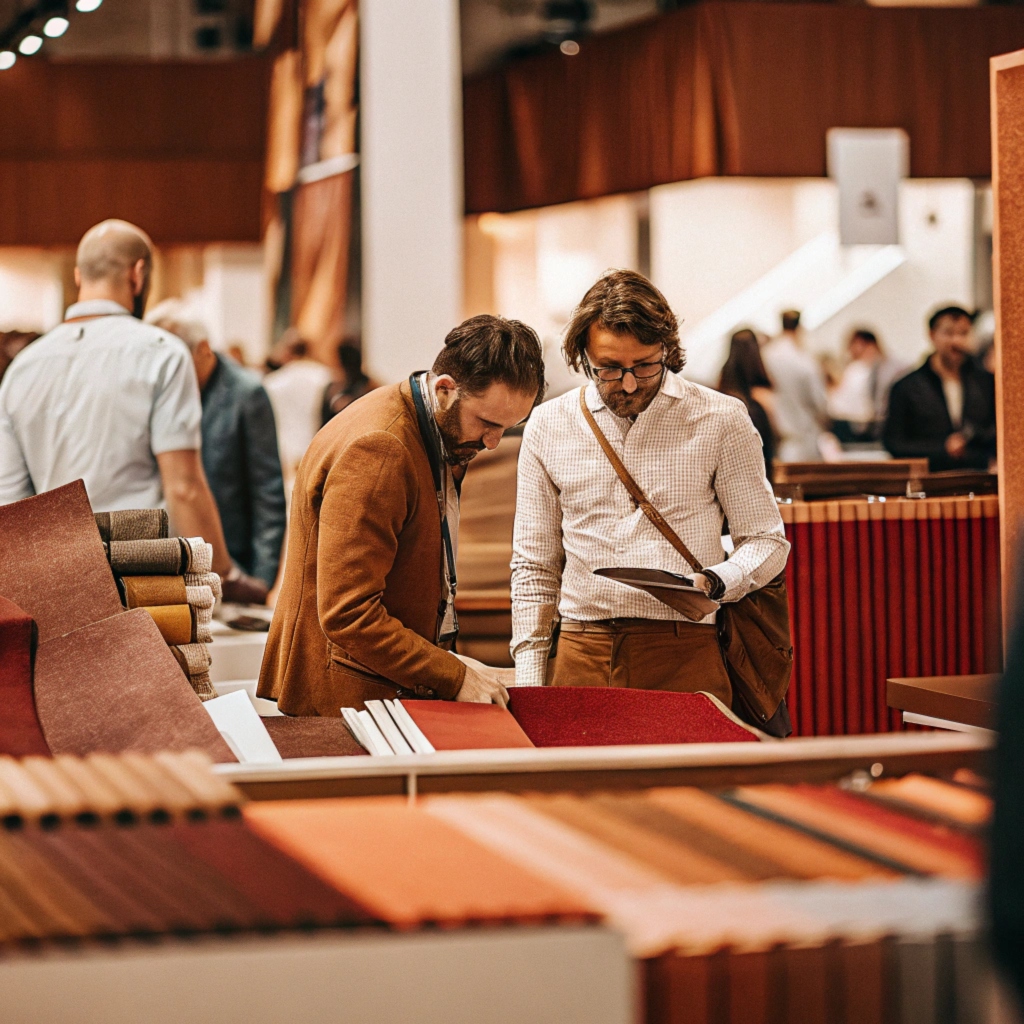
Steps to Evaluate a Vendor
-
Define Your Needs:
Be specific about your fabric preferences, designs, and production volume.Example: If you want sustainable materials, look for vendors specializing in eco-friendly fabrics.
-
Check Certifications:
Ensure the vendor has the necessary certifications, such as ISO for quality assurance. -
Visit or Verify the Factory:
Visit the factory if possible. If not, ask for virtual tours or video documentation.
Negotiation Tips
Always negotiate with multiple vendors to get competitive pricing. Ask about bulk discounts, shipping fees, and lead times.

Where do big companies get their shirts from?
Big companies often source their shirts through established networks, ensuring consistency and scalability. Their approach provides insights for smaller businesses too.
Large companies source from trusted factories, often in countries like China, Vietnam, or Bangladesh, known for high-volume, low-cost production. Explore popular shirt manufacturing locations2
Key Sourcing Locations
-
China:
Known for its vast manufacturing infrastructure and diverse product offerings. -
Vietnam:
Gaining popularity for high-quality production and sustainable practices. -
Bangladesh:
Offers the lowest labor costs but requires careful quality checks.
Why Certification Matters
Big companies rely on certifications like WRAP (Worldwide Responsible Accredited Production) to ensure ethical manufacturing. As a small buyer, asking for similar certifications ensures that your vendor meets industry standards.
Exclusive Insights
Large companies often have exclusive agreements with vendors. To emulate their success:
- Build long-term relationships with trusted vendors.
- Prioritize consistent orders to negotiate better terms.
How do I make a shirt and sell it?
Creating and selling your shirts involves multiple steps, from design to marketing. Simplifying this process ensures a higher chance of success.
To make a shirt, finalize a design, choose a vendor, and oversee production. Market your product through online and offline channels. Learn how to make and sell shirts online3
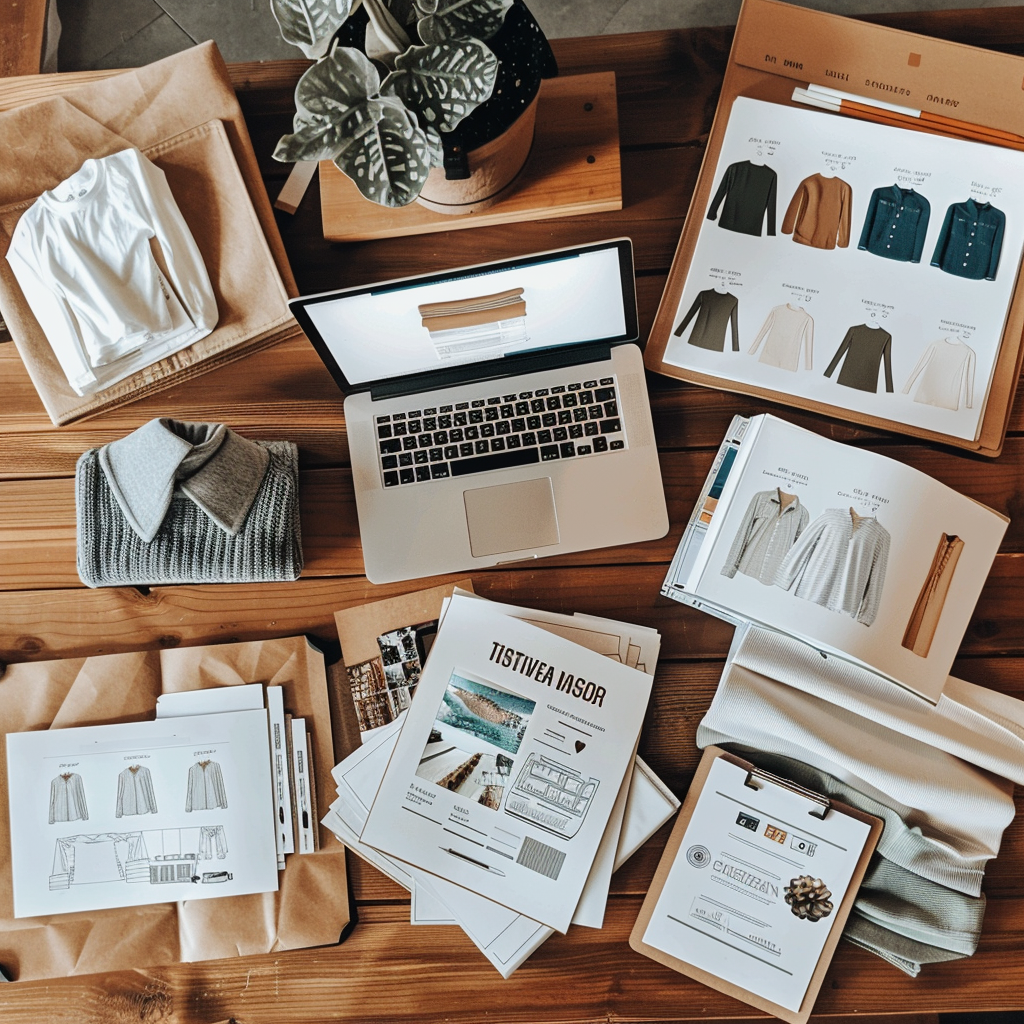
Step-by-Step Guide to Shirt Production
-
Designing:
Use tools like Adobe Illustrator or Canva to create your shirt design. Alternatively, hire a professional. -
Choosing Materials:
Decide between cotton, polyester, or blends depending on your target audience. -
Finding the Right Vendor:
Refer to earlier steps to select a vendor that matches your production needs. -
Production:
Oversee the production process to ensure quality. Request samples before mass production.
Selling Your Shirts
Online Channels
- Use platforms like Shopify, Amazon, or Etsy to sell directly to customers.
- Leverage social media ads to target specific demographics.
Offline Channels
- Partner with local stores or organize pop-up events.
- Collaborate with influencers for promotions.
Marketing Example
Suppose your shirts target fitness enthusiasts. Create a campaign with a local gym to showcase your product. Offer exclusive discounts to gym members, which encourages bulk orders and word-of-mouth marketing.
How many shirts come in a bulk?
Bulk orders depend on vendor policies and production capabilities. Understanding this is key to budgeting and inventory management.
Most vendors offer bulk orders starting at 50 to 500 shirts, with discounts increasing for larger quantities. Understand bulk order shirt MOQ policies4
Typical Bulk Quantities
| Vendor Type | Minimum Order Quantity (MOQ) | Best for |
|---|---|---|
| Small Vendors | 50–100 shirts | Startups |
| Medium Vendors | 200–500 shirts | Growing businesses |
| Large Vendors | 1,000+ shirts | Established companies |
Advantages of Bulk Orders
-
Cost Savings:
The per-unit cost decreases as the order quantity increases. -
Customizations:
Vendors are more likely to offer custom tags, labels, or packaging for bulk orders. -
Reliability:
Larger orders ensure your vendor prioritizes your production.
Inventory Planning for Bulk Orders
Planning your inventory helps balance supply and demand:
- Low Season: Order smaller quantities to avoid excess stock.
- High Season: Place larger orders to meet demand spikes.
Conclusion
Finding the right shirt vendor involves research, comparison, and strategic partnerships. Whether you’re a small startup or an expanding business, understanding your needs and the vendor landscape is key to success. Start by identifying your goals, compare vendors carefully, and build long-term relationships for consistent results.
Footnotes
-
Learn key factors like certifications and factory visits for assessing vendor trustworthiness. ↩
-
Discover why countries like China, Vietnam, and Bangladesh dominate shirt production. ↩
-
Get a step-by-step guide to creating and marketing custom shirts effectively. ↩
-
Understand the typical minimum order quantities (MOQ) for shirt vendors and their advantages. ↩