Skip to content
Expanding a clothing brand requires the right distribution strategy. Finding a reliable distributor can help increase sales, improve market reach, and streamline logistics. However, many brands struggle to connect with the right partners.
To find a clothing brand distributor, research wholesale directories for apparel1, attend major fashion trade shows2, leverage online platforms to find verified clothing distributors3, and network via LinkedIn for fashion industry networking4. A good distributor should have strong retail connections, a proven track record, and the ability to meet your brand’s needs.
Let’s explore the best ways to find and partner with the right clothing distributor.
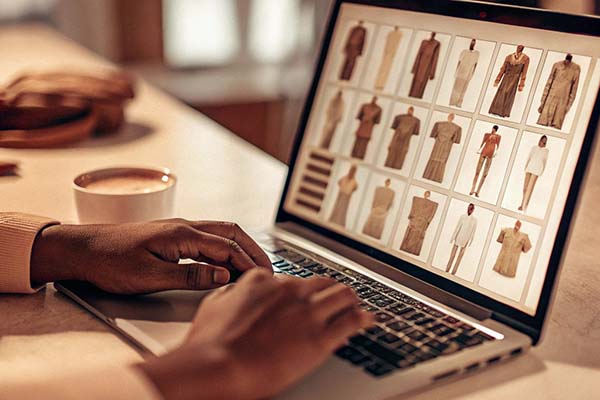
Where can you find clothing brand distributors?
Finding the right distributor requires targeted research and industry connections.
The best places to find clothing brand distributors include wholesale marketplaces, trade shows, online directories, and fashion business networks. Each method offers different advantages depending on your brand’s size and goals.
Best platforms to find clothing distributors
| Source | Best For | Pros | Cons |
|---|---|---|---|
| Alibaba | International wholesale | Large selection, direct manufacturer access | Quality varies, MOQ may be high |
| Faire | Small & mid-sized brands | Focuses on boutique and independent retailers | Limited international reach |
| Fashion Trade Shows | Global expansion | Direct networking, trusted distributors | Requires travel, higher costs |
| Wholesale Directories | Verified distributors | Curated list of suppliers | May require membership fees |
| LinkedIn & Industry Networks | Brand partnerships | Direct outreach, relationship building | Time-consuming |
If your brand focuses on boutique retail, Faire or trade shows might be the best choice. For large-scale wholesale, Alibaba and wholesale directories are excellent options.
What should you consider when choosing a clothing distributor?
Not all distributors are the right fit for your brand. Choosing the wrong partner can lead to poor sales, mismanagement, and reputational damage.
The key factors to consider when selecting a distributor include industry experience, market reach, reliability, and pricing terms. A good distributor should align with your brand’s target audience and business goals.

Key evaluation criteria for choosing a distributor
- Industry experience – How long has the distributor been in business? Do they specialize in fashion?
- Retail connections – What types of retailers do they work with? Do they serve your ideal customers?
- Order volume & MOQs – Can they handle your required production volume?
- Pricing & commission structure – Are the terms fair and sustainable for your business?
- Logistics & fulfillment capabilities – Can they manage warehousing and shipping efficiently?
- Reputation & reviews – Do other brands recommend them?
A distributor with strong industry experience and retailer connections will be more effective in selling your clothing line.
How do you verify if a distributor is reliable?
Before signing any agreements, it’s crucial to verify the credibility of a potential distributor.
To verify a clothing distributor’s reliability, check their track record, request references, read online reviews, and negotiate a trial period before committing to long-term contracts.
Steps to verify a distributor
| Step | Action |
|---|---|
| Check references | Contact other brands they work with. |
| Review online ratings | Search for complaints or negative reviews. |
| Request a sales report | Ask for past sales performance in your category. |
| Negotiate a trial run | Start with a small order before a full partnership. |
If a distributor refuses to provide references or data, this could be a red flag.
How can trade shows help you find clothing distributors?
Trade shows are one of the most effective ways to connect with distributors in the fashion industry.
Fashion trade shows allow brands to meet distributors in person, showcase their collections, and build long-term business relationships. These events attract buyers, wholesalers, and retailers looking for new products.
Top fashion trade shows for finding distributors
| Trade Show | Location | Best For |
|---|---|---|
| MAGIC Las Vegas | USA | Global fashion brands & distributors |
| Pure London | UK | European distributors & retailers |
| Texworld Paris | France | Sustainable & high-end fashion |
| Canton Fair | China | Large-scale manufacturing & wholesale |
| Source Fashion | UK | Ethical & sustainable sourcing |
Attending trade shows requires an investment, but they offer valuable networking opportunities.
How do you negotiate with a clothing distributor?
Once you find a potential distributor, negotiating the right terms is essential for a successful partnership.
To negotiate with a distributor, establish clear pricing, minimum order quantities, payment terms, and return policies. Ensuring mutual benefits helps create a long-lasting business relationship (Negotiating with a clothing distributor5).
Key points to negotiate
- Pricing & commissions – What percentage does the distributor take?
- MOQs (Minimum Order Quantities) – What is the smallest order they will accept?
- Exclusivity agreements – Will they be your only distributor in a certain region?
- Marketing & promotion – Will they invest in advertising your brand?
- Returns & damages – Who is responsible for faulty or unsold inventory?
Clarity on these terms prevents misunderstandings and protects your business interests.
Should you choose a domestic or international distributor?
The decision between a domestic or international distributor depends on your market strategy and logistics.
Domestic distributors offer faster shipping and better communication, while international distributors provide wider market reach and potentially lower costs.
Comparison of domestic vs. international distributors
| Factor | Domestic Distributor | International Distributor |
|---|---|---|
| Shipping Speed | Faster | Slower |
| Communication | Easier | May involve language barriers |
| Market Reach | Limited to one country | Global opportunities |
| Cost | Higher | Lower labor costs in some regions |
For brands looking to expand locally, domestic distributors are more reliable. If your goal is global sales, international distributors may be a better option.
How do you build a strong relationship with your distributor?
Establishing a solid relationship with your distributor can lead to better sales and smoother operations.
To maintain a successful partnership, ensure clear communication, provide marketing support, and regularly evaluate their performance. A strong business relationship benefits both parties.
Tips for maintaining a good distributor relationship
- Communicate regularly – Keep them informed about new product launches.
- Provide marketing materials – Support their sales efforts with promotional content.
- Monitor sales performance – Review monthly reports to track results.
- Offer incentives – Provide bonuses for meeting sales targets.
- Be flexible – Adapt to market trends and adjust strategies when needed.
A distributor who feels valued is more likely to prioritize your brand.
Conclusion
Finding the right clothing brand distributor requires research, networking, and careful negotiation. The best distributors have strong retail connections, reliable logistics, and fair pricing terms. By attending trade shows, verifying credentials, and building long-term relationships, you can successfully grow your brand’s market presence.
-
Identify curated B2B platforms listing verified clothing distributors. ↩
-
Discover trade show events that connect brands with potential distribution partners. ↩
-
Learn how to check references, read reviews, and confirm distributor credibility. ↩
-
Build professional relationships and directly contact potential wholesale distributors. ↩
-
Explore key contract points like pricing, MOQs, and marketing responsibilities. ↩