Skip to content
Overview Of Garment Styles And Categories
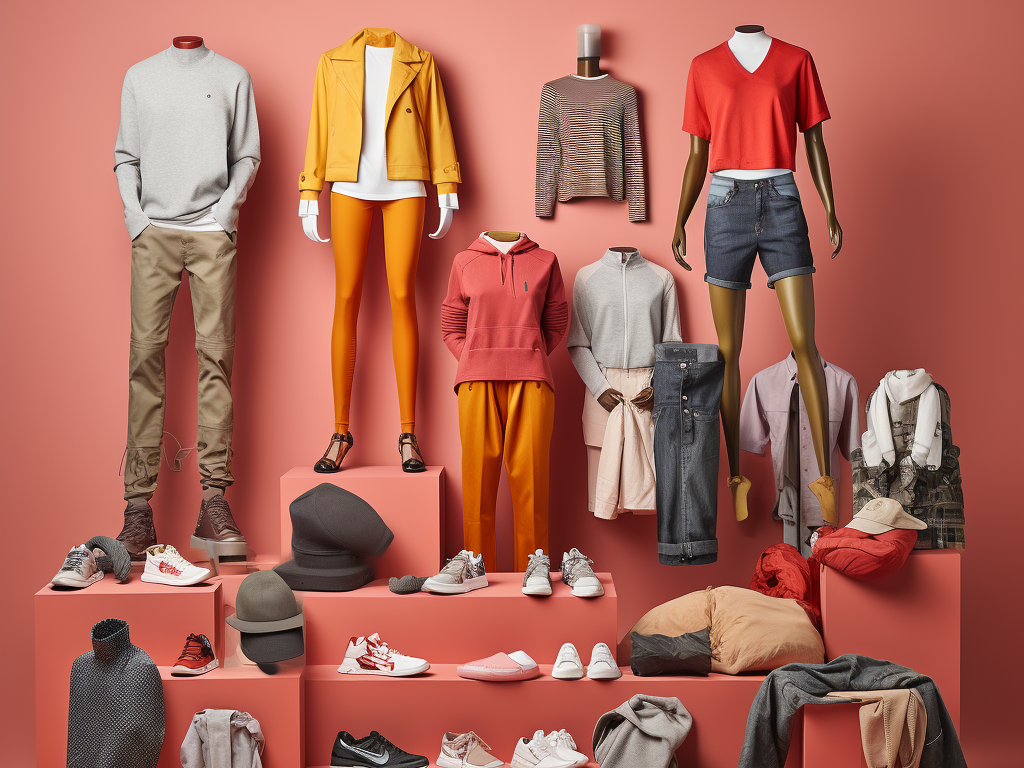
The world of fashion is vast and varied, with countless garment types catering to different occasions, climates, and personal styles. Understanding the basic categories and styles can help consumers make informed choices and designers create pieces that resonate with their target audience. Here’s an overview of some of the primary garment types and their defining characteristics:
1. Tops:
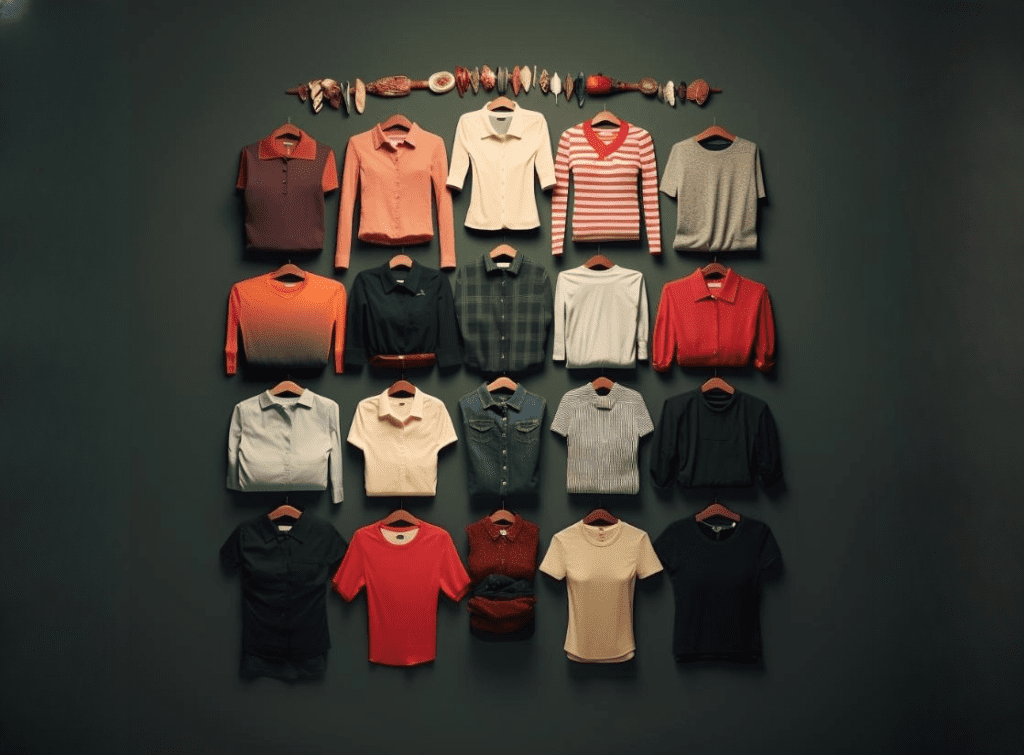
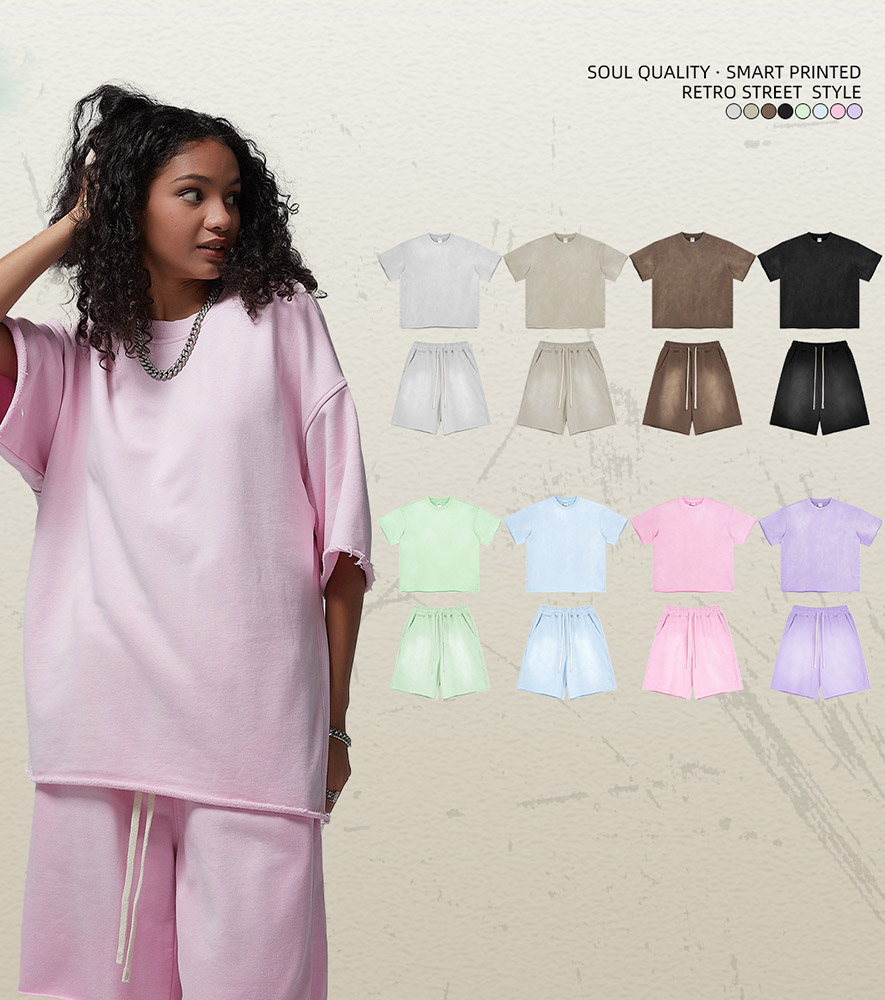
- T-Shirts: Casual wear made typically of cotton or a blend, often adorned with graphics or logos.
- Blouses: Lightweight tops for women, often made of silk, cotton, or synthetic materials, suitable for work or casual outings.
- Polo Shirts: Collared shirts with a few buttons at the top, typically made of knitted cloth.
- Sweaters: Knitted garments intended to cover the torso and arms, perfect for colder climates.
2. Bottoms:
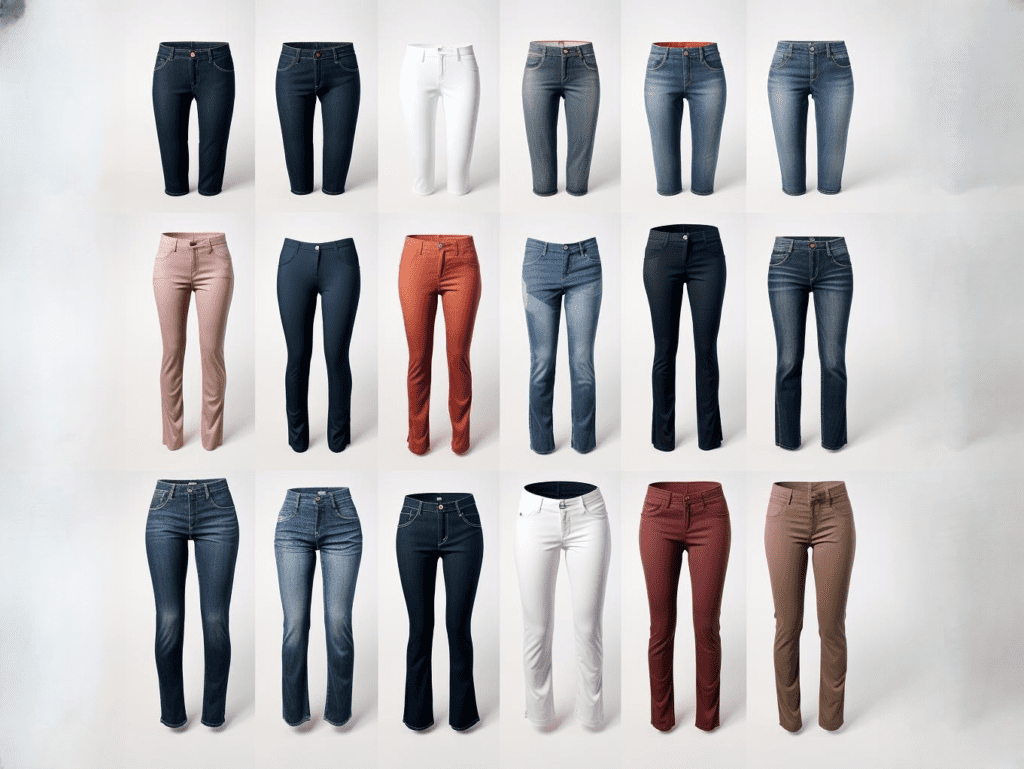
- Jeans: Sturdy, casual pants made from denim.
- Trousers/Slacks: More formal pants, often made of wool, polyester, or a blend.
- Shorts: Short pants that come in various lengths and materials, suitable for warm weather or athletic activities.
- Skirts: A tube- or cone-shaped garment that hangs from the waist and covers all or part of the legs.
3. Outerwear:
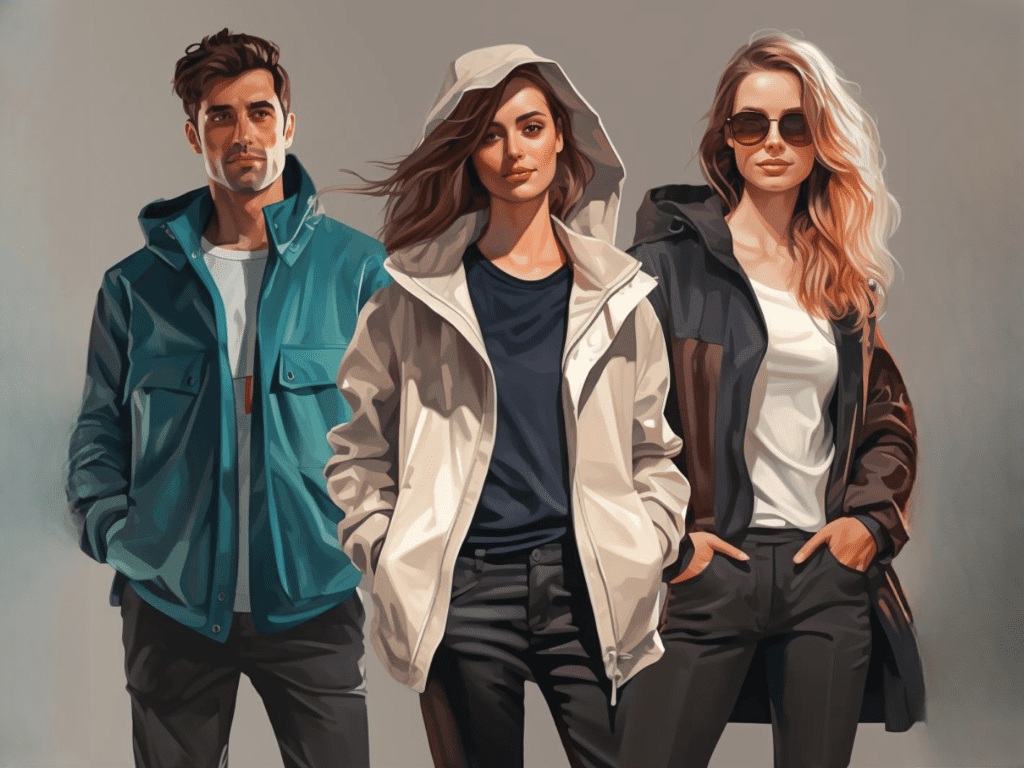
- Jackets: Lightweight outerwear, suitable for slightly cold or windy conditions.
- Coats: Heavier than jackets, designed for colder climates and often extending below the hips.
- Blazers: A type of jacket, typically solid-colored, often worn as part of a uniform or semi-formal outfit.
- Windbreakers: Lightweight jackets designed to resist wind chill and light rain.
4. Dresses:
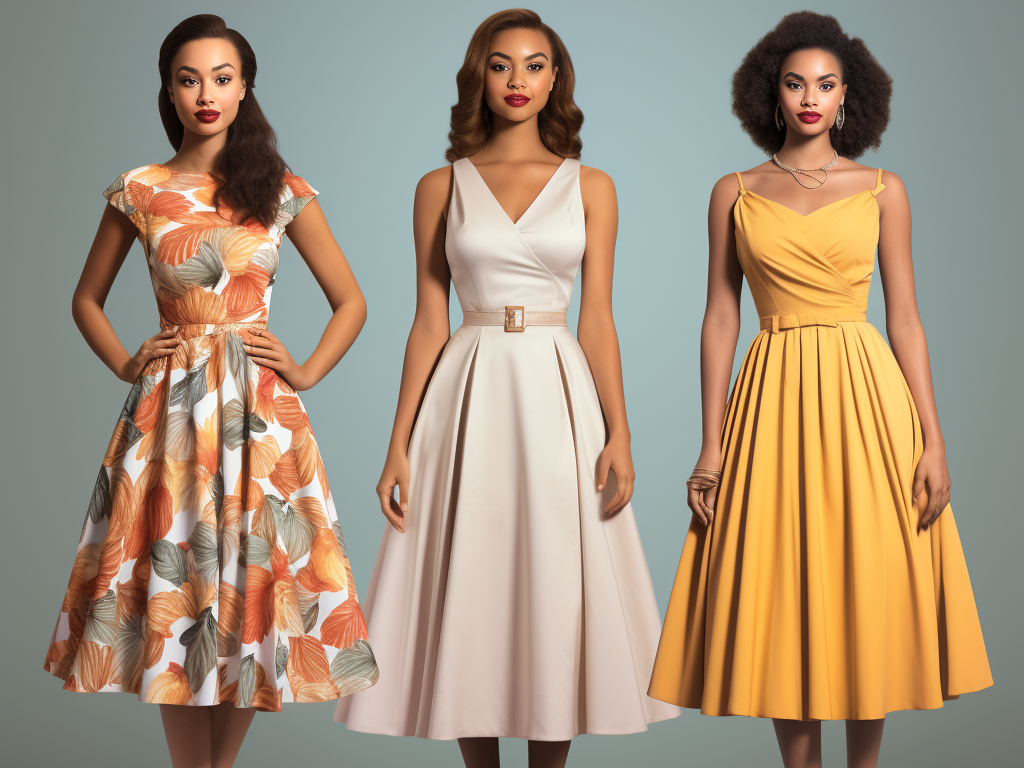
- Casual Dresses: Suitable for everyday wear, often made of cotton or synthetic materials.
- Formal Dresses: Designed for special occasions, often longer and made of luxurious materials.
- Sundresses: Lightweight dresses, typically sleeveless and strapless, perfect for summer.
5. Activewear:
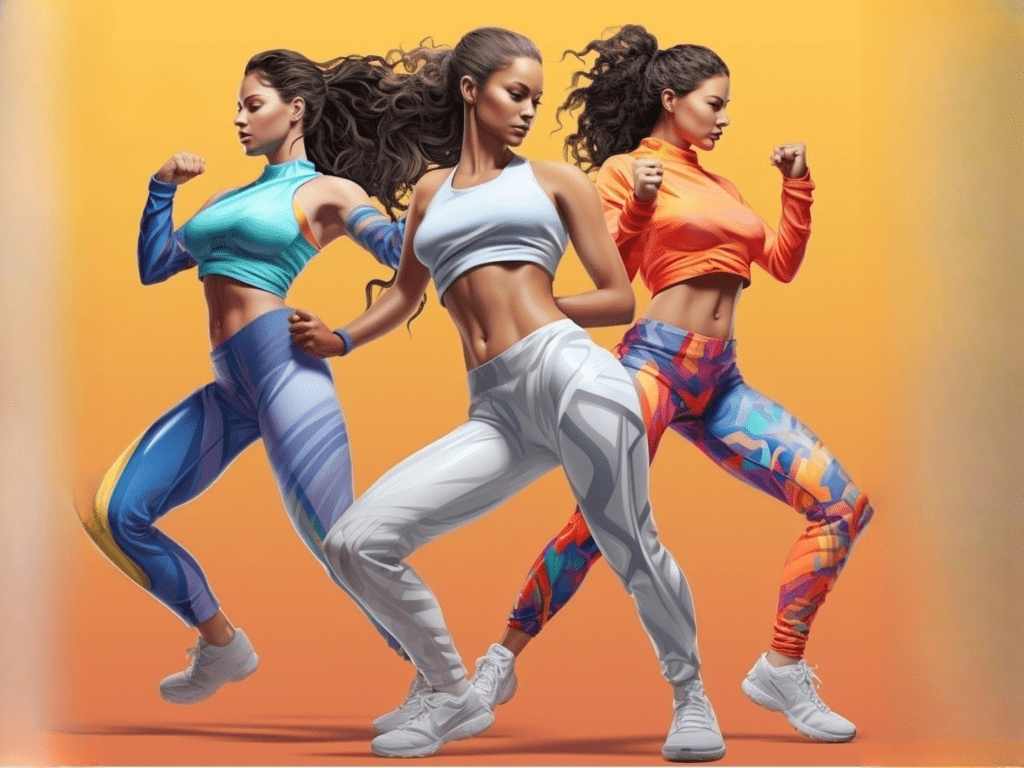
- Tracksuits: Consisting of pants and a jacket, often worn for sports or as casual wear.
- Leggings: Tight-fitting stretch pants, often used for workouts.
- Sport Bras: Provides support during physical activity.
6. Undergarments:
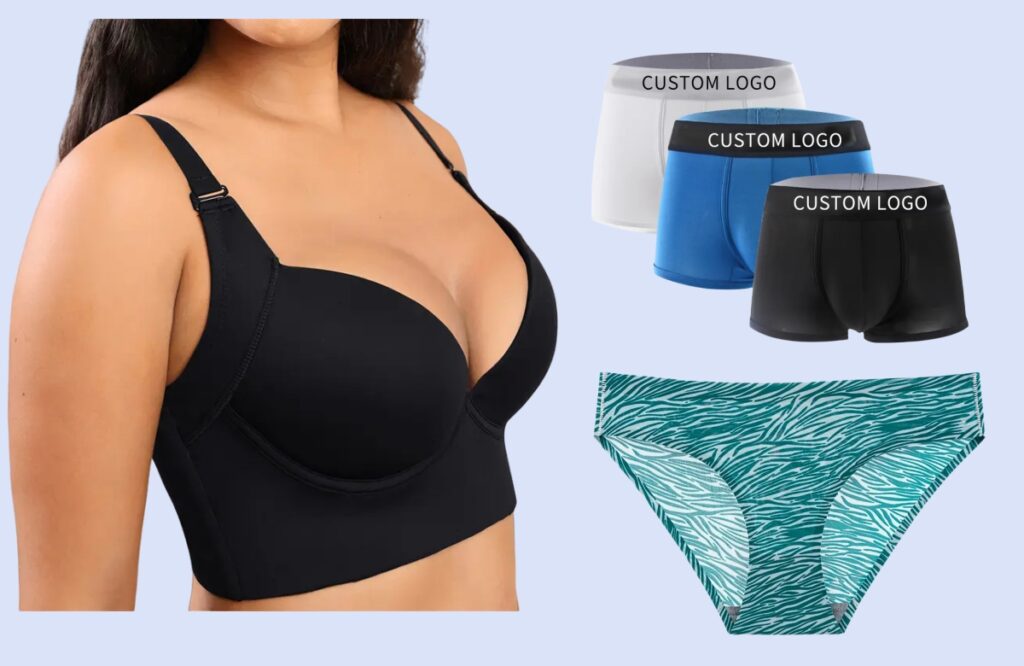
- Underwear: Clothing worn beneath outer clothes, often in direct contact with the skin.
- Bras: Designed to support the breasts.
- Boxers & Briefs: Types of men’s underwear.
7. Specialized Garments:
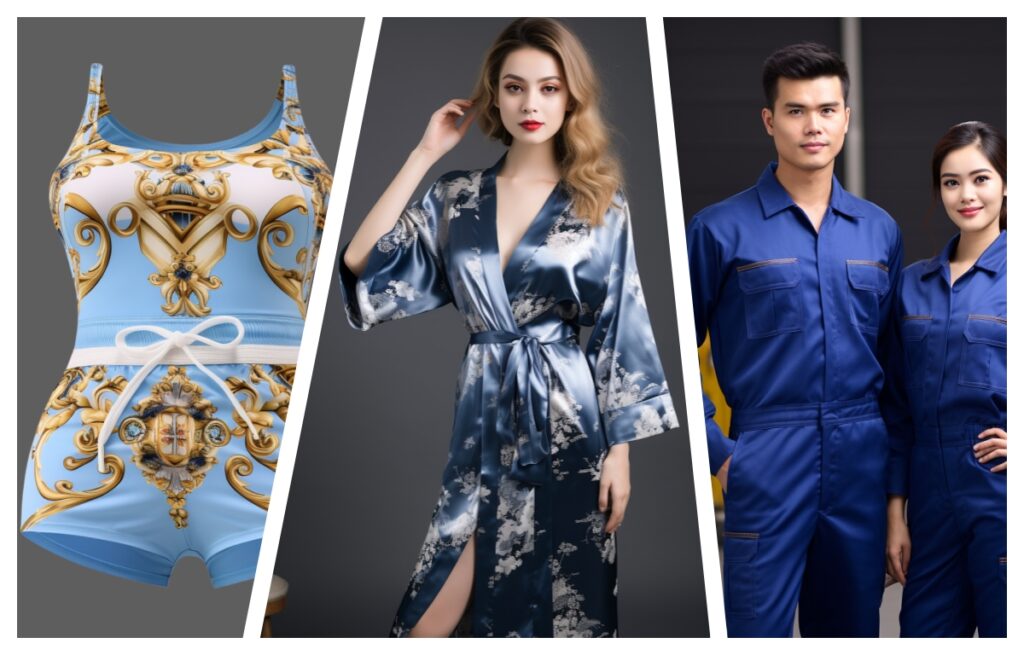
- Swimwear: Clothing suitable for swimming, such as swimsuits and trunks.
- Nightwear: Clothing designed to be worn while sleeping, like pajamas and nightgowns.
- Uniforms: Standardized clothing worn by members of an organization.
In conclusion, the world of garments is diverse, with each type serving a specific purpose and occasion. Whether you’re dressing for a day at the office, a workout session, or a formal event, understanding these categories can help you choose the perfect outfit for every moment.